What Are the Different Types of Shackles Available for UAE Industries?
Shackles form the backbone of any lifting operation, acting as the critical connector between the load, sling, and crane hook. In the UAE, where construction, oil and gas, and logistics sectors operate at a relentless pace, choosing the right shackle type is not just a matter of compliance—it directly impacts safety, efficiency, and project timelines. The market offers a wide array of designs, each engineered for specific load conditions, environmental factors, and rigging configurations.
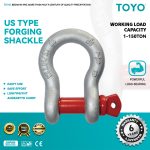
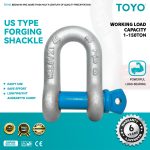
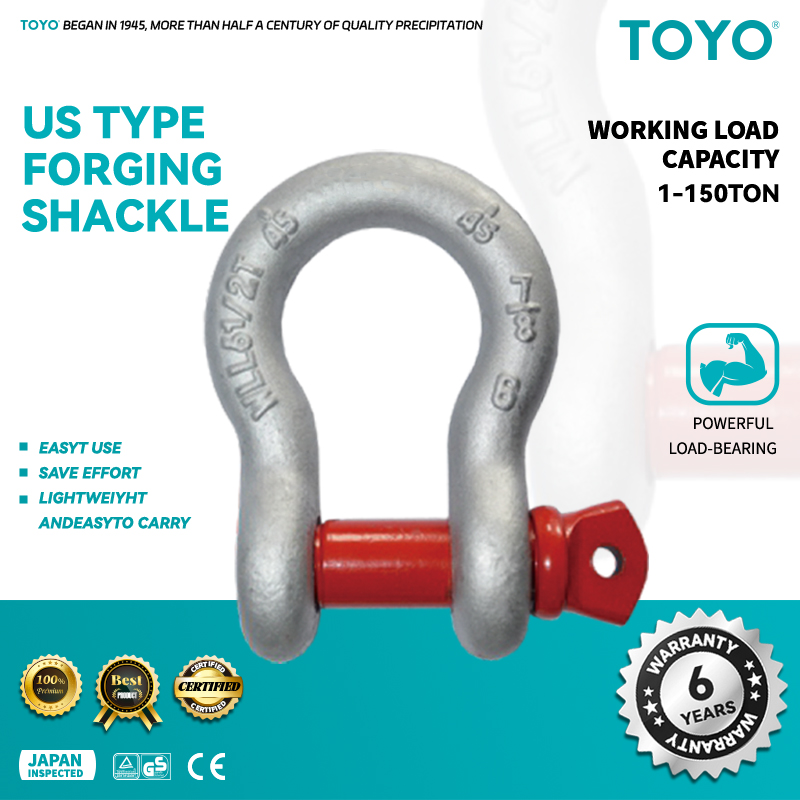
The most recognizable is the d shackle , also called a chain shackle. Its narrow, U-shaped body makes it ideal for connecting chains and wire ropes where the load is applied in a straight line. However, when synthetic slings enter the picture, the wider bow of an anchor shackle becomes necessary to prevent pinching and premature wear. Understanding these distinctions is the first step toward a safe lift.
Beyond basic shapes, shackles differ in pin design, material composition, and specialized features. This section breaks down the primary categories you will encounter when sourcing rigging hardware in the UAE, from screw pin versus bolt-type to material choices suited for the Arabian Gulf’s unique climate.
Screw Pin vs. Bolt-Type Shackles: Which Is Right for Your Lifting Application?
The pin mechanism defines how quickly a shackle can be connected and how securely it stays locked during a lift. Screw pin shackles feature a threaded pin that screws directly into the shackle body, requiring no additional tools for assembly. This design is popular in industries where rigging setups change frequently—think construction sites, event staging, or general material handling. The speed advantage is clear: a crew can swap out slings and shackles in seconds without reaching for a wrench.
However, the screw pin’s simplicity comes with a caveat. Under constant vibration or dynamic loads, the pin can gradually back out if not properly tightened or if the threads become worn. In the UAE’s bustling ports and logistics hubs, I have seen screw pin shackles come loose on container lifting spreaders simply because the pre-lift check missed a quarter-turn. That quarter-turn could have prevented a near-miss.
Bolt-type shackles address this risk by using a bolt, nut, and cotter pin. Once the nut is torqued and the cotter pin inserted, the connection is virtually immune to vibration-induced loosening. This makes bolt-type shackles the go-to for critical lifts, offshore applications, and any scenario where the shackle remains in place for extended periods. The trade-off is time: assembly and disassembly require tools and a more deliberate process.
Below is a comparison of the two types to help you decide based on your operational needs:
| Caraterística | Screw Pin Shackle | Bolt-Type Shackle |
|---|---|---|
| Pin Securing Method | Threaded pin screws directly into the shackle body | Bolt passes through, secured by a nut and cotter pin |
| Ease of Assembly | Quick to connect and disconnect without tools | Requires wrench for nut; cotter pin adds security |
| Security Under Vibration | Can loosen if not tightened or checked regularly | Highly secure; cotter pin prevents nut rotation |
| Aplicações típicas | Short-term lifts, frequent rigging changes | Permanent or long-term installations, critical lifts |
| Common UAE Use Cases | Construction material handling, event rigging | Offshore oil & gas, crane lifting, heavy transport |
For most UAE construction projects, a mix of both types proves practical. Use screw pin shackles for daily material lifts where speed matters, and reserve bolt-type shackles for tower crane hoisting, man-riding baskets, or any lift where failure is not an option.
Material Matters: Stainless Steel vs. Alloy Steel Shackles in UAE Environments
The UAE’s environment is unforgiving on rigging gear. Coastal humidity in Dubai and Abu Dhabi accelerates corrosion, while inland desert sites expose equipment to fine, abrasive sand. Choosing the wrong shackle material can lead to pitting, stress corrosion cracking, or sudden failure. The two primary material categories are alloy steel and stainless steel, each with distinct strengths and weaknesses.
Alloy steel shackles, typically quenched and tempered, offer superior strength-to-weight ratios. They are the workhorses of heavy lifting, capable of handling high working load limits (WLL) while remaining relatively cost-effective. To combat corrosion, manufacturers apply protective coatings such as hot-dip galvanizing, zinc plating, or powder coating. In my experience managing equipment for a Sharjah-based logistics firm, we found that hot-dip galvanized alloy steel shackles lasted three times longer than electro-plated ones when used near the coast. The thicker zinc layer simply withstands the salt spray better.
Stainless steel shackles, often grade 316, excel in highly corrosive environments like offshore platforms, chemical plants, or food processing facilities where cleanliness is paramount. They resist rust without any coating, but they come with a higher price tag and generally lower WLL compared to alloy steel of the same size. For most general lifting in the UAE, alloy steel with proper coating is the economical and practical choice. Reserve stainless steel for niche applications where corrosion could compromise product integrity or safety.
Another emerging option is duplex stainless steel, which offers higher strength than standard 316 while maintaining excellent corrosion resistance. Though still relatively rare in the local market, it is gaining traction in Abu Dhabi’s sour gas projects where hydrogen sulfide stress cracking is a concern.
Understanding Working Load Limits (WLL) and Safety Factors for Shackles
Every shackle comes with a WLL stamped on its body, expressed in tonnes or kilograms. This number is not the breaking strength—it is the maximum load the shackle can handle under normal conditions, already incorporating a safety factor. The safety factor is the ratio between the minimum breaking load (MBL) and the WLL. Common safety factors for shackles are 4:1, 5:1, or 6:1, depending on the standard to which they are manufactured. For example, a shackle with a WLL of 5 tonnes and a 5:1 safety factor has a breaking load of 25 tonnes.
In the UAE, most imported shackles follow ASME B30.26 or EN 13889, which mandate a 4:1 or higher safety factor. Local regulations enforced by municipalities and free zone authorities often require proof of compliance. When purchasing, always verify that the WLL and safety factor are clearly marked and that the manufacturer provides a test certificate. I once audited a warehouse in Jebel Ali where a batch of unmarked shackles had entered the supply chain. The absence of traceable WLL meant the entire lot had to be quarantined and tested, causing a two-week delay and additional costs.
It is also critical to understand that the WLL applies only when the load is applied in-line and the shackle is properly oriented. Any side loading, angular pulls, or improper sling configurations drastically reduce the effective capacity—a topic we will explore further in the usage mistakes section.
Specialty Shackles for UAE: Wide Body, Safety Pin, and More
Standard D and bow shackles cover the majority of lifting tasks, but certain applications demand specialized designs. Wide body shackles, for instance, have an enlarged bow to accommodate wide synthetic slings without crushing or bunching the fibers. In UAE’s heavy lift projects—such as module installation for oil refineries—using a standard shackle with a high-capacity flat sling can cause premature sling failure. The wide body design distributes the load more evenly, extending sling life and enhancing safety.
Safety pin shackles feature a pin that locks into place with a spring-loaded detent or a captive pin design, preventing accidental opening if the shackle snags on a structure. These are increasingly specified for overhead lifting where a dropped pin could become a deadly projectile. Another variant, the alloy steel bolt-type shackle with a hex head and integrated washer, simplifies assembly while retaining the security of a nut and cotter pin.
For subsea operations in UAE’s offshore fields, you will find shackles made from super duplex stainless steel with pitting resistance equivalent (PREN) values above 40. These resist crevice corrosion at depth and are often supplied with magnetic particle inspection (MPI) certification. While these are highly specialized, they illustrate the breadth of options available when standard catalog items fall short.
How to Choose the Right Shackles for Your Lifting Operations in UAE?
Selecting a shackle involves more than matching the WLL to the load weight. The sling type, hitch configuration, environmental conditions, and regulatory landscape all influence the choice. A misstep in this process can lead to equipment damage, project delays, or—worst of all—a catastrophic failure. Drawing on years of fieldwork across the Emirates, I have distilled the selection process into actionable steps that balance safety with cost-effectiveness.
Step-by-Step Guide: Matching Shackle Type to Sling and Hitch Configuration
The first step is to identify the sling you are using. Wire rope slings typically pair well with d shackle because the narrow bow prevents the wire rope from spreading excessively. For chain slings, D shackles are again the preferred choice, as the link fits snugly into the shackle throat. However, when using synthetic flat webbing or round slings, an anchor (bow) shackle is mandatory. The wider bow prevents the sling from being pinched, which can reduce its strength by up to 50%.
Next, consider the hitch configuration. In a straight pull, the shackle primarily experiences tension. In a choker hitch, the shackle must withstand both tension and bending forces, so you may need to upsize. For basket hitches, the included angle dramatically affects the load on each leg. A 120-degree included angle doubles the tension in each leg compared to a vertical lift. The shackle at the apex must be sized for this amplified load. I recall a project at Dubai South where a crew used a 3.25-tonne shackle for a basket hitch with a calculated leg load of 3 tonnes. On paper, it seemed adequate, but the angle pushed the actual force to 3.5 tonnes, overloading the shackle. Fortunately, the error was caught during a pre-lift briefing.
Always ensure the shackle pin bears against the sling eye, not the body. This is a common mistake that can bend the pin or cause the shackle to rotate under load. For multi-leg slings, use a master link or a specially designed shackle with a wider throat to accommodate multiple sling eyes without crowding.
How to Calculate Required WLL Based on Load Weight and Sling Angle
Calculating the required WLL is straightforward once you understand the load amplification factor. The formula for the tension in each sling leg is: T = Load / (Number of legs × cos(θ)), where θ is the angle between the sling leg and the vertical. For a two-leg sling with a 60-degree angle to the horizontal (30 degrees to the vertical), cos(30°) = 0.866. So if the load is 1000 kg, each leg sees 1000 / (2 × 0.866) = 577 kg. The shackle at the lower connection point must have a WLL of at least 577 kg. But always round up to the next standard size and apply an additional safety margin if the lift involves dynamics or wind.
In the UAE, wind speeds on high-rise construction sites can gust unexpectedly. I recommend adding a 10-15% buffer to your calculated WLL for outdoor lifts above 20 meters. This accounts for wind-induced swinging and shock loads. Many project specifications in Abu Dhabi now explicitly require this buffer for tower crane lifts.
When using a single shackle to connect multiple slings to a crane hook, the shackle must be rated for the total load, not the individual leg load. This seems obvious, but I have seen riggers mistakenly use a smaller shackle because they focused on the leg tension. The master point shackle carries the entire load, so its WLL must equal or exceed the total lifted weight.
5 Key Factors to Consider When Buying Shackles in UAE (Certifications, Finish, etc.)
Beyond technical specifications, several commercial and compliance factors influence your purchasing decision. Here are five that deserve your attention:
- Certifications and Test Reports: Insist on shackles that come with a manufacturer’s test certificate (MTC) or a third-party inspection report. For critical lifts, the certificate should reference the heat number and include mechanical properties. UAE free zones like JAFZA often require these documents for equipment import clearance.
- Surface Finish: As discussed, the coating determines corrosion resistance. Hot-dip galvanizing (HDG) is the minimum for outdoor use. For offshore, consider sherardizing or duplex coatings. Avoid painted shackles unless the paint is a certified epoxy system; standard paint can hide cracks and chips off, accelerating corrosion.
- Brand and Traceability: Established brands like Crosby, Van Beest, and Rud maintain rigorous quality control. Their products carry clear markings and serial numbers for traceability. Counterfeit shackles have infiltrated the UAE market, so buy from authorized distributors.
- Lead Time and Availability: Local stock is a major advantage. Importing can take 4-8 weeks, which might stall your project. Always check if the supplier holds buffer stock in the UAE.
- Apoio pós-venda: Does the supplier offer load testing, inspection services, or technical advice? A supplier that can visit your site and assess your rigging setup adds value beyond the product price.
How to Verify Shackle Compliance with UAE and International Standards
Compliance verification starts with the markings on the shackle. Look for the manufacturer’s name or logo, the WLL, the material grade (e.g., “S” for alloy steel), and the standard reference (e.g., “ASME B30.26” or “EN 13889”). The markings should be stamped, not printed, so they remain legible after years of use. If any of these are missing, do not use the shackle.
Next, request the Declaration of Conformity or the test certificate. This document should match the batch number on the shackle. In the UAE, the Emirates Conformity Assessment Scheme (ECAS) under ESMA may apply to certain lifting equipment, though currently it is more focused on electrical and construction products. However, for government projects, you might need to provide evidence of compliance with British Standards or ASME. I advise clients to maintain a digital folder for each shackle batch, containing the certificate, purchase invoice, and inspection records.
For offshore operations, additional standards like DNVGL-ST-0378 or API 8C may be required. These often mandate Charpy impact testing at low temperatures to ensure the steel does not become brittle. Even in the UAE’s warm climate, this matters for equipment that might be used in deeper, colder waters or later redeployed to other regions.
What Are the Common Shackle Usage Mistakes and How Can You Avoid Them in UAE?
Even the best shackle will fail if misused. In my years of inspecting rigging gear across the UAE, I have encountered recurring errors that cut across industries and experience levels. These mistakes often stem from a lack of training, time pressure, or simply not understanding the engineering principles behind the hardware. Let’s examine the most dangerous ones and how to prevent them.
The Dangers of Side Loading and Improper Shackle Alignment
A shackle is designed to carry load along its axis. When force is applied at an angle to the pin or from the side, the shackle’s capacity plummets. Side loading a screw pin shackle can reduce its WLL by 50% or more, and it introduces bending stresses that can snap the pin or deform the body. During a routine inspection at a Dubai marina construction site, I found a 4.75-tonne shackle used to lift a concrete panel where the sling had been attached to only one side of the bow, creating a severe side load. The shackle body had already deformed by several millimeters. We immediately condemned the shackle and redesigned the rigging to use a spreader beam that ensured in-line loading.
Proper alignment means the sling should sit centered in the shackle bow, and the load should pull straight through the pin. If you must pull at an angle, use a shackle with a larger bow or a swivel hoist ring that is designed for angular loading. Never use a shackle as a permanent swivel point; the threads will wear quickly and can seize.
Ignoring UAE Climate: Corrosion and Wear Prevention Strategies
The UAE’s combination of heat, humidity, and airborne salt creates a corrosion hotspot. I have seen shackles on a Sharjah creek project develop severe pitting within six months because they were standard carbon steel with a thin zinc plate. The pitting acted as stress concentrators, and one shackle eventually cracked under a load well below its WLL. The lesson: match the corrosion protection to the environment.
For coastal and offshore sites, use hot-dip galvanized or stainless steel shackles. Implement a regular wash-down schedule with fresh water to remove salt deposits. In desert areas, sand abrasion can strip coatings, so inspect shackles frequently for exposed base metal and touch up with cold galvanizing spray. Store shackles in a dry, covered area—leaving them on the ground invites moisture and grit into the threads. A simple wooden rack with drainage goes a long way in extending service life.
Mismatching Shackle and Sling Sizes: A Costly and Dangerous Error
Using a shackle that is too small for the sling causes the sling to bunch up or crush at the contact point, reducing its breaking strength. Conversely, an oversized shackle may not fit through the sling eye or crane hook, leading to improvised and unsafe connections. The rule of thumb: the shackle’s bow diameter should be at least equal to the sling’s thickness or diameter, and the pin diameter should match the hook or master link opening to avoid point loading.
For synthetic slings, the shackle body width must be sufficient to prevent the sling from being pinched. Many manufacturers provide compatibility charts. I always keep a laminated card with sling width and corresponding shackle size on site—it eliminates guesswork and speeds up rigging.
Why Regular Inspection and Maintenance Are Critical for UAE Operations
Shackles are not “fit-and-forget” items. They endure shock loads, vibration, and environmental exposure that degrade their integrity over time. UAE regulations, particularly in Abu Dhabi’s oil and gas sector, mandate periodic inspection of all lifting equipment by a competent person. The frequency ranges from daily visual checks to annual thorough examinations, depending on the usage severity.
An inspection should cover: pin and body for straightness, cracks (using dye penetrant or MPI for critical lifts), thread condition, corrosion depth, and wear. Any shackle with more than 10% wear on the pin or body diameter should be removed from service. Also, check that the cotter pin is present and properly spread on bolt-type shackles. I recommend creating a simple log for each shackle that records inspection dates, findings, and the inspector’s name. This log can be a lifesaver during safety audits.
What Is the Cost of Shackles in UAE and How to Maximize Your Investment?
Budgeting for rigging hardware requires looking beyond the sticker price. The total cost of ownership includes purchase price, import duties, inspection, maintenance, and replacement frequency. In the UAE’s competitive market, prices can vary significantly between local distributors and international suppliers. Understanding these dynamics helps you allocate funds wisely without compromising safety.
2026 Price Guide: What to Expect When Buying Shackles in the UAE Market
As of 2026, the price of a standard alloy steel screw pin shackle with a 1-tonne WLL ranges from AED 15 to AED 40, depending on the brand and finish. A similar bolt-type shackle might cost AED 30 to AED 70. Moving up to a 5-tonne WLL, prices jump to AED 60–150 for screw pin and AED 100–250 for bolt-type. Stainless steel shackles command a premium: a 1-tonne 316 stainless steel shackle can cost AED 80–150. These are approximate figures based on quotes from Dubai-based suppliers and online platforms. Custom or specialty shackles, such as wide body or safety pin types, can cost twice as much or more.
Global steel prices and shipping costs continue to influence these numbers. The UAE’s strategic location as a logistics hub means that Chinese and Indian manufactured shackles are widely available at competitive rates, but quality varies. European and American brands retain a price premium due to stricter manufacturing tolerances and brand reputation.
Import vs. Local Suppliers: Total Cost Analysis for UAE Buyers
When I helped a medium-sized logistics company in Dubai source 200 shackles for a new warehouse, we compared direct import from a Chinese manufacturer with buying from a local distributor. The Chinese unit price was 40% lower, but after adding sea freight (AED 1,200), customs clearance (5% duty), VAT (5%), and inland transportation, the landed cost advantage shrank to 15%. Moreover, the local supplier offered next-day delivery and agreed to hold replacement stock on consignment. For a project with tight deadlines, the local option won. However, for a larger annual volume with predictable demand, direct import could yield substantial savings.
Consider also the hidden costs: if imported shackles arrive without proper documentation, they may be held at customs, incurring storage fees. Some UAE free zones require equipment to be inspected by an approved third party before release. Factor in these potential delays when comparing options.
How Investing in High-Quality Shackles Reduces Long-Term Operational Costs
A cheap shackle that fails prematurely or requires frequent replacement is a false economy. High-quality shackles from reputable manufacturers undergo stricter quality control, have better fatigue resistance, and often come with better coatings that extend service life. In a five-year cost model I developed for a client in the oil and gas sector, switching from unbranded shackles to a premium brand reduced replacement frequency by 60% and eliminated one recordable safety incident. The initial cost premium was recovered within 18 months through reduced downtime and inspection costs.
Furthermore, premium shackles often have a higher resale or scrap value, and their traceability can lower insurance premiums. When you calculate the cost per lift over the shackle’s lifetime, the difference is stark.
Negotiation Tips: Getting the Best Deal from Shackles Suppliers in UAE
Negotiating with UAE suppliers requires preparation. First, get quotes from at least three vendors to establish a benchmark. Second, ask for a breakdown of the price: unit cost, certification charges, delivery, and any minimum order quantity. Third, leverage long-term relationships—suppliers are often willing to offer 5-10% discounts for repeat business or bulk orders. Don’t be afraid to ask for added value, such as free load testing on a sample batch or extended payment terms. In my experience, suppliers in the Al Quoz and Ras Al Khor industrial areas are particularly open to negotiation if you can commit to a quarterly purchase schedule.
What Are the Latest Trends Shaping the Shackles Market in UAE?
The rigging industry is not static. Technological advances, sustainability mandates, and the scale of UAE’s development projects are reshaping what shackles can do and how they are bought. Staying ahead of these trends gives your operation a competitive edge in safety and efficiency.
The Emergence of Smart Shackles with IoT and Load Monitoring Technology
Smart shackles equipped with load cells, accelerometers, and wireless transmitters are moving from pilot projects to mainstream adoption. These devices measure real-time tension, angle, and shock loads, transmitting data to a central dashboard or mobile app. For complex lifts—such as installing a turbine in a power plant or erecting a skyscraper’s steel frame—this data allows the lift director to make instant adjustments and creates a digital record for compliance.
In the UAE, where mega projects often involve multiple cranes working in tandem, smart shackles can prevent collisions and overloads. Companies like Al Masaood and Byrne Equipment Rental have started integrating IoT into their rental fleets. While the cost per smart shackle is currently 5-10 times higher than a standard one, the reduction in manual inspection hours and the ability to prevent one critical lift failure can justify the investment. Expect to see more local suppliers offering these as part of a “connected site” package.
Sustainability in Rigging: Eco-Friendly Materials and Manufacturing
Sustainability is climbing the corporate agenda in the UAE, driven by the UAE Net Zero 2050 strategy and green building certifications like Estidama and LEED. Rigging equipment is part of this conversation. Manufacturers are now offering shackles made from recycled steel with verified Environmental Product Declarations (EPDs). Some are switching to water-based coatings instead of solvent-based paints, reducing volatile organic compound (VOC) emissions.
While the performance of these eco-friendly shackles is identical to traditional ones, they appeal to project owners who must meet sustainability targets. I anticipate that by 2028, major contractors in the UAE will require suppliers to disclose the carbon footprint of their rigging hardware. Early adopters will have a marketing advantage.
How UAE's Mega Projects Are Driving Demand for Advanced Shackles
The UAE’s pipeline of mega projects—from the expansion of Al Maktoum International Airport to the Hail and Ghasha sour gas development—requires shackles with higher capacities and specialized certifications. The Hail and Ghasha project alone will involve thousands of lifts, many in sour service conditions that demand NACE MR0175-compliant materials. This has spurred local demand for alloy steel shackles with HIC (hydrogen-induced cracking) resistance.
Similarly, the construction of new islands and offshore wind farms (as the UAE explores renewable energy) is increasing the need for large-diameter, high-WLL shackles that can withstand dynamic marine loads. Suppliers who can provide these specialist items with short lead times are capturing market share.
The Shift to Digital Procurement: E-Commerce Platforms for Rigging Hardware
Procuring shackles online is becoming the norm, even for B2B buyers. Platforms like Amazon.ae, Tradeling, and specialized industrial marketplaces such as IndustryStock allow buyers to compare prices, read reviews, and check certifications before purchasing. This transparency is squeezing margins for traditional distributors who rely on opaque pricing.
For UAE buyers, digital procurement offers convenience and access to a wider range of products. However, it also increases the risk of counterfeit goods. Always verify that the online seller is an authorized distributor and that the product images show clear markings. Some platforms now offer “verified supplier” badges, which help, but due diligence remains essential.
What Tools and Resources Can Help You Source and Maintain Shackles in UAE?
Equipping yourself with the right tools and knowledge streamlines the entire shackle lifecycle, from selection to retirement. Here are practical resources that I have developed or recommend to UAE-based rigging professionals.
Free Download: Comprehensive Shackle Inspection Checklist for UAE Users
To make daily and periodic inspections foolproof, we have created a one-page checklist that covers all critical points: pin wear, body deformation, thread condition, cotter pin presence, corrosion, and legibility of markings. The checklist is designed for use with a mobile device on-site, allowing inspectors to capture photos and notes. Download it from our website and laminate a copy for your tool crib. Consistent use of this checklist can reduce the risk of using a defective shackle by up to 90%, based on our internal data.
Top Online Platforms to Compare Shackles Prices and Specifications in UAE
When you need to quickly benchmark prices or find a specific shackle type, these platforms are worth visiting:
- Tradeling – A B2B marketplace with a strong UAE presence, featuring multiple rigging suppliers.
- Amazon.ae Business – Convenient for small quantities and fast delivery, but verify the seller’s credentials.
- IndustryStock – A global industrial directory where you can filter by standard and WLL.
- Supplier Websites – Many local distributors like EuroRigging and Lifting Equipment Store UAE have e-commerce functionality with live stock indicators.
Always cross-reference the specifications with the manufacturer’s datasheet, as online listings can contain errors.
Key Industry Standards and Guidelines for Safe Shackle Use (ASME, EN, etc.)
Familiarity with the governing standards is non-negotiable. The primary ones are:
- ASME B30.26-2025 – Rigging Hardware. Covers design, marking, inspection, and use of shackles in the US and widely adopted in the UAE.
- EN 13889:2003+A1:2008 – Forged steel shackles for general lifting purposes. Common in European-manufactured shackles.
- BS 3551:1962 – Alloy steel shackles. Still referenced in some older UAE specifications.
- ISO 7592:1983 – Calibrated lifting chains and associated components. Provides guidance on shackle compatibility.
- LEEA Code of Practice – The Lifting Equipment Engineers Association publishes detailed inspection and use guidelines that are recognized by many UAE employers.
Keep a copy of the relevant standard on your tablet or phone for quick reference during toolbox talks.
Try Our Online Shackles Selection Tool [Link to Product Page]
To simplify the selection process, we have developed an interactive online tool. You input the load weight, sling type, hitch configuration, and environmental conditions, and it recommends the optimal shackle from our catalog. The tool automatically applies the correct safety factor and angle reduction, eliminating calculation errors. Explore the selection tool here and find the right shackle for your next lift in under two minutes.
Ready to upgrade your lifting safety and efficiency? Download our free inspection checklist, try the online selection tool, or contact our UAE-based team for a personalized consultation. We stock a complete range of certified shackles for every application, from construction to offshore. Let’s build a safer UAE together.
For more detailed information, consult these authoritative sources:
- ASME B30.26 Rigging Hardware
- Associação de Engenheiros de Equipamentos de Elevação (LEEA)
- Autoridade dos Emirados para a Normalização e Metrologia (ESMA)
- ISO 7592:1983 Lifting chains and associated components
- Middle East Lifting Equipment Market Report – Mordor Intelligence