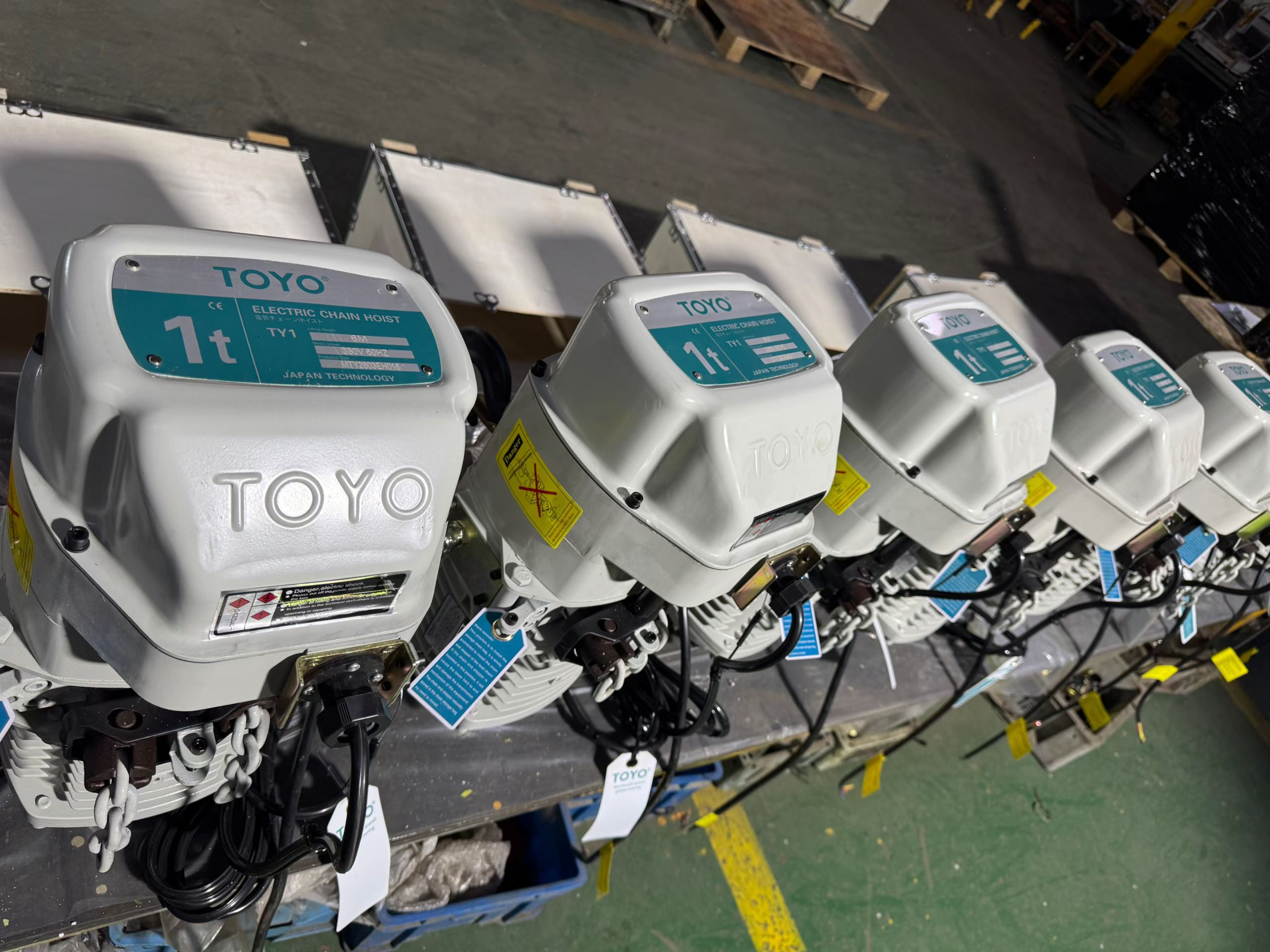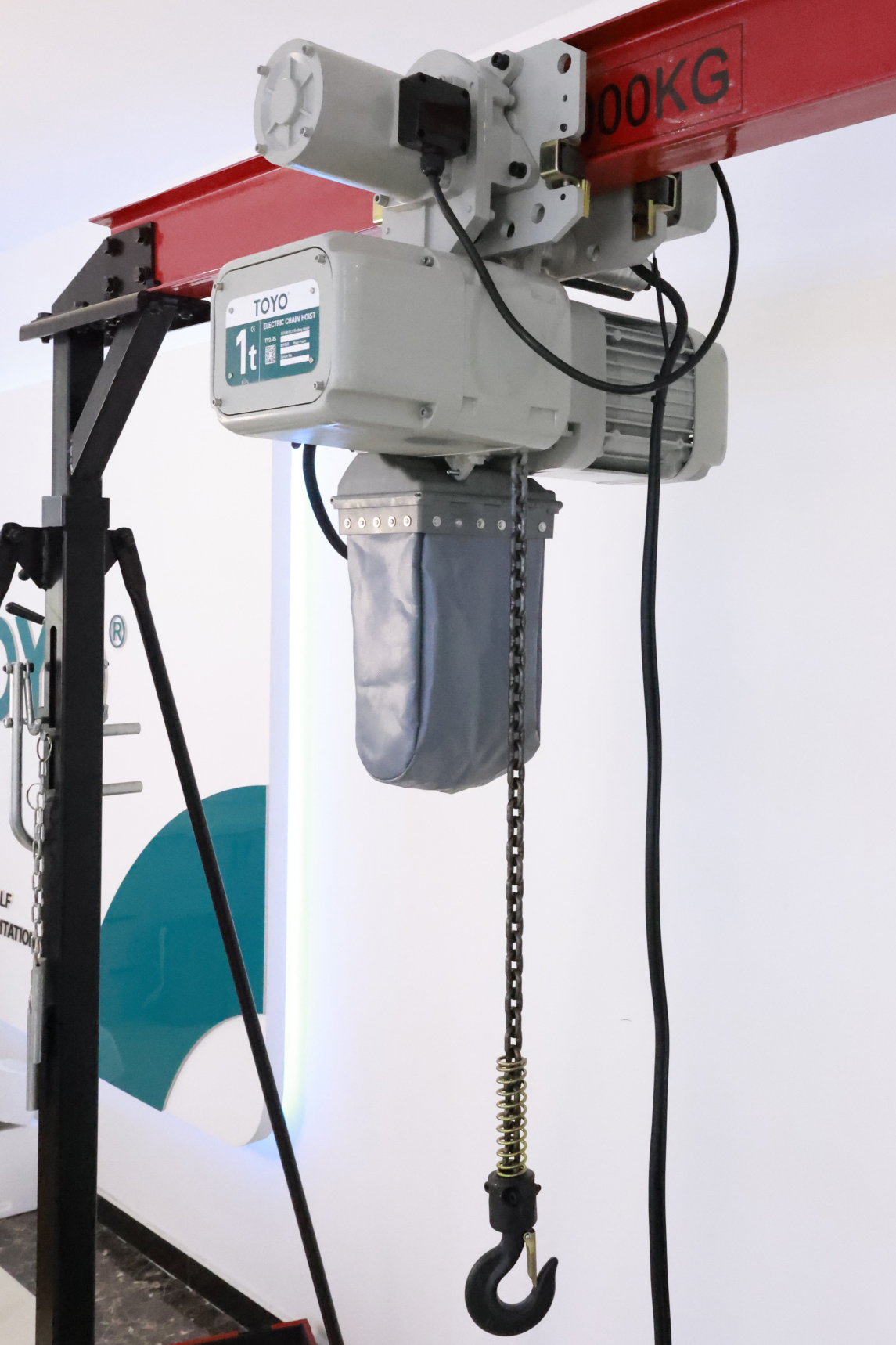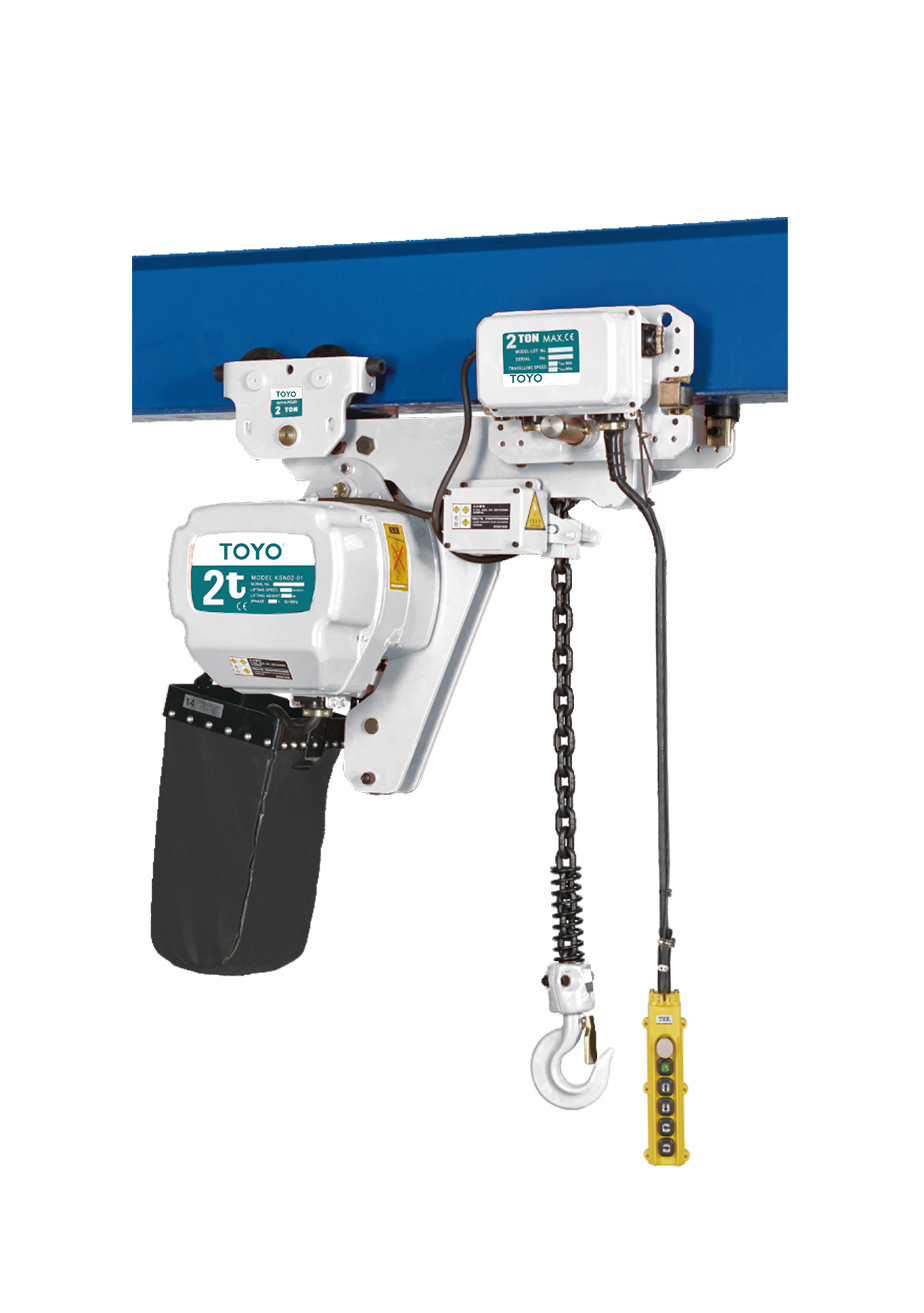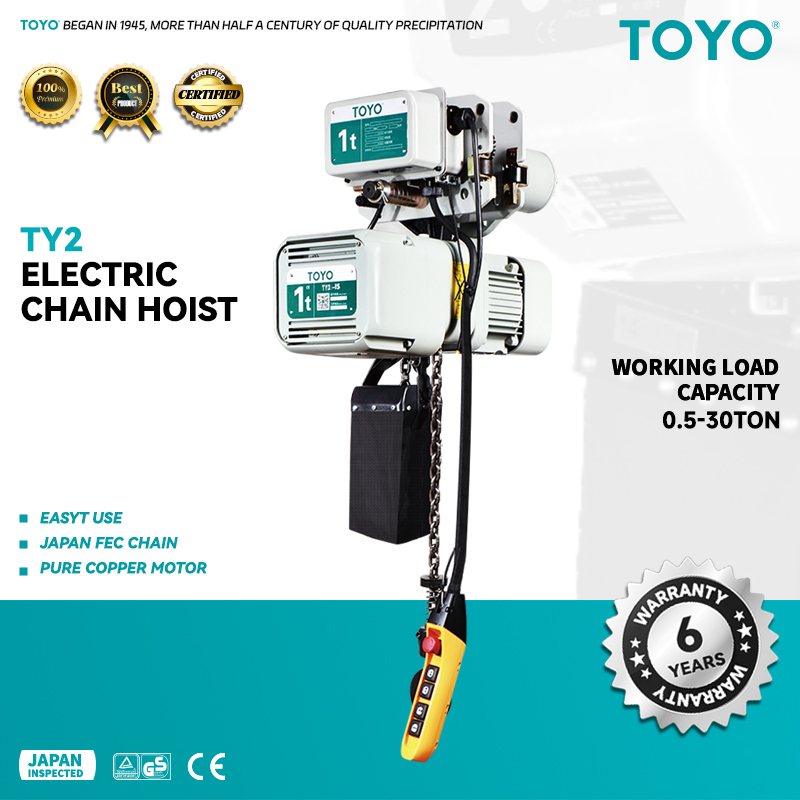
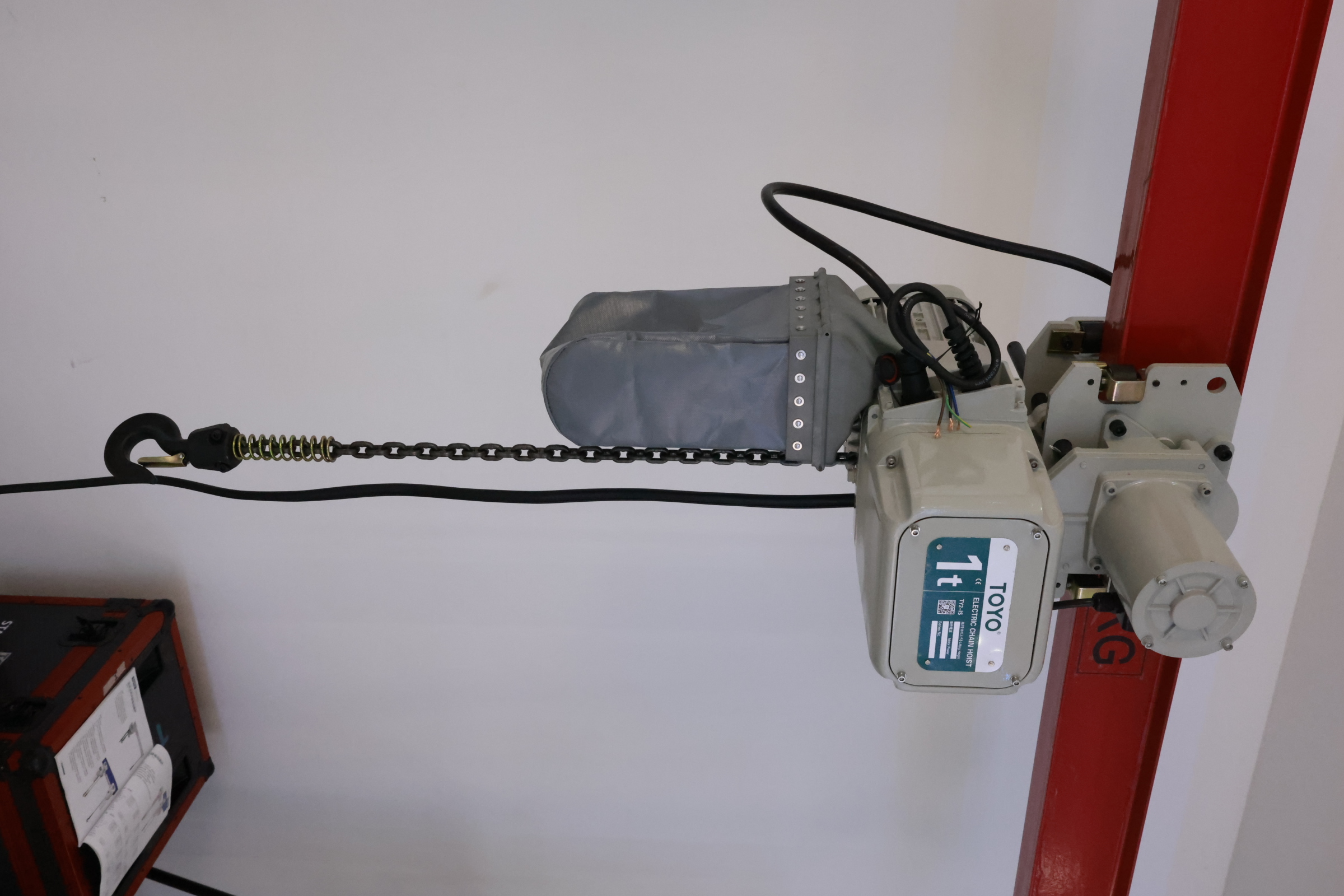
When purchasing an electric chain hoist, checking the rated lifting capacity alone is not enough. A hoist nameplate contains important technical information that helps buyers identify the correct model, verify its electrical requirements, and understand its operating limits.
For distributors, importers, engineers, and industrial equipment buyers, knowing how to read an electric chain hoist nameplate can help prevent specification mismatches and reduce installation and operating risks.
In this guide, TOYO explains eight key specifications commonly found on electric chain hoist nameplates and what buyers should check before placing an order.
1. Rated Lifting Capacity (WLL)
Rated lifting capacity, also known as Working Load Limit (WLL), indicates the maximum load that the hoist is designed to lift under its specified operating conditions.
Common electric chain hoist capacities include:
-
0,5 tonelada
-
1 tonelada
-
2 Toneladas
-
3 Toneladas
-
5 Toneladas
-
10 toneladas
When checking the rated capacity, buyers should consider the actual weight of the load, lifting accessories, and the requirements of the complete lifting system.
Never exceed the rated capacity indicated on the hoist nameplate. If the required load exceeds the available capacity, select a suitable higher-capacity model rather than overloading the equipment.
Explore o TOYO Electric Chain Hoist Range to learn about available lifting capacities and configurations.
2. Altura de elevação
Lifting height refers to the vertical distance through which the hoist can raise or lower a load.
Common configurations include:
-
3 metros
-
6 metros
-
9 meters
-
12 metros
-
Customized lifting heights
The required lifting height depends on the building structure, working area, and maximum vertical travel needed for the application.
Buyers should also consider the available headroom and hook approach distance when planning installation. Proper installation space helps ensure that the hoist operates safely and efficiently.
For applications requiring different lifting configurations, you can also explore TOYO Wire Rope Electric Hoists.
3. Lifting Speed
Lifting speed indicates how quickly the hoist raises or lowers a load, usually expressed in meters per minute (m/min).
Electric chain hoists may feature:
-
Single-speed operation
-
Dual-speed operation
-
Variable-speed operation
Single-speed models are suitable for general material handling, while dual-speed and variable-speed configurations offer greater control for applications requiring accurate load positioning.
When selecting lifting speed, consider the load weight, working frequency, positioning accuracy, and production requirements.
For customized lifting requirements, visit our OEM & Customization Service to learn more about available product customization options.
4. Power Supply: Voltage, Phase, and Frequency
Electrical specifications are essential when purchasing an electric chain hoist for an industrial facility.
The nameplate may indicate:
-
Tensão nominal (V)
-
Number of phases (1-phase or 3-phase)
-
Frequency (Hz)
For example, common industrial power configurations include 220V or 380V, with 50Hz or 60Hz frequency, depending on the destination market and equipment configuration.
Before ordering, buyers should confirm that the hoist’s electrical specifications match the local power supply.
An incorrect voltage or frequency selection may affect motor performance, electrical components, and equipment operation.
If you are sourcing electric chain hoists for international projects, provide your local power supply requirements when requesting a quotation from TOYO.
5. Motor Power and Duty Classification
Motor power is generally expressed in kilowatts (kW). It indicates the rated power of the electric hoist motor.
However, motor power alone does not determine whether a hoist is suitable for a particular application.
Buyers should also check the duty classification, which indicates the intended operating conditions and service intensity of the equipment.
Depending on the applicable design standard, duty classifications may include FEM or ISO classifications.
Ao selecionar um guincho, tenha em conta:
-
Average operating time per day
-
Número de ciclos de elevação
-
Average load handled
-
Load spectrum
-
Starting frequency
A hoist used occasionally in a maintenance workshop may require a different duty rating from one operating continuously on a production line.
Always verify the duty classification against the manufacturer’s technical documentation.
6. Chain Falls and Chain Specifications
Chain configuration affects the lifting mechanism and the way loads are handled.
Electric chain hoists are available in different chain-fall configurations, depending on the rated capacity and model design.
Buyers should check:
-
Number of chain falls
-
Load chain diameter
-
Load chain grade and material
-
Chain container configuration
The load chain must be compatible with the specific hoist model. Never replace it with an unapproved chain based only on similar dimensions.
Regular inspection is also important for identifying wear, deformation, and other potential chain defects. Always follow the manufacturer’s inspection and replacement recommendations.
For more information about lifting equipment quality and inspection, visit our Garantia de qualidade page.
7. Protection Rating and Operating Environment
The IP (Ingress Protection) rating indicates the degree of protection provided by an electrical enclosure against solid particles and water ingress under standardized test conditions.
This specification is particularly important for hoists operating in environments where dust, moisture, or water exposure may occur.
Before purchasing, buyers should evaluate:
-
Indoor or outdoor installation
-
Dust exposure
-
Moisture and humidity
-
Ambient temperature
-
Corrosive or hazardous environmental conditions
The required protection level depends on the installation environment and the manufacturer’s available configurations.
For special applications, confirm the complete environmental suitability with the manufacturer rather than relying on the IP rating alone.
You can also learn about TOYO’s Product Testing Procedures to understand our approach to product inspection and testing.
8. Model Number, Serial Number, and Manufacturer Information
The model number and serial number are essential for product identification and after-sales support.
They help buyers and maintenance teams:
-
Identify the exact hoist configuration
-
Request the correct spare parts
-
Obtain the corresponding operation manual
-
Check product manufacturing information
-
Communicate with the manufacturer about maintenance or technical issues
Before installation, make sure the information on the nameplate matches the product documentation and purchase order.
If the nameplate is damaged or unreadable, contact the manufacturer for assistance instead of guessing the equipment specifications.
Why Should Buyers Check the Nameplate Before Purchasing?
For international distributors, engineering contractors, and industrial equipment procurement teams, checking the nameplate is an important part of technical verification.
A proper nameplate review helps to:
-
Confirm that the lifting capacity matches the application.
-
Verify that the power supply is compatible with the installation site.
-
Check the lifting height and speed requirements.
-
Confirm the operating duty classification.
-
Identify the correct chain configuration.
-
Verify environmental suitability.
-
Match the equipment with its technical documents.
-
Support future maintenance and spare parts procurement.
For bulk orders, buyers should request the manufacturer’s technical datasheets and confirm the specifications of each model before shipment.
Choose TOYO Electric Chain Hoists for Your Industrial Lifting Applications
TOYO provides electric chain hoists for factories, warehouses, workshops, construction projects, and other industrial material handling applications.
Our product range includes different configurations to meet various lifting capacities, lifting heights, and installation requirements.
Whether you are sourcing electric chain hoists for distribution, machinery manufacturing, or industrial projects, our team can help you identify suitable configurations based on your technical requirements.
Explore a nossa TOYO Electric Chain Hoist Range to learn more about available models.
You can also learn more about our Garantia de qualidade, Teste de produtose Serviços OEM e de personalização.
Need technical specifications or a quotation?
Contact TOYO at info@toyo-industry.com ou visite o nosso Contact Page.
Perguntas frequentes (FAQ)
1. What information can I find on an electric chain hoist nameplate?
A typical electric chain hoist nameplate may include rated lifting capacity, lifting height, lifting speed, motor power, voltage, phase, frequency, manufacturer information, and model or serial number. The exact information varies by model.
2. Is rated capacity the same as working load limit (WLL)?
In general, rated capacity refers to the maximum load the hoist is designed to lift under specified conditions. WLL is the working load limit used to identify the permitted load. Always follow the terminology and limits specified by the manufacturer.
3. How do I choose the correct voltage for an electric chain hoist?
Check the electrical supply available at the installation site, including voltage, phase, and frequency. Confirm that all these parameters match the hoist’s nameplate and technical documentation before ordering.
4. What does IP rating mean on an electric hoist?
IP rating indicates the protection provided by an electrical enclosure against the ingress of solid particles and water. It helps buyers evaluate whether the equipment is suitable for the intended working environment.
5. Why is the duty classification important?
Duty classification describes the operating conditions and service intensity for which the hoist is designed. It helps buyers determine whether a model is suitable for occasional lifting or more intensive industrial operations.
6. Can I use a different load chain if the diameter is the same?
No. Matching the diameter alone does not guarantee compatibility. The replacement chain must meet the manufacturer’s specified material, grade, dimensions, and mechanical requirements.
7. Where can I obtain the technical datasheet for a TOYO electric chain hoist?
You can contact TOYO directly with the model number and required specifications. Our team can help provide the relevant product information and technical documentation.
8. Should I check the nameplate before installing an electric chain hoist?
Yes. Verify the rated capacity, power supply, lifting height, and other relevant specifications against the purchase order, technical datasheet, and installation requirements before putting the equipment into service.