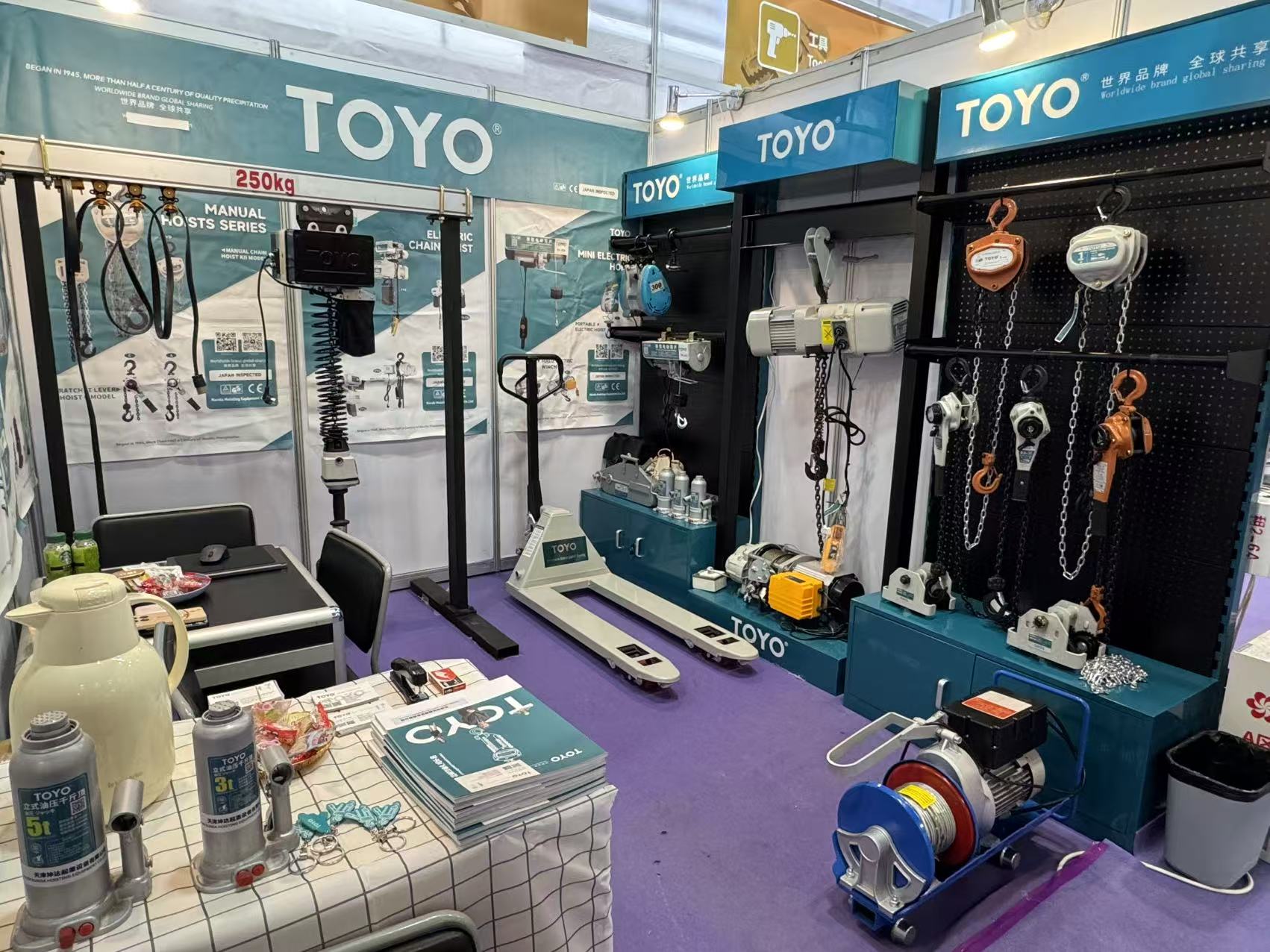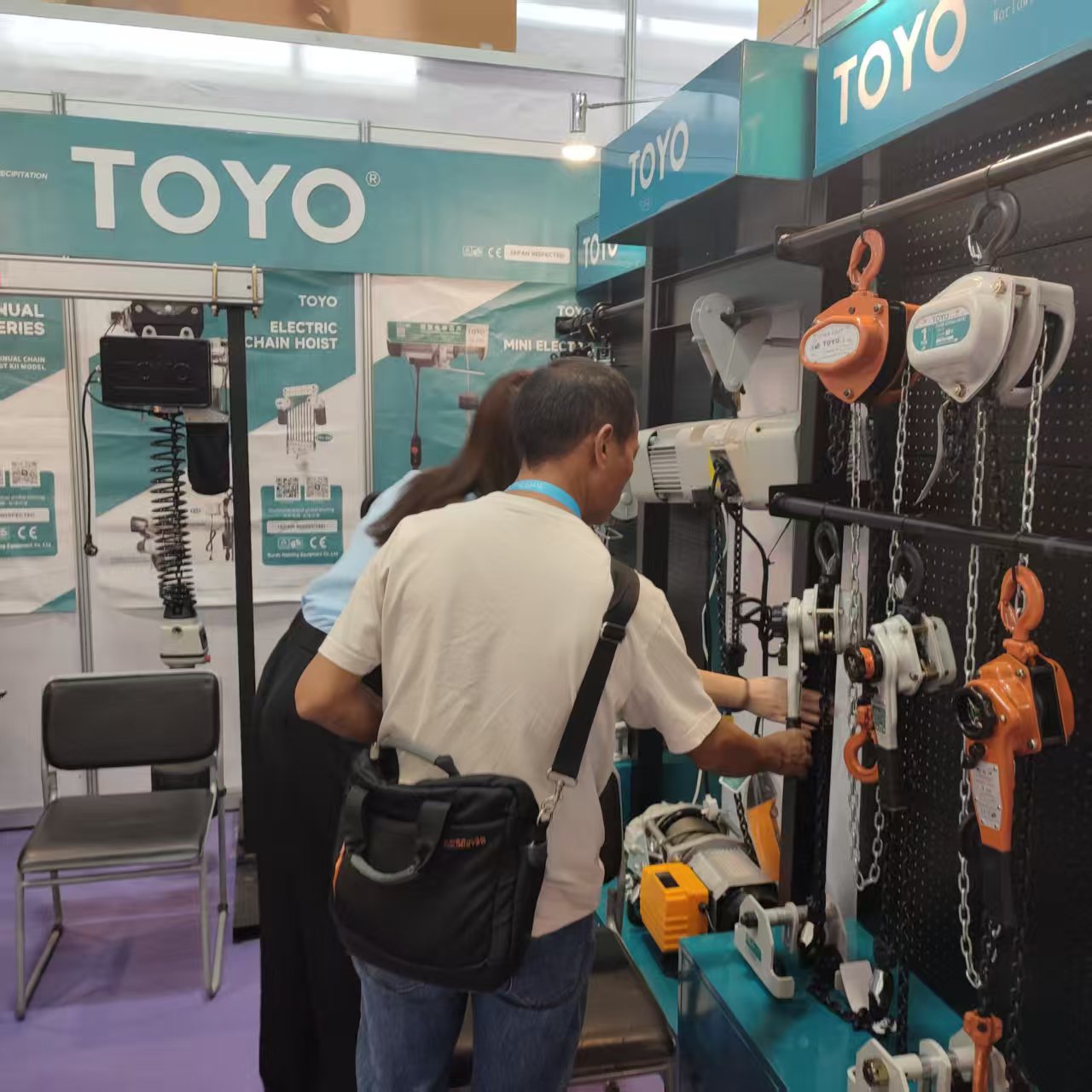
What Is an Electric Chain Hoist and How Does It Work?
An electric chain hoist is a mechanical device designed to lift, lower, and position heavy loads with precision and minimal manual effort. Unlike manual chain blocks, it uses an electric motor to drive a chain through a set of gears, converting rotational energy into linear lifting motion. These hoists are widely used in manufacturing plants, construction sites, warehouses, and shipyards across South America, Russia, Southeast Asia, the Middle East, and South Africa. In Saudi Arabia, they play a critical role in oil and gas facilities, logistics hubs, and infrastructure projects aligned with Vision 2030.
Key Components and Operating Mechanism Explained
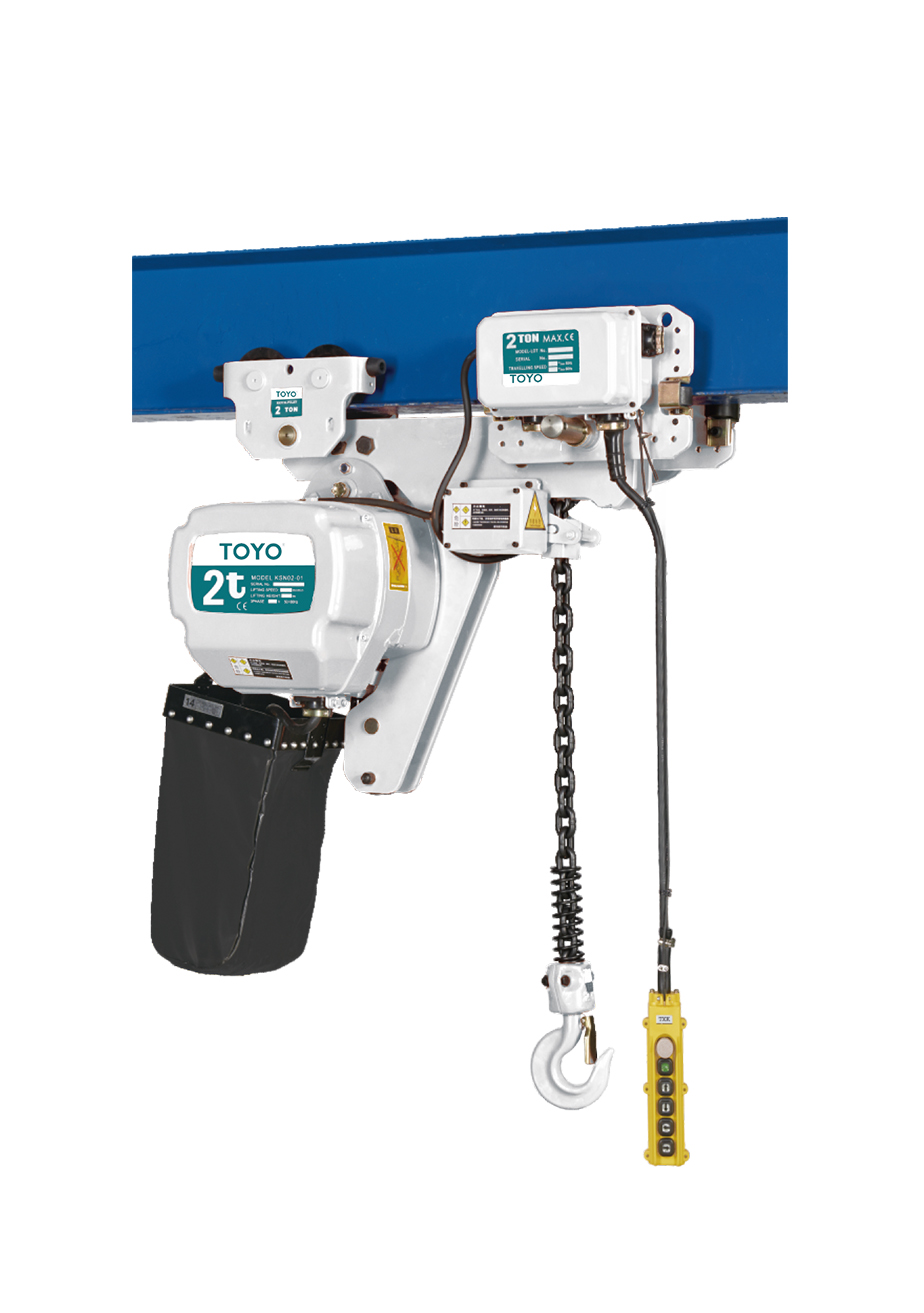
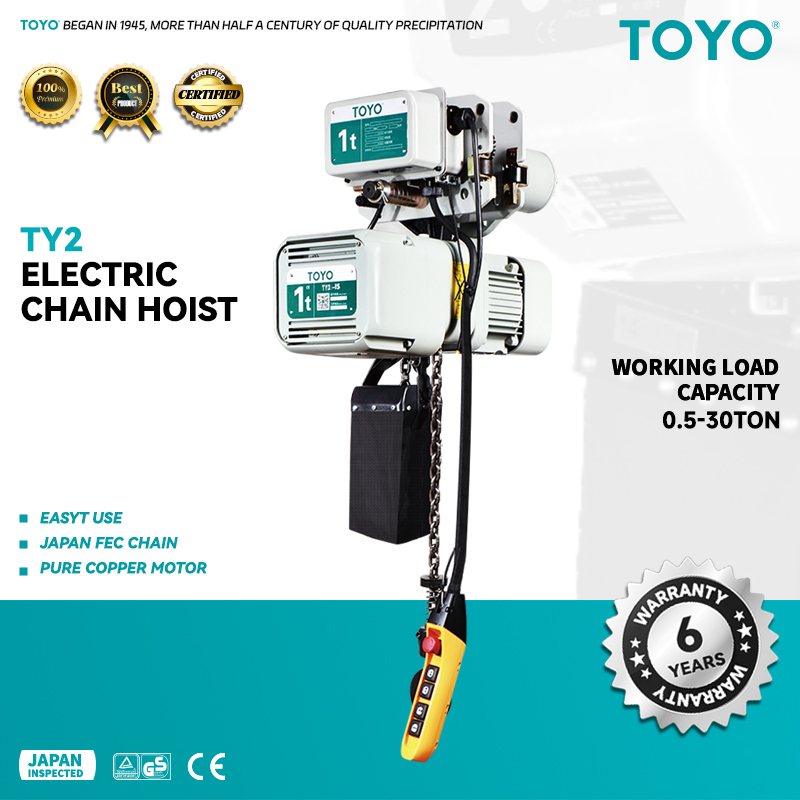
The core components of an electric chain hoist include the motor (single-phase or three-phase), gearbox, load chain, sprocket, hook assembly, brake system, and control pendant or remote. The motor, typically an induction or servo motor, spins at high speed. The gearbox reduces this speed while multiplying torque, driving the sprocket that engages with the precision-welded load chain. As the sprocket turns, it pulls the chain upward or feeds it downward, moving the attached load hook. A fail-safe electromagnetic brake automatically engages when power is cut, holding the load securely in place.
Modern hoists incorporate limit switches that prevent over-travel, emergency stop functions, and overload clutches that slip if the load exceeds rated capacity. The control system can be a wired pendant with push buttons or a wireless remote for operator safety. In 2026, many hoists feature variable frequency drives (VFDs) that allow smooth acceleration and deceleration, reducing wear on components and improving positioning accuracy.
Step-by-Step Guide to Safe Operation for Beginners
Operating an electric chain hoist safely requires discipline and regular checks. Here's a practical guide:
- Inspect the hoist before each shift: check the chain for wear, elongation, or corrosion; verify the hook latch functions; test the brake by lifting a light load briefly.
- Confirm the load weight and ensure it does not exceed the hoist's rated capacity. Always account for rigging accessories.
- Attach the hook securely to the load's designated lifting point, ensuring the load is balanced and the chain is vertical. Avoid side pulls or wrapping the chain around objects.
- Lift slowly initially to tension the chain and check stability. Never stand under a suspended load.
- Use smooth, controlled movements. For hoists with dual-speed, use low speed for precise positioning.
- After use, lower the load completely, disconnect power, and store the pendant safely.
I recall training a team at a logistics center in Dammam where operators initially ignored pre-shift inspections. After a minor chain jam, we implemented a mandatory checklist, and downtime dropped by 40% over six months. This simple change reinforced how routine checks can prevent major disruptions.
Latest Safety Features in 2026 Electric Chain Hoists
Safety technology has advanced significantly. In 2026, electric chain hoists come with IoT-enabled overload sensors that not only stop the hoist but also log the event for analysis. Automatic emergency braking systems now react in milliseconds if overspeed or phase loss is detected. Some models feature built-in thermal sensors that monitor motor temperature and automatically pause operation to prevent burnout. Anti-collision systems using ultrasonic or LiDAR sensors are becoming standard in multi-hoist installations. Additionally, remote monitoring allows safety managers to track usage patterns and receive alerts on their smartphones. These innovations align with global standards like ISO 2374 and SASO regulations in Saudi Arabia.
How to Choose the Right Electric Chain Hoist for Saudi Arabian Industries?
Selecting the right electric chain hoist in Saudi Arabia involves evaluating your facility's power infrastructure, load requirements, and operational environment. The Kingdom's industrial landscape is diverse, from petrochemical plants in Jubail to construction projects in NEOM, each demanding specific lifting solutions.
Single-Phase vs. Three-Phase: Which Suits Your Facility?
The choice between single-phase and three-phase power is often dictated by your building's electrical supply. In Saudi Arabia, small workshops and commercial spaces typically have 230V single-phase 60Hz, while industrial facilities are equipped with 400V three-phase 60Hz. Single-phase hoists are compact, easy to install, and sufficient for capacities up to 1,000kg. They suit intermittent use in maintenance shops or light assembly. Three-phase hoists deliver higher efficiency, support continuous duty cycles, and handle capacities from 500kg to over 50,000kg. They also allow for dual-speed or VFD control, essential for precise load handling in manufacturing.
Here's a quick comparison to help you decide:
| Tính năng | Single-Phase Hoist | Three-Phase Hoist |
|---|---|---|
| Power Supply (Saudi) | 230V, 60Hz | 400V, 60Hz |
| Phạm vi công suất tiêu biểu | 125kg – 1,000kg | 500kg – 50,000kg+ |
| Tỷ lệ làm việc | Intermittent (e.g., 20% ED) | Continuous (up to 60% ED or more) |
| Speed Options | Single speed | Dual speed or VFD |
| Mức độ phức tạp khi cài đặt | Plug-and-play | Requires professional wiring |
| Chi phí ban đầu | Thấp hơn | Cao hơn |
| Long-term Energy Cost | Higher per lift | Lower per lift |
In my experience, a Jeddah-based packaging company initially opted for a single-phase hoist to save on installation costs. However, as their production volume grew, the motor overheated during extended shifts. Switching to a three-phase model not only eliminated downtime but also improved lifting speed by 25%. This transition paid for itself within eight months through increased throughput.
Matching Load Capacity, Lift Height, and Speed to Your Needs
Start by determining the maximum weight you need to lift, including any below-the-hook devices. Always apply a safety factor—typically 1.25 for standard applications, 1.5 for hazardous environments. Lift height is measured from the floor to the highest hook position; standard hoists offer 3m to 12m, but custom heights are available. Lifting speed impacts cycle times: single-speed hoists operate at 4-8 m/min, while dual-speed models offer a slow speed (1-2 m/min) for precise positioning and a fast speed (6-12 m/min) for rapid travel. For high-bay warehouses in Riyadh, I often recommend hoists with VFDs to adjust speed dynamically based on load weight, optimizing both safety and efficiency.
Top 5 Electric Chain Hoist Models for Saudi Applications in 2026
Based on market demand and performance in Saudi conditions, here are five recommended configurations:
- Toyo PA-500 – A 500kg capacity single-phase hoist, ideal for light workshops and maintenance. Compact design with 6m standard lift.
- Toyo PB-1000 – 1,000kg three-phase hoist with dual speed, perfect for assembly lines and small warehouses.
- Toyo PC-2000 IoT – 2,000kg heavy-duty hoist with integrated IoT monitoring, suited for continuous manufacturing environments.
- Toyo Mini Electric Hoist – For loads under 250kg, this tời xích mini offers portability and ease of use for small-scale lifting tasks.
- Toyo PD-5000 – 5,000kg industrial hoist with VFD and advanced safety features, designed for construction and oil & gas sectors.
Each model can be customized with options like extended lift height, spark-resistant hooks for hazardous areas, and wireless remote control. Always verify that the model complies with SASO standards and comes with local after-sales support.
What Are the Common Mistakes When Buying Electric Chain Hoists in Saudi Arabia?
Purchasing an electric chain hoist without considering local specifics can lead to costly failures. Drawing from my field observations in Saudi Arabia, here are three critical mistakes and how to avoid them.
Ignoring Local Power Standards (Voltage/Frequency)
Saudi Arabia operates on a 60Hz frequency for both residential and industrial power. Many hoists imported from Europe or parts of Asia are designed for 50Hz. Running a 50Hz motor on 60Hz increases its speed by 20%, which can cause overheating, insulation breakdown, and premature bearing failure. Even if the voltage matches (e.g., 230V single-phase), the frequency mismatch is often overlooked. I once audited a facility in Riyadh where a batch of German-made hoists failed within six months because the motors were rated for 50Hz. The replacement cost and production losses exceeded SAR 200,000. Always check the nameplate and, if necessary, request a motor rated for 60Hz or a VFD that can adjust the output frequency.
Underestimating Maintenance and Spare Parts Availability
In the Saudi market, some international brands lack local distributors or hold minimal spare parts inventory. A hoist breakdown can halt an entire production line. I recall a logistics company in Jeddah that purchased a low-cost Asian brand with no local agent. When the brake coil failed, they waited eight weeks for a replacement part, incurring massive downtime costs. In contrast, companies that choose brands with Saudi-based service centers and readily available spares often resolve issues within 24 hours. Before buying, ask for the distributor's service level agreement (SLA), typical response time, and parts stock list. A little due diligence upfront prevents logistical nightmares later.
Ưu tiên giá thấp hơn tổng chi phí sở hữu
A cheap hoist may seem attractive, but inferior components lead to higher energy consumption, frequent repairs, and safety risks. During a cost analysis for a Dammam manufacturing plant, I compared a budget 2,000kg hoist with a mid-range model. The budget option cost SAR 8,000 initially, while the mid-range was SAR 12,000. Over three years, the budget hoist required SAR 6,000 in repairs and consumed 15% more electricity, resulting in a total cost of SAR 14,000 plus production interruptions. The mid-range hoist, with its efficient motor and durable chain, had zero unplanned downtime and a total cost of SAR 12,800. Investing in quality pays off quickly and ensures operational continuity.
How Much Does an Electric Chain Hoist Cost in Saudi Arabia in 2026?
Understanding the cost structure of electric chain hoists helps you budget accurately and justify the investment. Prices in Saudi Arabia vary based on capacity, brand, features, and compliance requirements.
Price Breakdown by Capacity, Brand, and Features
Here's a general price range for standard electric chain hoists in the Saudi market (prices in SAR, inclusive of basic pendant control and 3m lift height):
| Tải trọng | Economy Brands | Mid-Range (e.g., Toyo) | Premium Brands |
|---|---|---|---|
| 250 – 500 kg | 2,000 – 4,000 | 3,500 – 6,000 | 5,000 – 10,000 |
| 1,000 – 2,000 kg | 5,000 – 10,000 | 8,000 – 15,000 | 12,000 – 25,000 |
| 3,000 – 5,000 kg | 12,000 – 20,000 | 18,000 – 35,000 | 30,000 – 50,000 |
| 10,000 kg and above | 35,000+ | 45,000+ | 60,000+ |
Features like dual speed, VFD, IoT connectivity, extended lift height, or explosion-proof ratings can add 20% to 50% to the base price. For ultra-light applications, a tời xích mini can cost as little as SAR 1,200, making it an accessible entry point for small businesses.
Calculating ROI: Productivity vs. Investment Analysis
A faster, more reliable hoist directly impacts productivity. Assume a warehouse using a 1,000kg hoist for 100 lifts per day. A single-speed hoist averaging 6 m/min might complete a lift cycle in 2 minutes, while a dual-speed model with 10 m/min fast speed reduces it to 1.5 minutes. That 30-second saving per cycle translates to 50 minutes saved daily—over 200 hours annually. At a labor cost of SAR 40 per hour, the annual saving is SAR 8,000, often covering the price difference within a year. Additionally, reduced downtime and lower maintenance costs enhance ROI. When I present this analysis to clients, the long-term benefits usually outweigh the initial price hesitation.
Hidden Expenses: Installation, Energy, and Compliance Costs
Beyond the purchase price, consider installation: three-phase hoists may require a dedicated circuit, breaker, and certified electrician, costing SAR 1,500 – 4,000. Structural supports like steel beams or trolleys can add SAR 2,000 – 10,000. Energy consumption: a 2kW motor running 2,000 hours per year at SAR 0.32/kWh costs SAR 1,280 annually; an energy-efficient IE4 motor could cut that by 15%. Compliance costs: SASO certification and periodic inspections (every 12 months) by an approved body can cost SAR 500 – 1,000 per inspection. In a recent project in Jubail, the client overlooked these compliance fees and faced a penalty during a safety audit. Budgeting for the full lifecycle cost prevents such surprises.
What Are the Latest Trends in Electric Chain Hoist Technology for 2026?
The lifting equipment industry is embracing digitalization, sustainability, and regional market shifts. Here's what's shaping the electric chain hoist landscape in 2026.
IoT-Enabled Smart Hoists and Predictive Maintenance
Smart hoists equipped with sensors for load, vibration, temperature, and cycle count are now mainstream. Data is transmitted via Wi-Fi or 5G to cloud platforms where machine learning algorithms detect anomalies and predict component failures. For example, a hoist can alert you that the brake lining is wearing out before it fails, allowing scheduled replacement. In Saudi Arabia, where remote oil and gas sites often lack on-site technicians, predictive maintenance reduces costly emergency call-outs. I recently witnessed a demo at a Riyadh trade show where a smart hoist automatically ordered a replacement chain via the supplier's portal—streamlining the supply chain. This level of automation will redefine maintenance workflows in the coming years.
Energy-Efficient Motors and Green Lifting Initiatives
With global emphasis on carbon reduction, hoist manufacturers are adopting IE4 and IE5 super-premium efficiency motors. Regenerative braking technology captures energy during lowering and feeds it back into the grid or uses it for the next lift. Lightweight materials like high-strength aluminum alloys reduce the hoist's own weight, saving energy during trolley travel. In Saudi Arabia, the Saudi Green Initiative and circular carbon economy goals encourage industries to invest in energy-efficient equipment. Choosing a green hoist can also qualify your facility for government incentives or improve your ESG rating, a growing concern for international investors.
How Saudi Vision 2030 Is Shaping Industrial Equipment Demand
Saudi Vision 2030's massive infrastructure projects—NEOM, the Red Sea Project, Qiddiya, and new logistics hubs—are driving unprecedented demand for advanced material handling equipment. The government's push for industrial localization (Made in Saudi) is also creating opportunities for local assembly and distribution partnerships. As a result, global hoist manufacturers are expanding their presence in the Kingdom, offering faster delivery and localized features. For buyers, this means more choices, better support, and competitive pricing. I've noticed a 30% increase in inquiries for high-capacity smart hoists from Saudi contractors in the past year alone, signaling a robust market shift toward automation and reliability.
Where to Find Reliable Electric Chain Hoist Suppliers and Resources in Saudi Arabia?
Finding a trustworthy supplier is as important as choosing the right hoist. Here's how to navigate the Saudi market effectively.
Checklist for Vetting Authorized Distributors and Agents
Before committing, run through this checklist:
- Official Authorization : Ask for a certificate of distributorship from the manufacturer. Cross-check on the manufacturer's website.
- Local Inventory : Does the distributor stock hoists and critical spare parts in Saudi? This drastically reduces lead times.
- Service Response Time : Inquire about their SLA—ideally, they should offer on-site support within 24 hours in major cities like Riyadh, Jeddah, and Dammam.
- Technical Expertise : Do they provide installation, load testing, and operator training? A competent partner adds long-term value.
- Customer References : Request contacts of existing clients in similar industries. A quick call can reveal real-world performance.
- Compliance Knowledge : They should be well-versed in SASO standards, SEC wiring regulations, and local safety codes.
In my consulting work, I always advise clients to visit the distributor's facility if possible. On one occasion, a client in Dammam discovered that a so-called "authorized agent" had no physical stock and was drop-shipping from abroad—leading to a 10-week delay. A site visit confirmed the risk and saved the project from a costly mistake.
Top Online B2B Platforms and Upcoming Trade Shows
Online platforms can be a starting point for research:
- Alibaba.com – Filter suppliers by "Saudi Arabia" or "Middle East" presence, but verify credentials independently.
- Tradekey.com – A popular B2B portal with a strong base of Middle Eastern industrial suppliers.
- Saudi Business Directory (SaudiaYP) – Lists local distributors with contact details.
However, face-to-face meetings at trade shows build trust. Upcoming 2026 events include:
- Saudi Build 2026 (Riyadh, October) – The largest construction and building technology exhibition in the Kingdom.
- Saudi Logistics & Warehousing Expo (Jeddah, March) – Focused on material handling and supply chain equipment.
- MEP Saudi 2026 (Dammam, May) – Mechanical, electrical, and plumbing show where many hoist suppliers exhibit.
Free Digital Tools: Hoist Load Calculators and Selection Software
Before contacting a supplier, use free online tools to narrow down your requirements. Reputable manufacturers like Toyo offer web-based load calculators where you input parameters like load weight, lift height, speed preference, and power supply, and the tool recommends suitable models. This saves time and ensures you're comparing apples to apples. I often share the tời xích mini selection guide with small business owners to help them understand if a compact hoist meets their needs. Additionally, some platforms provide 3D CAD models and BIM files for integration into building designs—a valuable resource for engineers working on Saudi megaprojects.
Your lifting operations deserve equipment that matches the ambition of Saudi Arabia's growing economy. Whether you're moving steel beams in NEOM or managing a busy warehouse in Jeddah, the right electric chain hoist boosts safety, efficiency, and your bottom line. Don't leave your choice to chance—leverage the insights, tools, and local expertise available in 2026. Explore Toyo's comprehensive range, from heavy-duty industrial hoists to the versatile tời xích mini , and connect with our authorized Saudi distributors for a tailored consultation. Use our free selection software to build your ideal specification, and schedule a live demo at your facility. Take the first step toward smarter lifting today.
Tài liệu tham khảo
- Saudi Vision 2030 Industrial Development Program
- ISO 2374:2022 Lifting Appliances — Basic Ratings
- Saudi Electricity Company Technical Standards for Industrial Connections
- Global Electric Hoist Market Report 2025, Grand View Research
- Material Handling Industry (MHI) Annual Report 2025
- Tổ chức Tiêu chuẩn, Đo lường và Chất lượng Ả Rập Xê Út (SASO)
- OSHA Guidelines for Overhead Hoists