Аннотация
Исследование закупок промышленного подъемного оборудования показывает, что выбор электрической лебедки - это решение, имеющее огромное значение для безопасности, эффективности и долгосрочной финансовой устойчивости. Этот документ представляет собой систематическое исследование критических точек проверки, необходимых перед покупкой. Он выходит за рамки поверхностного сравнения характеристик и переходит к глубокому анализу основополагающих принципов, включая физику управления нагрузкой, нюансы электрической интеграции и материаловедение подъемных средств. Анализ раскрывает понятия предельной рабочей нагрузки, коэффициентов безопасности и классификации рабочих циклов, рассматривая их в контексте различных глобальных промышленных условий, от южноамериканских шахт до производственных предприятий Юго-Восточной Азии. В нем оценивается влияние агрессивных факторов окружающей среды и необходимость использования специальных механических и защитных элементов. Предоставляя структурированную, состоящую из семи пунктов систему проверки, данное руководство призвано дать инженерам, менеджерам по закупкам и руководителям объектов необходимые знания, чтобы сделать обоснованные, ответственные и оптимальные инвестиции в электрическую лебедку.
Основные выводы
- Всегда проверяйте грузоподъемность подъемника, сравнивая ее с планируемой тяжестью, включая все такелажные приспособления.
- Подберите напряжение, фазу и частоту подъемника в соответствии с характеристиками электросети вашего предприятия.
- Выберите классификацию рабочего цикла, которая точно отражает интенсивность и частоту работы.
- Выбор правильной электрической лебедки - это основополагающий шаг для безопасной и эффективной работы.
- Оцените условия эксплуатации, чтобы определить такие потребности, как коррозионная стойкость или взрывозащищенность.
- Убедитесь, что подъемник соответствует международным стандартам, таким как ISO и ASME.
- Оцените послепродажную поддержку производителя'по запчастям, сервису и технической помощи.
Оглавление
- Проверка грузоподъемности и коэффициента безопасности
- Выровняйте источник питания и систему управления
- Исследуйте грузоподъемное средство: Цепь против каната
- Определите правильный рабочий цикл и классификацию обслуживания
- Оценка оперативной обстановки
- Оцените механические характеристики и безопасность
- Убедитесь в поддержке и соответствии требованиям производителя
- Часто задаваемые вопросы (FAQ)
- Заключение
- Ссылки
Решение о приобретении новой электрической лебедки для вашего производства - это не просто сделка, это акт принятия на себя ответственности. Этот механизм станет центральной артерией в вашем рабочем процессе, механическим партнером, которому доверяют огромные грузы, и гарантом безопасности вашей команды'. Неправильный выбор - это в лучшем случае неэффективность, а в худшем - катастрофа. Поэтому процесс выбора требует практической мудрости, вдумчивого изучения не только того, на что способна машина, но и того, как она согласуется с конкретными реалиями вашей работы. Данное руководство предлагает семикратный путь проверки, структурированный контрольный список, призванный привести вас из состояния неопределенности в состояние уверенной ясности, гарантируя, что выбранная вами электрическая лебедка будет не просто инструментом, а правильным инструментом.
Проверка грузоподъемности и коэффициента безопасности
Первый и самый неоспоримый контрольный пункт на вашем пути выбора касается фундаментального вопроса прочности. Сколько может поднять подъемник, и какой запас прочности заложен в эту способность? Непонимание этих понятий означает, что безопасность работы строится на песчаном фундаменте. Цифры, выбитые на подъемнике, - это не рекомендации; это физические законы, регулирующие его использование, и они требуют нашего глубочайшего уважения и понимания.
Непреклонный закон WLL (предельной рабочей нагрузки)
Каждое подъемное устройство, от простейших ручных цепных талей до сложных электрических лебедок, имеет предел рабочей нагрузки (WLL). Это значение, также известное как номинальная грузоподъемность, представляет собой максимальную массу, которую подъемное устройство способно поднять в обычных условиях эксплуатации. Это абсолютный предел. Относиться к WLL как к цели, которую нужно время от времени превышать, - опасное заблуждение в машиностроении. Думайте о нем не как о цели, а как о священной границе. WLL тщательно рассчитывается производителем на основе прочности самого слабого компонента на всем пути нагрузки - будь то шестерни, тормоз, крюк или цепь. Это обещание работоспособности, но только в пределах заявленного предела.
Когда вы начинаете поиск, первым фильтром, который вы должны применить, является вес самого тяжелого груза, который вы собираетесь поднимать. Если ваш типичный вес в российском машиностроительном цехе составляет около 1 800 кг, но иногда вам нужно переместить штамп весом 2 500 кг, вам не нужен подъемник весом 2 000 кг. Вам нужен подъемник с WLL не менее 2 500 кг, а скорее всего, и больше, чтобы обеспечить комфортный запас. Ваш выбор должен быть продиктован максимальными, а не средними требованиями. Игнорирование этого принципа - самый распространенный путь к поломке оборудования. WLL - это не руководство к действию; это механический и этический императив.
Разбор фактора безопасности: Маржа для реальности, а не для перегрузки
Под поверхностью WLL скрывается еще одно критическое понятие: расчетный коэффициент, или коэффициент безопасности. Это коэффициент, который представляет собой теоретический запас прочности подъемника. Он рассчитывается путем деления предельной прочности материала на WLL. Для высококачественного подъемного оборудования, такого как электрическая лебедка, расчетный коэффициент составляет 4:1 или 5:1, как это предусмотрено стандартами таких организаций, как Американское общество инженеров-механиков (ASME B30.16, 2020).
Что означает расчетный коэффициент 5:1 для 2-тонного подъемника? Это означает, что несущие компоненты, когда они новые, изготовлены из материалов, которые теоретически могут выйти из строя только при нагрузке в 10 тонн. Заманчиво рассматривать это как скрытый резервуар дополнительной мощности, буфер, позволяющий немного перегрузить оборудование. Этому искушению нужно сопротивляться с полной решимостью. Коэффициент безопасности не для того, чтобы вы им пользовались. Это запас прочности, разработанный инженерами для учета непредсказуемой и несовершенной природы реального мира. Он существует для того, чтобы приспособиться:
- Незначительные, непредвиденные динамические нагрузки, возникающие даже при плавной работе.
- Постепенный, незаметный износ и усталость, которым подвергаются детали между проверками.
- Незначительные отклонения в свойствах материалов или производственных допусках.
- Возможность наличия незначительных, необнаруженных дефектов в компоненте.
Полагаться на фактор безопасности, чтобы оправдать подъем груза больше, чем WLL, - это все равно что управлять автомобилем с красной иглой, полагая, что двигатель, возможно, выдержит некоторое время. Вы активно уменьшаете тот самый запас прочности, который был разработан для защиты вас, вашего груза и вашего персонала от непредвиденных ситуаций. Профессиональный оператор понимает, что коэффициент безопасности - это неотъемлемая часть конструкции подъемника, а не функция, которой можно воспользоваться.
Скрытый вес: Учет такелажа и динамических сил
Объект весом 800 кг не обязательно создает нагрузку на лебедку в 800 кг. Лебедка электрической тали ощущает суммарный вес всего, что подвешено под ее крюком. Это частая и опасная ошибка в расчетах. Общая нагрузка - это вес объекта плюс вес всего такелажного оборудования, используемого для его крепления. В производственном цехе на Ближнем Востоке для подъема большой стальной балки может потребоваться не только ее вес, но и вес мощных цепных строп, кандалов и распорной балки. Этот такелаж может легко добавить сотни килограммов к общей нагрузке.
Рассмотрим практический пример. Вам необходимо поднять деталь машины весом 1 800 кг. Лебедка вашего электрического подъемника имеет WLL 2 000 кг. Кажется, что у вас есть запас в 200 кг. Теперь добавим такелаж:
- Два мощных высокопрочных стропа: общий вес 20 кг
- Четыре больших кандала: 15 кг
- Одна распорная балка для обеспечения стабильного подъема: 150 кг Истинная нагрузка на подъемник теперь составляет 1 800 + 20 + 15 + 150 = 1 985 кг. Ваш буфер исчез.
Кроме того, статический расчет является неполным. В тот момент, когда груз движется, возникают динамические силы. Любое ускорение - запуск подъемника, его остановка или изменение скорости - увеличивает силу, действующую на подъемник. Внезапный, резкий старт может мгновенно увеличить эффективную нагрузку на 30% или более. Нагрузка в 1 985 кг может показаться подъемнику 2 580 кг, что выведет его далеко за пределы допустимой нагрузки и приведет в опасную зону. Плавная, контролируемая работа - важнейший компонент сохранения истинной грузоподъемности лебедки'. Боковая тяга, когда подъемник используется для горизонтального перемещения груза, - это еще одна форма злоупотребления, при которой возникают поперечные силы, на которые подъемник не был рассчитан, что приводит к преждевременному износу и потенциальному выходу из строя (Hopp, 2011).
Чтение идентификационной метки: Свидетельство о рождении Hoist
Вся эта жизненно важная информация не скрывается. Каждая лебедка электрической тали, имеющая хорошую репутацию, должна иметь прочную и разборчивую идентификационную бирку, постоянно прикрепленную к ее корпусу. Эта бирка - свидетельство о рождении лебедки и ее эксплуатационный паспорт. Она содержит информацию, не подлежащую обсуждению:
- Название производителя
- Модель и серийный номер
- Номинальная мощность / WLL
- Детали грузоподъемного средства (размер/ марка цепи или диаметр каната)
- Необходимое напряжение, фаза и частота
Если эта бирка отсутствует, повреждена или нечитаема, подъемник является неизвестным. Он не идентифицирован и не может быть проверен. Согласно стандарту OSHA 1910.179, такое оборудование должно быть немедленно выведено из эксплуатации. Когда вы осматриваете потенциальную электрическую лебедку для покупки, четкость и долговечность этой бирки является признаком качественного производителя. Она свидетельствует о стремлении предоставить информацию, необходимую для безопасной работы в течение всей жизни.
Выровняйте источник питания и систему управления
Электрическая лебедка - это электромеханическое устройство; ее мускулы - электрические, а мозг - система управления. Механическое устройство, идеально соответствующее вашим требованиям к нагрузке, может стать бесполезным или даже опасным из-за несоответствия электрической системы вашему объекту. Эта вторая точка проверки требует диалога между вашими потребностями в подъеме груза и вашей электрической инфраструктурой, гарантируя, что лебедка не просто подключится к сети, а легко и безопасно интегрируется в вашу электросеть.
Напряжение, фаза и частота: Говорим на языке вашей сети
Электричество не является универсальным языком. Электрические сети по всему миру работают с разным напряжением, фазами и частотой. Подъемник, разработанный для североамериканского рынка (например, 460 В, 3-фазный, 60 Гц), не будет работать правильно и, скорее всего, будет поврежден, если его подключить к сети в большей части Европы или Юго-Восточной Азии (например, 380-400 В, 3-фазный, 50 Гц). Это не вопрос для адаптации с помощью простого штепсельного преобразователя; это фундаментальный параметр конструкции двигателя подъемника'.
Прежде чем приступить к выбору модели, необходимо точно знать, какие электрические сети будут доступны в месте установки.
- Напряжение (В): Разность электрических потенциалов. Распространенные промышленные напряжения включают 220/230 В, 380/400/415 В и 460/480 В. Подача на двигатель неправильного напряжения приводит к перегреву, низкой производительности и быстрому выходу из строя.
- Фаза: Большинство промышленных двигателей требуют 3-фазного питания для обеспечения сбалансированной мощности и более высокого КПД. Небольшие, более легкие лебедки могут быть доступны в однофазной конфигурации, подходящей для мастерских без 3-фазного питания, но это менее распространено для настоящей промышленной электрической лебедки.
- Частота (Гц): Частота переменного тока, обычно 50 Гц или 60 Гц. Если двигатель, работающий на частоте 60 Гц, подключить к сети 50 Гц, он будет работать медленнее и сильнее нагреваться, что сократит срок его службы. И наоборот, при работе двигателя 50 Гц от сети 60 Гц он будет работать быстрее, что может привести к перегрузке редуктора и тормозной системы, создавая значительную угрозу безопасности.
Ваш контрольный список должен включать уточнение у электрика вашего объекта' точных спецификаций электропитания. Когда вы обращаетесь к поставщику, эта информация должна быть одной из первых, которую вы предоставите. Авторитетный производитель предложит свои модели электрических лебедок в различных электрических конфигурациях, чтобы удовлетворить потребности глобальных рынков, от Южной Африки до России.
Мозги управления: Подвесные и дистанционные пульты управления
От того, как оператор взаимодействует с электрической лебедкой, зависит эффективность и безопасность работы. Два основных способа управления - это подвесной контроллер и беспроводной пульт.
A подвесной контроллер это традиционный метод. Он состоит из ручного блока управления с кнопками, который подвешивается к подъемнику через кабель управления.
- Преимущества: Он очень надежен, невосприимчив к радиопомехам и не требует батареек. Прямое физическое соединение обеспечивает определенное чувство безопасности для некоторых операторов.
- Недостатки: Кабель управления может стать причиной зацепа. Кроме того, он привязывает оператора к подъемнику, заставляя его идти вплотную к грузовому пути, что не всегда является самым безопасным положением. Длина троса ограничивает передвижение оператора.
A беспроводной пульт дистанционного управления Использует радиосигналы для связи с приемником на подъемнике.
- Преимущества: Он обеспечивает полную свободу передвижения, позволяя оператору выбрать наиболее безопасную точку обзора, вдали от груза и возможных мест защемления. Он устраняет опасность зацепления подвесного кабеля, создавая более чистое и безопасное рабочее пространство.
- Недостатки: Он работает от аккумуляторов, которые необходимо постоянно заряжать. Существует небольшая, но ненулевая вероятность возникновения радиопомех, хотя современные системы используют технологию переключения частот, что делает их крайне редкими. Кроме того, они обычно являются более дорогим вариантом.
Выбор зависит от сферы применения. Для фиксированных, повторяющихся задач на сборочной линии может быть вполне достаточно подвески. Для сложных подъемов на загроможденной строительной площадке или большой верфи, где оператору необходимо перемещаться, чтобы получить хороший обзор, безопасность и гибкость, обеспечиваемые беспроводным пультом, часто стоят инвестиций.
Частотно-регулируемые приводы (ЧРП): Искусство плавной работы
Стандартные электрические тали часто имеют одну или две фиксированные скорости: быструю - для повышения эффективности и медленную - для более тщательного позиционирования. Несмотря на свою функциональность, переход между скоростями или из состояния покоя может быть резким. Частотно-регулируемый привод (ЧРП), или VFD, - это сложный контроллер двигателя, который полностью меняет эту динамику.
VFD работает, принимая стандартную переменную энергию с фиксированной частотой из сети и преобразуя ее в переменную частоту. Поскольку скорость вращения двигателя переменного тока напрямую зависит от частоты получаемой им энергии, VFD обеспечивает исключительно плавное и бесступенчатое управление скоростью подъемника'. Это дает огромные преимущества:
- Мягкий старт и остановка: ЧРП плавно повышает и понижает скорость двигателя. Это устраняет рывки, вызывающие колебания нагрузки и динамические нагрузки, значительно повышая безопасность и точность.
- Бесступенчатая регулировка скорости: Оператор может перемещать груз с любой скоростью - от почти нулевого ползания до полной скорости, обеспечивая невероятно точное позиционирование. Это неоценимо при выравнивании хрупких механизмов или сопряжении крупных компонентов.
- Снижение механических нагрузок: Плавный пуск снижает механическое воздействие на шестерни, подшипники и конструкцию подъемника, что приводит к увеличению срока службы и снижению эксплуатационных расходов.
- Повышение энергоэффективности: Благодаря точному соответствию выходной мощности двигателя требованиям нагрузки, ЧРП позволяет снизить потребление энергии.
Для работ, требующих максимальной точности и бережного отношения к грузу, электрическая лебедка, оснащенная ЧРП, - лучший выбор. Он превращает лебедку из простого подъемного устройства в прецизионный инструмент.
Проводка и подключение: Обеспечение надежного и стабильного соединения
Последним моментом в электрике является физическое подключение. Кабель питания подъемника должен быть рассчитан на полную мощность двигателя, чтобы предотвратить падение напряжения и перегрев. В соответствии со стандартами безопасности (OSHA, 2024) установка должна включать в себя надлежащий выключатель рядом с подъемником для обслуживания и аварийных процедур блокировки/отключения. Все соединения должны быть надежными и защищенными от воздействия элементов, особенно на открытом воздухе или в условиях мойки. Для подъемников, установленных на тележках, которые перемещаются вдоль балки, часто используется фестончатая система (серия петлевых кабелей на небольших тележках) для управления силовыми и контрольными кабелями, предотвращающая их запутывание или повреждение. Качественный монтаж - это последнее, критически важное звено в безопасной и надежной электрической системе.
Исследуйте грузоподъемное средство: Цепь против каната
Элемент, который физически соединяет механизм тали с грузовым крюком, - средство подъема - является точкой критического различия. Две доминирующие технологии - легированная стальная цепь и стальной канат. Они не являются взаимозаменяемыми. Каждая из них имеет свою индивидуальность, уникальный набор сильных и слабых сторон, которые делают ее более подходящей для определенных областей применения. Выбор между ними требует понимания ежедневных эксплуатационных требований, окружающей среды и приоритетов в отношении скорости, долговечности и точности. Электрическая лебедка может быть построена на основе любого из них, поэтому этот выбор является основополагающим.
Дело о цепи: Долговечность в сложных условиях
Электрическая цепная таль поднимает груз, протягивая калиброванную цепь из закаленной легированной стали через специальное зубчатое колесо, называемое карманным колесом или грузовым шкивом. Такая конструкция придает ей прочность и устойчивость.
- Долговечность и устойчивость к износу: Цепь по своей природе более устойчива к истиранию, раздавливанию и высоким температурам, чем канат. Если цепь волочится по бетонному полу или трется о стальную балку, вероятность того, что она получит критические повреждения, гораздо ниже. Это делает цепь отличным выбором для более жестких условий эксплуатации, таких как литейные цеха, заводы по цинкованию и загруженные производственные цеха, где случайные контакты являются реальностью.
- Настоящий вертикальный подъем: Поскольку цепь втягивается прямо в корпус тали, крюк при подъеме не перемещается в горизонтальной плоскости. Такой "истинно вертикальный подъем" является значительным преимуществом при выполнении работ, требующих точного позиционирования, например, при установке пресс-форм в пресс или сборке сложного оборудования.
- Гибкость и меньшая высота: Цепь более гибкая, чем канат, что позволяет создавать более компактные конструкции подъемников. Это часто приводит к увеличению "высоты подъема" - расстояния от балки до крюка в полностью поднятом состоянии, что является важным преимуществом в зданиях с низкими потолками.
- Облегченный осмотр: Хотя осмотр цепи на предмет износа, зазубрин или растяжения требует внимательности, он может быть более простым для оператора, чем выявление сломанных внутренних проволок в сложном канате.
Компромиссом за эту прочность обычно являются скорость и высота подъема. Цепные тали обычно медленнее своих канатных собратьев, а цепь становится тяжелой и громоздкой при очень длинных подъемах.
Канат: преимущества скорости и высоты
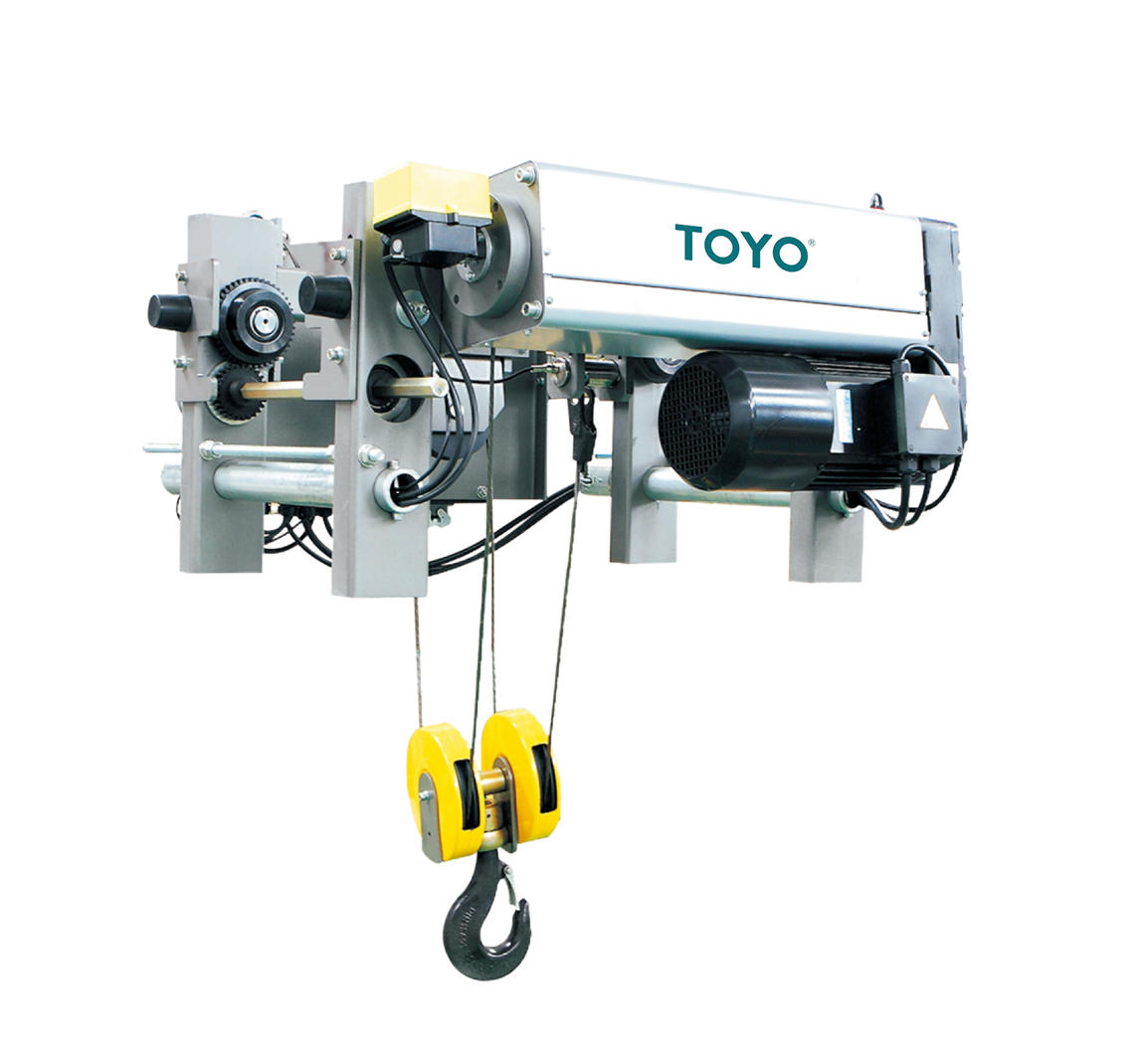
Электрическая канатная таль работает за счет наматывания стального каната на рифленый барабан. Этот механизм рассчитан на скорость и перемещение на большие расстояния.
- Более высокие скорости и более длительные подъемы: Механизм намотки барабана обеспечивает гораздо более высокую скорость подъема, что делает канатные тали предпочтительным выбором для высокопроизводительных производственных линий, складов и любых применений, где время цикла является первостепенной задачей. Они отлично справляются с подъемом грузов на большую высоту, например, при обслуживании плотин или высоких сооружений, где цепь была бы непрактично тяжелой.
- Более плавная и тихая работа: Движение каната, намотанного на гладкий рифленый барабан, по своей природе тише и вызывает меньше вибраций, чем цепь, зацепляющаяся с карманным колесом. Это может быть преимуществом при работе в закрытых помещениях или вблизи персонала.
- Большие мощности: Несмотря на существование высокопроизводительных цепных талей, канатные тали обычно доминируют в сегменте очень тяжелых грузов (20 тонн и выше).
Основные недостатки связаны с природой самого каната. Канат более восприимчив к повреждениям от защемления, перекручивания и истирания. В большинстве стандартных канатных подъемников также наблюдается явление, называемое "дрейфом крюка": по мере того как канат наматывается с одного конца барабана на другой, крюк немного смещается в горизонтальном направлении. Это может быть проблематично при выполнении задач, требующих точной настройки, хотя более сложные и дорогие конструкции с двойным рифлением или центральным подъемом могут смягчить это явление.
Сравнительный анализ: Правильный выбор для вашего применения
Чтобы принять взвешенное решение, необходимо сопоставить все характеристики и соотнести их с конкретными условиями работы.
| Характеристика | Электрический цепной подъемник | Электрический канатный подъемник |
|---|---|---|
| Долговечность | Превосходно; высокая устойчивость к истиранию и износу. | Хорошо; но подвержен сминанию, перекручиванию и истиранию. |
| Скорость подъема | От умеренного до медленного | От быстрого до очень быстрого |
| Точность | Превосходно; настоящий вертикальный подъем без смещения крючка. | Хорошо; но стандартные модели имеют некоторый дрейф крючка. |
| Headroom | В целом лучше (более компактный дизайн). | Как правило, требует большего запаса высоты. |
| Уровень шума | Повышенный уровень шума и вибрации во время работы. | Более плавная и тихая работа. |
| Типовые применения | Мастерские, сборочные производства, литейные цеха, жесткие условия эксплуатации. | Производственные линии, склады, длинные подъемы, высокая производительность. |
| Стоимость | Как правило, более экономичны при меньшей производительности. | Как правило, более дорогие, особенно при низкой производительности. |
Представьте, что вы оснащаете новый объект. Если это склад с высокой интенсивностью работы в Юго-Восточной Азии, где стандартные паллеты быстро перемещаются с грузовиков на стеллажи, скорость электрической канатной тали будет неоспоримым преимуществом. Если же речь идет о ремонтной мастерской в Южной Африке, где оборудование подвергается воздействию пыли и грубому обращению, то долговечность электрической цепной тали, скорее всего, будет более разумным выбором.
Нюансы осмотра и обслуживания для каждого типа
Выбранный носитель также диктует режим обслуживания и проверки. Оператор должен быть обучен поиску различных предупреждающих знаков.
Для грузовая цепьИнспекторы ищут:
- Зазубрины, потёртости и трещины на звеньях.
- Растяжение или удлинение (измеряется за определенное количество звеньев).
- Износ в местах контакта между звеньями.
- Скручивание или изгиб звеньев.
- Коррозия.
Для проволочный тросИнспекторы ищут:
- Сломанные провода (существуют специальные правила, определяющие, сколько сломанных проводов допустимо на данной длине).
- Коррозия или "питтинг" на поверхности каната'.
- Перегибы, заломы или другие физические деформации.
- Уменьшение диаметра каната, что указывает на внутренний износ или разрушение сердечника.
- "Птичья клетка", когда внешние пряди отделяются от сердцевины.
Независимо от типа, строгая программа проверки не подлежит обсуждению (Wold & Lacefield, 2013). Выбор средства должен сопровождаться обязательством обучить вашу команду специфическим критериям проверки для данного типа, что обеспечит долгосрочную безопасность вашей электрической лебедки.
Определите правильный рабочий цикл и классификацию обслуживания
Возможно, самым часто недопонимаемым, а потому опасным аспектом выбора электрической лебедки является ее рабочий цикл. Грузоподъемность лебедки говорит о том, сколько она может поднять, а ее рабочий цикл - о том, насколько интенсивно и часто она может работать. Выбор лебедки с рабочим циклом, не соответствующим интенсивности работы, - это гарантия преждевременного выхода из строя, длительного простоя и снижения безопасности. Это все равно что попросить марафонца выполнить серию спринтерских забегов; даже если дистанция будет короткой, интенсивность приведет к поломке.
Что такое рабочий цикл? Мера работы, а не только времени
Рабочий цикл - это не просто количество часов в день, когда подъемник включен. Это более сложный показатель, который включает в себя общую тепловую и механическую нагрузку на подъемник, в частности на его двигатель и тормозную систему. Ключевыми факторами, определяющими рабочий цикл подъемника'являются:
- Среднее время работы: Сколько минут в час или часов в день подъемник активно поднимает или опускает.
- Количество стартов/остановок: Каждый раз, когда двигатель запускается, он потребляет большой пусковой ток, выделяя тепло. Подъемник, который запускается и останавливается 300 раз в час, работает гораздо интенсивнее, чем тот, который непрерывно работает в течение 10 минут, даже если общее время "включения" одинаково.
- Спектр нагрузки: Вес поднимаемых грузов по отношению к номинальной грузоподъемности подъемника. Лебедка, которая постоянно поднимает грузы весом 90% от своего WLL, испытывает гораздо большую нагрузку, чем та, которая обычно поднимает грузы весом всего 25% от своего WLL.
- Максимальное время включения: Наибольший период времени, в течение которого двигатель может непрерывно работать без перегрева, часто указывается в процентах от 10-минутного интервала (например, рабочий цикл 40% означает 4 минуты включения, 6 минут выключения).
Эти факторы синтезируются в официальную систему классификации услуг, разработанную такими организациями по стандартизации, как Институт производителей подъемников (HMI) в США, на который ссылается ASME, и Европейская федерация управления (Fédération Européenne de la Manutention, FEM) в Европе. Эти классификации обеспечивают стандартизированный язык для подбора подъемника под конкретную работу.
Расшифровка классификаций HMI/ASME/FEM
Хотя конкретные номенклатуры могут немного отличаться, в целом классификация варьируется от нечастой, легкой эксплуатации до постоянной, тяжелой. Понимание этих категорий необходимо для ответственного выбора.
| Класс обслуживания | Класс HMI/ASME | Группа FEM | Типичное использование Описание | Примеры применения |
|---|---|---|---|---|
| Нечастые/резервные | H1 / A3 | 1Bm | Подъемники встречаются редко, часто для установки или ремонта. Случайно распределенные нагрузки. | Обслуживание турбин электростанций, периодическое использование в небольшой мастерской. |
| Легкое обслуживание | H2 / B3 | 1Am | Нечастая работа, небольшие нагрузки, низкая скорость. Несколько подъемов в день. | Небольшие ремонтные мастерские, легкие сборочные операции, подсобные помещения. |
| Умеренный сервис | H3 / C3 | 2m | Использование общего назначения, до 25% рабочего дня. Выдерживает нагрузки до номинальной мощности. | Машиностроительные цеха общего назначения, заводы по производству, сборочные линии средней мощности. |
| Тяжелое обслуживание | H4 / D3 | 3m | Большие объемы, систематические подъемы на производстве. Частые подъемы на высоте или близкой к ней. | Высокоскоростные сборочные линии, литейные цеха, склады стали, транспортные доки. |
| Тяжелая служба | H5 / E4 | 4 м / 5 м | Непрерывная или почти непрерывная работа в тяжелых условиях. Самые высокие скорости. | Перевалка сыпучих материалов, цементные заводы, предприятия по переработке отходов в энергию. |
Эти классификации не являются предложениями, это инженерные спецификации. Производитель должен четко указать класс обслуживания, для которого предназначена его электрическая лебедка.
Цена несоответствия: Преждевременный выход из строя и риски для безопасности
Что произойдет, если использовать легкий подъемник H2 в тяжелых условиях эксплуатации H4? Последствия предсказуемы и серьезны. Даже если вы ни разу не превысили допустимую нагрузку на лебедку, вы подвергаете ее нагрузке, на которую она не была рассчитана.
- Перегрев и перегорание двигателя: Изоляция двигателя'быстро разрушается от чрезмерного нагрева, что приводит к короткому замыканию и полному выходу двигателя из строя.
- Ускоренный износ шестерен: Шестерни в трансмиссии подъемника'преждевременно изнашиваются из-за постоянных высоких нагрузок и частых запусков/остановок.
- Отказ тормозов: Тормозная система, рассчитанная на определенное количество циклов, быстро изнашивается, что может привести к ситуации, когда она больше не сможет надежно удерживать нагрузку.
- Отказ подшипника: Подшипники, поддерживающие вращающиеся валы, выйдут из строя из-за усталости металла под действием непрекращающихся нагрузок.
Одним словом, подъемник разрушается изнутри. Это приводит к дорогостоящим незапланированным простоям и, что еще страшнее, создает значительный риск катастрофического отказа во время остановки груза. Первоначальная экономия на покупке более легкого подъемника неизменно многократно окупается увеличением затрат на обслуживание, ремонт и потерю производительности.
Расчет ваших потребностей: Практический подход
Как же определить правильный класс обслуживания для вашего приложения? Для этого необходимо честно и детально оценить свой рабочий процесс. В течение недели или даже месяца вы должны наблюдать и регистрировать подъемные операции:
- Оцените среднее количество подъемов в час/день: Сколько циклов подъема выполняется?
- Оцените среднее расстояние подъема: На какое расстояние обычно перемещается груз по вертикали?
- Зарегистрируйте вес груза: Каков средний вес грузов? Как часто вы поднимаете грузы, близкие к максимально допустимым?
- Охарактеризуйте операцию: Является ли подъем ритмичным и постоянным (как на производственной линии) или случайным и прерывистым (как в ремонтном отсеке)?
Имея эти данные, вы можете вести обоснованный разговор с поставщиком или инженером подъемного оборудования. Вы можете сказать: "Мне нужна электрическая лебедка для рабочего места на моем заводе в Бразилии. Мы выполняем около 30 подъемов в час, средняя нагрузка составляет 700 кг, но для пиковых нагрузок нам нужна грузоподъемность 1 000 кг. Высота подъема - 3 метра. Какой класс обслуживания вы рекомендуете?" Такой уровень детализации позволяет эксперту сориентировать вас на правильный выбор подъемника класса H3 или H4, гарантируя, что вы инвестируете в машину, которая обеспечит годы надежной и безопасной службы. Это гораздо более разумный подход, чем просто покупка подъемника, основанная только на мощности и цене.
Оценка оперативной обстановки
Подъемник - это не герметично закрытый объект. Она дышит воздухом вашего предприятия, выдерживает температуру окружающей среды и подвергается воздействию пыли, влаги или химических веществ. Окружающая среда активно участвует в жизни вашей электрической лебедки, и она может быть как другом, так и неумолимым врагом. Игнорировать специфические условия вашего рабочего места - значит подвергать ваши инвестиции риску преждевременного разрушения и выхода из строя. Тщательная оценка условий эксплуатации - важнейший шаг к выбору лебедки с подходящими защитными функциями.
Угроза коррозии: влажность, соль и химические вещества
Коррозия - молчаливый и терпеливый враг стали. В условиях повышенной влажности, прямого воздействия воды, брызг соленой воды или агрессивных химических паров стандартный подъемник может разрушаться с удивительной быстротой. Это особенно актуально для работы в прибрежных регионах, таких как Юго-Восточная Азия, на морских объектах, на предприятиях пищевой промышленности (с частой мойкой) и на химических предприятиях.
Ржавчина - это не просто косметический дефект. Это электрохимический процесс, который активно разъедает металл, уменьшая площадь поперечного сечения несущих компонентов и снижая их прочность. Звено цепи, ослабленное точечной коррозией, может выйти из строя при малой номинальной мощности.
Меры защиты: Для таких условий необходимо выбрать электрическую лебедку с повышенной коррозионной стойкостью. Это не роскошь, а необходимость. Обратите внимание на такие характеристики, как:
- Коррозионно-стойкие грузовые цепи: В качестве опции можно выбрать оцинкованные цепи (покрытые защитным слоем цинка) или, для экстремальных условий, цепи из нержавеющей стали.
- Краски и покрытия морского класса: Многослойные системы эпоксидных или цинковых красок создают прочный барьер, закрывающий стальной корпус подъемника от воздействия атмосферы.
- Герметичные корпуса: Прокладки и уплотнительные кольца на сервисных крышках и соединениях предотвращают попадание влаги в редуктор и электрические шкафы.
- Компоненты из нержавеющей стали: Для максимальной защиты основные внешние компоненты, такие как крюк, крепеж и даже колеса тележки, могут быть выполнены из нержавеющей стали.
Температурные экстремумы: От русской зимы до ближневосточного лета
Механические свойства компонентов подъемника' не являются постоянными при любой температуре. Как экстремальная жара, так и экстремальный холод создают уникальные проблемы, которые необходимо решать.
Высокотемпературные средыНапример, в литейных цехах, на сталелитейных заводах или вблизи промышленных печей, представляют собой двойную угрозу. Во-первых, высокая температура окружающей среды может привести к тому, что смазочные материалы в редукторе и подшипниках двигателя потеряют свою вязкость и разрушатся, что приведет к ускоренному износу. Во-вторых, что более важно, длительное воздействие сильной жары может повлиять на металлургию самых важных деталей подъемника'. Точная термическая обработка грузовой цепи и крюка из легированной стали, придающая им прочность и вязкость, может быть отменена. Этот процесс, известный как закалка, может размягчить сталь, снизив ее прочность и сделав более восприимчивой к износу и деформации. Для таких применений может потребоваться официальная "де-рейтинг" (снижение WLL) или оснащение тали специальными высокотемпературными смазками и теплозащитными экранами.
Низкотемпературные средыПри работе на открытом воздухе во время русской зимы или внутри крупных морозильных камер возникают другие проблемы. При очень низких температурах сталь может претерпевать переход от вязкости к хрупкости, что делает ее более склонной к разрушению при внезапном ударе или ударной нагрузке. Стандартные смазочные материалы могут загустеть до консистенции патоки, делая подъемник неповоротливым, увеличивая трение и создавая огромную нагрузку на двигатель при запуске. Для таких условий высококачественная электрическая лебедка должна быть оснащена специальными низкотемпературными смазочными материалами, а операторы должны быть строго обучены управлять лебедкой с предельной плавностью, избегая резких стартов и остановок, которые могут привести к удару по хрупкому металлу.
Опасные места: Взрывозащищенные и искробезопасные конструкции
Во многих отраслях промышленности - нефтегазовых объектах на Ближнем Востоке, химических заводах, покрасочных камерах, элеваторах и горнодобывающих предприятиях - сам воздух может быть взрывоопасным. Присутствие горючих газов, паров или горючей пыли означает, что одна искра может спровоцировать катастрофу. Стандартная электрическая лебедка является мощным источником воспламенения. Искры могут возникать от:
- Электрические контакты в контроллере или двигателе.
- Трение в тормозной системе.
- Стальной крюк или цепь ударяются о другой стальной предмет, создавая искру от трения.
Для этих опасные местаИспользование стандартного подъемника - это акт глубокой халатности. Специальные взрывозащищенные (XP) подъемники - это не просто вариант, это юридический и этический мандат. Эти высокоспециализированные машины оснащены целым набором защитных функций:
- Искростойкие материалы: Основные компоненты, которые могут вызвать удар, изготавливаются из неискрящих материалов. К ним часто относятся бронзовые или покрытые бронзой крюки, бронзовые колеса тележек и грузовые цепи из нержавеющей стали или с бронзовым напылением.
- Взрывозащищенные корпуса: Все электрические компоненты - двигатель, тормоз, элементы управления и концевые выключатели - размещены в прочных, специально разработанных корпусах, которые могут сдержать внутренний взрыв и не дать ему воспламениться в окружающей атмосфере.
- Специализированная проводка: Вся проводка проходит по герметичным каналам, чтобы предотвратить утечку электрической энергии.
Эти подъемники сертифицированы по специальным системам классификации (например, ATEX в Европе или системы Class/Division/Group в Северной Америке), которые определяют тип опасных материалов, для которых они безопасны. Соответствие рейтинга XP подъемника конкретной опасной среде является абсолютно критичным.
Рейтинг защиты от проникновения (IP): Защита от пыли и воды
Степень защиты IP - это стандартизированная система (IEC 60529), которая классифицирует степень защиты электрического корпуса от проникновения твердых предметов (например, пыли) и жидкостей (например, воды). Она выражается как "IP", за которым следуют два числа.
- Сайт первая цифра (0-6) указывает на защиту от твердых частиц. Показатель '5' означает защиту от пыли, а показатель '6' - полную пыленепроницаемость.
- Сайт вторая цифра (0-9) указывает на защиту от жидкостей. Индекс '4' означает защиту от брызг воды, '5' от струй воды, а '7' означает возможность временного погружения в воду.
Стандартный подъемник для помещений может иметь степень защиты IP54. Для талей, предназначенных для использования на открытом воздухе или на пищевых предприятиях, где их ежедневно моют, потребуется более высокий класс, например IP65 или IP66, чтобы обеспечить долговечность электрических компонентов. Проверка степени защиты IP - это простой способ убедиться в том, что электрическая целостность подъемника соответствует уровню пыли и влажности в вашей среде.
Оцените механические характеристики и безопасность
Рассмотрев вопросы грузоподъемности, мощности, грузоподъемности, рабочего цикла и окружающей среды, мы обратимся теперь внутрь, к сердцу и костям самой электрической лебедки. Качество лебедки определяется не только ее заявленными техническими характеристиками, но и конструкцией ее основных механических компонентов, а также интеллектуальностью ее интегрированных систем безопасности. Внимательный покупатель смотрит не только на краску, но и на качество двигателя, надежность тормоза, прочность зубчатых колес и наличие защитных устройств, которые могут предотвратить человеческую ошибку от катастрофы.
Сердце машины: Типы двигателей и тормозные системы
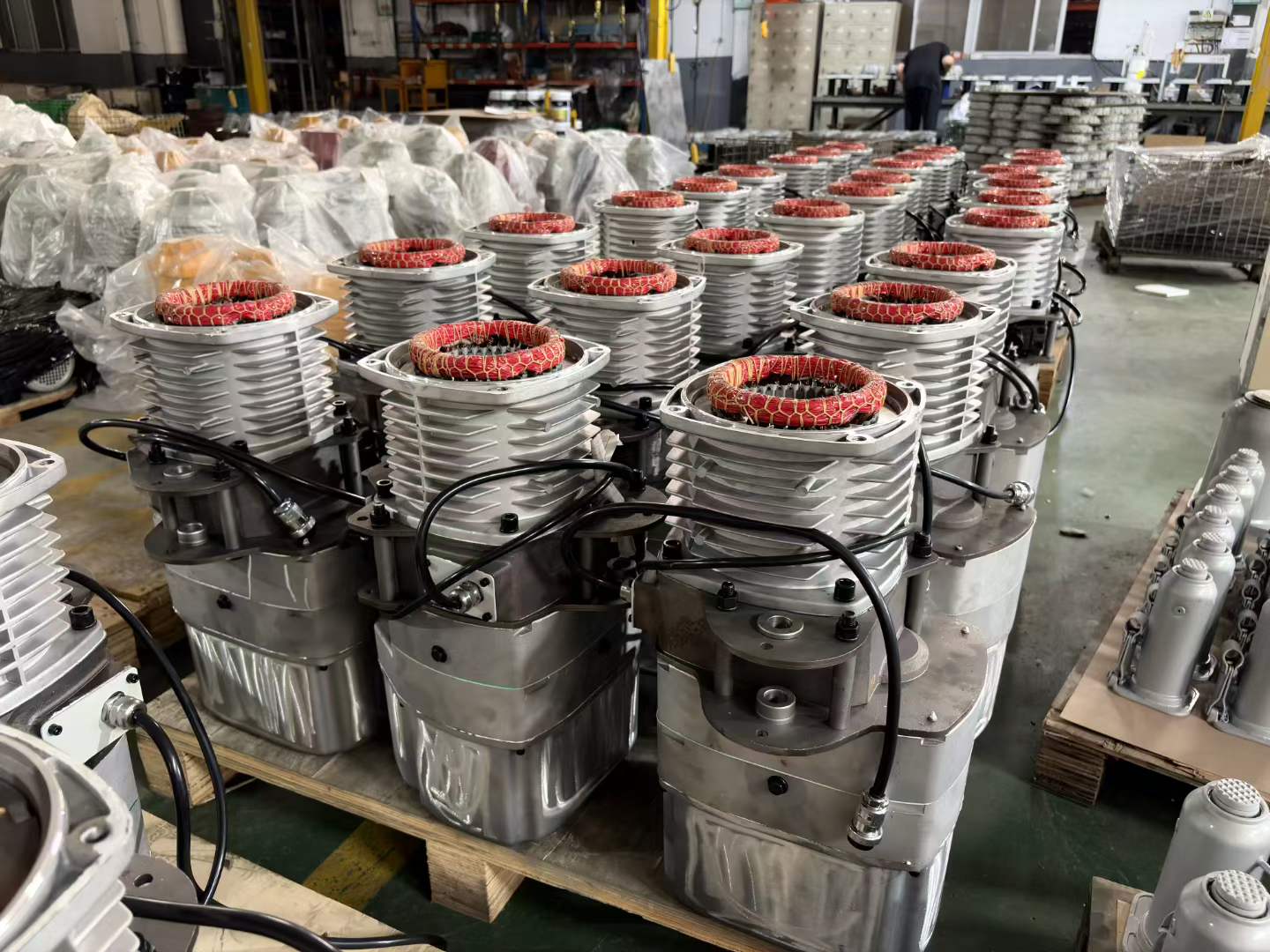
Сайт двигатель подъёмника это двигатель, преобразующий электрическую энергию в механическую силу, которая поднимает груз. В большинстве промышленных подъемников используются трехфазные асинхронные двигатели переменного тока, которые ценятся за свою прочность и надежность. Ключевыми характеристиками, на которые следует обратить внимание, являются:
- Класс изоляции: Это указывает на способность обмотки двигателя выдерживать температуру. Класс F является общепринятым стандартом, допускающим более высокое повышение температуры и обеспечивающим более длительный срок службы по сравнению со старыми двигателями класса B, особенно в сложных условиях эксплуатации.
- Тепловая защита: Качественный двигатель имеет встроенный датчик тепловой перегрузки. Если двигатель начинает перегреваться из-за длительного использования или высокой температуры окружающей среды, этот датчик срабатывает, отключая питание и предотвращая необратимые повреждения. Это простая, но жизненно важная функция самосохранения.
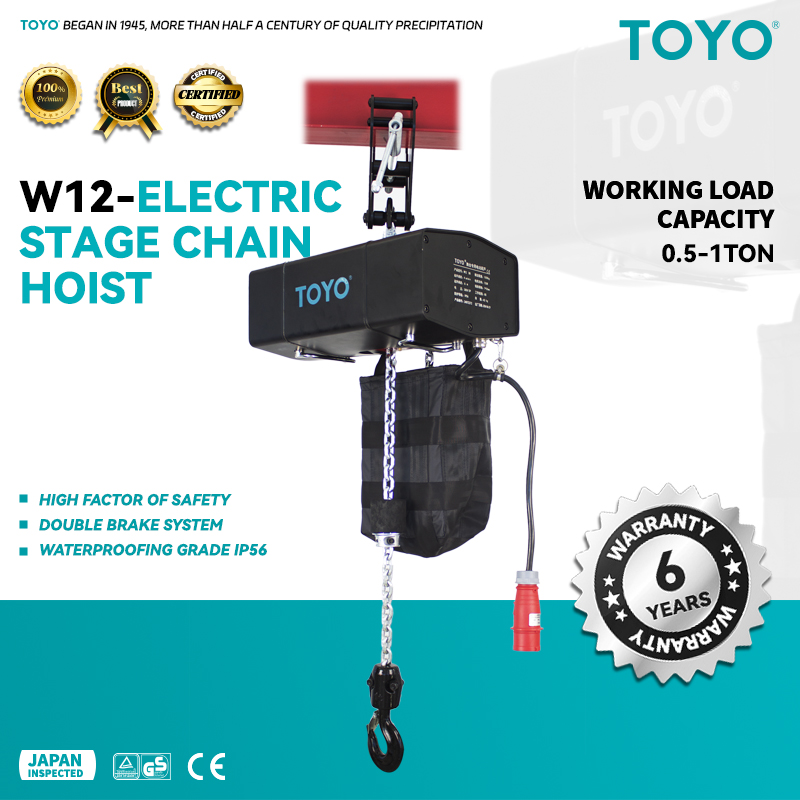
Сайт тормозная система это, пожалуй, самый важный компонент безопасности на всем подъемнике. Его задача - надежно удерживать груз, когда двигатель не работает, и безопасно останавливать его. В подавляющем большинстве современных подъемников используется безотказный электромагнитный дисковый тормоз с пружинным механизмом.
- Как это работает: При отключении питания мощные пружины зажимают тормозной диск, надежно удерживая груз. Это "безотказная" система, поскольку электричество требуется для отпускания тормоза, а не для его включения. Если питание пропадает по какой-либо причине, тормоз включается автоматически.
- Что искать: Хорошо сконструированный тормоз будет рассчитан на нагрузку, превышающую WLL подъемника (например, 125% или более). Многие современные конструкции также саморегулируются для компенсации износа и рассчитаны на длительный срок службы при минимальном обслуживании. Некоторые производители предлагают двойные тормозные системы для критических подъемов, обеспечивающие дополнительный уровень безопасности. Никогда не идите на компромисс с качеством тормозов.
Встроенные средства защиты: Концевые выключатели и защита от перегрузки
Даже самый опытный оператор может на мгновение отвлечься. Современная система безопасности, которую пропагандируют такие ученые, как Шигли, Мишке и Будинас (Shigley, Mischke, & Budynas, 2004), занимающиеся проектированием механических устройств, признает эту человеческую ошибку и предусматривает автоматические меры предосторожности.
Концевые выключатели это небольшие электрические выключатели, которые не позволяют подъемнику выйти за пределы безопасного диапазона перемещения.
- Верхний концевой выключатель: Это самый важный момент. Он предотвращает случайное попадание крюкового блока в корпус лебедки. Это событие, известное как "двойная блокировка", может привести к обрыву цепи или каната и падению груза. Верхний концевой выключатель автоматически отключает питание подъемного двигателя, когда крюк достигает максимальной безопасной высоты.
- Нижний концевой выключатель: Это не позволит оператору спустить всю цепь или трос с барабана или из подъемника, что может привести к отсоединению груза.
- Редукторные или поворотные концевые выключатели: Эти более совершенные переключатели могут быть настроены на остановку подъемника в любой промежуточной точке, что очень удобно при выполнении повторяющихся производственных задач, когда подъемник всегда должен останавливаться на одной и той же высоте.
Устройства защиты от перегрузки предназначены для предотвращения попыток подъема груза, опасно превышающего допустимую нагрузку.
- Механическое проскальзывающее сцепление: Это распространенное устройство во многих электрических цепных талях. Это фрикционная муфта, расположенная в трансмиссии и настроенная на проскальзывание, если нагрузка превышает заданное значение (например, 125% от WLL). При ее срабатывании двигатель будет работать, но груз не поднимется, что является четким признаком перегрузки.
- Электронная защита от перегрузки: В более продвинутых подъемниках используется встроенный тензодатчик (датчик силы), который постоянно контролирует нагрузку. Если нагрузка превышает заданное значение, устройство мгновенно отключает питание функции подъема, предотвращая попытку.
Хотя эти средства защиты бесценны, они являются аварийными системами. Они не заменяют знания веса груза и работы в пределах WLL. Это ремни безопасности и подушки безопасности в грузоподъемном мире - они защитят вас в кризисной ситуации, но не для того, чтобы их специально испытывать.
Тележка и подвеска: Интеграция подъема и движения
Часто груз необходимо перемещать как горизонтально, так и вертикально. Это достигается путем подвешивания электрической лебедки к тележкаКолесная тележка, перемещающаяся по двутавровой балке или крановой дорожке.
- Метод подвески: Лебедка может крепиться с помощью простого крюка (для переноски), проушины (для более постоянного, жесткого крепления) или встраиваться непосредственно в тележку, обеспечивая максимальную высоту.
- Тип тележки: Как и лебедки, тележки могут быть ручными (толкаемыми оператором), редукторными (перемещаемыми с помощью ручной цепи для лучшего контроля) или моторизованными. Для электрической лебедки моторизованная тележка является наиболее распространенной и логичной парой, при этом управление тележкой интегрировано в тот же кулон или пульт, что и управление лебедкой.
- Совместимость: Разумеется, грузоподъемность тележки должна быть равна или превышать грузоподъемность подъемника. Колеса тележки также должны быть правильно отрегулированы по ширине фланца балки, чтобы обеспечить стабильный и плавный ход.
Качество компонентов: Шестерни, подшипники и корпус
Наконец, уделите время менее заметным, но не менее важным внутренним компонентам. Долговечность и надежность электрической лебедки напрямую зависят от качества ее конструкции.
- Передача: Ищите шестерни из легированной стали с точной огранкой и термообработкой. Косозубые шестерни часто предпочтительнее прямозубых, так как они обеспечивают больший контакт зубьев, что приводит к более плавной и тихой работе и продлевает срок службы. Шестерни, работающие в герметичной масляной ванне, обеспечивают наилучшую смазку и охлаждение.
- Подшипники: Высококачественные роликовые или шариковые подшипники качения на всех вращающихся валах снижают трение, повышают эффективность и требуют меньшего обслуживания, чем бронзовые втулки старого образца.
- Жилье: Внешний корпус лебедки должен быть прочным, либо из литого алюминия (для облегчения веса и отвода тепла), либо из стали (для максимальной ударопрочности). Прочное порошковое или эпоксидное покрытие защищает корпус от коррозии.
Производитель, который гордится качеством своих внутренних компонентов, часто подчеркивает эти особенности в своей технической литературе. Такое внимание к деталям является убедительным показателем хорошо спроектированной и долговечной машины.
Убедитесь в поддержке и соответствии требованиям производителя
Ваши отношения с электрической лебедкой не заканчиваются в день ее доставки. Это начало долгосрочного партнерства, которое продлится годы и даже десятилетия. Поэтому при окончательной проверке необходимо смотреть не только на физическое оборудование, но и на экосистему поддержки, документации и соответствия, которая окружает продукт. Хорошо сделанный подъемник от производителя, который затем исчезает, - это ответственность, которая только и ждет, чтобы случиться. Качественный подъемник от производителя, поддерживающего, соблюдающего требования и пользующегося репутацией, - это настоящий актив.
Важность международных стандартов (ISO, ASME, CE)
В условиях глобализации рынка стандарты являются общим языком безопасности и качества. Они гарантируют, что подъемник, произведенный в одной стране, соответствует строгим требованиям другой. При оценке потенциального поставщика ищите доказательства соответствия ключевым международным и региональным стандартам.
- ASME (Американское общество инженеров-механиков): Стандарты безопасности серии B30 являются краеугольным камнем безопасности грузоподъемного оборудования в Северной Америке и широко соблюдаются во всем мире. Соответствие таким стандартам, как ASME B30.16 (для подъемных механизмов), является убедительным показателем качества конструкции.
- Маркировка CE: Это обязательная маркировка соответствия для продукции, продаваемой на территории Европейской экономической зоны. Он означает, что производитель подтвердил соответствие продукта требованиям ЕС по безопасности, охране здоровья и защите окружающей среды.
- ISO (Международная организация по стандартизации): Хотя в ISO существует множество стандартов, сертификация ISO 9001 для системы управления качеством производителя' свидетельствует о приверженности последовательным процессам и качеству продукции.
- Региональные стандарты: В зависимости от вашего местоположения могут быть актуальны и другие стандарты, например, ГОСТ в России или другие национальные органы.
Производитель, который с гордостью размещает эти сертификаты на своей продукции и в своей литературе, демонстрирует приверженность проверке третьей стороной и высокий уровень инженерной дисциплины. И наоборот, к поставщику, который не может предоставить четких доказательств соответствия, следует относиться с большой осторожностью.
Послепродажная поддержка: Наличие запчастей и техническая помощь
Электрическая лебедка - это обслуживаемая машина. Износостойкие компоненты, такие как тормоза, цепи и электрические контакторы, рано или поздно потребуют замены. Вопрос в том, сможете ли вы достать необходимые детали, когда придет это время? Перед покупкой необходимо поинтересоваться сетью послепродажной поддержки производителя, особенно в вашем регионе.
- Наличие запасных частей: Есть ли у производителя местный или региональный дистрибьютор, у которого хранятся распространенные запасные части? Сколько времени требуется для получения критически важного компонента, если его необходимо доставить с завода? Подъемник, который простаивает неделями в ожидании детали, сильно снижает производительность. Поставщик с сильным местным присутствием, например, необходимый для обслуживания разнообразных рынков Южной Америки или Ближнего Востока, является значительным преимуществом.
- Техническая помощь: Когда у вашей команды технического обслуживания возникает вопрос о процедуре устранения неполадок или электрической схеме, есть ли кто-то, кому они могут позвонить, кто говорит на их языке и может дать четкий, квалифицированный совет? Отзывчивая и компетентная команда технической поддержки - это бесценный ресурс.
Ценность комплексной гарантии
Гарантия - это не просто бумажка, это заявление о том, что производитель уверен в своем продукте. Более длительная и полная гарантия говорит о том, что производитель сделал подъемник долговечным и готов за него постоять. Изучите детали гарантии. На что она распространяется? Как правило, гарантия распространяется на производственные дефекты в течение одного или нескольких лет. Некоторые производители могут предложить расширенную гарантию на отдельные компоненты, например, коробку передач или тормоза. Хотя гарантия не должна быть единственным основанием для принятия решения, надежная гарантия от авторитетной компании обеспечивает душевное спокойствие и защиту ваших инвестиций. Когда вы изучите возможности электрических талейУсловия гарантии могут стать полезной точкой сравнения.
Обучение операторов и документация
Самый безопасный подъемник в мире безопасен лишь настолько, насколько безопасен тот, кто им управляет. Ответственный производитель понимает это и предоставляет ресурсы, необходимые для правильного использования.
- Руководства пользователя: К подъемнику должно прилагаться подробное и четко написанное руководство пользователя. Это руководство является основным источником информации о безопасной эксплуатации, процедурах проверки и текущем обслуживании. Оно должно быть доступно на основном языке вашей рабочей силы. Плохо переведенное или недостаточно подробное руководство - тревожный сигнал.
- Учебные ресурсы: Предлагает ли производитель или его местный дистрибьютор программы обучения операторов? Хотя работодатель в конечном итоге несет ответственность за обеспечение компетентности оператора (в соответствии с правилами OSHA), ресурсы от производителя могут оказать большую помощь. Это может быть очное обучение, онлайн-видео или подробные бюллетени по технике безопасности.
Выбор компании, которая вкладывает средства в поддержку своих клиентов, предоставляя им четкую документацию и обучение, является признаком того, что вы сотрудничаете с организацией, которая серьезно относится к безопасности и долгосрочной работе. Это завершает круг проверки, гарантируя, что и машина, и люди, которые ее используют, настроены на успех.
Часто задаваемые вопросы (FAQ)
В чем главное отличие электрической лебедки от ручной? Основное отличие заключается в источнике питания. В электрических лебедках для подъема и опускания грузов используется электродвигатель, управляемый кнопочным контроллером. Это позволяет увеличить скорость подъема и снизить утомляемость оператора, что делает ее идеальной для частых и тяжелых подъемов. Ручная лебедка, например, ручная цепная или рычажная, зависит от физических усилий оператора, который тянет за цепь или крутит рычаг. Она лучше подходит для нечастых подъемов, точного позиционирования или мест, где нет доступа к электричеству.
Как часто нужно проверять электрическую лебедку? Проверки должны проводиться на двух уровнях. Частый осмотр, который представляет собой визуальную и эксплуатационную проверку, должен выполняться обученным оператором перед первым использованием в каждой смене. Более глубокий периодический осмотр должен проводиться квалифицированным специалистом через регулярные промежутки времени, обычно от месяца до года, в зависимости от условий эксплуатации подъемника, окружающей среды и частоты использования, как указано в таких стандартах, как ASME B30.16.
Можно ли использовать электрическую лебедку для подъема людей? Нет, абсолютно нет, если только подъемник не разработан, сертифицирован и одобрен специально для подъема персонала. Стандартные подъемники для транспортировки материалов не имеют специальных функций безопасности, конструктивных особенностей и дублирующих систем, необходимых для подъема людей. Использование стандартного подъемника для подъема людей является крайне опасной практикой и запрещено правилами безопасности в большинстве юрисдикций.
Что означает степень защиты IP на подъемнике? Степень защиты IP (Ingress Protection) определяет уровень защиты электрических корпусов подъемника от проникновения твердых предметов (например, пыли) и жидкостей (например, воды). Первая цифра обозначает степень защиты от твердых предметов (0-6), а вторая - от жидкости (0-9). Например, подъемник со степенью защиты IP65 является пыленепроницаемым и защищенным от струй воды, что делает его пригодным для использования на открытом воздухе или в условиях мойки.
Что произойдет, если я перегружу свою электрическую лебедку? Перегрузка подъемника крайне опасна и может привести к катастрофической поломке. Однако многие современные подъемники имеют встроенную защиту от перегрузки. Механическая проскальзывающая муфта может сработать, заставив двигатель работать без подъема груза. Электронное устройство перегрузки может отключить питание двигателя. Эти устройства предотвращают подъем груза, но повторяющиеся перегрузки все равно могут привести к кумулятивному повреждению и усталости конструкции и компонентов подъемника'.
Как выбрать между цепной и канатной талью? Выбор зависит от сферы применения. Цепная таль, как правило, более долговечна, устойчива к злоупотреблениям и обеспечивает настоящий вертикальный подъем, что делает ее идеальной для работы в тяжелых условиях, например в мастерских и литейных цехах. Канатные тали обычно обеспечивают более высокую скорость подъема, более плавную работу и лучше подходят для очень высоких подъемов или крупносерийных производственных линий, где время цикла имеет решающее значение.
Что такое "отказоустойчивый" тормоз? Отказоустойчивый тормоз - это конструкция, в которой тормоз автоматически срабатывает под действием силы пружины, а для его отпускания требуется питание. Это означает, что в случае отключения питания тормоз мгновенно и автоматически включится, надежно удерживая груз. Это одна из основных функций безопасности любой современной электрической лебедки.
Заключение
Выбор подходящей электрической лебедки - это комплексное исследование, выходящее далеко за рамки простого сравнения цены и мощности. Это методичный процесс согласования возможностей машины с конкретными, тончайшими требованиями вашего рабочего мира. Пройдя через семь пунктов проверки - от основополагающих законов грузоподъемности и коэффициентов безопасности до практических реалий электропитания, экологической устойчивости и поддержки производителя, - вы превращаете акт покупки в акт ответственного проектирования. Вы гарантируете, что оборудование, которое вы интегрируете в свой рабочий процесс, будет не источником риска, а прочным, надежным и эффективным фактором, способствующим повышению производительности. Хорошо подобранная электрическая лебедка, проверенная по этим важнейшим критериям, становится не просто инструментом, а краеугольным камнем безопасной и процветающей работы на долгие годы.
Ссылки
Американское общество инженеров-механиков. (2020). ASME B30.16-2020: Подвесные и стационарные подъемники. ASME. https://www.asme.org/codes-standards/find-codes-standards/b30-16-overhead-underhung-stationary-hoists
Демаг. (2025). Цепные тали.
Holloway Houston Inc. (2023, 7 марта). Различные типы подъемников и их применение.
Хопп, Дж. К. (2011). Основы проектирования инструментов (6-е изд.). Общество инженеров-технологов.
Konecranes. (2025, 1 марта). Электрические цепные тали.
Управление по охране труда и здоровья. (n.d.). 1910.179 - Мостовые и козловые краны. Министерство труда США.
Shigley, J. E., Mischke, C. R., & Budynas, R. G. (2004). Shigley's mechanical engineering design (7th ed.). McGraw-Hill.
Улидэ. (2025, 25 сентября). Практическое руководство по грузоподъемности цепных талей: 5 критических ошибок, которых следует избегать в 2025 году. https://www.ulidehoist.com/a-practical-chain-hoist-load-capacity-guide-5-critical-mistakes-to-avoid-in-2025/
Вольд, Г., и Лейсфилд, К. (2013). Отходы строительства и сноса. В книге Р. Э. Хестера и Р. М. Харрисона (ред.), Управление твердыми отходами: Вопросы и проблемы в меняющемся мире. Королевское химическое общество.