Steel plates are widely used in manufacturing, construction, shipbuilding, steel processing, and heavy equipment production. Moving these plates safely requires more than a suitable crane or hoist. The connection between the lifting equipment and the load is equally important.
A lifting clamp provides a practical way to grip and move steel plates without drilling holes or permanently attaching lifting points. However, different lifting applications require different types of clamps.
The correct selection depends on several factors, including lifting direction, plate thickness, working load limit, jaw opening, surface condition, and the overall lifting configuration.
This guide explains how to choose the right lifting clamp for steel plate handling and what industrial buyers should check before placing an order.
Что такое подъемный зажим?
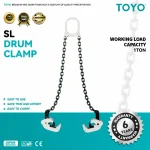
A lifting clamp is a mechanical lifting device designed to grip and handle suitable materials such as steel plates, beams, and other metal products.
Unlike a sling that wraps around a load, a lifting clamp grips the material through a specially designed jaw mechanism. The clamp can be connected to a crane, electric hoist, manual chain hoist, or other compatible lifting equipment.
Lifting clamps are commonly used in:
- Steel manufacturing
- Metal fabrication
- Строительство
- Судостроение
- Machinery manufacturing
- Склады
- Промышленное обслуживание
- Material handling
For industrial lifting and rigging applications, explore TOYO’s Подъемный зажим range and Rigging & Sling equipment.
Why Choosing the Correct Lifting Clamp Matters
A lifting clamp is an important part of the complete lifting system. The crane or hoist may have a high lifting capacity, but the lifting operation is still limited by the capacity and suitability of the connecting equipment.
For example, a 5-ton hoist does not mean that every 5-ton lifting clamp is suitable for every 5-ton steel plate.
The clamp must also match:
- Load type
- Plate thickness
- Lifting direction
- Working load limit
- Jaw opening
- Surface condition
- Number of clamps
- Lifting configuration
- Manufacturer’s operating requirements
Selecting a clamp according to the actual application helps reduce the risk of incorrect equipment selection and improves lifting efficiency.
1. Determine the Lifting Direction
The first question when selecting a lifting clamp is:
How will the steel plate be lifted?
Different lifting directions require different clamp designs.
Vertical Steel Plate Lifting
Vertical lifting clamps are designed for applications where steel plates need to be lifted or positioned vertically according to the manufacturer’s specified operating conditions.
Типичные области применения включают:
- Moving plates from horizontal to vertical
- Positioning steel plates
- Moving plates between production areas
- Steel fabrication
- Machinery manufacturing
The clamp should always be used according to its rated lifting direction and application.
Horizontal Steel Plate Lifting
Horizontal lifting clamps are designed for handling steel plates while maintaining a horizontal position.
They can be used in applications such as:
- Steel plate storage
- Fabrication workshops
- Steel processing
- Погрузка и разгрузка
- Промышленная погрузочно-разгрузочная техника
Depending on the load dimensions and lifting configuration, horizontal lifting may require multiple clamps and suitable rigging equipment.
2. Check the Steel Plate Thickness
Plate thickness is one of the most important factors when selecting a lifting clamp.
Every clamp has a specified jaw opening range. The steel plate thickness must fall within this range.
Before requesting a quotation, provide the manufacturer with:
Minimum plate thickness + maximum plate thickness
Do not select a clamp based only on its lifting capacity.
A clamp may have sufficient WLL but still be unsuitable if the steel plate is outside its specified gripping range.
For example, if a factory needs to handle steel plates from 20 mm to 50 mm thick, the selected clamp should have a suitable jaw opening that covers the required plate thickness.
Therefore, proper selection should consider both:
Working Load Limit + Jaw Opening
3. Confirm the Working Load Limit
Сайт Предельная рабочая нагрузка (WLL) is another essential specification.
The WLL indicates the maximum load that the lifting clamp is designed and rated to handle under its specified operating conditions.
When selecting a lifting clamp, consider:
- Максимальная масса груза
- Number of clamps
- Lifting configuration
- Lifting angle
- Plate dimensions
- Manufacturer’s instructions
Do not assume that adding more clamps automatically increases the allowable lifting capacity.
The complete lifting arrangement must be considered, and the manufacturer’s specified configuration should always be followed.
4. Consider Single-Plate and Multiple-Plate Applications
Steel plate handling requirements vary between different workplaces.
Some applications involve lifting one individual steel plate, while others involve handling multiple plates.
Before selecting a clamp for multiple-plate applications, consider:
- Total load weight
- Individual plate thickness
- Number of plates
- Clamp quantity
- Lifting points
- Lifting beam requirements
- Manufacturer’s specified application
The supplier should be informed of the actual application so that the appropriate clamp and lifting configuration can be selected.
5. Consider the Surface Condition of the Steel Plate
The condition of the gripping surface can affect lifting clamp performance.
Before using a clamp, check whether the gripping area is:
- Clean
- Dry
- Free from excessive oil
- Free from loose scale
- Free from heavy contamination
- Suitable for the clamp’s gripping mechanism
Oil, grease, heavy rust, paint, or other surface conditions may affect the gripping performance of some clamp designs.
Therefore, surface condition should be considered both during equipment selection and before lifting operations.
6. Consider the Shape and Dimensions of the Load
Steel plates are not always identical in size and shape.
A load may have:
- Large dimensions
- Irregular shapes
- Cut-outs
- Surface coatings
- Uneven weight distribution
- Flexible or thin sections
Large or long plates may require multiple lifting points to maintain stability.
The lifting arrangement should be designed to reduce excessive bending, tilting, or uncontrolled movement.
Depending on the application, the lifting clamp may need to work together with slings, shackles, lifting beams, spreader beams, or other rigging equipment.
7. Understand the Difference Between Vertical and Horizontal Clamps
One common mistake is assuming that all lifting clamps can be used in the same way.
They cannot.
Vertical Lifting Clamp
A vertical lifting clamp is designed primarily for lifting suitable steel plates in a vertical orientation.
Типичные области применения включают:
- Plate positioning
- Vertical transportation
- Steel fabrication
- Moving plates from horizontal to vertical
Horizontal Lifting Clamp
A horizontal lifting clamp is designed for handling suitable steel plates while they remain horizontal.
Типичные области применения включают:
- Horizontal transportation
- Steel plate storage
- Погрузка и разгрузка
- Fabrication workshops
The lifting direction must always match the clamp’s rated application.
8. Check the Number of Clamps Required
The required number of clamps depends on the load weight, plate dimensions, lifting arrangement, and manufacturer’s specifications.
Using more clamps does not automatically make a lifting operation safer.
The clamps must work together as part of a properly designed lifting system.
Before purchasing, buyers should provide:
- Вес груза
- Plate dimensions
- Plate thickness
- Lifting direction
- Number of lifting points
- Available lifting equipment
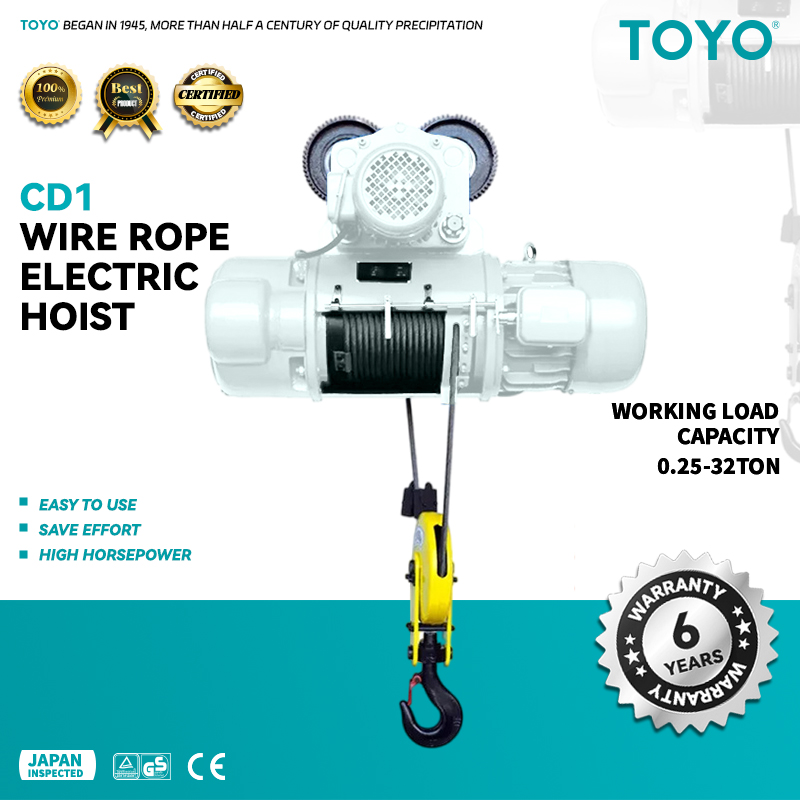
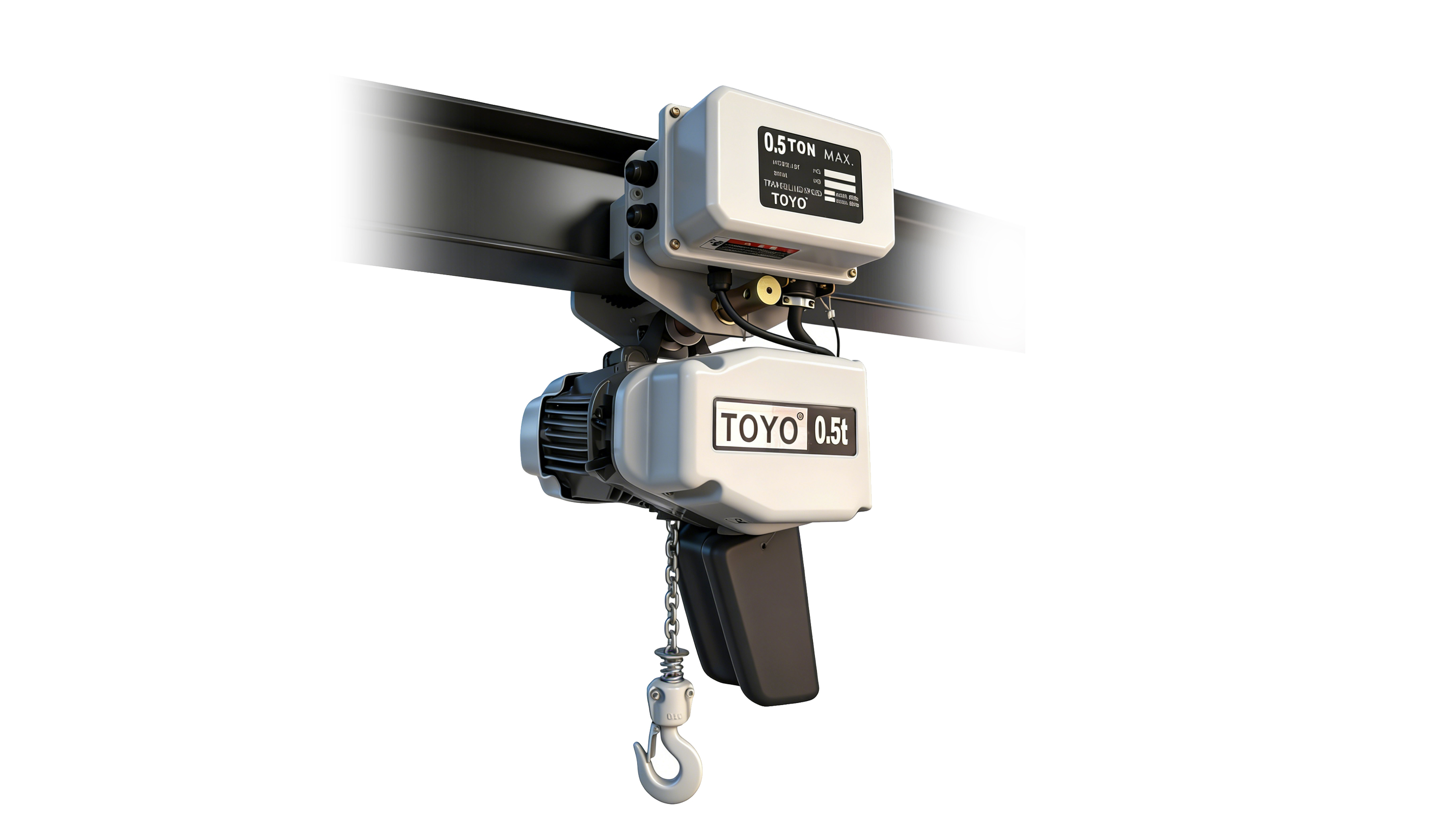
If the application uses an electric hoist, the clamp should also be considered as part of the complete lifting system together with the appropriate электрическая таль.
9. Avoid Shock Loading
Lifting clamps should not be subjected to sudden or shock loading.
The load should be lifted smoothly and according to the clamp manufacturer’s specified operating conditions.
Avoid:
- Sudden acceleration
- Sudden braking
- Side pulling
- Dragging loads
- Snatch loading
- Lifting outside the specified direction
Smooth lifting helps reduce unnecessary forces on the clamp and the rest of the lifting system.
10. Inspect the Clamp Before Use
A lifting clamp should be inspected before use according to the manufacturer’s instructions and applicable safety requirements.
Clamp Body
Проверьте:
- Трещины
- Деформация
- Чрезмерный износ
- Коррозия
- Damaged components
Jaw and Gripping Components
Проверьте:
- Wear
- Damage
- Contamination
- Abnormal deformation
Pins and Connections
Check that:
- Pins are correctly installed
- Retaining components are secure
- There is no obvious damage
Identification Markings
Make sure the clamp’s identification and rated capacity markings remain legible.
If a clamp shows signs of damage or abnormal wear, remove it from service and have it inspected by a qualified person.
Lifting Clamp Selection Checklist
Before contacting a lifting equipment manufacturer, prepare the following information:
| Технические характеристики | Information to Provide |
|---|---|
| Load type | Steel plate / beam / other |
| Максимальная масса груза | ___ tons |
| Plate thickness | ___ mm |
| Plate dimensions | Length × Width |
| Lifting direction | Vertical / Horizontal |
| Surface condition | Painted / Bare / Oily / Other |
| Required WLL | ___ tons |
| Number of clamps | ___ pcs |
| Lifting equipment | Crane / Electric Hoist / Manual Hoist |
| Рабочая среда | Indoor / Outdoor / Other |
Providing complete application information allows the supplier to recommend a more suitable lifting clamp and helps reduce the risk of purchasing the wrong model.
Common Mistakes When Buying Lifting Clamps
Mistake 1: Selecting Only by Capacity
A 5-ton clamp is not automatically suitable for every 5-ton steel plate.
Jaw opening, lifting direction, and application must also be considered.
Mistake 2: Ignoring Plate Thickness
If the plate is outside the clamp’s specified jaw opening, the clamp may not be suitable for the application.
Mistake 3: Using the Wrong Lifting Orientation
A vertical lifting clamp should not automatically be used for horizontal lifting.
Always check the manufacturer’s specified application.
Mistake 4: Ignoring Surface Conditions
Oil, grease, loose scale, and other contamination may affect gripping performance depending on the clamp design.
Mistake 5: Using Shock Loading
Sudden lifting or pulling can create forces beyond normal operating conditions.
Mistake 6: Choosing the Clamp Separately From the Rigging System
The clamp, sling, shackle, lifting beam, hoist, and crane should be considered as one complete lifting system.
Why Choose TOYO Lifting Clamps?
TOYO provides lifting and material-handling equipment for industrial applications.
Our product range covers different lifting and rigging requirements, including:
- Lifting clamps
- Slings
- Электрические подъемники
- Ручные цепные тали
- Other material-handling equipment
Customers looking for a complete lifting solution can also explore TOYO’s Такелаж и стропы products, Electric Hoists, и Ручные цепные тали.
For specific steel plate handling requirements, customers can provide the load weight, plate thickness, dimensions, lifting direction, and working conditions so TOYO can help identify a suitable lifting solution.
Заключение
Choosing the right lifting clamp is an important part of safe and efficient steel plate handling.
The correct selection should consider more than lifting capacity. Lifting direction, jaw opening, plate thickness, load weight, surface condition, clamp quantity, and the complete rigging configuration all affect whether a clamp is suitable for a specific application.
For industrial buyers, providing detailed application information to the manufacturer is one of the most effective ways to avoid incorrect equipment selection.
TOYO provides lifting clamps and other industrial lifting equipment for steel processing, manufacturing, construction, warehousing, and material-handling applications.
For product selection or quotation requirements, Связаться с TOYO with your load and application details.
Часто задаваемые вопросы
1. What is a lifting clamp used for?
A lifting clamp is a mechanical lifting device used to grip and handle suitable loads such as steel plates, beams, and other metal products. It can be connected to a crane, electric hoist, manual chain hoist, or other compatible lifting equipment.
2. How do I choose the right lifting clamp for a steel plate?
The main factors include the steel plate weight, plate thickness, jaw opening, lifting direction, working load limit (WLL), surface condition, and required lifting configuration. The clamp should always be selected according to the manufacturer’s rated specifications.
3. What is the difference between a vertical and horizontal lifting clamp?
A vertical lifting clamp is designed to lift suitable steel plates in a vertical orientation, while a horizontal lifting clamp is designed to handle suitable plates while they remain horizontal. They are intended for different lifting applications and should not be used interchangeably unless the manufacturer specifically permits it.
4. Can one lifting clamp lift a steel plate?
It depends on the clamp design, load weight, plate dimensions, lifting direction, and manufacturer’s specifications. Some applications may use a single clamp, while large or heavy plates may require multiple clamps and a suitable lifting arrangement.
5. How does steel plate thickness affect lifting clamp selection?
Steel plate thickness must fall within the clamp’s specified jaw opening range. A clamp with sufficient lifting capacity may still be unsuitable if the plate is too thin or too thick for its rated gripping range.
6. What information should I provide when buying a lifting clamp?
For an accurate recommendation, provide the maximum load weight, steel plate thickness, plate dimensions, lifting direction, surface condition, required quantity, and working environment. Photos or drawings of the lifting application can also help the manufacturer recommend a suitable model.