Tại sao việc lựa chọn nhà sản xuất thiết bị nâng lại quan trọng hơn bao giờ hết
Trong các ngành công nghiệp nặng tại Nam Mỹ, Nga, Đông Nam Á, Trung Đông và Nam Phi, thiết bị nâng hạ chính là xương sống của các hoạt động hàng ngày. Dù là lắp ráp máy móc khai thác mỏ ở dãy Andes, bốc dỡ hàng hóa tại cảng Durban hay lắp dựng kết cấu thép tại công trường xây dựng ở Dubai, độ tin cậy của các thiết bị nâng, cần cẩu và tời của quý vị đều ảnh hưởng trực tiếp đến cả an toàn và năng suất. Chỉ một sự cố thiết bị cũng có thể dẫn đến thời gian ngừng hoạt động tốn kém, các khoản phạt theo quy định hoặc, trong trường hợp xấu nhất, gây ra thương tích nghiêm trọng.
Hãy xem xét những hậu quả của việc sử dụng cần trục được sản xuất kém chất lượng. Năm 2024, tại một công trường xây dựng ở Jakarta đã xảy ra sự cố hỏng hóc cần trục xích, khiến một dầm thép rơi xuống, dẫn đến hai trường hợp tử vong và dự án bị trì hoãn sáu tháng. Kết quả điều tra cho thấy bộ phanh tải của cần trục đã được lắp ráp bằng các lò xo không đạt tiêu chuẩn. Nhà thầu đã mua thiết bị này từ một nhà cung cấp địa phương không được chứng nhận để tiết kiệm chi phí. Thảm kịch này nhấn mạnh lý do tại sao việc lựa chọn nhà sản xuất không chỉ là một chi tiết trong quy trình mua sắm—đó là một quyết định liên quan đến quản lý rủi ro.
Trong thập kỷ qua, tôi đã chứng kiến sự thay đổi trong cách các doanh nghiệp tiếp cận hoạt động mua sắm. Các doanh nghiệp không còn coi thiết bị nâng hạ là một mặt hàng đơn thuần. Họ tìm kiếm những nhà sản xuất hiểu rõ điều kiện vận hành tại từng khu vực, cung cấp hỗ trợ kỹ thuật phù hợp với nhu cầu cụ thể và duy trì mạng lưới dịch vụ toàn cầu. Bài viết này dựa trên kinh nghiệm của tôi khi làm việc với các khách hàng công nghiệp tại các thị trường mới nổi để nêu rõ những yếu tố thực sự quan trọng khi lựa chọn nhà sản xuất thiết bị nâng hạ vào năm 2026.
Vào năm 2026, bối cảnh ngành thiết bị nâng hạ trở nên phức tạp hơn bao giờ hết. Những gián đoạn trong chuỗi cung ứng, các chính sách thương mại không ngừng thay đổi và sự áp dụng nhanh chóng của tự động hóa đồng nghĩa với việc người mua phải có cái nhìn sáng suốt hơn. Một nhà sản xuất từng đáng tin cậy cách đây năm năm có thể đã chuyển sản xuất sang các khu vực có chi phí thấp hơn, ảnh hưởng đến chất lượng. Cá nhân tôi đã phải tiến hành kiểm tra lại nhiều nhà cung cấp lâu năm để đảm bảo tiêu chuẩn của họ không bị suy giảm. Bài viết này sẽ trang bị cho bạn kiến thức cần thiết để đưa ra quyết định sáng suốt. Khi kết thúc bài viết, bạn sẽ có một khung tham chiếu rõ ràng để đánh giá các đối tác tiềm năng và tránh được những cạm bẫy thường khiến những người mua thiếu kinh nghiệm sa vào.
Các yếu tố chính cần đánh giá khi lựa chọn nhà sản xuất thiết bị nâng hạ
Việc lựa chọn nhà sản xuất không chỉ đơn thuần là so sánh giá cả. Trong nhiều năm làm tư vấn cho các công ty logistics tại Trung Đông, tôi đã rút ra được rằng chi phí ban đầu thấp nhất thường dẫn đến tổng chi phí sở hữu cao nhất. Dưới đây là những yếu tố mà quý vị nên ưu tiên xem xét.
Trước tiên, hãy đánh giá năng lực kỹ thuật của nhà sản xuất. Họ tự thiết kế các bộ phận hay chỉ đơn thuần lắp ráp các bộ phận có sẵn trên thị trường? Một nhà sản xuất có bộ phận R&D nội bộ có thể tùy chỉnh các giải pháp cho các môi trường khắc nghiệt — chẳng hạn như nhiệt độ dưới 0 độ C tại các mỏ dầu ở Siberia hay không khí mặn có tính ăn mòn ở vùng ven biển Tây Phi. Ví dụ, tôi từng hợp tác với một công ty khai thác mỏ của Nga, họ yêu cầu các thiết bị nâng phải sử dụng chất bôi trơn chuyên dụng cho thời tiết lạnh và hệ thống phanh được gia cố. Chỉ có nhà sản xuất sở hữu chuyên môn kỹ thuật sâu rộng mới có thể cung cấp thiết bị hoạt động đáng tin cậy ở nhiệt độ -40°C.
Thứ hai, hãy kiểm tra việc tuân thủ các tiêu chuẩn quốc tế của họ. Các chứng nhận như ISO 9001, CE và GOST-R (đối với Nga) là điều không thể thiếu. Tuy nhiên, đừng chỉ dừng lại ở các chứng chỉ. Hãy yêu cầu các báo cáo thử nghiệm và hồ sơ kiểm tra của bên thứ ba. Một nhà sản xuất uy tín sẽ chia sẻ các tài liệu này một cách minh bạch. Tại Nam Phi, tôi đã từng chứng kiến các dự án bị trì hoãn do thiết bị nhập khẩu thiếu các dấu chứng nhận SANS (Tiêu chuẩn Quốc gia Nam Phi) cần thiết, dẫn đến việc phải tái chứng nhận tốn kém.
Thứ ba, đánh giá dịch vụ hậu mãi của họ. Tại các khu vực hẻo lánh ở Đông Nam Á, một chiếc tời bị hỏng có thể khiến cả dây chuyền sản xuất phải ngừng hoạt động trong nhiều tuần nếu không có sẵn phụ tùng thay thế. Hãy chọn nhà sản xuất có mạng lưới nhà phân phối trong khu vực, kho hàng tại địa phương và đội ngũ kỹ thuật viên được đào tạo bài bản. Tôi nhớ đến một nhà máy đường ở Philippines đã tránh được việc ngừng hoạt động trong hai tuần nhờ nhà sản xuất của họ vận chuyển bằng đường hàng không một bộ phận bánh răng quan trọng trong vòng 48 giờ — một mức độ dịch vụ mà các nhà cung cấp giá rẻ hiếm khi sánh kịp.
Thứ tư, hãy xem xét thành tích của nhà sản xuất trong ngành cụ thể của bạn. Một công ty nổi trội trong lĩnh vực nâng hạ hàng hải có thể không phải là lựa chọn phù hợp nhất cho một xưởng đúc. Hãy tìm hiểu các nghiên cứu điển hình, lời chứng thực của khách hàng và nếu có thể, hãy đến thăm cơ sở của họ. Vào năm 2026, hãy đánh giá cả khả năng tích hợp kỹ thuật số của họ. Các nhà sản xuất cung cấp cần trục hỗ trợ IoT có khả năng theo dõi chu kỳ tải và dự đoán nhu cầu bảo trì có thể giúp giảm đáng kể thời gian ngừng hoạt động. Điều này đặc biệt có giá trị đối với các kho hàng tự động ở Trung Đông.
Nhu cầu theo khu vực: Nam Mỹ, Nga, Đông Nam Á, Trung Đông và Nam Phi
Mỗi khu vực trong số này đều đặt ra những thách thức riêng biệt mà một giải pháp nâng hạ chung chung không thể giải quyết được. Việc nắm rõ những điểm khác biệt này là điều thiết yếu khi làm việc với nhà sản xuất.
Nam Mỹ: Ngành khai thác mỏ chiếm vị trí chủ đạo tại Chile và Peru, nơi các hoạt động khai thác ở độ cao lớn đòi hỏi thiết bị phải hoạt động hiệu quả trong điều kiện thiếu oxy và bụi bẩn cực độ. Tôi đã đến thăm một mỏ đồng ở sa mạc Atacama, nơi các tời điện tiêu chuẩn thường xuyên gặp sự cố do bụi mịn xâm nhập. Giải pháp là sử dụng tời kín, chống cháy nổ với hệ thống lọc được cải tiến — một sản phẩm mà chỉ nhà sản xuất chuyên biệt mới có thể cung cấp.
Nga: Ngành dầu khí ở Siberia đòi hỏi phải sử dụng thiết bị nâng hạ được thiết kế để hoạt động trong điều kiện lạnh giá khắc nghiệt. Hệ thống thủy lực có thể bị đóng băng, còn thép thông thường sẽ trở nên giòn. Các nhà sản xuất phải sử dụng hợp kim chịu nhiệt độ thấp và chất bôi trơn tổng hợp. Ngoài ra, các quy định của Nga yêu cầu phải có dấu chứng nhận EAC (Chứng nhận Tuân thủ Âu-Á), điều này đòi hỏi phải trải qua các cuộc thử nghiệm nghiêm ngặt tại địa phương.
Đông Nam Á: Độ ẩm và điều kiện gió mùa ảnh hưởng đến cả thiết bị lẫn hậu cần. Tại Indonesia và Việt Nam, tôi đã chứng kiến các cần trục bị ăn mòn chỉ sau vài tháng do lớp phủ bảo vệ không đủ tiêu chuẩn. Một nhà sản xuất am hiểu về khí hậu nhiệt đới sẽ cung cấp các bộ phận bằng thép không gỉ hoặc các phương pháp xử lý chống ăn mòn tiên tiến. Ngoài ra, do sự phổ biến của các xưởng sản xuất quy mô nhỏ nên tời xích vận hành bằng tay vẫn được sử dụng rộng rãi — đây là vấn đề mà chúng tôi sẽ đề cập chi tiết hơn ở phần sau.
Trung Đông: Tại đây, thách thức chính là nhiệt độ cao và cát. Các công trường xây dựng ở Ả Rập Xê Út và Các Tiểu vương quốc Ả Rập Thống nhất (UAE) khiến thiết bị nâng hạ phải chịu nhiệt độ vượt quá 50°C, điều này có thể làm suy giảm khả năng cách điện và làm hỏng dầu thủy lực. Các nhà sản xuất phải thiết kế hệ thống làm mát hoặc điều chỉnh công suất thiết bị cho phù hợp. Hơn nữa, sự phát triển nhanh chóng về cơ sở hạ tầng của khu vực đòi hỏi việc giao hàng nhanh chóng và hỗ trợ vận hành tại công trường.
Nam Phi: Ngoài lĩnh vực khai thác mỏ, ngành sản xuất của Nam Phi cần các giải pháp nâng hạ tuân thủ các tiêu chuẩn SANS và OHSA. Sự bất ổn về nguồn điện là một yếu tố khác; sự dao động điện áp có thể gây hư hỏng cho các thiết bị nâng chạy bằng động cơ. Tôi đã tư vấn cho một nhà máy ở Johannesburg lắp đặt bộ ổn áp và lựa chọn các thiết bị nâng có dải điện áp đầu vào rộng — một tính năng mà không phải nhà sản xuất nào cũng cung cấp.
Tại tất cả các khu vực này, sự hiện diện của dịch vụ tại địa phương là yếu tố quyết định. Một nhà sản xuất có các nhà phân phối ủy quyền tại São Paulo, Moscow, Jakarta, Dubai và Johannesburg sẽ giải quyết các vấn đề nhanh hơn nhiều so với một nhà sản xuất chỉ dựa vào các kỹ thuật viên bay đến thỉnh thoảng.
Tìm hiểu về dòng sản phẩm: Palăng xích điều khiển bằng tay và các sản phẩm khác
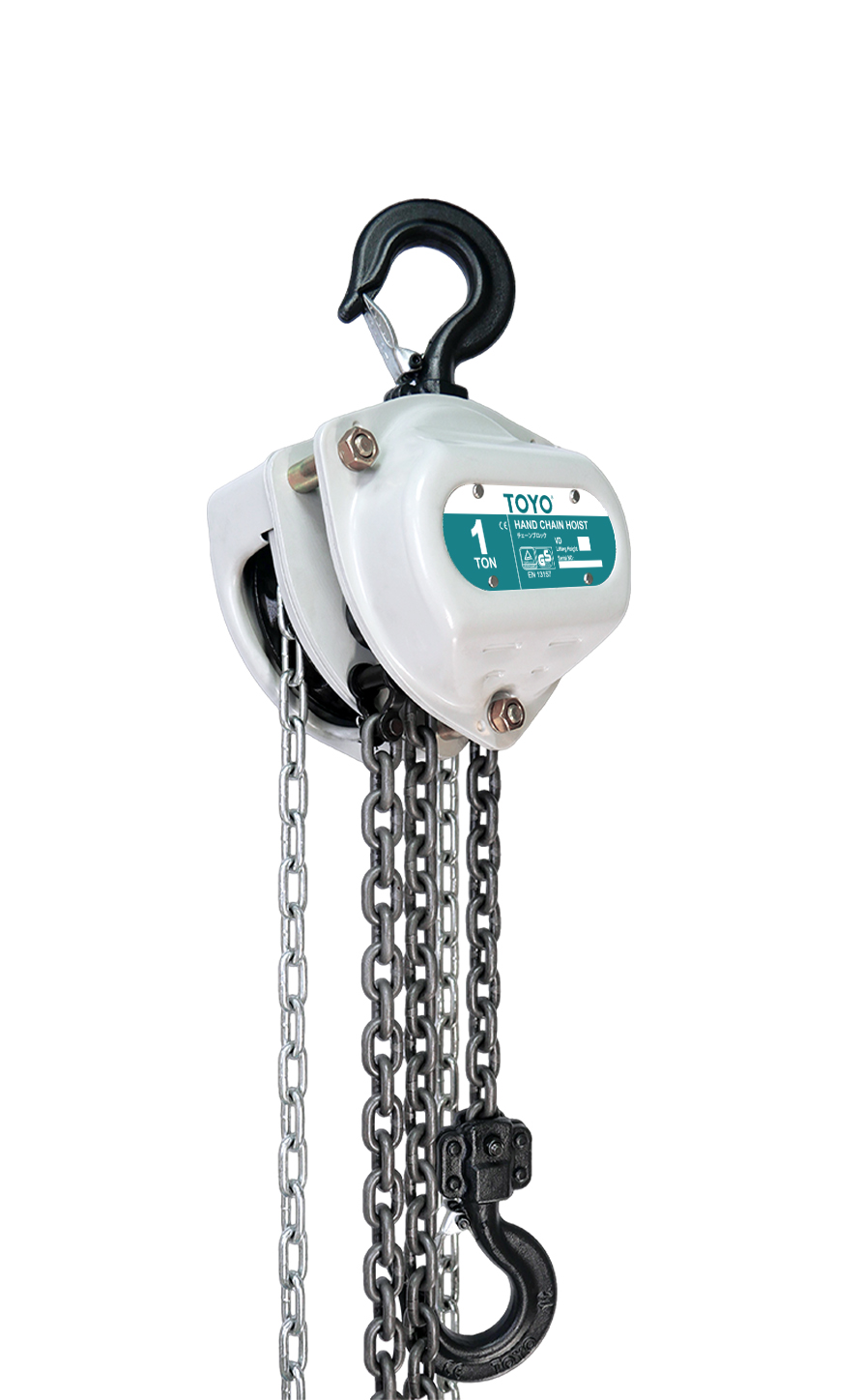
Dù tự động hóa đang thu hút sự chú ý của dư luận, các thiết bị nâng hạ thủ công vẫn là không thể thiếu trong nhiều ngành công nghiệp. A tời xích thường là lựa chọn hàng đầu của các đội bảo trì, xưởng sửa chữa nhỏ và các địa điểm hẻo lánh nơi nguồn điện không ổn định. Trong quá trình làm việc tại các đồn điền cọ dầu ở Malaysia, chúng tôi đã thống nhất sử dụng tời xích tay cho các công việc nâng động cơ thường xuyên vì loại thiết bị này không cần điện và chỉ yêu cầu mức đào tạo tối thiểu.
Palăng xích thủ công có nhiều mức tải trọng khác nhau, thường từ 0,5 đến 30 tấn. Các chỉ số chất lượng chính bao gồm cấp độ xích (G80 hoặc G100), cơ chế phanh (phanh tải kiểu Weston là tiêu chuẩn) và vật liệu vỏ (nhôm hoặc thép). Một sản phẩm được chế tạo chắc chắn tời xích có thể sử dụng được hơn một thập kỷ nếu được bảo quản đúng cách. Tuy nhiên, tôi đã từng gặp phải những sản phẩm giả mạo ở Trung Đông bị hỏng chỉ sau sáu tháng do sử dụng xích không đạt tiêu chuẩn. Hãy luôn kiểm tra kỹ các ký hiệu của nhà sản xuất và yêu cầu cung cấp chứng chỉ vật liệu.
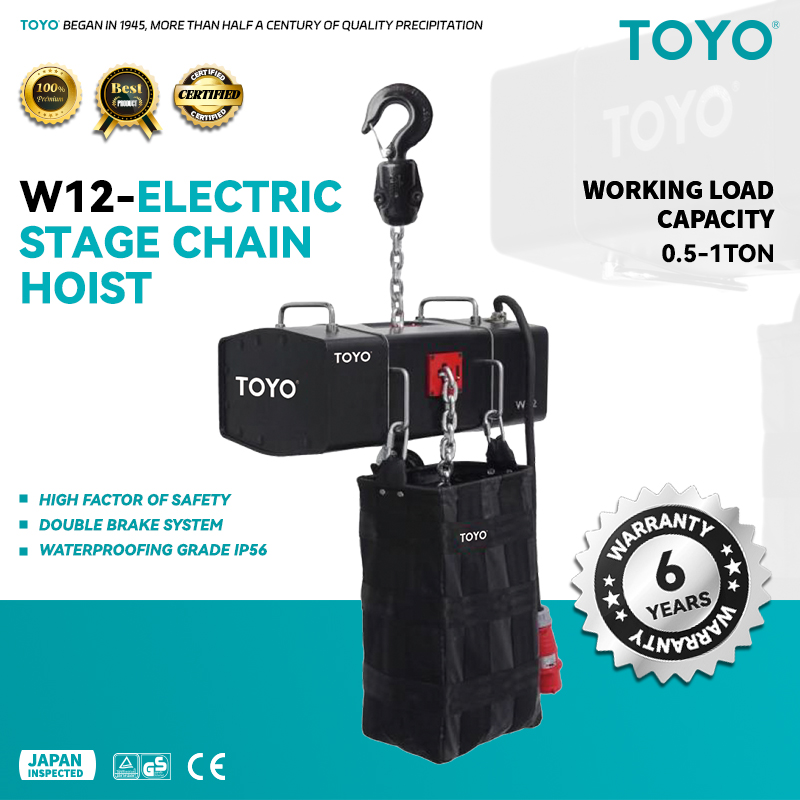
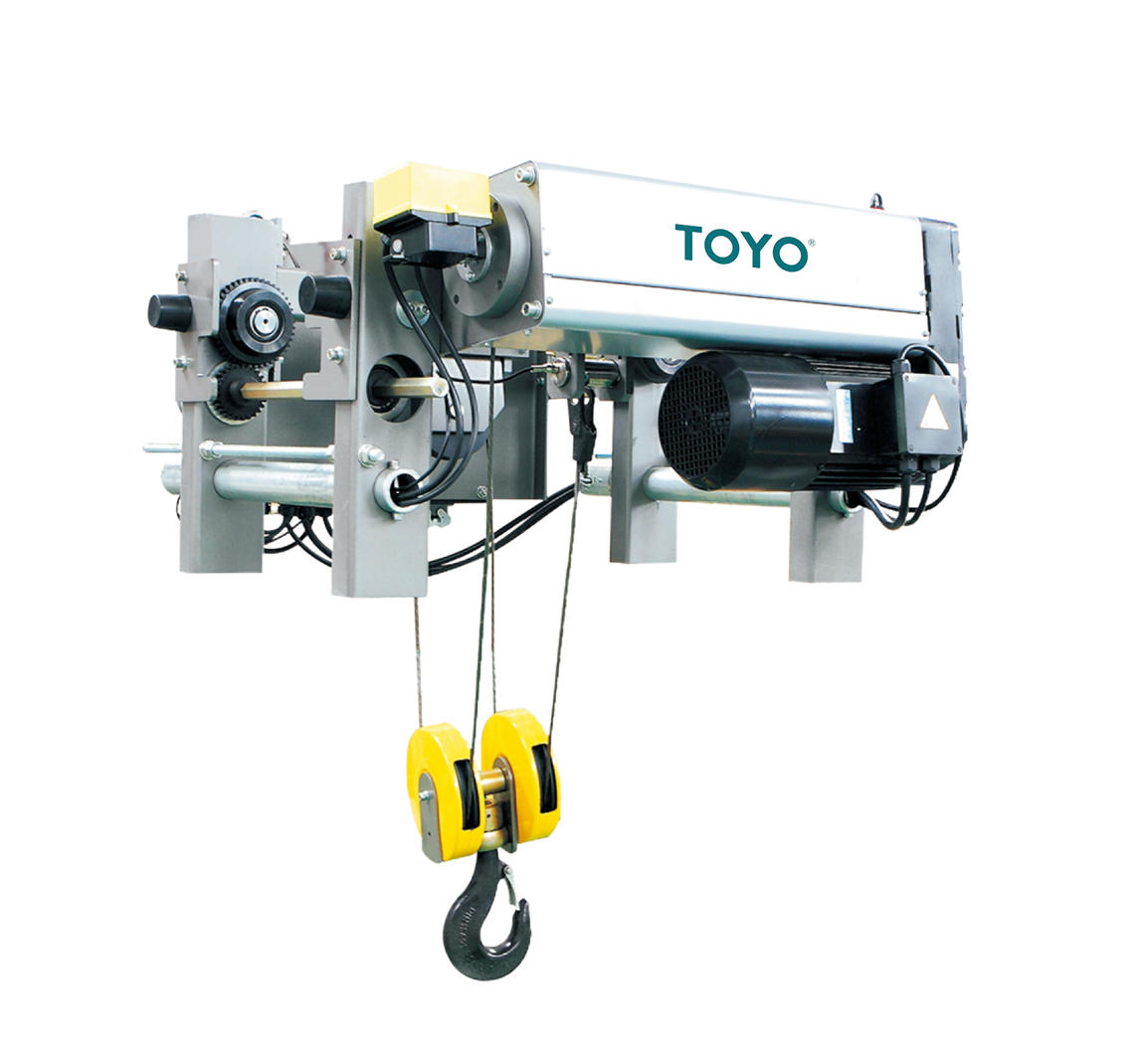
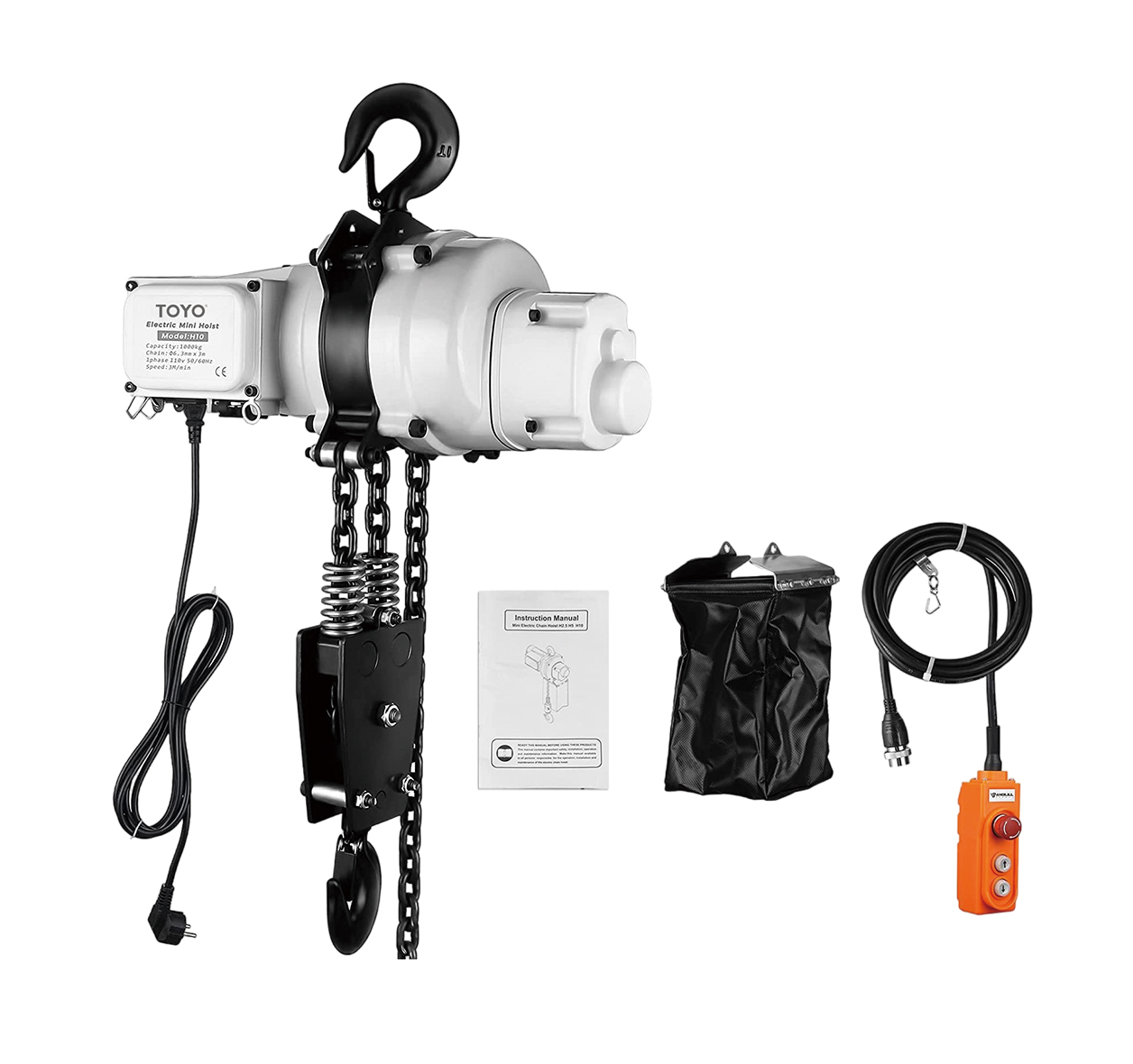
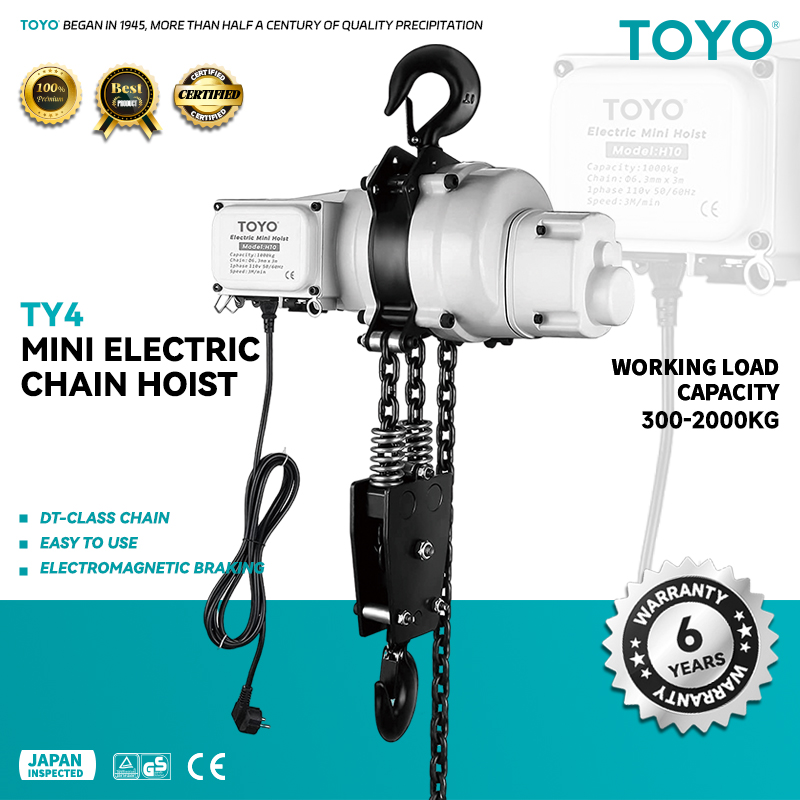
Ngoài các loại tời nâng thủ công, tời xích điện và tời cáp thép là những thiết bị chủ lực trong ngành sản xuất và xây dựng. Các mẫu tời điện mang lại tốc độ nâng nhanh hơn và có thể được tích hợp vào hệ thống cần trục treo. Trên các dây chuyền lắp ráp ô tô ở Nam Phi, tôi đã thấy các cần trục điện được trang bị bộ biến tần, cho phép định vị chính xác — điều này rất quan trọng để lắp đặt các bộ phận nặng mà không gây hư hỏng.
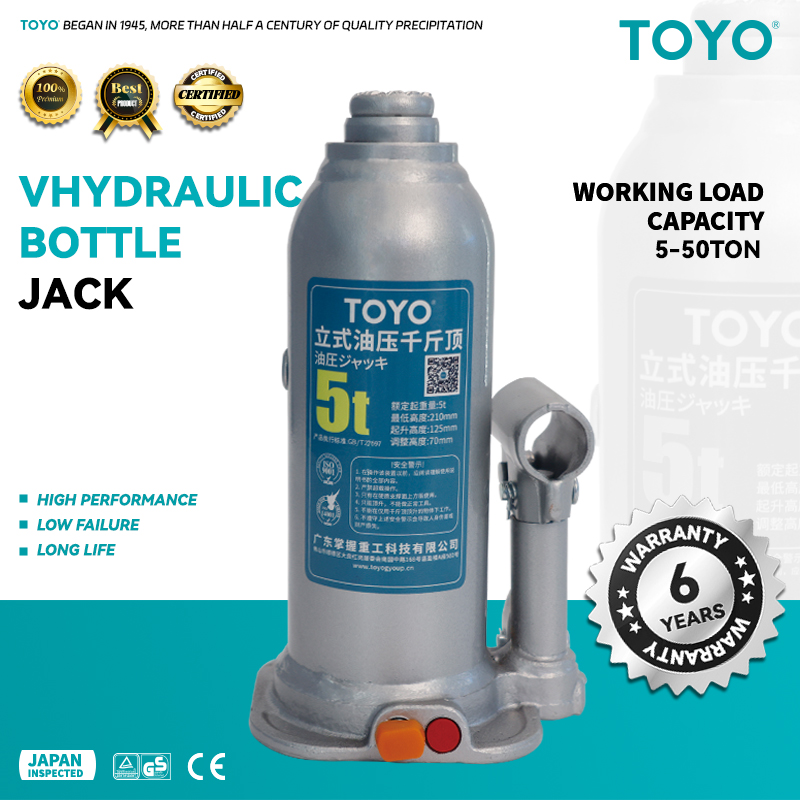
Đối với các ứng dụng chuyên biệt, kích thủy lực và tời khí nén đảm nhận những vai trò đặc thù. Hệ thống thủy lực phát huy ưu thế trong các môi trường có khoảng trống hẹp, trong khi các thiết bị khí nén lại lý tưởng cho môi trường dễ cháy nổ. Một nhà sản xuất có năng lực sẽ tư vấn cho bạn về các lựa chọn này thay vì chỉ đơn thuần đề xuất một sản phẩm “phù hợp với mọi trường hợp”. Trong một dự án tại một nhà máy hóa chất ở Nga, chúng tôi đã lựa chọn cần trục khí nén để loại bỏ nguy cơ cháy nổ, một quyết định được nhà sản xuất hỗ trợ bằng chứng nhận ATEX đầy đủ.
Khi đánh giá một dòng sản phẩm, hãy chú ý đến các thiết kế mô-đun giúp đơn giản hóa công tác bảo trì. Hiện nay, một số nhà sản xuất đã cung cấp các bộ dẫn xích có thể thay thế nhanh và ổ trục kín, giúp giảm thiểu thời gian ngừng hoạt động. Vào năm 2026, xu hướng sẽ nghiêng về các giải pháp lai — ví dụ như tời nâng thủ công kết hợp với bộ chỉ báo tải trọng kỹ thuật số — nhằm thu hẹp khoảng cách giữa mức giá phải chăng và các tính năng thông minh.
Các tiêu chuẩn an toàn vượt qua ranh giới quốc gia: ISO, OSHA và các quy định địa phương
An toàn là nền tảng không thể thỏa hiệp trong bất kỳ hoạt động nâng hạ nào. Với tư cách là nhà sản xuất hoặc người mua, quý vị phải làm quen với một hệ thống phức tạp gồm các tiêu chuẩn quốc tế và địa phương. Việc không nắm rõ các quy định này có thể dẫn đến tai nạn, trách nhiệm pháp lý và việc thiết bị bị tạm giữ tại hải quan.
Tiêu chuẩn quốc tế cốt lõi đối với các loại tời là ISO 16869:2008 (đối với tời xích vận hành bằng tay) và ISO 4301 (đối với phân loại cần trục). Tại châu Âu, dấu CE thể hiện sự tuân thủ Chỉ thị về Máy móc 2006/42/EC. Tuy nhiên, đối với Nga, dấu EAC là bắt buộc và yêu cầu phải được kiểm định bởi các cơ quan địa phương được công nhận. Tôi từng hỗ trợ một nhà thầu Ả Rập Xê Út nhập khẩu tời nâng châu Âu vào Nga mà không có chứng nhận EAC; lô hàng đã bị giữ lại tại hải quan trong sáu tuần, dẫn đến các khoản phí lưu kho khiến lợi nhuận của dự án' bị bù đắp hết.
Tại Hoa Kỳ, tiêu chuẩn OSHA 1910.179 quy định về cần trục treo và cần trục dầm, trong khi tiêu chuẩn ASME B30.16 áp dụng cho tời treo. Mặc dù các khu vực mục tiêu của quý vị có thể không thuộc phạm vi thẩm quyền của Hoa Kỳ, nhưng nhiều dự án toàn cầu vẫn tham chiếu các tiêu chuẩn này. OHSA của Nam Phi và SANS 10227 áp dụng các nguyên tắc tương tự. Quy định NR-12 của Brazil bắt buộc phải sử dụng các thiết bị an toàn cụ thể và thực hiện kiểm tra định kỳ. Các quốc gia Đông Nam Á thường áp dụng các tiêu chuẩn ISO với những sửa đổi phù hợp với điều kiện địa phương.
Từ góc độ của nhà sản xuất, thách thức nằm ở việc thiết kế thiết bị đáp ứng nhiều tiêu chuẩn mà không cần tùy chỉnh quá mức. Các nhà sản xuất tiên tiến hiện nay tích hợp các tính năng an toàn vượt quá yêu cầu tối thiểu: bảo vệ quá tải, nút dừng khẩn cấp và phanh tự động đã trở thành tiêu chuẩn trong thiết kế của họ. Khi đánh giá một nhà cung cấp mới, tôi yêu cầu họ cung cấp "hệ số an toàn thiết kế" — tỷ lệ giữa sức chịu tải tối đa và công suất định mức. Hệ số 4:1 trở lên cho thấy một phương pháp tiếp cận thận trọng, đặt an toàn lên hàng đầu.
Đối với người dùng cuối, việc kiểm tra tải trọng định kỳ và chứng nhận đều quan trọng như nhau. Tại Trung Đông, các công ty kiểm định bên thứ ba như TÜV và SGS được sử dụng rộng rãi. Tôi khuyến nghị lên lịch kiểm tra kỹ lưỡng mỗi 12 tháng, hoặc thường xuyên hơn trong các môi trường khắc nghiệt. Một nhà sản xuất uy tín sẽ cung cấp dịch vụ kiểm định hoặc đào tạo đội ngũ nội bộ của quý vị. Hãy nhớ rằng, chứng chỉ kiểm định hợp lệ không chỉ là yêu cầu pháp lý; đó còn là biện pháp bảo vệ tốt nhất của quý vị trong trường hợp xảy ra sự cố.
Bài học từ thực tiễn: Tránh những sai lầm tốn kém trong bảo trì
Về mặt lý thuyết, lịch trình bảo trì rất đơn giản. Tuy nhiên, trên thực tế, chúng thường bị bỏ qua cho đến khi có sự cố xảy ra. Tôi muốn chia sẻ hai trường hợp thực tế nhằm nêu bật cách thức mà việc bảo trì chủ động có thể giúp tiết kiệm chi phí và cứu sống con người.
Trường hợp 1: Cần trục xích bị rỉ sét tại một xưởng đóng tàu ở Việt Nam
Trong chuyến thăm tư vấn tại một xưởng đóng tàu ở Hải Phòng, tôi nhận thấy các công nhân đang gặp khó khăn khi vận hành một chiếc tời xích thủ công đòi hỏi phải dùng lực quá lớn. Sau khi kiểm tra, tôi phát hiện các mắt xích đã bị ăn mòn nghiêm trọng và phanh tải bị trượt. Giám đốc xưởng thừa nhận rằng họ chưa bao giờ bôi trơn xích vì “nó vẫn hoạt động được”. Chúng tôi đã thay thế toàn bộ cụm xích và phanh, đồng thời tôi thiết lập một quy trình bôi trơn đơn giản hàng tuần bằng chất bôi trơn màng khô phù hợp với môi trường hàng hải. Kết quả: cần trục vận hành trơn tru, và năng suất của đội ngũ công nhân tăng 20%. Quan trọng hơn, chúng tôi đã loại bỏ nguy cơ hàng hóa bị rơi. Từ kinh nghiệm đó, tôi nhận ra rằng ngay cả những thiết bị chắc chắn nhất tời xích cần được bảo dưỡng cơ bản. Giờ đây, tôi luôn yêu cầu phải có sổ theo dõi bảo dưỡng cho từng thiết bị nâng hạ.
Trường hợp 2: Cần trục điện bị quá tải tại một kho hàng ở Nam Phi
Một trung tâm phân phối thực phẩm ở Cape Town đã sử dụng cần trục xích điện có tải trọng định mức 2 tấn để nâng các pallet nặng 2,5 tấn một cách thường xuyên. Bộ ly hợp quá tải của cần trục đã bị một kỹ thuật viên trước đó vô hiệu hóa để “hoàn thành công việc”. Một ngày nọ, động cơ bị cháy giữa chừng khi đang nâng, khiến tải trọng rơi xuống, làm hư hỏng hàng hóa và suýt nữa đè trúng một công nhân. Nguyên nhân gốc rễ không chỉ là lỗi của người vận hành mà còn do sự thiếu giám sát từ phía quản lý. Chúng tôi đã lắp đặt một cần trục mới có bộ giới hạn quá tải chống can thiệp trái phép và áp dụng danh sách kiểm tra bắt buộc trước ca làm việc. Tôi cũng tổ chức một buổi đào tạo nửa ngày cho nhân viên về khả năng chịu tải và an toàn. Bài học rút ra: không bao giờ để áp lực vận hành lấn át các giới hạn của thiết bị. Một nhà sản xuất tốt sẽ thiết kế các thiết bị an toàn khó có thể bị vô hiệu hóa, nhưng kỷ luật tại hiện trường cũng quan trọng không kém.
Những trường hợp này nhấn mạnh một vấn đề rộng hơn: mối quan hệ của bạn với nhà sản xuất không nên chỉ dừng lại ở việc mua hàng. Các nhà sản xuất hàng đầu thường cung cấp các khóa đào tạo liên tục, bộ dụng cụ bảo trì và thậm chí cả dịch vụ chẩn đoán từ xa. Khi gặp sự cố, hãy nhấc điện thoại lên — các kỹ sư của họ có thể đã từng gặp trường hợp tương tự và có thể hướng dẫn bạn cách khắc phục.
So sánh các giải pháp nâng hạ: Bảng tham khảo nhanh
Việc lựa chọn thiết bị nâng phù hợp phụ thuộc vào tải trọng, môi trường làm việc và ngân sách của bạn. Bảng dưới đây tóm tắt những điểm khác biệt chính giữa tời xích thủ công, tời xích điện, tời cáp điện và kích thủy lực. Hãy sử dụng bảng này làm cơ sở ban đầu để thảo luận với nhà sản xuất.
| Tính năng | Tời xích điều khiển bằng tay | Tời xích điện | Tời cáp điện | Cần nâng thủy lực |
|---|---|---|---|---|
| Công suất tiêu chuẩn | 0,5 – 30 tấn | 0,25 – 10 tấn | 1 – 100 tấn | 5 – 500 tấn |
| Tốc độ nâng | Công việc thủ công, tốn thời gian | Từ trung bình đến nhanh | Nhanh chóng, có thể điều chỉnh bằng biến tần (VFD) | Rất chậm, chính xác |
| Nguồn điện | Không có (thao tác thủ công) | Điện (một pha/ba pha) | Điện (thường là ba pha) | Bơm tay hay bơm điện |
| Khả năng di động | Cao, nhẹ | Mức độ trung bình, cần nguồn điện | Lắp đặt thấp, thường là cố định | Vừa phải, gọn gàng |
| Độ bền trong điều kiện môi trường khắc nghiệt | Tốt khi được phủ lớp phủ phù hợp | Mức độ trung bình, nhạy cảm với bụi/độ ẩm | Tốt, có thể niêm phong được | Tuyệt vời, ít bộ phận chuyển động |
| Mức độ phức tạp trong bảo trì | Thấp | Trung bình (điện + cơ khí) | Trung bình-Cao | Thấp - Trung bình |
| Chi phí (tương đối) | $ | $$ | $$$ | $$ |
| Phù hợp nhất cho | Bảo trì, các cơ sở ở xa, ngân sách hạn hẹp | Dây chuyền sản xuất, việc nâng hạ thường xuyên | Cần trục treo trong ngành công nghiệp nặng | Vận chuyển hàng nặng với khoảng cách thấp |
Bảng này chỉ mang tính chất đơn giản hóa. Luôn tham khảo nhà sản xuất để có bảng thông số kỹ thuật chi tiết. Theo kinh nghiệm của tôi, nhiều dự án ở Đông Nam Á đạt hiệu quả cao nhờ kết hợp cả hai loại: tời xích thủ công làm dự phòng và tời điện cho sản xuất chính. Điều quan trọng là phải lựa chọn công cụ phù hợp với nhiệm vụ. Ngoài ra, hãy xem xét các yếu tố như chu kỳ làm việc, yêu cầu về chiều cao trần và giới hạn nhiệt độ môi trường. Một cần trục hoạt động hoàn hảo trong nhà máy có hệ thống điều hòa nhiệt độ có thể nhanh chóng hỏng hóc khi được sử dụng tại công trường ngoài trời ở Trung Đông. Nhà sản xuất của bạn nên cung cấp bảng dữ liệu kỹ thuật bao quát tất cả các biến số này.
Triển vọng năm 2026: Tự động hóa và các giải pháp nâng hạ thông minh
Ngành công nghiệp thiết bị nâng hạ cũng không nằm ngoài làn sóng chuyển đổi số đang lan rộng trong lĩnh vực sản xuất. Đến năm 2026, chúng ta sẽ chứng kiến ba xu hướng chính sẽ định hình cách các nhà sản xuất thiết kế và cách người dùng cuối vận hành thiết bị nâng hạ.
Thứ nhất, việc tích hợp IoT đang trở thành tiêu chuẩn. Các cần trục được trang bị cảm biến có thể truyền dữ liệu tải trọng, số lần nâng hạ và nhiệt độ động cơ đến bảng điều khiển trung tâm. Đối với một trung tâm logistics ở Dubai, gần đây tôi đã chỉ định sử dụng các cần trục điện có cảm biến tải không dây, giúp cảnh báo người giám sát nếu có dấu hiệu quá tải. Dữ liệu này cũng được đưa vào các thuật toán bảo trì dự đoán, giúp giảm thời gian ngừng hoạt động ngoài kế hoạch lên đến 30% theo báo cáo năm 2025 của Hiệp hội Kỹ sư Thiết bị Nâng hạ (LEEA).
Thứ hai, tự động hóa và robot đang thâm nhập vào lĩnh vực nâng hạ. Trong ngành công nghiệp ô tô của Nam Phi, các phương tiện dẫn hướng tự động (AGV) được trang bị cần nâng tích hợp đang dần thay thế xe nâng trong một số dây chuyền lắp ráp. Các hệ thống này yêu cầu các thiết bị nâng có khả năng giao tiếp qua các giao thức công nghiệp tiêu chuẩn như PROFINET hoặc EtherCAT. Các nhà sản xuất cung cấp giao diện điều khiển tương thích sẽ có lợi thế cạnh tranh.
Thứ ba, tính bền vững đang ngày càng được chú trọng. Động cơ tiết kiệm năng lượng, vật liệu có thể tái chế và chu kỳ bảo dưỡng kéo dài giúp giảm thiểu tác động đến môi trường. Tại châu Âu, đây đã là một yêu cầu bắt buộc trong quá trình mua sắm; còn tại các thị trường mới nổi, đây đang trở thành một yếu tố tạo sự khác biệt ngày càng quan trọng. Tôi nhận thấy rằng các khách hàng ở Trung Đông ngày càng yêu cầu cung cấp dữ liệu tiêu thụ năng lượng như một phần trong quá trình đánh giá hồ sơ dự thầu của họ.
Một xu hướng khác là sự chuyển dịch sang mô hình “dịch vụ hóa” — các nhà sản xuất cung cấp các mô hình “thiết bị dưới dạng dịch vụ”. Thay vì bán thẳng một chiếc tời nâng, họ cam kết đảm bảo thời gian hoạt động liên tục với một khoản phí hàng tháng. Mô hình này đang ngày càng được ưa chuộng trong ngành khai thác mỏ của Nam Phi, nơi chi tiêu vốn đang bị giám sát chặt chẽ. Điều này giúp hài hòa lợi ích của nhà sản xuất với nhu cầu về độ tin cậy của người dùng. Khi đánh giá một nhà sản xuất, hãy hỏi xem họ có cung cấp các mô hình thương mại linh hoạt vượt ra ngoài hình thức mua bán truyền thống hay không.
Đối với các nhà mua hàng tại Nam Mỹ, Nga, Đông Nam Á, Trung Đông và Nam Phi, những xu hướng này có nghĩa là nhà sản xuất mà quý vị lựa chọn ngày hôm nay cần phải có một lộ trình công nghệ rõ ràng. Hãy tìm hiểu về các khoản đầu tư vào nghiên cứu và phát triển (R&D) của họ cũng như khả năng nâng cấp sản phẩm bằng các mô-đun thông minh. Một chiếc tời xích mua vào năm 2026 có thể vẫn còn được sử dụng vào năm 2040; do đó, đảm bảo thiết bị này có thể thích ứng với các yêu cầu trong tương lai là một quyết định sáng suốt.
Các nguồn tin đáng tin cậy và tài liệu tham khảo thêm
Để hiểu sâu hơn về các tiêu chuẩn liên quan đến thiết bị nâng hạ và diễn biến thị trường, hãy tham khảo các nguồn tài liệu sau đây. Các liên kết này cung cấp các quy định chính thức, các quy tắc thực hành trong ngành và dữ liệu nghiên cứu thị trường.
- Hiệp hội Kỹ sư Thiết bị Nâng hạ (LEEA) – “Quy tắc thực hành về việc sử dụng an toàn thiết bị nâng hạ”. https://www.leea.co.uk
- ISO 16869:2008 – “Palăng xích vận hành bằng tay — Yêu cầu an toàn”. https://www.iso.org/standard/40857.html
- OSHA 1910.179 – “Cần trục treo và cần trục dầm”. https://www.osha.gov/laws-regs/regulations/standardnumber/1910/1910.179
- ASME B30.16 – “Palăng treo trên cao (loại treo dưới)”. https://www.asme.org/codes-standards/b30-16-overhead-hoists
- Grand View Research – “Báo cáo phân tích quy mô, thị phần và xu hướng thị trường tời nâng”. https://www.grandviewresearch.com/industry-analysis/hoists-market
Bạn đã sẵn sàng nâng tầm hoạt động nâng hạ của mình chưa?
Dù bạn đang tìm kiếm tời xích thủ công cho một đồn điền ở Indonesia hay hệ thống cần cẩu hoàn toàn tự động cho một trung tâm logistics ở Dubai, việc lựa chọn nhà sản xuất phù hợp sẽ tạo nên sự khác biệt lớn. Đừng chấp nhận những giải pháp chung chung có thể ảnh hưởng đến an toàn hoặc năng suất. Hãy liên hệ với đội ngũ kỹ sư của chúng tôi ngay hôm nay để được tư vấn miễn phí và nhận đề xuất tùy chỉnh, giải quyết các thách thức cụ thể về khu vực và hoạt động của bạn. Hãy cùng nhau xây dựng một tương lai an toàn và hiệu quả hơn — từng lần nâng một.