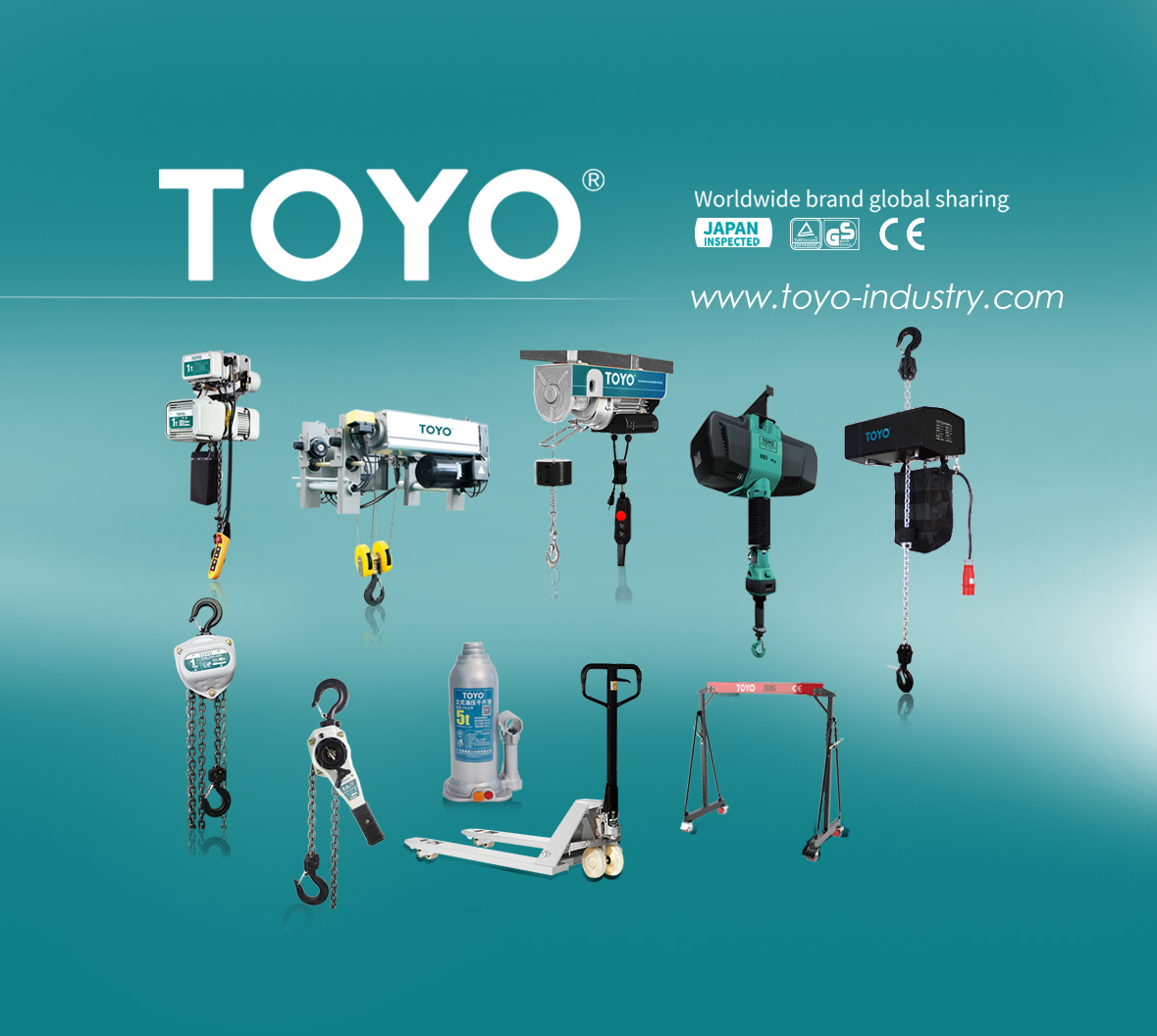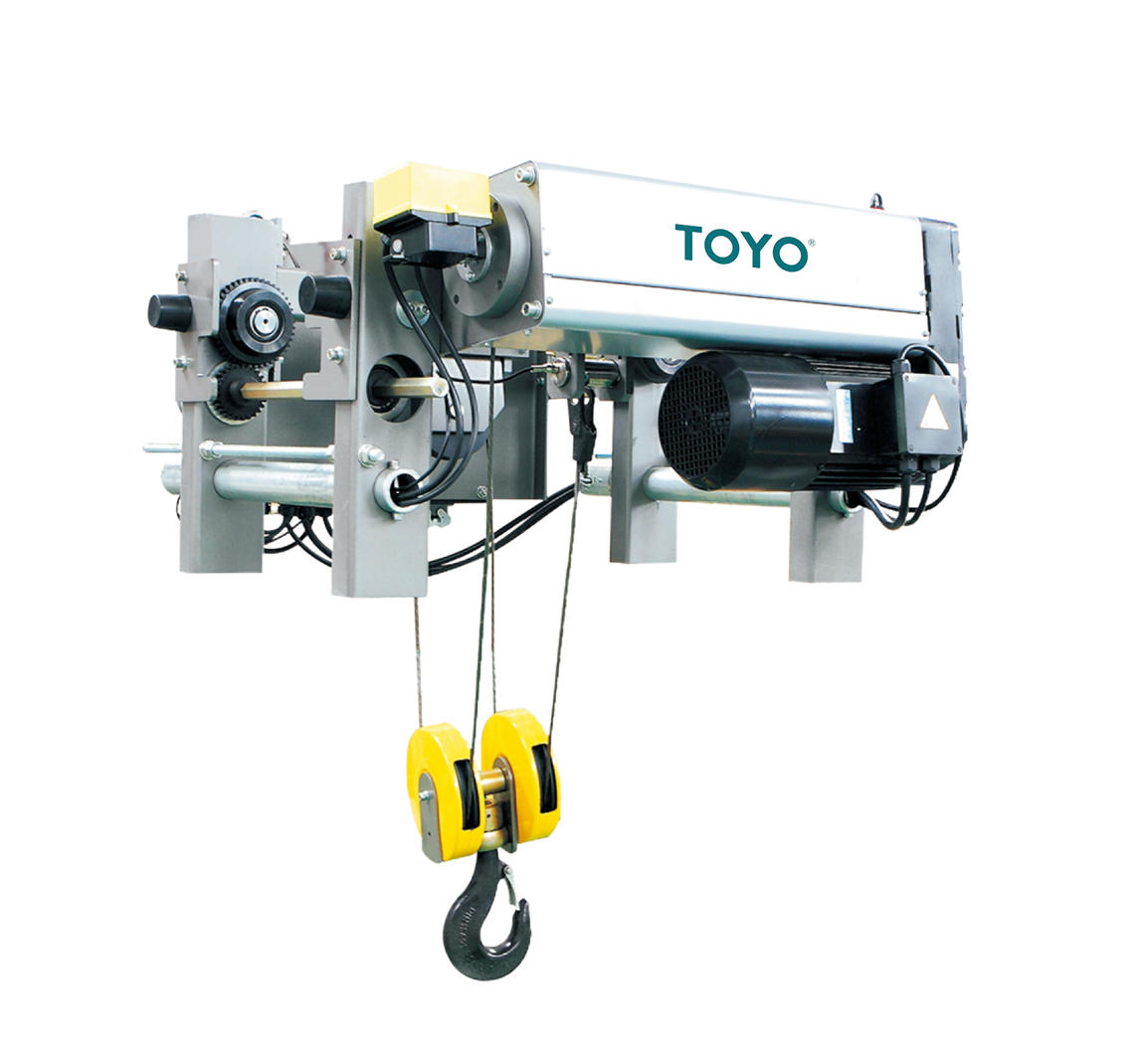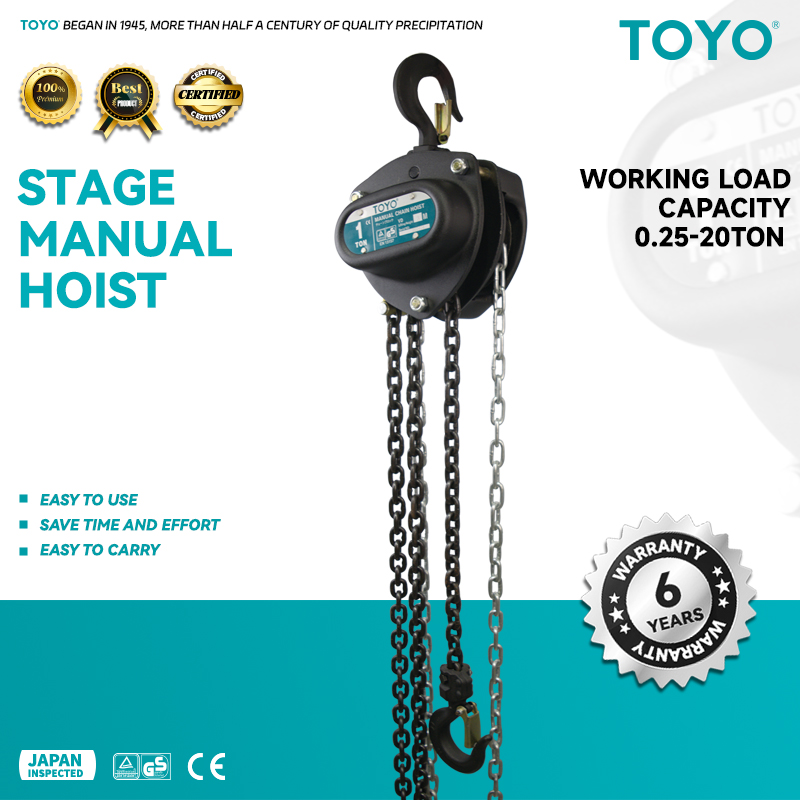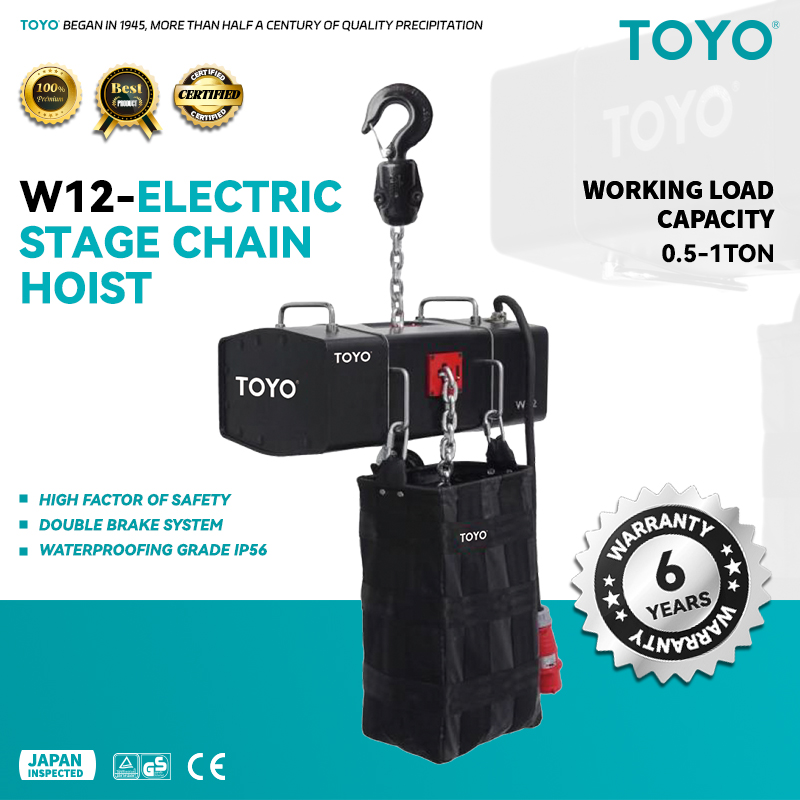
Nếu bạn đang tìm nguồn cung ứng thiết bị nâng hạ tại Các Tiểu vương quốc Ả Rập Thống nhất Đối với một mạng lưới phân phối đang ngày càng mở rộng tại Nam Mỹ, Đông Nam Á, Trung Đông hay Nam Phi, quý vị hẳn đã biết rằng giá cả thôi chưa đủ để đảm bảo một giao dịch an toàn và bền vững. Đến năm 2026, Các Tiểu vương quốc Ả Rập Thống nhất (UAE) đã củng cố vị thế là trung tâm tái xuất khẩu thiết bị xử lý vật liệu, song thị trường vẫn tràn ngập các sản phẩm nhái không được chứng nhận và hàng tồn kho lỗi thời. Cẩm nang này được tổng hợp từ 15 năm kinh nghiệm thực tế tại nhà máy và hiện trường, nhằm cung cấp cho bạn một lộ trình chuyên nghiệp và có thể áp dụng ngay — từ việc lựa chọn tời xích tay phù hợp đến việc kiểm tra hồ sơ xử lý nhiệt của nhà cung cấp.
Hiểu rõ thị trường thiết bị nâng hạ tại Các Tiểu vương quốc Ả Rập Thống nhất (UAE) vào năm 2026
Quy mô thị trường, tốc độ tăng trưởng và các yếu tố thúc đẩy chính
Thị trường thiết bị nâng hạ của Các Tiểu vương quốc Ả Rập Thống nhất (UAE) đạt mức ước tính 410 triệu USD vào năm 2025 và dự kiến sẽ tăng trưởng với tốc độ tăng trưởng kép hàng năm là 5,8% cho đến năm 2030, được thúc đẩy bởi các dự án cơ sở hạ tầng liên quan đến hiệu ứng lan tỏa từ “Tầm nhìn 2030” của Ả Rập Xê Út, Kế hoạch Tổng thể Đô thị Dubai 2040, cùng với sự mở rộng logistics cảng tại Jebel Ali và Cảng Khalifa. Nhu cầu về tời xích điện đã tăng 22% so với cùng kỳ năm trước chỉ trong quý đầu tiên của năm 2026, một phần do các kho hàng tại Dubai South đang tự động hóa với tốc độ kỷ lục. Đối với các nhà nhập khẩu tại Brazil, Nigeria hoặc Indonesia, điều này có nghĩa là UAE mang đến sự kết hợp độc đáo giữa việc miễn thuế hải quan đối với hàng tái xuất, các tuyến vận chuyển nhanh chóng và sự tập trung của các nhà phân phối quốc tế.
Tại sao Các Tiểu vương quốc Ả Rập Thống nhất (UAE) lại là trung tâm phân phối thiết bị nâng hạ của Trung Đông?
So với việc nhập hàng trực tiếp từ Trung Quốc hoặc Ấn Độ, việc mua hàng thông qua các nhà phân phối có trụ sở tại Các Tiểu vương quốc Ả Rập Thống nhất (UAE) giúp rút ngắn thời gian giao hàng cho các khách hàng ở Trung Đông và châu Phi trung bình 18 ngày. Các khu vực miễn thuế của UAE cho phép sở hữu 100% bởi nước ngoài và miễn thuế VAT đối với thiết bị nâng hạ tái xuất khẩu, giúp chi phí nhập khẩu thấp hơn 7–12% so với việc vận chuyển qua các trung tâm ở châu Âu. Riêng Khu vực miễn thuế Jebel Ali (JAFZA) đã có hơn 120 nhà kinh doanh thiết bị nâng hạ đã đăng ký. Tuy nhiên, không phải tất cả các doanh nghiệp này đều có chứng chỉ phê duyệt kiểu loại từ Chương trình Đánh giá Sự phù hợp của Các Tiểu vương quốc Ả Rập Thống nhất (ECAS) hoặc tài liệu theo tiêu chuẩn EN 14492-2. Nhóm của tôi đã kiểm tra ba kho hàng tại JAFZA vào năm 2025 và phát hiện chỉ có 40% đơn vị có thể cung cấp thông tin truy xuất nguồn gốc đầy đủ cho các dây xích nâng của cần trục điện.
Các xu hướng mới nổi: Tự động hóa, IoT và vật liệu có độ bền kéo cao
Các thiết bị nâng thông minh được trang bị cảm biến lực, có khả năng truyền dữ liệu trọng lượng theo thời gian thực lên bảng điều khiển trên đám mây, đang chuyển từ giai đoạn thử nghiệm sang được áp dụng rộng rãi trong ngành dầu khí của Các Tiểu vương quốc Ả Rập Thống nhất (UAE). Dây đai polyester có độ bền kéo cao với hệ số an toàn 7:1 đang thay thế dây đai cáp thép trong các ứng dụng tại xưởng đóng tàu, giúp giảm trọng lượng 60% trong khi vẫn duy trì khả năng chịu tải 12 tấn. Chúng ta cũng đang chứng kiến sự ra đời của những chiếc tời nâng thủ công tích hợp IoT đầu tiên, có khả năng ghi lại từng chu kỳ nâng qua Bluetooth, cho phép lập lịch bảo trì dự đoán — một sự đổi mới sẽ định hình lại các hợp đồng dịch vụ vào năm 2028.
Các loại thiết bị nâng hạ không thể thiếu trong hoạt động tại Các Tiểu vương quốc Ả Rập Thống nhất (UAE)
Palăng xích vận hành bằng tay so với palăng đòn bẩy: Khi nào nên sử dụng loại nào
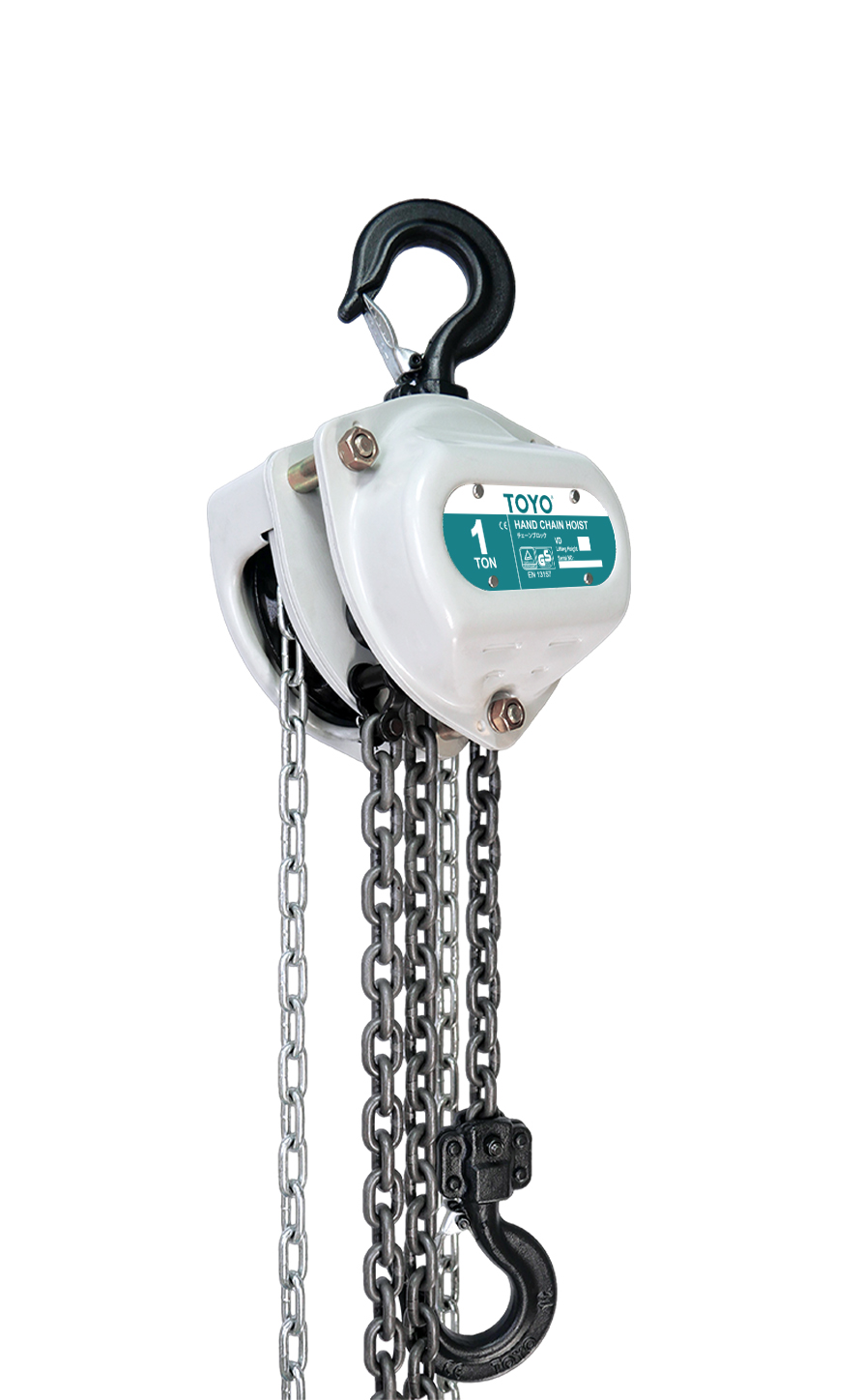
Palăng xích điều khiển bằng tay cho phép nâng dọc bằng xích tay, rất lý tưởng cho các hệ thống lắp đặt cố định trên cao. Palăng đòn bẩy cho phép kéo ngang và nâng dọc, nhờ đó rất linh hoạt trong việc định vị tải trong không gian chật hẹp. Trong một cuộc khảo sát năm 2024 với 400 quản đốc công trình tại Các Tiểu vương quốc Ả Rập Thống nhất (UAE), cần trục đòn bẩy được ưa chuộng hơn cho công tác lắp dựng kết cấu thép vì chúng có thể kéo các dầm vào vị trí thẳng hàng, trong khi cần trục xích tay là lựa chọn hàng đầu cho các công việc nâng hạ dọc lặp đi lặp lại trong xưởng bảo trì. Bảng dưới đây so sánh các thông số hiệu suất chính.
| Tính năng | Tời xích điều khiển bằng tay | Tời tay |
|---|---|---|
| Chuyển động chính | Chỉ nâng dọc | Nâng dọc + kéo ngang |
| Phạm vi công suất điển hình | 0,5 tấn – 35 tấn | 0,25 tấn – 9 tấn |
| Ứng dụng lý tưởng | Thiết bị nâng cố định cho bàn làm việc | Định vị tại công trường, căng dây |
| Khả năng điều chỉnh độ dài xích | Kích thước tiêu chuẩn; có sẵn các chiều dài tùy chỉnh | Tay nắm dạng cần gạt tiêu chuẩn; không có xích vô tận |
| Phạm vi giá (FOB UAE, năm 2026) | 80 – 1.200 USD | 70 – 900 USD |
Palăng xích điện: Tăng hiệu quả và phân tích tỷ suất hoàn vốn (ROI)
Palăng xích điện giúp giảm thời gian chu kỳ nâng xuống tới 70% so với các mẫu palăng thủ công. Một chiếc palăng điện 2 tấn có chức năng điều khiển hai tốc độ có thể thực hiện 20 lần nâng mỗi giờ, so với chỉ 6 lần nâng của palăng thủ công, từ đó trực tiếp tăng năng suất kho hàng. Chi phí mua ban đầu cao hơn từ 3 đến 5 lần, nhưng thời gian hoàn vốn tại một trung tâm logistics sầm uất ở Dubai trung bình là 11 tháng khi tính đến tiết kiệm chi phí nhân công và giảm mệt mỏi cho người lao động. Một trong những nhà phân phối của chúng tôi tại Ả Rập Xê Út đã báo cáo số đơn xin nghỉ ốm giảm 34% sau khi thay thế tời nâng thủ công bằng tời điện tại một kho lạnh.
Kẹp nâng và dây đai chịu lực cao: Tiêu chí lựa chọn cho các ngành công nghiệp nặng
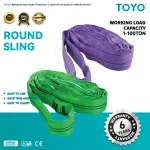
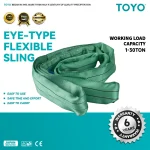
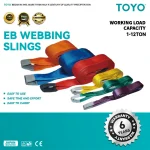
Kẹp nâng phải phù hợp với độ cứng vật liệu và bề mặt của tải. Đối với các tấm thép kết cấu có độ dày trên 30 mm, nên sử dụng kẹp tấm thẳng đứng có phạm vi kẹp tối thiểu từ 0–40 mm và hệ số an toàn là 5. Dây đai tròn có độ bền kéo cao làm từ sợi polyester với hệ số an toàn 7:1 hiện là tiêu chuẩn cho các hoạt động nâng hạ ngoài khơi tại vùng biển UAE, theo quy định nâng hạ năm 2025 của ADNOC. Luôn yêu cầu nhãn mác trên dây đai ghi rõ tải trọng làm việc tối đa (WLL), số seri và ngày kiểm tra. Trong một dự án gần đây cho một nhà chế tạo thiết bị dầu khí ở Nigeria, chúng tôi đã cung cấp 120 dây đai polyester có gắn thẻ RFID, cho phép truy xuất lịch sử kiểm tra ngay lập tức và giảm 40% thời gian kiểm tra trước khi sử dụng.
Bảng kiểm tra lựa chọn nhanh cho các mức tải khác nhau
- Tải trọng dưới 1 tấn và có thể di chuyển: tời đòn bẩy có chức năng bảo vệ quá tải
- Tải trọng 1–5 t, nâng hạ dọc lặp đi lặp lại: tời xích tay có bộ dẫn hướng xích tải
- Tải trọng 2–10 tấn, tần suất hoạt động cao: tời xích điện điều khiển bằng biến tần (VFD)
- Tải trọng trên 10 tấn hoặc có hình dạng không đều: kết hợp giữa tời điện và dầm nâng có thể điều chỉnh cùng với dây đai chịu lực cao
- Khu vực nguy hiểm (Vùng 1 hoặc 2): Tời điện được chứng nhận ATEX hoặc tời tay chống tia lửa
Các tiêu chuẩn tuân thủ và an toàn đối với thiết bị nâng hạ tại Các Tiểu vương quốc Ả Rập Thống nhất (UAE)
Các quy định bắt buộc: Tiêu chuẩn ISO, EN và các tiêu chuẩn địa phương của UAE
Thiết bị nâng hạ được bán tại Các Tiểu vương quốc Ả Rập Thống nhất (UAE) phải tuân thủ tiêu chuẩn UAE.S 5033:2022 (áp dụng tiêu chuẩn EN 13157 đối với tời nâng tay và EN 14492-2 đối với tời nâng điện). Ngoài ra, tiêu chuẩn ISO 16872:2015 quy định về móc nâng bằng thép rèn. Chương trình Đánh giá Sự phù hợp của Các Tiểu vương quốc Ả Rập Thống nhất (ECAS) yêu cầu phải có Giấy chứng nhận sự phù hợp do một tổ chức được công nhận như TÜV hoặc SGS cấp. Đối với thiết bị được đưa vào ngành dầu khí của Abu Dhabi, Quy định về Hoạt động Nâng hạ và Thiết bị Nâng hạ (LOLER) của ADNOC quy định khoảng thời gian kiểm tra kỹ lưỡng là 6 tháng — gấp đôi so với yêu cầu 12 tháng của Vương quốc Anh. Việc không tuân thủ có thể dẫn đến lệnh cấm hoạt động ngay lập tức tại công trường và mức phạt lên đến 50.000 AED cho mỗi vụ vi phạm.
Những sai lầm thường gặp trong quá trình chứng nhận và cách khắc phục
Một cạm bẫy thường gặp đối với các nhà nhập khẩu là chấp nhận “tự khai CE” của nhà cung cấp mà không có kết quả kiểm tra kiểu EC do bên thứ ba thực hiện. Chỉ riêng dấu CE là không đủ để làm thủ tục hải quan tại UAE đối với thiết bị nâng; quý vị cần có chứng chỉ do Cơ quan được chỉ định cấp. Năm 2025, một người mua từ Colombia đã bị giữ lại một container tời đòn bẩy tại Cảng Jebel Ali trong 45 ngày vì Tuyên bố Tuân thủ của nhà sản xuất tham chiếu đến tiêu chuẩn EN 13157:2004+A1:2009 đã hết hiệu lực. Luôn kiểm tra xem chứng chỉ có trích dẫn phiên bản tiêu chuẩn mới nhất hay không và có kèm theo báo cáo thử nghiệm hợp lệ từ phòng thí nghiệm được công nhận theo tiêu chuẩn ISO 17025 hay không.
Sự thật về dấu CE so với việc kiểm định bởi bên thứ ba trong khu vực
Có một quan niệm sai lầm phổ biến rằng bất kỳ thiết bị nâng nào có dấu CE đều được phép sử dụng hợp pháp tại Các Tiểu vương quốc Ả Rập Thống nhất (UAE). Thực tế là: Các cơ quan chức năng của UAE yêu cầu phải có sự xác nhận của bên thứ ba đối với dấu CE thông qua việc đăng ký ECAS hoặc ESMA. Dấu CE không có số Cơ quan Thông báo (ví dụ: 0036 cho TÜV SÜD) thường là hàng giả. Chúng tôi đã chứng kiến các nhà máy Trung Quốc in logo CE mà không qua bất kỳ thử nghiệm nào. Trước khi xuất hàng, hãy yêu cầu Bản Tuyên bố Tuân thủ của EU và đối chiếu chứng chỉ của Cơ quan Được Chỉ định trên cơ sở dữ liệu Nando. Bước đơn giản này đã giúp một khách hàng của chúng tôi tại Đông Nam Á tránh được khoản phạt từ chối nhập khẩu trị giá 12.000 USD vào năm 2026.
Các yếu tố chi phí và tổng chi phí sở hữu trên thị trường Các Tiểu vương quốc Ả Rập Thống nhất
Phân tích chi tiết giá của tời kéo tay so với tời kéo điện
Một chiếc tời xích tay tiêu chuẩn 3 tấn của một thương hiệu uy tín nhà cung cấp tời xích Tại Các Tiểu vương quốc Ả Rập Thống nhất (UAE), giá dao động từ 150 USD đến 350 USD theo điều kiện FOB, tùy thuộc vào cấp độ xích và tính năng bảo vệ quá tải. Một cần trục xích điện tương đương có tải trọng 3 tấn, trang bị chế độ hai tốc độ và hệ thống di chuyển xe đẩy, có giá khởi điểm từ 1.800 USD và có thể lên tới 4.200 USD đối với mẫu điều khiển bằng biến tần (VFD). Chênh lệch giá này chủ yếu do chi phí động cơ, hộp số và bảng điều khiển. Tuy nhiên, mức tiêu thụ năng lượng của thiết bị điện chỉ là 2,2 kW, tương đương khoảng 0,26 USD cho mỗi giờ hoạt động theo mức giá điện công nghiệp tại UAE (0,12 USD/kWh), khiến chi phí biến đổi này trở nên không đáng kể so với khoản tiết kiệm chi phí nhân công.
Các chi phí ẩn: Phí vận chuyển, thuế nhập khẩu và dịch vụ hậu mãi tại Các Tiểu vương quốc Ả Rập Thống nhất (UAE)
Nhiều người mua lần đầu thường bỏ qua chi phí xin Giấy chứng nhận tuân thủ ECAS, dao động từ 400 đến 1.200 USD cho mỗi dòng sản phẩm. Cước vận chuyển đường biển từ Jebel Ali đến Santos, Brazil, cho một container 20 feet chở tời nâng có mức trung bình là 3.800 USD trong quý 2 năm 2026. Thuế nhập khẩu tại các nước đích khác nhau: Nam Phi áp dụng mức thuế 15% đối với tời điện thuộc mã HS 8425.11, trong khi Indonesia thu 7,5% cộng với 10% thuế VAT. Luôn dự trù kinh phí cho việc kiểm tra bởi bên thứ ba tại kho hàng ở UAE trước khi vận chuyển — với chi phí khoảng 600 USD — để tránh phải thực hiện các công việc sửa chữa tốn kém tại điểm đến.
Nghiên cứu điển hình: Hiệu quả đầu tư (ROI) khi chuyển từ tời kéo thủ công sang tời kéo điện tại một kho hàng ở Dubai
Năm 2025, một công ty logistics chuỗi lạnh có trụ sở tại Dubai đã thay thế 12 cần trục thủ công 2 tấn bằng 8 cần trục điện hai tốc độ. Các cần trục thủ công cần 3 nhân viên vận hành mỗi ca làm việc; trong khi đó, các cần trục điện chỉ cần 1 nhân viên vận hành. Chi phí nhân công giảm từ 18.000 AED xuống còn 7.000 AED mỗi tháng. Tổng vốn đầu tư là 96.000 AED và thời gian hoàn vốn là 8,7 tháng. Ngoài ra, thời gian một chu kỳ nâng hạ đã giảm từ 4 phút xuống còn 1,2 phút, giúp tăng sản lượng pallet hàng ngày lên 2.101 TP3T. Dữ liệu thực tế này nhấn mạnh rằng tời điện không chỉ là một khoản chi phí vốn mà còn là yếu tố nhân đôi năng suất.
Cách chọn nhà cung cấp thiết bị nâng hạ đáng tin cậy tại Các Tiểu vương quốc Ả Rập Thống nhất (UAE)
7 dấu hiệu cảnh báo cần lưu ý khi đánh giá các nhà phân phối tại Các Tiểu vương quốc Ả Rập Thống nhất (UAE)
- Nhà phân phối không thể cung cấp Giấy chứng nhận tuân thủ ECAS hợp lệ cho chính xác mẫu sản phẩm mà quý khách dự định mua.
- Các chứng chỉ chuỗi cung ứng là chứng chỉ chung, không có khả năng truy xuất nguồn gốc theo số lô sản xuất đến nhà máy thép.
- Cuộc kiểm tra tại kho hàng cho thấy sự tồn kho hỗn hợp gồm các sản phẩm có dấu CE và không có dấu CE, cho thấy có hoạt động nhập khẩu song song.
- Giá niêm yết thấp hơn mức trung bình thị trường cho các sản phẩm cùng thông số kỹ thuật hơn 25% — điều này thường là dấu hiệu cho thấy xích không được chứng nhận hoặc móc đúc.
- Dịch vụ hậu mãi chỉ bao gồm số điện thoại di động; không có trung tâm dịch vụ chuyên dụng hay kho phụ tùng tại Các Tiểu vương quốc Ả Rập Thống nhất (UAE).
- Nhà cung cấp từ chối cung cấp chứng chỉ của Cơ quan được chỉ định hoặc các báo cáo thử nghiệm, với lý do “bảo mật”.
- Điều khoản thanh toán yêu cầu thanh toán trước theo hình thức 100% mà không có bất kỳ khoản bảo lãnh thực hiện hợp đồng hay lựa chọn ký quỹ nào.
Danh sách kiểm tra đánh giá nhà máy: Những điều cần lưu ý trước khi đặt hàng số lượng lớn
- Chứng chỉ ISO 9001:2015 còn hiệu lực và được cấp bởi một tổ chức được IAF công nhận
- Máy thử độ bền kéo nội bộ có giấy chứng nhận hiệu chuẩn hợp lệ (ISO 7500-1)
- Biên bản lò xử lý nhiệt ghi rõ nhiệt độ làm nguội nhanh và nhiệt độ ủ cho dây xích tải (nhiệt độ làm nguội nhanh tối thiểu 800°C, nhiệt độ ủ 400°C)
- Kết quả thử nghiệm độ cứng mẫu xích tải (HRC 42–48 đối với xích loại 80)
- Bản ghi kết quả thử nghiệm mỏi đối với móc: 20.000 chu kỳ ở mức 1,5 lần tải trọng làm việc tối đa (WLL) mà không bị biến dạng
- Hệ thống truy xuất nguồn gốc liên kết số sê-ri của từng cần trục với lô nguyên liệu thô
- Thử nghiệm tải trọng kiểm định sản phẩm hoàn thiện ở mức 1,5 lần WLL, có ghi hình
Thương lượng các điều khoản thanh toán và điều kiện bảo hành
Thời hạn bảo hành tiêu chuẩn cho tời tay trên thị trường UAE là 12 tháng kể từ ngày giao hàng, trong khi tời điện thường có thời hạn bảo hành 18 tháng. Thương lượng để có được bảo hành bao gồm cả xích tải trong trường hợp xích bị giãn quá mức 5% — đây là dấu hiệu của quá tải. Yêu cầu thanh toán trước 30%, 60% khi xuất trình chứng từ vận chuyển và 10% sau khi kiểm tra vận hành thành công tại điểm đến. Đối với các đơn hàng trên 50.000 USD, hãy yêu cầu một khoản bảo lãnh thực hiện trị giá 10% từ một ngân hàng tại UAE. Cơ cấu này bảo vệ cả hai bên và tạo động lực chung hướng tới chất lượng.
Bảo trì, kiểm tra và tối ưu hóa tuổi thọ
Kiểm tra hàng ngày so với kiểm tra định kỳ: Hướng dẫn từng bước
Việc kiểm tra hàng ngày trước khi sử dụng phải bao gồm kiểm tra bằng mắt thường xích nâng để phát hiện các vết xước, xoắn hoặc ăn mòn; đo độ mở cổ móc (không được vượt quá 10% so với kích thước ban đầu); và kiểm tra chức năng của phanh. Việc kiểm tra kỹ lưỡng định kỳ 6 tháng một lần — theo yêu cầu của LOLER của UAE đối với các hoạt động ngoài khơi và dầu khí — phải được lập thành văn bản và bao gồm kiểm tra hạt từ tính đối với móc, đo độ dày các mắt xích bằng sóng siêu âm và kiểm tra mô-men xoắn của phanh tải. Tôi khuyến nghị tạo sổ nhật ký kỹ thuật số bằng một ứng dụng đơn giản trên máy tính bảng; một trong những khách hàng của chúng tôi đã giảm 35% giờ công kiểm tra sau khi chuyển từ hồ sơ giấy sang hình thức này.
5 sai lầm hàng đầu trong bảo trì khiến tuổi thọ của tời bị rút ngắn
- Bôi trơn xích tải bằng mỡ bôi trơn đặc thay vì dùng bình xịt bôi trơn thấm sâu, vì loại mỡ này sẽ giữ lại bụi mài mòn.
- Nếu bỏ qua sự biến dạng nhẹ của lưỡi câu — việc tăng kích thước lỗ cổ lưỡi câu 5% có thể làm giảm độ bền của lưỡi câu xuống 20%.
- Sử dụng tời vượt quá công suất định mức; một chiếc tời tay có công suất định mức 300 chu kỳ mỗi ngày sẽ bị mòn bánh răng sớm nếu được sử dụng 500 lần mỗi ngày.
- Việc bảo quản tời điện trong điều kiện ẩm ướt mà không bật hệ thống sưởi động cơ đã dẫn đến hiện tượng hỏng cách điện cuộn dây.
- Việc bỏ qua việc điều chỉnh khe hở phanh hàng năm trên tời điện có thể dẫn đến hiện tượng trượt phanh và nguy cơ làm rơi tải.
Các công cụ và tài nguyên dành cho các đội kiểm tra nội bộ
Các dụng cụ thiết yếu bao gồm thước kẹp điện tử có độ phân giải 0,01 mm, thước đo “đạt/không đạt” để kiểm tra độ giãn dài bước xích (tối đa 2% trên 11 mắt xích) và khung từ để kiểm tra móc. Tài nguyên miễn phí: “Quy tắc Thực hành về Sử dụng An toàn Thiết bị Nâng hạ” của LEEA cung cấp danh sách kiểm tra chi tiết; Bộ Công nghiệp và Công nghệ Tiên tiến (MoIAT) của Các Tiểu vương quốc Ả Rập Thống nhất (UAE) đã công bố tài liệu hướng dẫn về tuân thủ ECAS đối với thiết bị nâng hạ. Đầu tư 2.000 USD vào các dụng cụ kiểm tra cơ bản có thể ngăn chặn một vụ tai nạn trị giá 20.000 USD.
Đảm bảo đội xe thiết bị nâng hạ của bạn luôn sẵn sàng cho tương lai tại Trung Đông
Thiết bị nâng thông minh và bảo trì dự đoán: Những điều có thể mong đợi vào năm 2028
Đến năm 2028, ít nhất 30% cần trục điện mới được bán tại các nước thuộc Hội đồng Hợp tác Vùng Vịnh (GCC) sẽ được trang bị cảm biến tích hợp để đo dòng điện động cơ, độ căng xích và mức mòn phanh. Những cần trục thông minh này sẽ gửi cảnh báo khi một thông số nào đó lệch khỏi mức cơ sở, giúp thực hiện bảo trì trước khi xảy ra sự cố. Các doanh nghiệp tiên phong trong ngành khí tự nhiên hóa lỏng (LNG) tại Qatar đã báo cáo mức giảm 45% về thời gian ngừng hoạt động ngoài kế hoạch. Đối với các nhà phân phối, việc cung cấp cần trục thông minh kèm theo dịch vụ giám sát theo hình thức đăng ký có thể tạo ra nguồn thu nhập định kỳ từ 150–300 USD mỗi đơn vị mỗi năm.
Tính bền vững và tời điện tiết kiệm năng lượng
Các động cơ hiệu suất siêu cao cấp IE4 hiện đã được trang bị cho các tời xích điện, giúp giảm mức tiêu thụ năng lượng tới 12% so với các mẫu IE3. Các tời chạy bằng năng lượng mặt trời với bộ pin tích hợp đang được thử nghiệm tại các công trường xây dựng ở vùng sâu vùng xa của UAE, giúp loại bỏ chi phí nhiên liệu cho máy phát điện. Chương trình “Green Agenda 2030” của UAE khuyến khích các nhà mua sắm trong ngành công nghiệp lựa chọn thiết bị có Tuyên bố Môi trường Sản phẩm (EPD); việc chỉ định sử dụng tời được chứng nhận EPD có thể nâng cao điểm số bền vững của dự án và có thể trở thành yêu cầu bắt buộc trong các gói thầu của chính phủ sau năm 2027.
Chuẩn bị cho những thay đổi về quy định: Cập nhật về tiêu chuẩn hóa của GCC
Tổ chức Tiêu chuẩn hóa Hội đồng Hợp tác Vùng Vịnh (GSO) đang soạn thảo một quy định thống nhất về thiết bị nâng hạ, dự kiến sẽ có hiệu lực vào năm 2027. Quy định này sẽ yêu cầu chứng nhận của bên thứ ba đối với tất cả các phụ kiện nâng hạ, bao gồm dây đai và móc còng, tương tự như Quy định về Máy móc của Liên minh Châu Âu 2023/1230. Các nhà mua hàng nên bắt đầu yêu cầu các báo cáo thử nghiệm tuân thủ GSO ngay từ bây giờ để tránh tình trạng không tuân thủ trong tương lai. Nhà máy của chúng tôi đã điều chỉnh các tài liệu của mình cho phù hợp với dự thảo tiêu chuẩn GSO, và chúng tôi khuyến nghị tất cả các đối tác lâu năm cũng nên làm như vậy.
Những bài học thực tiễn từ các dự án thiết bị nâng hạ tại Các Tiểu vương quốc Ả Rập Thống nhất (UAE)
Nghiên cứu điển hình: Giảm thời gian ngừng hoạt động 40% nhờ lựa chọn dây đai nâng phù hợp tại Abu Dhabi
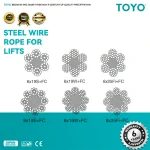
Năm 2024, một nhà máy chế tạo thép ở Abu Dhabi đã gặp phải tình trạng dây cẩu thường xuyên bị hỏng khi nâng các dầm nặng 8 tấn bằng dây cẩu dây thép. Các sợi dây thép đã làm mòn các mép dầm và phải thay thế thường xuyên. Chúng tôi đã khuyến nghị chuyển sang sử dụng dây đai tròn polyester có độ bền kéo cao kèm ống bảo vệ. Kết quả: tuổi thọ của dây đai tăng từ 3 tháng lên 14 tháng, và hư hỏng bề mặt dầm giảm xuống còn 0. Thời gian ngừng hoạt động liên quan đến việc thay dây đai giảm 40%, giúp nhà máy tiết kiệm ước tính 180.000 AED mỗi năm. Trường hợp này nhấn mạnh rằng việc lựa chọn vật liệu dây đai không chỉ ảnh hưởng trực tiếp đến an toàn mà còn tác động trực tiếp đến tính liên tục của sản xuất.
Góc nhìn của nhà phân phối: Những hiểu lầm của người mua Nam Mỹ về hàng nhập khẩu từ Các Tiểu vương quốc Ả Rập Thống nhất
Theo kinh nghiệm của tôi trong việc quản lý xuất khẩu sang Brazil, Chile và Peru, sai lầm phổ biến nhất là cho rằng hàng hóa từ UAE có chất lượng tương đương với hàng châu Âu mà không tiến hành kiểm tra xác minh. Một nhà nhập khẩu Brazil từng đặt hàng 200 chiếc tời xích tay từ một nhà buôn tại JAFZA mà không yêu cầu giấy chứng nhận kiểm tra vật liệu. Khi lô hàng đến São Paulo, cơ quan quản lý địa phương INMETRO đã từ chối các sản phẩm này vì xích tải không có chứng nhận EN 818-7. Quá trình cấp lại chứng nhận mất 3 tháng và tốn 15.000 USD. Sau sự cố đó, chúng tôi đã áp dụng bộ hồ sơ bắt buộc cho mọi đơn hàng tại Nam Mỹ: chứng chỉ kiểm tra của nhà máy, chứng nhận ECAS CoC và báo cáo kiểm tra trước khi xuất hàng của bên thứ ba. Hiện nay, các đối tác Nam Mỹ của chúng tôi thông quan trong vòng chưa đầy 7 ngày.
Từ cơ bản đến nâng cao: Đào tạo đội ngũ của bạn về cách vận hành tời xích
Người mới bắt đầu phải nắm vững danh sách kiểm tra trước khi sử dụng, kỹ thuật vận hành xích tay đúng cách (không giật mạnh) và việc căn chỉnh tâm tải. Người vận hành có kinh nghiệm nên học cách phân tích các số liệu đo độ giãn dài của xích tải và thực hiện việc điều chỉnh phanh. Chúng tôi đã phát triển một mô-đun đào tạo kéo dài nửa ngày, kết hợp giữa lý thuyết trên lớp và thực hành kiểm tra tải trọng. Sau khi đào tạo 150 người vận hành tại các xưởng đóng tàu ở Đông Nam Á vào năm 2025, chúng tôi ghi nhận sự sụt giảm 60% trong số các vụ tai nạn do sử dụng sai cách thiết bị nâng. Các nhà phân phối cung cấp đào tạo như một dịch vụ giá trị gia tăng sẽ thấy tỷ lệ giữ chân khách hàng cao hơn và có thể tính phí cao hơn cho thiết bị của họ.
Mỗi lần bạn mua thiết bị nâng hạ cho thị trường UAE — hoặc thông qua các kênh phân phối tại UAE — đều tiềm ẩn những hệ lụy lâu dài về an toàn, pháp lý và tài chính. Sự khác biệt giữa một chiếc tời có tuổi thọ 10 năm và một chiếc hỏng hóc sau 18 tháng thường chỉ nằm ở vài milimet độ cứng của xích hoặc một chứng chỉ kiểm định bị thiếu. Trước khi quyết định đặt hàng số lượng lớn, hãy yêu cầu báo cáo kiểm toán nhà máy kèm theo nhật ký xử lý nhiệt và video thử tải. Yêu cầu chứng chỉ kiểm định vật liệu cho từng lô xích và móc. Hãy đến thăm kho hàng của nhà cung cấp hoặc chỉ định một đại lý kiểm tra tại địa phương để xác minh rằng những gì bạn đã thanh toán chính xác là những gì được xếp vào container. Những bước này không phải là các thủ tục tùy chọn; chúng là nền tảng cho một doanh nghiệp thiết bị nâng hạ đáng tin cậy và sinh lời trong năm 2026 và những năm tiếp theo.
Tài liệu tham khảo (nofollow):
ISO 16872:2015 — Móc nâng bằng thép rèn
Quy tắc thực hành của LEEA về việc sử dụng an toàn thiết bị nâng hạ
Bộ Công nghiệp và Công nghệ Tiên tiến Các Tiểu vương quốc Ả Rập Thống nhất — Chứng nhận tuân thủ ECAS
Tổ chức Tiêu chuẩn hóa Hội đồng Hợp tác Vùng Vịnh (GSO) — Dự thảo quy định về thiết bị nâng hạ
Quy định về Hoạt động Nâng hạ và Thiết bị Nâng hạ của ADNOC (LOLER)