How to Choose the Right Lifting Equipment for Your UAE Project?
Assessing Load Capacity, Lifting Height, and Duty Cycles for UAE Standards
Every lifting task in the UAE starts with three critical parameters: load capacity, lifting height, and duty cycle. Overlooking any of these can lead to equipment failure or safety incidents. For example, a hoist rated for 2 tonnes cannot safely handle a 2.5-tonne load, even occasionally. UAE projects often involve heavy prefabricated modules in construction or massive valves in oil and gas. You need to calculate the maximum working load limit (WLL) and add a safety margin of at least 25%.
Lifting height is equally vital. High-rise construction in Dubai demands hoists with extended lift heights, sometimes exceeding 50 meters. Standard manual chain hoists may not be practical for such heights due to chain length and operator effort. Duty cycle, classified by FEM or ISO standards (such as ISO 4301), indicates how frequently the equipment can operate without overheating. For continuous operations in manufacturing plants, a hoist with a high duty rating (e.g., FEM 2m or M5) is essential.
UAE regulations often reference these international standards, so ensure your equipment documentation clearly states the duty classification. I’ve seen projects delayed because the procured hoist had a lower duty cycle than required by the site safety plan.
Environmental Considerations: Selecting Equipment for UAE’s Climate and Worksite Conditions
The UAE’s extreme summer heat, frequent sandstorms, and coastal humidity create a harsh environment for lifting gear. Temperatures can soar above 50°C, causing standard lubricants to thin out and electrical components to overheat. In my experience managing a project in Abu Dhabi’s Mussafah area, we had a manual chain hoist jam due to fine sand infiltrating the gear mechanism. The downtime cost us nearly two days.
For outdoor or desert sites, look for hoists with sealed gearboxes, corrosion-resistant coatings, and high-temperature grease. Stainless steel or galvanized components are a must for offshore and coastal applications. Electric hoists should have IP65-rated enclosures to keep out dust and moisture. Slings made from synthetic materials like polyester can degrade under UV exposure, so UV-resistant treatments are worth the extra cost.
Always assess the specific worksite conditions before ordering equipment. A hoist that works perfectly in a climate-controlled warehouse may fail quickly on an open construction site in Jebel Ali.
Navigating UAE Safety Regulations and International Certifications (ISO, CE, ASME)
UAE authorities take lifting safety seriously. Equipment used on-site must often carry Emirates Conformity Assessment Scheme (ECAS) or ESMA certification, especially for electrical products. International certifications like CE marking, ASME B30 series, and ISO 9001 are widely recognized but may not be sufficient on their own. Customs can detain shipments lacking proper documentation.
Before purchasing, request the supplier’s certificate of conformity and test reports from accredited bodies. For electric hoists, ensure they comply with UAE’s electrical safety regulations. Third-party inspection from companies like TUV or Bureau Veritas is often required for high-risk applications in oil and gas.
Working with a supplier familiar with UAE import procedures can save weeks of delays. They can handle the paperwork for ESMA registration and provide locally compliant user manuals in English and Arabic.
Manual vs. Powered Lifting: A Step-by-Step Decision Framework
Choosing between manual and powered lifting equipment doesn’t have to be complicated. Start by answering these questions: How often will the lift be performed? Is a stable power source available on site? What is the maximum load weight?
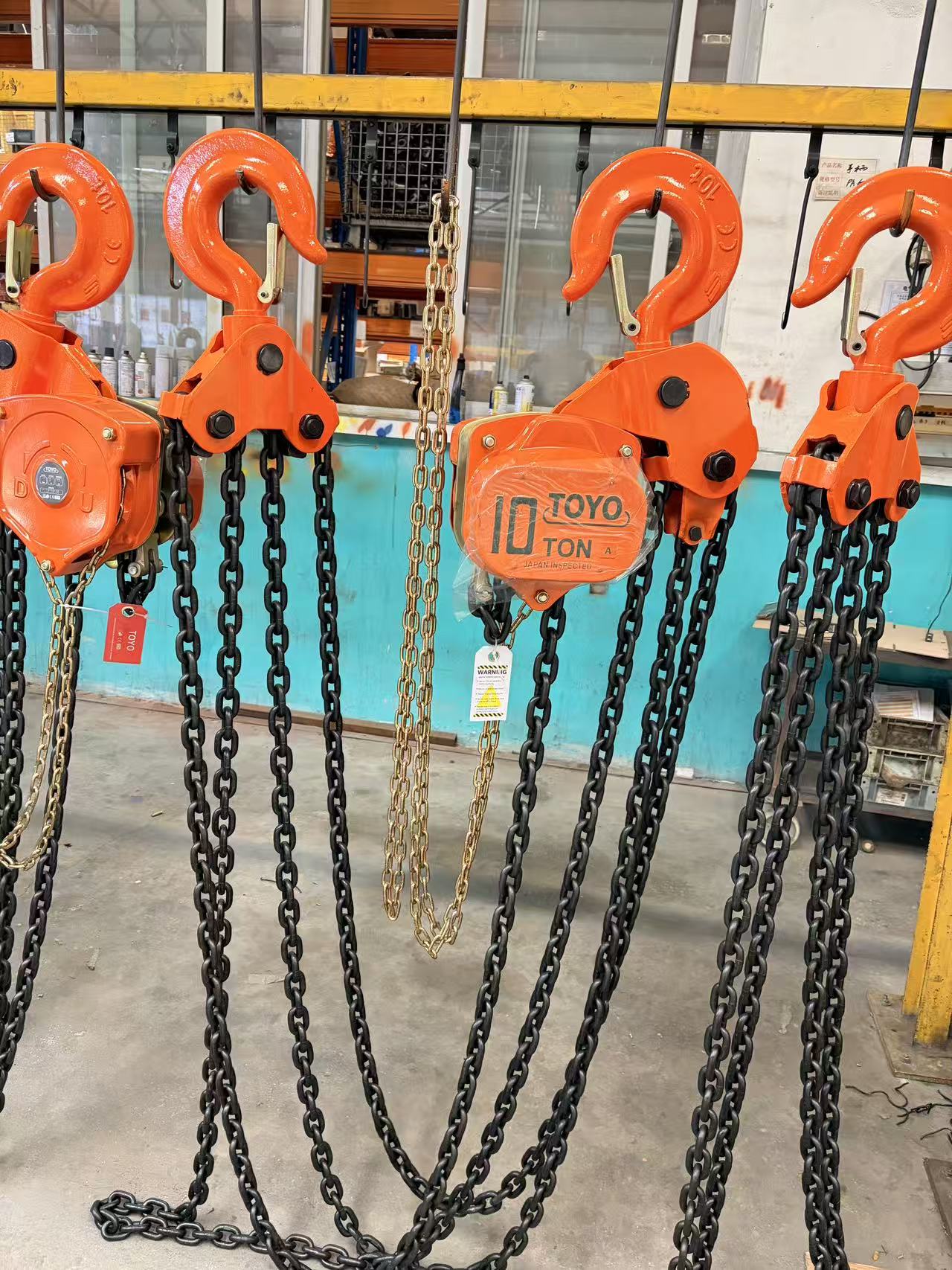
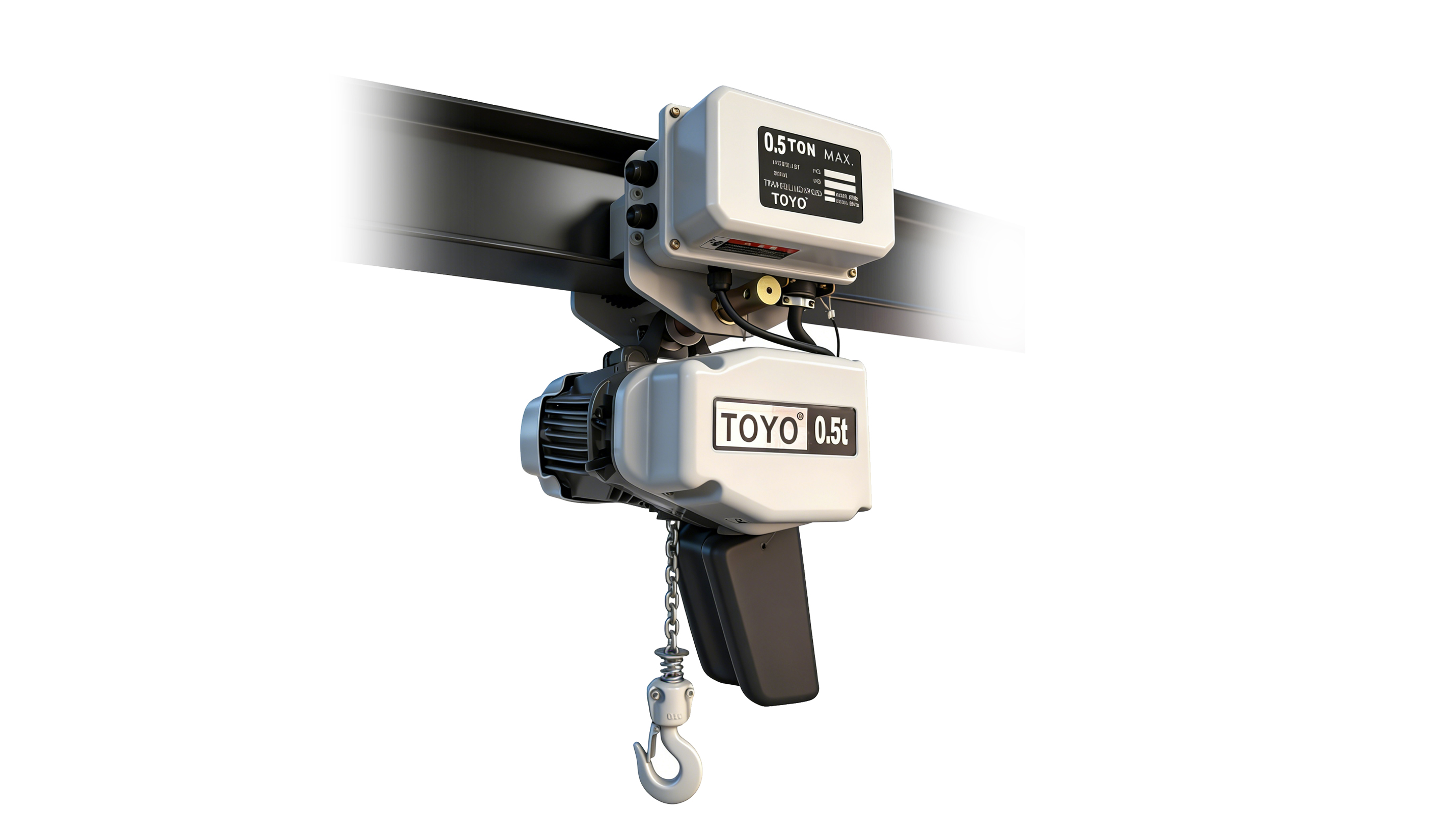
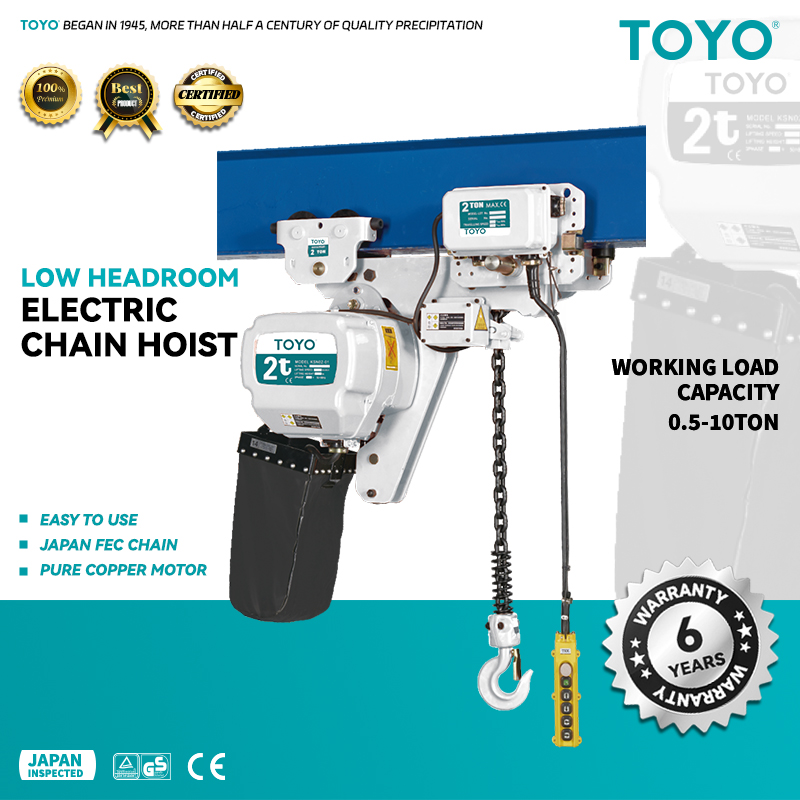
If lifting is occasional (less than 5 times per day) and the load is under 3 tonnes, a manual chain hoist offers a cost-effective solution. It requires no electricity and can be easily moved between locations. However, for repetitive tasks or loads above 5 tonnes, an electric chain hoist dramatically improves productivity and reduces worker strain.
Also consider the precision needed. Electric hoists with variable speed control allow for accurate positioning of sensitive equipment. In UAE factories assembling precision machinery, this feature alone justifies the higher investment. Use this simple framework: low frequency + low budget = manual; high frequency + high precision = electric.
Key Features to Look for in Hoists, Clamps, and Slings for UAE Applications
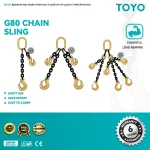
When evaluating specific lifting components, focus on safety features and durability. For hoists, look for overload protection, emergency stop functions, and upper/lower limit switches. The chain should be made of grade 80 or grade 100 alloy steel, which withstands abrasion better in sandy conditions.
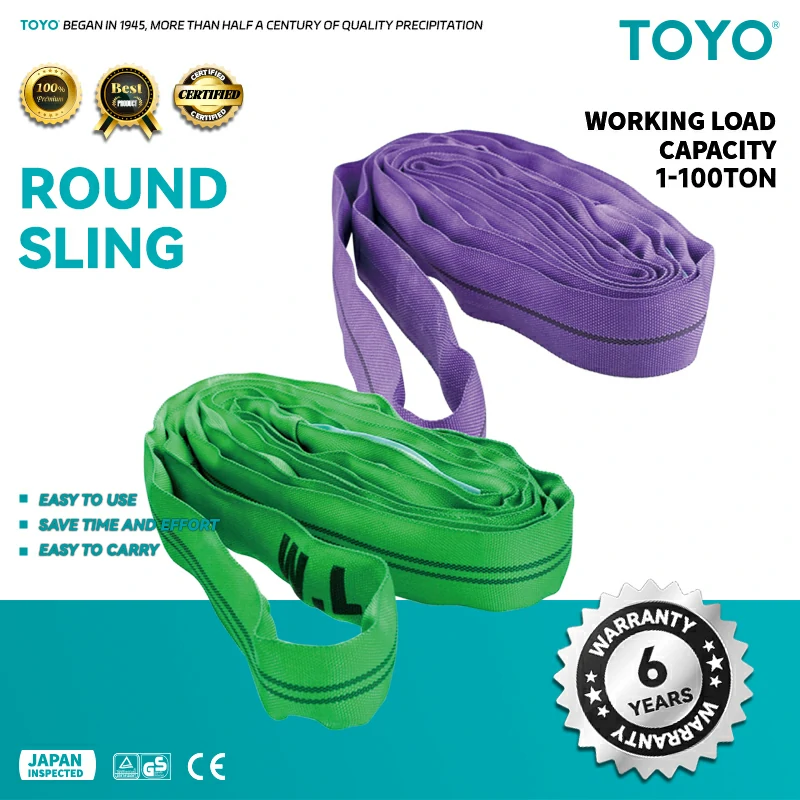
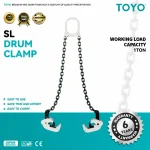
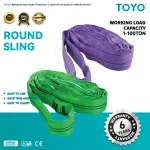
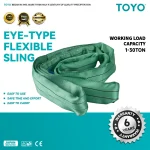
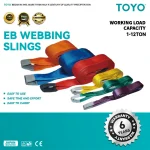
Clamps and grabs must have a secure locking mechanism and a wide jaw opening to accommodate different beam sizes used in UAE steel structures. Slings should have a safety factor of at least 5:1, with clear labeling showing WLL, material, and inspection date. Polyester round slings are popular for their light weight and flexibility, but ensure they are chemically resistant if used near petrochemicals.
Partnering with a knowledgeable proveedor de polipastos de cadena can help you select equipment that meets both international standards and local job site demands. They can also advise on proper storage and inspection routines to extend service life.
Manual Chain Hoists vs. Electric Chain Hoists: Which Is Better for UAE Industries?
Performance Comparison: Speed, Precision, and Operator Fatigue in UAE Worksites
Speed is often the most noticeable difference. A typical manual chain hoist lifts at about 0.5 to 1 meter per minute, depending on operator effort. In contrast, an electric chain hoist can achieve 4 to 8 meters per minute. On a UAE construction site where time is tightly scheduled, this speed gap translates directly into project delays or savings.
Precision is another factor. Electric hoists equipped with variable frequency drives (VFD) allow millimeter-accurate positioning, crucial when installing heavy machinery or aligning structural steel. Manual hoists rely on the operator’s feel, which can be inconsistent. Operator fatigue is a serious concern in UAE summers; pulling a manual chain for multiple lifts in 45°C heat reduces productivity and increases safety risks.
The table below summarizes the key performance and operational differences between the two types:
| Característica | Polipasto manual de cadena | Polipasto eléctrico de cadena |
|---|---|---|
| Velocidad de elevación | 0.5 – 1 m/min | 4 – 8 m/min |
| Load Capacity Range | 0.5 – 20 tonnes | 0.5 – 50+ tonnes |
| Control de precisión | Manual, limited | VFD control, high precision |
| Fatiga del operador | High in repetitive tasks | Mínimo |
| Coste inicial | $200 – $800 | $1,000 – $5,000+ |
| Complejidad del mantenimiento | Low, simple mechanics | Moderate, electrical checks needed |
| Aplicación ideal | Occasional lifts, remote sites | Frequent lifts, production lines |
Cost Analysis: Initial Purchase, Installation, and Long-Term Operational Costs in UAE
Manual chain hoists have a clear advantage in upfront cost. A quality 3-tonne manual hoist can be purchased in the UAE for around $300–$500. There is no installation cost—just attach to a beam and use. Electric hoists, on the other hand, require a higher initial investment, often between $1,500 and $4,000 for a similar capacity, plus electrical installation and possibly a dedicated power line.
However, operational costs tell a different story. Manual hoists demand significant labor time; if you pay an operator $15 per hour, the cost of slow lifting adds up. Electric hoists consume electricity, but in the UAE where industrial electricity rates are relatively low, the energy cost per lift is minimal. Over a year of daily use, an electric hoist can reduce labor costs enough to offset its higher purchase price.
Don’t forget downtime costs. A manual hoist breakdown might stop a small job, but an electric hoist failure on a critical production line can halt an entire factory. Factor these risks into your total cost of ownership calculations.
Maintenance and Durability: How UAE’s Environment Affects Each Type
Manual hoists are mechanically simple—fewer parts mean fewer things to go wrong. However, sand and dust can still penetrate the chain links and brake mechanism. Regular cleaning and lubrication with high-temperature grease are essential. I’ve seen manual hoists in Dubai workshops last over 10 years with basic care.
Electric hoists need more attention. The motor, gearbox, and electrical controls must be protected from overheating. In UAE summers, ensure the hoist’s motor has adequate cooling and thermal protection. Salt-laden air near the coast can corrode electrical contacts, so IP65-rated enclosures and anti-corrosion coatings are critical.
Both types benefit from a scheduled inspection routine aligned with UAE regulations—typically quarterly for heavy use and annually for light use. Partnering with a local service center for annual load testing and certification is a smart move.
Application Suitability: Construction, Oil & Gas, and Manufacturing in UAE
In construction, manual chain hoists are often used for temporary lifting during steel erection or for pulling cables. They are portable and don’t require power, which is ideal for sites with limited infrastructure. Electric hoists are preferred for tower crane maintenance hoists or for lifting materials to upper floors using monorail systems.
The oil and gas sector demands explosion-proof electric hoists for hazardous zones. Manual hoists can be used in non-classified areas, but for frequent lifting of heavy valves or pumps, powered hoists with ATEX or IECEx certification are mandatory. In manufacturing, electric hoists integrated into overhead cranes keep production lines moving. UAE factories producing aluminum, steel, or automotive parts rely on electric hoists for just-in-time material handling.
Matching the equipment to the application is not just about performance—it’s about compliance. Using a non-explosion-proof hoist in a Zone 1 area can lead to catastrophic accidents and legal penalties.
User Reviews and Case Studies from UAE Companies
Feedback from UAE users highlights practical insights. A site manager at a steel fabrication plant in Sharjah told me, “We switched from manual to electric hoists for our beam handling, and our throughput increased by 30%. The workers are less exhausted at the end of the shift.” This mirrors what I’ve observed in many UAE workshops—initial skepticism about the cost gives way to appreciation for the productivity boost.
Another case involved an offshore maintenance crew in Abu Dhabi. They used manual hoists for years but faced frequent chain corrosion. After switching to stainless steel electric hoists with sealed components, their maintenance intervals doubled. These real-world experiences underline that the right choice depends on specific operational conditions, not just generic specs.
When collecting user reviews, pay attention to comments about after-sales support. Several UAE companies mentioned that a responsive proveedor de polipastos de cadena made all the difference in keeping their equipment running.
What Are the Common Mistakes When Buying Lifting Equipment in UAE and How to Avoid Them?
Ignoring Local Certification and Compliance: The Risk of Non-Approved Equipment
One of the most expensive mistakes is assuming that a CE mark alone guarantees smooth import into the UAE. In reality, UAE authorities often require additional local certification such as ESMA or ECAS for electrical lifting equipment. A client of mine once imported a batch of electric hoists from Europe without verifying UAE compliance. The shipment was held at Jebel Ali Port for six weeks, incurring storage fees and project delays that far exceeded the equipment cost.
To avoid this, always check with your supplier whether the equipment has been registered with UAE’s Ministry of Industry and Advanced Technology (MOIAT). Request the certificate of conformity and ensure the voltage and frequency match UAE standards (typically 380-415V, 50Hz). Working with a supplier who has experience in the Middle East market can streamline this process.
Overlooking After-Sales Service and Spare Parts Availability in UAE
Lifting equipment will eventually need maintenance or repairs. If your supplier doesn’t have a local presence in the UAE, even a simple brake pad replacement can take weeks to arrive from abroad. This downtime can cripple operations, especially in just-in-time manufacturing environments.
Before purchasing, ask about spare parts inventory in the UAE. A reliable proveedor de polipastos de cadena will either stock common parts locally or have a partnership with a UAE-based service center. Also, check the warranty terms—some international warranties are difficult to claim without a local representative. In the UAE, many companies prefer suppliers with a physical office or warehouse in Dubai or Abu Dhabi.
Choosing Based on Price Alone: The Hidden Costs of Cheap Lifting Gear
Cheap hoists and slings may look identical to quality ones in online photos, but the materials and manufacturing standards differ drastically. Low-grade steel chains stretch and wear quickly, while counterfeit load brakes can fail without warning. In the UAE, where safety inspections are stringent, such equipment will likely be red-tagged, forcing you to buy replacements.
Consider the total cost of ownership. A $200 manual hoist that lasts only six months and causes a safety incident is far more expensive than a $500 hoist that operates safely for five years. Always insist on mill certificates for chains and hooks, and verify the manufacturer’s ISO 9001 certification. Remember, in lifting, there is no such thing as a bargain—only calculated risk.
Not Planning for Future Expansion: Scalability and Multi-Purpose Use
Many UAE projects evolve over time. A hoist purchased for a 2-tonne load today may need to handle 3 tonnes next year. Buying equipment with a higher capacity than currently needed provides a safety buffer and avoids the cost of purchasing additional units later. Similarly, consider hoists with modular designs that allow adding features like motorized trolleys or longer lifts.
Multi-purpose use is another consideration. A beam clamp that only fits one flange width limits flexibility. Opt for adjustable clamps and universal slings that can handle various load shapes. This approach reduces the total number of tools on site and simplifies inventory management.
Skipping Operator Training: The Leading Cause of Accidents in UAE
Even the best equipment is dangerous in untrained hands. UAE safety reports consistently cite operator error as a top cause of lifting accidents. Common mistakes include side-loading, exceeding WLL, and failing to inspect equipment before use. These errors can result in dropped loads, injuries, and even fatalities.
Invest in certified training programs for all operators and riggers. Organizations like LEEA and TUV Middle East offer courses tailored to UAE regulations. Training should cover pre-use inspections, proper sling angles, and emergency procedures. Many insurance policies in the UAE require proof of operator competence—skipping this step could also void your coverage.
How Much Does Lifting Equipment Cost in UAE? A 2026 ROI Breakdown
Current Price Ranges for Manual Hoists, Electric Hoists, and Slings in UAE Market
As of 2026, prices for lifting equipment in the UAE have stabilized after recent supply chain fluctuations. A standard manual chain hoist with 1-tonne capacity costs between $200 and $400, while a 5-tonne unit ranges from $400 to $800. Electric chain hoists start at around $1,000 for a basic 1-tonne model and can exceed $5,000 for 10-tonne capacity with variable speed control.
Synthetic slings are priced by capacity and length: a 2-tonne polyester round sling costs about $30–$60, whereas a 10-tonne sling may run $100–$200. Wire rope slings are slightly more expensive but offer better abrasion resistance. These prices reflect UAE market conditions in 2026, including import duties and local distributor margins.
Total Cost of Ownership: Factoring in Maintenance, Energy, and Downtime in UAE
Total cost of ownership (TCO) over a 5-year period reveals the true expense. For a manual hoist, TCO includes purchase price, occasional lubrication, and annual inspection fees—typically totaling $600–$1,200. For an electric hoist, add electricity costs (negligible), bi-annual electrical inspections, and potential motor repairs, bringing TCO to $2,000–$4,000.
However, the biggest hidden cost is downtime. If an electric hoist on a production line fails for two days, the lost output can dwarf the equipment’s price. This is why many UAE companies invest in preventive maintenance contracts with local service providers. A well-maintained electric hoist can achieve 10–15 years of reliable service, making its TCO per year quite competitive.
ROI Calculation: How Quality Equipment Saves Money Over Time for UAE Businesses
Let’s run a simple ROI scenario. A manufacturing company in Dubai spends $4,000 on a high-quality electric hoist instead of a $1,500 budget model. The premium hoist reduces unplanned downtime by 20 hours per year and increases lifting speed by 25%. If the company values production time at $100 per hour, the annual saving is $2,000 plus $500 in avoided repair costs. The extra $2,500 investment pays back in one year.
Over five years, the net saving exceeds $10,000. This calculation doesn’t include intangible benefits like improved safety and worker morale. UAE businesses that prioritize lifecycle cost over initial price consistently report better operational outcomes.
Financing Options and Leasing vs. Buying: What UAE Companies Prefer in 2026
In 2026, leasing lifting equipment has gained traction among UAE SMEs. Leasing allows companies to preserve capital, upgrade equipment easily, and include maintenance in the monthly fee. Several local equipment rental firms now offer long-term lease plans for electric hoists and gantry cranes.
For large-scale projects, outright purchase remains common due to customization needs. However, banks and financial institutions in the UAE offer asset-backed loans with competitive interest rates for industrial equipment. Some manufacturers also provide deferred payment plans. Evaluate your cash flow and project duration before deciding. For a 6-month project, leasing is almost always more economical than buying.
Cost Comparison: Importing vs. Buying Locally in UAE
Importing lifting equipment from Europe or Asia can offer lower ex-factory prices, but shipping, customs duties (5% in UAE), and clearance fees add up. For a $2,000 electric hoist, total landed cost might reach $2,600–$2,800. Local purchase from a UAE-based proveedor de polipastos de cadena often comes with a slightly higher sticker price but includes local warranty, faster delivery, and compliance assurance.
Additionally, local suppliers handle the ESMA registration and provide after-sales support, which can be invaluable. For standard equipment, buying locally is the preferred choice in 2026. Importing makes sense only for highly specialized gear not available in the UAE market.
What Are the Latest Trends Shaping the Lifting Equipment UAE Market in 2026?
Smart Lifting Solutions: IoT and Automation in UAE’s Industrial Sector
The UAE’s push toward Industry 4.0 has accelerated the adoption of smart lifting equipment. IoT-enabled hoists now transmit real-time data on load cycles, motor temperature, and brake wear to centralized dashboards. This allows predictive maintenance, reducing unexpected failures. During a recent visit to a Dubai logistics hub, I saw a fleet of electric hoists equipped with sensors that automatically alerted technicians when chain stretch exceeded safe limits.
Automation is also growing. Automated overhead cranes with pre-programmed lifting sequences are being used in new smart warehouses in Dubai South. These systems minimize human error and optimize workflow. For UAE companies aiming to stay competitive, investing in smart lifting technology is becoming a necessity rather than an option.
Sustainability and Green Lifting: Energy-Efficient Hoists and Recyclable Slings
Sustainability is a core pillar of UAE’s Vision 2031, and the lifting industry is responding. Manufacturers now offer electric hoists with IE3 or IE4 premium efficiency motors that consume up to 30% less energy than older models. Regenerative braking systems, which feed energy back into the grid, are also appearing in high-end models.
Slings made from recyclable high-tenacity fibers like Dyneema are gaining popularity. These slings are lighter than steel wire ropes, reducing transportation emissions and manual handling injuries. At end of life, they can be recycled into new products, aligning with the UAE’s circular economy goals. Specifying green lifting equipment can also help companies earn LEED points for their projects.
Impact of UAE’s Vision 2031 and Mega Projects on Lifting Equipment Demand
UAE Vision 2031 and ongoing mega projects—such as the expansion of Al Maktoum International Airport and various NEOM-related logistics hubs—are driving unprecedented demand for lifting equipment. These projects require heavy-duty cranes, specialized hoists for tunnel boring, and precision lifting for high-tech installations.
The construction sector alone is expected to grow by 4–5% annually through 2030, according to industry reports. This growth translates into increased orders for both standard and custom lifting solutions. Suppliers with a strong local presence are scaling up their inventory and service teams to meet this demand. For international manufacturers, the UAE market represents a strategic gateway to the broader Middle East and Africa.
Advances in High-Tensile Materials: Lighter, Stronger, and Safer Slings
Material science is transforming lifting slings. New high-tensile synthetic ropes offer strength-to-weight ratios superior to steel. For example, a synthetic sling with a 10-tonne WLL can weigh 70% less than a comparable wire rope sling. This weight reduction lowers the risk of back injuries among riggers and makes installation faster.
In the UAE’s hot climate, synthetic slings also stay cooler to the touch, a significant safety advantage. Additionally, these slings don’t rust or develop sharp broken wires that can cut hands. However, they still require protection from sharp edges and chemical exposure. Always use protective sleeves and follow the manufacturer’s inspection guidelines.
The Rise of E-Commerce and Digital Procurement for Lifting Equipment in UAE
By 2026, digital procurement has become mainstream in the UAE. Platforms like Amazon Business, Tradeling, and specialized industrial marketplaces allow buyers to compare specifications, prices, and delivery times instantly. This transparency benefits buyers but also increases the risk of purchasing counterfeit or non-compliant equipment.
To mitigate this, many UAE companies still prefer to order through established proveedor de polipastos de cadena websites that offer technical support and verified certifications. Digital tools such as online load calculators and hoist configurators are also helping engineers make better pre-purchase decisions. The trend is clear: procurement is moving online, but trust and verification remain essential.
What Essential Tools and Resources Do You Need for Lifting Equipment Maintenance in UAE?
Recommended Inspection Checklists and Digital Maintenance Logs for UAE Compliance
Regular inspections are mandatory under UAE law. A typical pre-use checklist includes checking the chain for elongation, hooks for deformation, and brake function. For electric hoists, inspect the power cable, control pendant, and emergency stop. Many companies now use digital inspection apps that store records in the cloud, making audits easier.
These digital logs can be set to remind you of upcoming periodic inspections. UAE authorities often accept digital records as proof of compliance, provided they include date, inspector name, and findings. I recommend using a checklist aligned with ASME B30.16 or LEEA guidelines to ensure nothing is missed.
Top UAE-Based Suppliers and Service Centers for Spare Parts and Repairs
Having a trusted local service partner is invaluable. Look for suppliers who stock genuine spare parts—not generic substitutes—for your equipment brand. In Dubai, the Al Quoz industrial area and Jebel Ali Free Zone host numerous lifting equipment service centers. A competent proveedor de polipastos de cadena will either have an in-house repair workshop or a network of approved service agents across the Emirates.
Before an emergency occurs, establish a relationship with a service center and understand their response time. Some offer 24/7 emergency support for critical industries like oil and gas. Keep their contact details posted near your equipment storage area.
Training and Certification Programs for Operators and Inspectors in UAE
Competent personnel are your first line of defense against accidents. Several organizations offer recognized training in the UAE. LEEA (Lifting Equipment Engineers Association) provides courses ranging from basic rigging to advanced inspection. TUV Middle East and Bureau Veritas also conduct certified training with exams.
UAE regulations increasingly require third-party certification for crane operators and riggers. Some free zones have their own approved training providers. Ensure your team’s certifications are up to date—expired certificates can lead to work stoppages and legal liability. Many employers now include training costs in their annual budgets as a standard safety investment.
Free Online Tools: Load Calculators, Hoist Selectors, and Safety Apps
Several manufacturers and industry bodies offer free digital tools that simplify equipment selection and safety planning. Online load calculators help determine the required sling capacity based on load weight and sling angle. Hoist selector apps guide you through duty cycle and lift height requirements to recommend a suitable model.
Safety apps provide inspection checklists, incident reporting templates, and even augmented reality features for visualizing lift plans. These tools are especially useful for UAE project engineers who need to generate lift plans quickly. Bookmark a few reliable tools from reputable organizations and incorporate them into your workflow.
Industry Associations and Events in UAE for Networking and Updates
Staying connected with the lifting community helps you keep abreast of regulatory changes and new technologies. Key associations active in the UAE include LEEA Middle East and the UAE chapter of the American Society of Safety Professionals (ASSP). They regularly host seminars and webinars.
Trade events like the Middle East Lifting & Material Handling Exhibition (held in Dubai) and ADIPEC (for oil and gas) provide opportunities to see equipment firsthand and meet suppliers. In 2026, these events are expected to feature more smart and sustainable lifting solutions. Attending them can spark ideas for improving your own operations.
Selecting and maintaining the right lifting equipment for your UAE project is a strategic decision that affects safety, productivity, and profitability. Whether you're upgrading an existing fleet or starting a new venture, take the time to assess your specific needs, verify compliance, and build relationships with reliable local suppliers. Ready to discuss your requirements? Reach out to our team of lifting specialists for a tailored consultation and ensure your operations are equipped for success in 2026 and beyond.
References:
- UAE Standards and Conformity Guidelines
- ASME B30.20 Below-the-Hook Lifting Devices
- Lifting Equipment Engineers Association (LEEA)
- Mordor Intelligence: Middle East Lifting Equipment Market Report
- ISO 4301-1:2016 Cranes — Classification