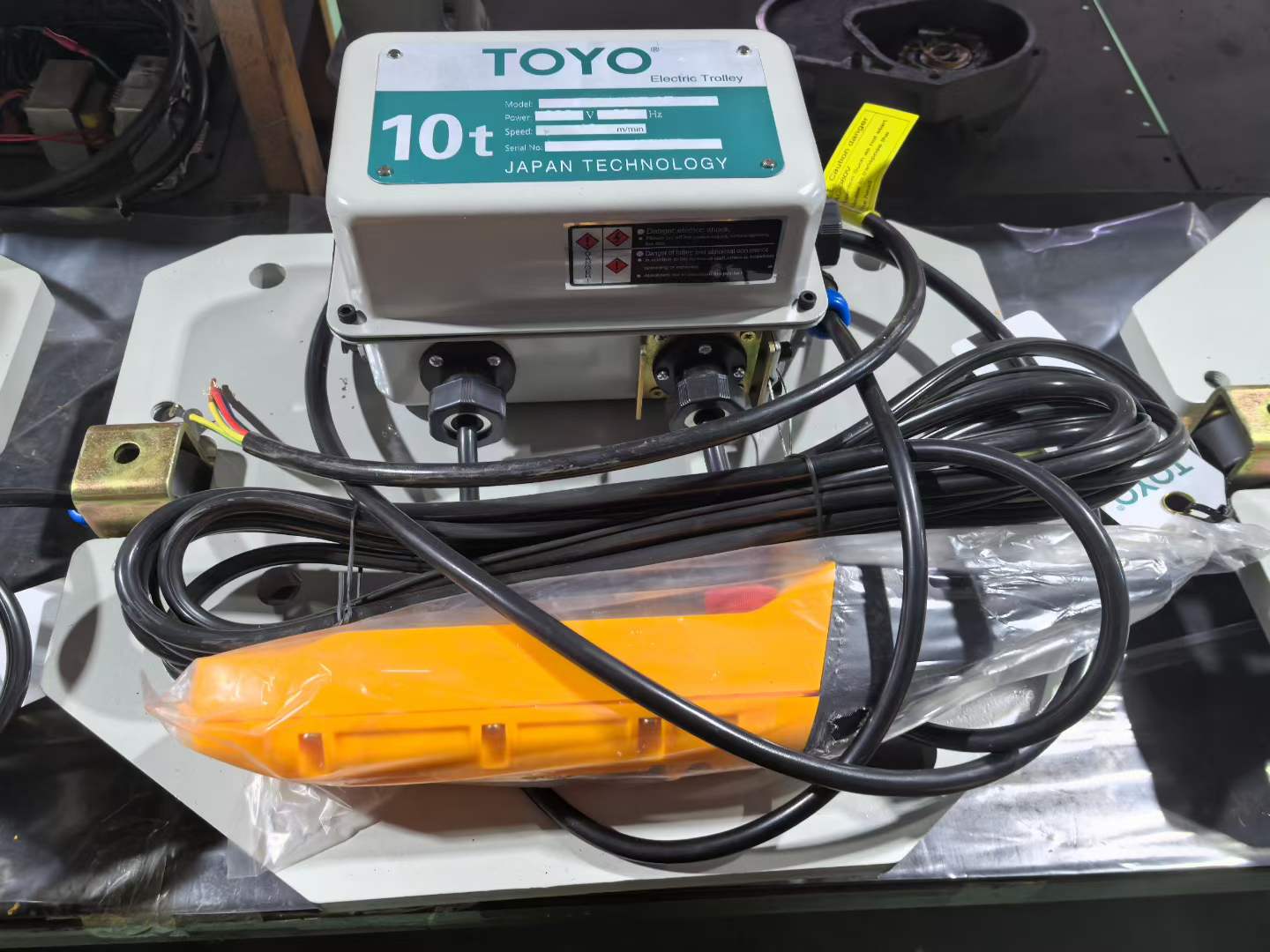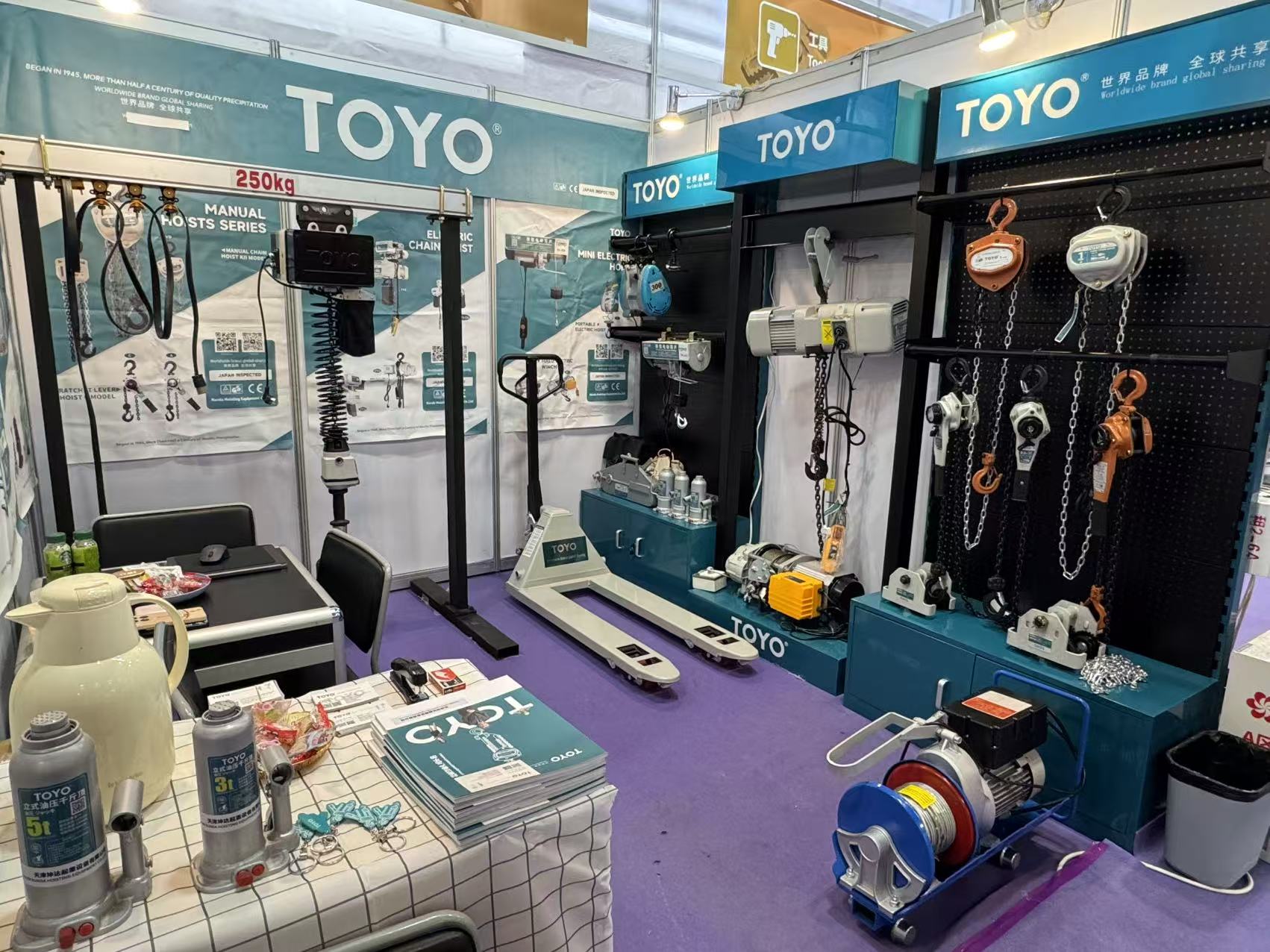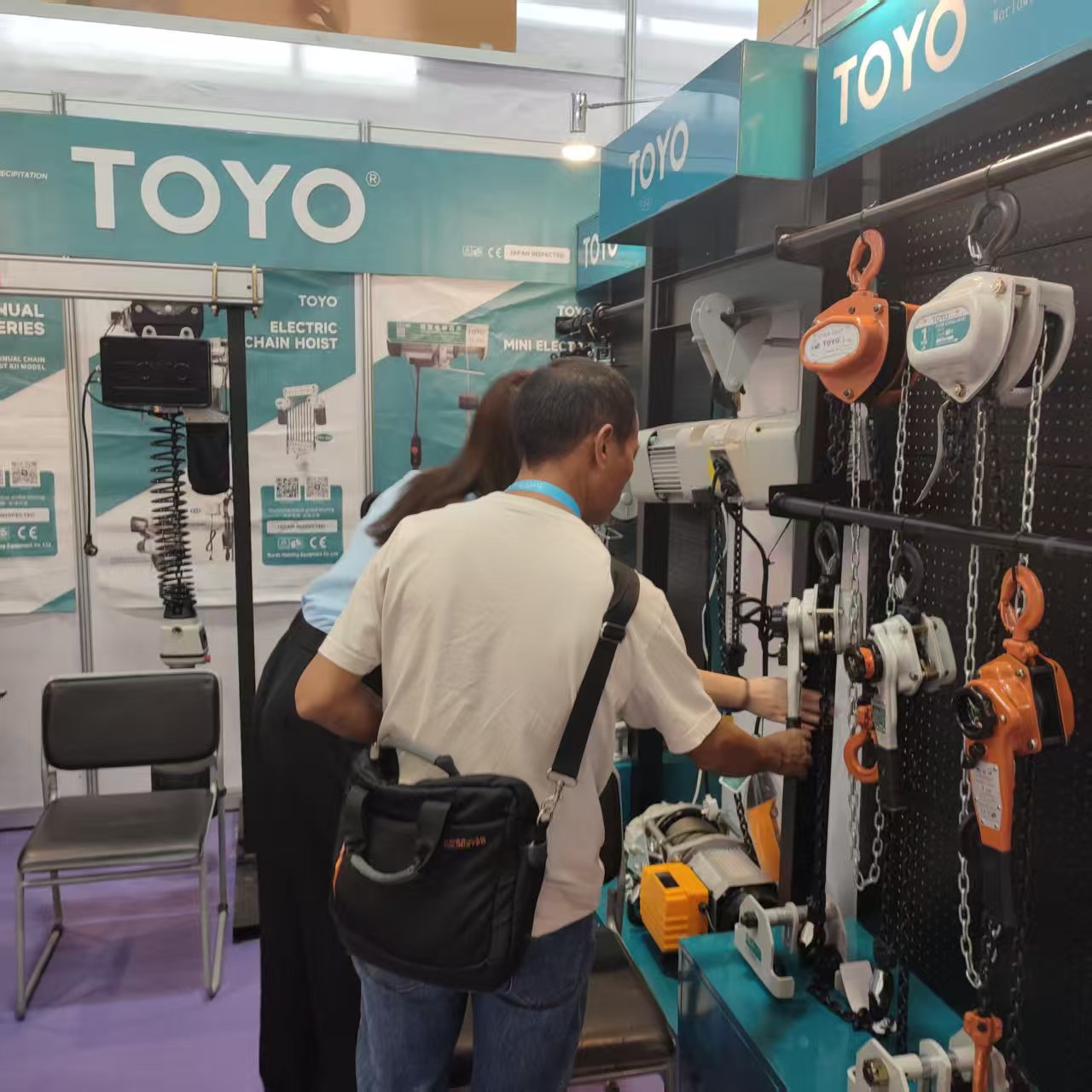
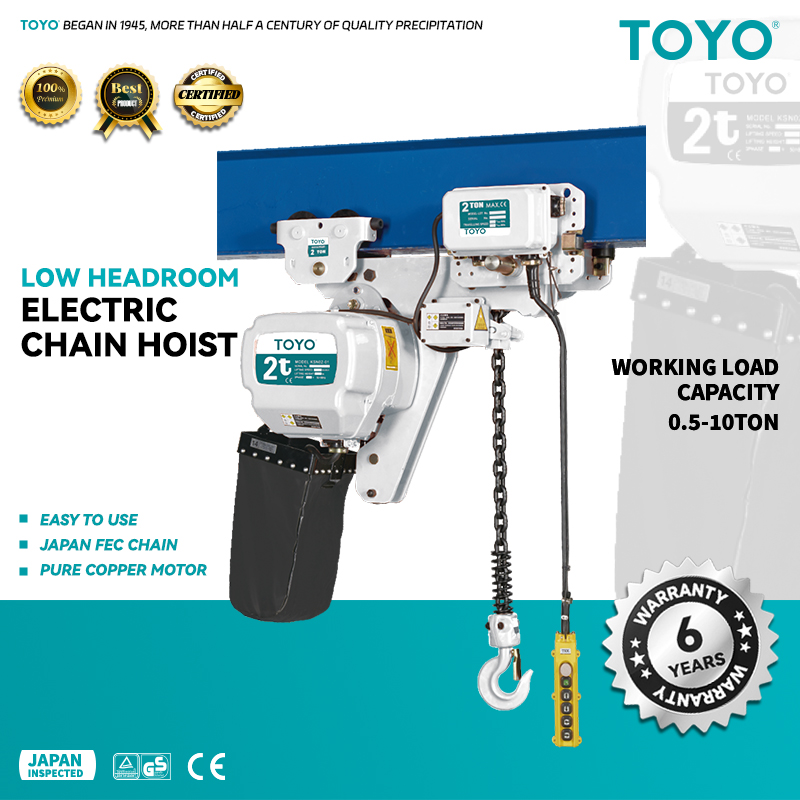
Los polipastos de cable metálico son la columna vertebral de la elevación industrial en los Emiratos Árabes Unidos, Rusia, el Sudeste Asiático y otros lugares. Tanto si estás equipando una nueva fábrica como si estás realizando el mantenimiento de unas instalaciones ya existentes, comprender cómo funcionan estas máquinas, qué modelo se adapta a tus necesidades y cómo evitar costosos errores de compra puede ahorrarte tiempo y dinero, además de mejorar la seguridad. Esta guía abarca todo, desde los componentes básicos hasta las tendencias tecnológicas para 2026, y está escrita específicamente para usuarios de Sudamérica, Oriente Medio, África y otros mercados en fuerte crecimiento.
¿Cómo funciona un polipasto de cable metálico?
Comprender los componentes clave: tambor, motor, cable metálico y gancho
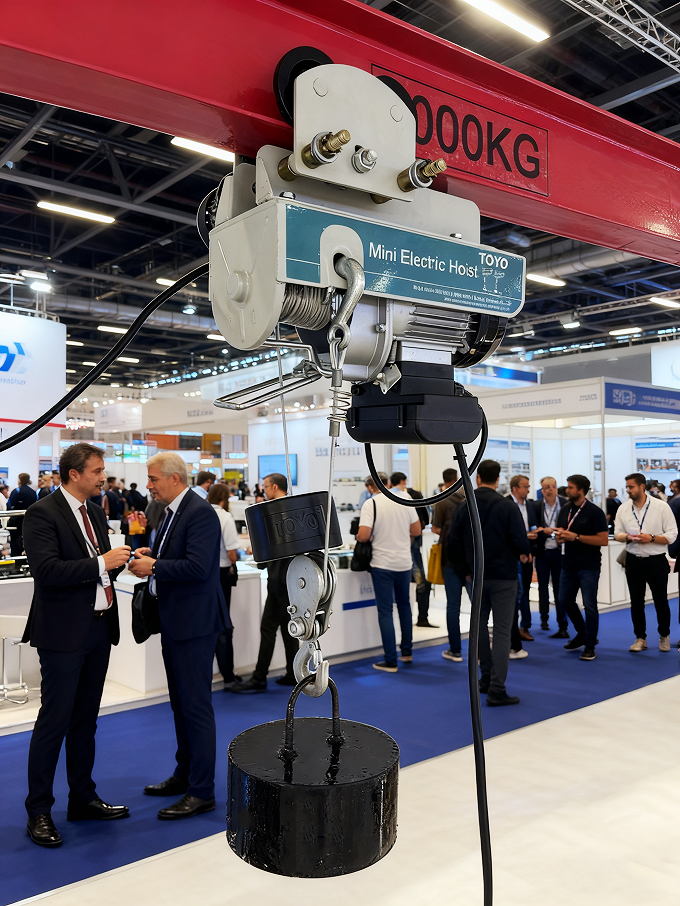
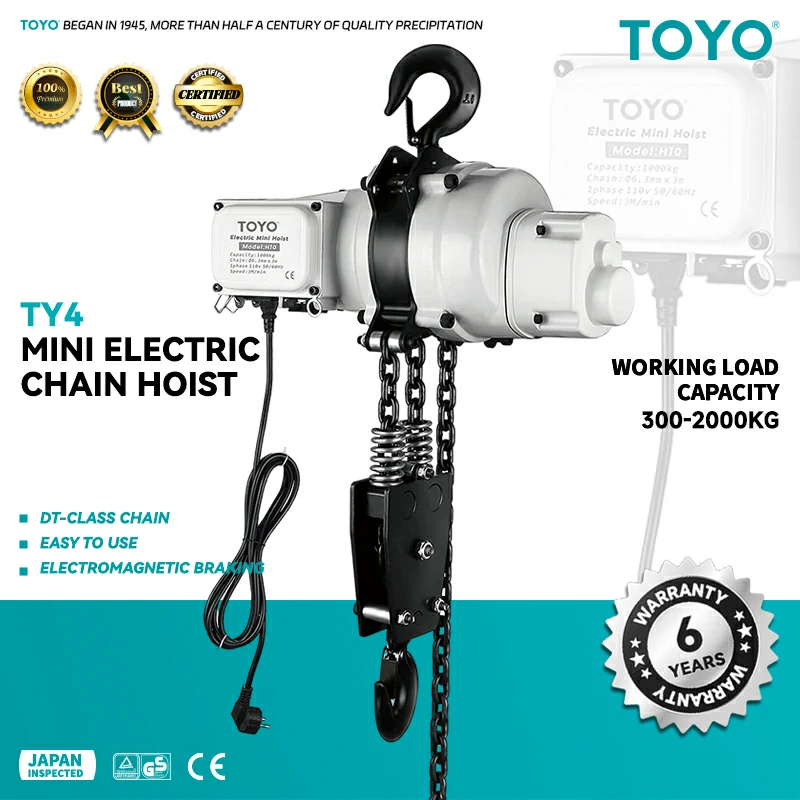
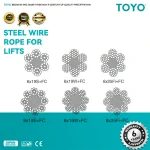
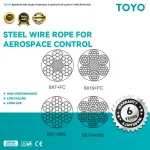
En el corazón de cada polipasto de cable se encuentra un mecanismo sencillo pero robusto, diseñado para elevar cargas pesadas con precisión y seguridad. Entre sus componentes principales se encuentran el motor eléctrico, que proporciona la fuerza motriz; el tambor, una bobina cilíndrica que enrolla el cable metálico; el propio cable metálico, fabricado con múltiples hilos de acero de alta resistencia; y el gancho, que se acopla directamente a la carga. El motor transmite el par a través de una caja de cambios al tambor. A medida que el tambor gira, enrolla o desenrolla el cable metálico, lo que hace que el gancho suba o baje. Un sistema de frenado, normalmente electromagnético, sujeta la carga de forma segura cuando se corta la alimentación eléctrica.
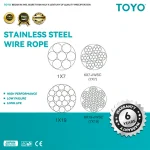
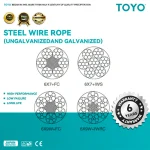
La elección del cable metálico es fundamental. En los entornos industriales de los Emiratos Árabes Unidos —donde las temperaturas pueden superar los 50 °C y es habitual la presencia de polvo abrasivo—, los cables galvanizados o de acero inoxidable con hilos compactados suelen ofrecer un rendimiento superior al de los cables estándar. El tambor debe presentar ranuras precisas para guiar el cable de manera uniforme, evitando el solapamiento que puede provocar un desgaste prematuro. Un conjunto de componentes bien combinados garantiza un funcionamiento fluido, reduce el tiempo de inactividad y prolonga la vida útil.
Guía de instalación paso a paso para polipastos de cable metálico en instalaciones de los Emiratos Árabes Unidos
La instalación de un polipasto de cable metálico en unas instalaciones de los Emiratos Árabes Unidos requiere una planificación minuciosa para cumplir con la normativa local y las exigencias operativas. Comienza por evaluar la estructura de montaje. Tanto si utilizas una viga de grúa aérea ya existente como si instalas un nuevo monorraíl, la viga debe estar dimensionada para soportar la carga máxima del polipasto más las fuerzas dinámicas. Contrata a un ingeniero estructural que conozca bien las normas del Ayuntamiento de Dubái o del Centro de Seguridad y Salud Laboral de Abu Dabi (OSHAD).
A continuación, coloque el carro del polipasto y fíjelo a la viga. En el caso de los carros motorizados, asegúrese de que la fuente de alimentación se ajuste a los requisitos de tensión y fase del polipasto —normalmente 400 V/50 Hz trifásico en los EAU—. Tras la instalación mecánica, un electricista cualificado deberá conectar el mando colgante o el sistema de control remoto, comprobando que los botones de parada de emergencia y los interruptores de fin de carrera funcionen correctamente. Antes de poner el polipasto en servicio, realice una prueba de carga al 125% de la capacidad nominal y obtenga un certificado de inspección de terceros expedido por un organismo acreditado, como LEEA o una autoridad local. Este paso no es opcional; muchos proyectos de los EAU, especialmente en los sectores del petróleo y el gas, exigen la documentación completa antes de la puesta en marcha.
Comprobaciones diarias de seguridad y buenas prácticas operativas
Las inspecciones diarias son la primera línea de defensa contra los accidentes. Los operarios deben examinar visualmente el cable metálico para detectar hilos rotos, retorcimientos o corrosión, prestando especial atención a las secciones que pasan por las poleas. Comprueba que el gancho no presente grietas, deformaciones ni que falte el pestillo de seguridad. Pruebe el freno levantando una carga nominal unos centímetros y deteniéndola; no debe producirse ninguna deriva. Compruebe que los interruptores de límite superior e inferior detienen el movimiento de forma fiable.
Las mejores prácticas operativas van más allá de la lista de comprobación. Nunca levantes cargas en ángulo, ya que tirar lateralmente puede dañar el cable y el tambor. Evita las cargas de impacto acelerando y desacelerando suavemente. Dada la diversidad cultural de la plantilla de los Emiratos Árabes Unidos, asegúrate de que todos los operarios reciban formación en un idioma que comprendan perfectamente; puede que se necesiten materiales en inglés, hindi, urdu o árabe. Por último, registre cada inspección y cualquier anomalía. Estos registros no solo mejoran la seguridad, sino que también sirven de respaldo para las reclamaciones de garantía y el cumplimiento normativo.
Solución de problemas operativos habituales
Incluso con un mantenimiento riguroso, pueden surgir problemas. Un ruido inusual durante la elevación suele indicar que los engranajes están desgastados o que el acoplamiento del motor está desalineado. Si el cable metálico vibra o salta sobre el tambor, es posible que las ranuras estén desgastadas o que el cable haya perdido su pretensión. El deslizamiento del freno es otra avería habitual, que suele solucionarse ajustando la holgura o sustituyendo las pastillas de freno. Los problemas eléctricos, como que el polipasto no responda, pueden deberse a contactores defectuosos, a una pérdida de fase o a que los interruptores de protección del motor se hayan sobrecalentado.
Durante mi experiencia trabajando en una empresa de logística en Jebel Ali, nos enfrentamos a fallos intermitentes de elevación en una grúa de 5 toneladas. El motor funcionaba, pero el gancho no se movía. Tras desmontar la caja de cambios, descubrimos que una chaveta del eje intermedio se había partido debido a una sobrecarga repentina ocurrida meses antes. El operario no había informado del incidente. Este caso puso de relieve la importancia de una cultura de notificación sin culpar a nadie y de las inspecciones periódicas del sistema de transmisión. Hay que investigar siempre la causa raíz en lugar de limitarse a reiniciar los disyuntores.
¿Qué polipasto de cable es el más adecuado para aplicaciones industriales en los Emiratos Árabes Unidos?
Polipastos de cable eléctricos frente a manuales: ventajas e inconvenientes para los usuarios de los Emiratos Árabes Unidos
La elección entre polipastos de cable eléctricos y manuales depende de la intensidad operativa y del entorno. Los polipastos eléctricos predominan en las industrias de los Emiratos Árabes Unidos —desde las plantas de fabricación de Sharjah hasta los centros logísticos de Dubai South— porque ofrecen mayores velocidades de elevación, un control preciso de la carga y la capacidad de realizar elevaciones frecuentes sin que el operario se canse. Los polipastos manuales, por su parte, son más sencillos, no requieren alimentación eléctrica y son portátiles, lo que los hace adecuados para tareas de mantenimiento en lugares remotos o donde el suministro eléctrico es inestable.
Para cargas ligeras y poco frecuentes, un polipasto de cadena manual puede ser todo lo que necesites. Como empresa líder fabricante de polipastos de cadena , TOYO Industry ofrece polipastos manuales resistentes que se utilizan ampliamente en todo Oriente Medio. Sin embargo, cuando su empresa funciona en varios turnos, el aumento de la productividad que supone un polipasto eléctrico justifica rápidamente la mayor inversión inicial.
| Característica | Polipasto eléctrico de cable | Polipasto manual de cable metálico |
|---|---|---|
| Fuente de energía | Motor eléctrico (400 V/50 Hz, habitual en los Emiratos Árabes Unidos) | Esfuerzo manual (cadena manual) |
| Capacidad de elevación | De 0,5 t a más de 100 t | De 0,5 t a 20 t (normalmente hasta 10 t) |
| Velocidad de elevación | Hasta 10 m/min o más (variable) | Hasta 1 m/min (depende del operario) |
| Ciclo de trabajo | Apto para uso intensivo (FEM 2 m a 4 m) | Solo para uso ligero (uso ocasional) |
| Coste inicial | Superior (entre 3.000 y más de 100.000 AED) | Más bajo (500 – 5.000 AED) |
| Mantenimiento | Requiere revisiones periódicas de los sistemas eléctricos y mecánicos | Mínimo; principalmente lubricación de la cadena e inspección de los ganchos |
| Aplicación ideal | Líneas de producción, almacenes, construcción | Talleres, reparaciones sobre el terreno, montajes temporales |
Los 5 mejores modelos de polipastos de cable para elevación de gran tonelaje en el mercado de los Emiratos Árabes Unidos
Teniendo en cuenta su rendimiento en entornos de los Emiratos Árabes Unidos caracterizados por altas temperaturas y un alto nivel de utilización, destacan los siguientes modelos:
- Konecranes CXT – Destaca por sus funciones inteligentes, su velocidad adaptativa y sus resistentes índices de servicio FEM de 3 m/4 m. Ideal para los sectores de la automoción y la siderurgia.
- Demag DC-Pro – Un polipasto modular con una excelente eficiencia energética y una amplia gama de configuraciones. Muy utilizado en los almacenes de los Emiratos Árabes Unidos.
- Serie ST de STAHL – Ingeniería alemana con opciones a prueba de explosiones para zonas de petróleo y gas. Alta fiabilidad en condiciones adversas.
- Polipasto de alta resistencia TOYO – Un polipasto de fabricación asiática con una buena relación calidad-precio que cumple con las normas ISO y cuenta con un sólido servicio de asistencia local en Dubái. Los modelos con cable de acero de TOYO son especialmente adecuados para aplicaciones industriales ligeras en las que el presupuesto y la fiabilidad son fundamentales.
- Kito ER2 – Precisión japonesa, diseño compacto y una reputación de bajo mantenimiento. Adecuado para entornos de fabricación limpios.
Características técnicas clave para comparar: capacidad de carga, velocidad de elevación y ciclo de trabajo
A la hora de evaluar los polipastos, hay tres características que debes tener en cuenta. La capacidad de carga debe superar el peso máximo que pretendes levantar, incluido el aparejo. Pero la capacidad por sí sola no es suficiente. La velocidad de elevación influye en los tiempos de ciclo: un polipasto de doble velocidad o con variador de frecuencia (VFD) puede desplazar las cargas lentamente hasta su posición con precisión y, a continuación, acelerar para elevaciones largas. El ciclo de trabajo, clasificado según las normas FEM o ISO, indica cuántas horas al día puede funcionar el polipasto de forma segura. Un polipasto con clasificación FEM 2m puede soportar 1.600 horas de servicio al año, mientras que una unidad de 4m puede soportar 6.300 horas. En una fábrica de los Emiratos Árabes Unidos que funcione en tres turnos, elegir un polipasto de 2m para una demanda de 4m provocará un fallo prematuro.
Comparación de marcas: fabricantes europeos frente a asiáticos disponibles en los Emiratos Árabes Unidos
Fabricantes europeos como Konecranes, Demag y STAHL aportan décadas de perfeccionamiento en ingeniería, características de seguridad avanzadas y amplias redes de servicio técnico locales. Sus polipastos suelen tener precios más elevados, pero ofrecen un menor coste total de propiedad en aplicaciones exigentes. Las marcas asiáticas —entre las que se incluyen TOYO, Kito y varios fabricantes chinos— compiten de forma agresiva en precio y plazos de entrega. Muchas de ellas ofrecen ahora niveles de calidad que cumplen con las certificaciones ISO 9001 y CE, lo que las hace viables para ciclos de trabajo menos exigentes. En los Emiratos Árabes Unidos, la decisión suele depender del servicio posventa: las marcas europeas suelen contar con concesionarios exclusivos en Dubái y Abu Dabi, mientras que algunas marcas asiáticas recurren a distribuidores externos. Comprueba siempre la disponibilidad de piezas de recambio antes de comprometerte.
¿Cuáles son los errores más comunes a la hora de comprar un polipasto de cable metálico en los Emiratos Árabes Unidos?
Incumplimiento de la normativa de seguridad y los requisitos de certificación de los Emiratos Árabes Unidos
Los Emiratos Árabes Unidos cuentan con una normativa muy estricta en materia de equipos de elevación, especialmente en Dubái y Abu Dabi. Los polipastos deben cumplir normas como la BS EN 14492-2 o equivalentes, y a menudo se exige un certificado de inspección emitido por un organismo acreditado por el Centro Internacional de Acreditación de los Emiratos (EIAC). He visto un caso en el que un contratista de Abu Dabi importó un lote de polipastos sin la certificación local. El proyecto se paralizó durante dos semanas mientras se apresuraban a organizar las inspecciones, lo que les acarreó el pago de cláusulas de penalización. Confirma siempre que tu proveedor te facilite la documentación aceptada por las autoridades locales; esto incluye informes de pruebas de carga, certificados de materiales y el cumplimiento de la normativa de seguridad eléctrica.
Elegir una capacidad o una clasificación de servicio inadecuadas
Un error habitual es adquirir un polipasto basándose únicamente en el peso estático de la carga. Las fuerzas dinámicas durante la aceleración, las cargas de viento (en el caso de los polipastos al aire libre) y el peso del equipo suspendido del gancho pueden aumentar la carga real en un 20% o más. Además, la clasificación de servicio debe ajustarse al ritmo operativo. En una ocasión realicé una auditoría en unas instalaciones de Sharjah donde se utilizaba un polipasto de 3 toneladas con clasificación FEM 1Am para mover moldes cada 10 minutos. El motor se sobrecalentaba con frecuencia y la caja de cambios falló a los ocho meses. La sustitución por un polipasto FEM 3m resolvió el problema de inmediato. Calcule siempre el espectro de carga y consulte la guía de aplicación del fabricante.
Descuidar el servicio posventa y la disponibilidad de piezas de recambio en Oriente Medio
Incluso el mejor polipasto necesitará mantenimiento. En los Emiratos Árabes Unidos, donde el tiempo de inactividad puede costar miles de dirhams por hora, esperar semanas a que llegue una pieza de recambio desde Europa o Asia es inaceptable. Antes de comprar, pregunta al distribuidor por su stock local de recambios esenciales: pastillas de freno, contactores, cables de acero y rodamientos. Comprueba si cuentan con técnicos formados por el fabricante en la región. Un polipasto ligeramente más caro pero con una sólida red de asistencia local suele resultar más económico a lo largo de su vida útil que un polipasto barato sin servicio de asistencia.
Centrarse únicamente en el precio en lugar de en el coste total de propiedad
Las etiquetas de precio pueden ser engañosas. Un polipasto de bajo coste podría consumir más electricidad, requerir reparaciones más frecuentes y provocar interrupciones operativas más prolongadas. Hay que tener en cuenta la eficiencia energética (motores IE3/IE4), la vida útil prevista y la disponibilidad de garantías ampliadas. En el competitivo panorama industrial de los Emiratos Árabes Unidos, un polipasto que reduzca el tiempo de ciclo en un 10% puede amortizar su sobrecoste en cuestión de meses. Solicita a tu proveedor un análisis del coste total de propiedad (TCO) y no dudes en pedir referencias de instalaciones locales similares.
¿Cuánto cuesta un polipasto de cable metálico en los Emiratos Árabes Unidos en 2026?
Rangos de precios para los distintos tipos de polipastos de cable (de 0,5 t a 20 t)
Los precios de los polipastos de cable metálico en los Emiratos Árabes Unidos varían considerablemente en función de la capacidad, la marca, la velocidad y el índice de servicio. A modo de orientación general para 2026:
- Polipasto eléctrico de 0,5 t – 1 t: 3.000 AED – 10.000 AED
- Polipasto eléctrico de 2 a 5 toneladas: de 8.000 a 25.000 AED
- Polipasto eléctrico de 10 t: entre 20 000 y 50 000 AED
- Polipasto eléctrico de 20 t: entre 40.000 y más de 120.000 AED
Estas cifras se basan en motores estándar de una sola velocidad y en un ciclo de trabajo FEM 2m. La incorporación de un variador de frecuencia (VFD), la clasificación a prueba de explosiones o ciclos de trabajo más elevados puede aumentar el precio entre un 30 % y un 60%. Los polipastos manuales son considerablemente más económicos, con precios que oscilan entre los 500 AED por una unidad de 1 tonelada y los 5.000 AED por un modelo de 10 toneladas.
Costes ocultos: instalación, mantenimiento y consumo energético en los Emiratos Árabes Unidos
Más allá del precio de compra, la instalación puede suponer un gasto importante. Las modificaciones estructurales para soportar una nueva grúa, las mejoras en el cableado eléctrico y los honorarios de inspección de terceros pueden añadir entre 15 y 25% al coste del proyecto. Según mi experiencia, un cliente de Dubai Industrial City subestimó el coste de reforzar su pórtico existente, lo que acabó suponiendo un gasto adicional de 18 000 AED. Los contratos de mantenimiento suelen oscilar entre el 5 y el 10% del valor de la grúa al año, y cubren inspecciones periódicas, lubricación y reparaciones menores. Los costes energéticos, aunque modestos en el caso de los polipastos pequeños, se vuelven significativos para las unidades de alto rendimiento que funcionan las 24 horas del día, los 7 días de la semana: un polipasto de 20 t puede consumir más de 15 000 kWh al año.
Cálculo del retorno de la inversión: cómo un polipasto de cable de alta calidad reduce el tiempo de inactividad y los costes de mano de obra
Un polipasto de alta gama con variador de frecuencia (VFD) puede reducir los tiempos de ciclo de elevación entre un 20 % y un 30% en comparación con un modelo de una sola velocidad. Para un centro logístico que gestiona 200 elevaciones al día, este ahorro de tiempo se traduce en menos horas extras y una rotación más rápida de los camiones. La reducción de las averías implica menos paradas no planificadas. Si una línea de producción pierde 5.000 AED por cada hora de parada, evitar tan solo una avería grave al año puede justificar la renovación del polipasto. Utilice una fórmula sencilla para calcular el retorno de la inversión: (ahorro anual por productividad + tiempo de inactividad evitado – aumento del coste de mantenimiento) / (diferencial de precio) para comparar las opciones.
Opciones de financiación y arrendamiento para polipastos de cable en los Emiratos Árabes Unidos
Varios proveedores de maquinaria y bancos con sede en los Emiratos Árabes Unidos ofrecen planes de arrendamiento financiero o de compra a plazos para equipos de elevación. Esto puede aliviar la presión sobre el flujo de caja de las pymes y permitirles disponer de grúas de mayores prestaciones de forma inmediata. Las condiciones habituales incluyen contratos de arrendamiento de entre 12 y 36 meses con una opción de compra nominal al final del plazo. Algunos fabricantes también ofrecen modelos de «pago por hora de funcionamiento» en colaboración con distribuidores locales, en los que se paga en función de las horas de funcionamiento reales. Explora estas opciones si el capital inicial supone una limitación, pero lee siempre la letra pequeña sobre las responsabilidades de mantenimiento.
¿Cuáles son las últimas tendencias en tecnología de polipastos de cable para 2026?
Polipastos inteligentes: integración del IoT y monitorización remota para las industrias de los Emiratos Árabes Unidos
Para 2026, las grúas conectadas al Internet de las cosas (IoT) se habrán convertido en un elemento habitual en las fábricas inteligentes de los Emiratos Árabes Unidos. Los sensores integrados en el motor, la caja de cambios y el freno transmiten continuamente datos sobre la temperatura, las vibraciones y los ciclos de carga a plataformas en la nube. Los responsables de mantenimiento reciben alertas en tiempo real en sus teléfonos inteligentes cuando algún parámetro se desvía de la norma. Este enfoque de mantenimiento predictivo ha reducido el tiempo de inactividad no planificado hasta en un 40% en proyectos piloto llevados a cabo en los almacenes de la Zona Franca de Jebel Ali. Busca polipastos compatibles con los protocolos OPC-UA o MQTT para una integración perfecta con los sistemas SCADA existentes.
Motores de bajo consumo y soluciones de elevación sostenibles
Los requisitos de sostenibilidad están transformando el diseño de los montacargas. Los motores de eficiencia «superpremium» IE4 e IE5, combinados con accionamientos regenerativos, pueden devolver la energía de frenado a la red eléctrica del edificio. Algunas empresas de los Emiratos Árabes Unidos están exigiendo estas características para cumplir sus objetivos corporativos en materia de ESG. Además, los fabricantes están utilizando materiales más ligeros y de alta resistencia para reducir el peso propio del montacargas, lo que disminuye las necesidades de acero estructural y el carbono incorporado. A la hora de comparar montacargas, comprueba la clase de eficiencia energética y solicita una estimación de la huella de carbono.
Características de seguridad mejoradas: frenos automáticos, protección contra sobrecargas y sistemas antideslizamiento
La tecnología de seguridad ha avanzado significativamente. Los polipastos modernos cuentan con sistemas de frenado dobles —un freno electromagnético en el motor y un freno mecánico en el tambor— para garantizar la redundancia. La protección electrónica contra sobrecargas mide continuamente la carga e impide la elevación si esta supera los 110% de capacidad. Los sistemas antibalanceo, que utilizan un control VFD de bucle cerrado, minimizan el movimiento pendular de la carga, lo cual resulta especialmente valioso en almacenes de gran altura y cerca de equipos sensibles. Estas características están ahora disponibles incluso en polipastos de gama media, lo que los hace accesibles para las pequeñas y medianas empresas de los Emiratos Árabes Unidos.
La tendencia hacia diseños de polipastos modulares y personalizables
Los fabricantes están adoptando plataformas modulares que permiten a los clientes configurar polipastos para aplicaciones específicas sin largos plazos de entrega. Puede elegir entre una gama de motores, reductores, longitudes de cable y opciones de control. Este enfoque simplifica las actualizaciones; por ejemplo, permite convertir un polipasto estándar en una versión a prueba de explosiones simplemente cambiando componentes, en lugar de sustituir toda la unidad. En los Emiratos Árabes Unidos, donde los requisitos de los proyectos pueden cambiar rápidamente, los polipastos modulares ofrecen flexibilidad y protegen su inversión inicial.
¿Qué herramientas y recursos son imprescindibles para el mantenimiento de los polipastos de cable metálico?
Herramientas de inspección y listas de comprobación imprescindibles para los operadores de los Emiratos Árabes Unidos
Un mantenimiento eficaz comienza con las herramientas adecuadas. Todas las instalaciones de los Emiratos Árabes Unidos deberían disponer de un calibre de vernier calibrado para medir el diámetro del cable metálico, un calibre de paso para la abertura de la garganta del gancho y un comprobador magnético de cables (MRT) para detectar roturas internas de los alambres. Combínelas con una lista de comprobación diaria y mensual exhaustiva que abarque: el estado del cable metálico, la deformación del gancho, el funcionamiento de los frenos, los interruptores de límite, el estado de lubricación y las conexiones eléctricas. Muchos proveedores ofrecen plantillas de listas de comprobación gratuitas; adáptalas a tu modelo específico de polipasto y a tu entorno de trabajo.
Lubricantes y productos para el cuidado de los cables de acero recomendados
En el clima polvoriento y de altas temperaturas de los Emiratos Árabes Unidos, la lubricación de los cables metálicos no es opcional. Utiliza una grasa penetrante y resistente a altas temperaturas que no se desprenda fácilmente y que forme una película seca para repeler la arena. Marcas como Kluber o Fuchs ofrecen lubricantes especializados para cables metálicos. Aplique lubricante cada 200 horas de funcionamiento o una vez al mes, lo que ocurra primero. Para la caja de cambios, utilice aceite sintético con un alto índice de viscosidad para soportar el calor ambiental. Siga siempre las recomendaciones del fabricante: el uso de un producto inadecuado puede dañar las juntas y acelerar el desgaste.
Recursos de formación y programas de certificación para operadores de polipastos en los Emiratos Árabes Unidos
Los operadores cualificados son su mejor garantía de seguridad. En los Emiratos Árabes Unidos, varias instituciones ofrecen formación certificada: el Centro de Desarrollo Técnico y de Seguridad de los Emiratos (ETSDC), cursos acreditados por la LEEA y talleres impartidos por los fabricantes. La formación debe abarcar la inspección previa al uso, las técnicas de elevación seguras, los procedimientos de emergencia y la resolución básica de problemas. Actualmente, muchas empresas exigen a los operadores que renueven su certificación cada dos años. Invertir en formación no solo reduce los accidentes, sino que también mejora la productividad, ya que los operadores formados trabajan de forma más eficiente y notifican los problemas con antelación.
Aplicaciones digitales y software para la planificación del mantenimiento y el cumplimiento normativo
La digitalización ha llegado al mantenimiento de los polipastos. Aplicaciones como Fiix, UpKeep o los portales específicos de los fabricantes te permiten programar inspecciones, registrar los resultados y realizar un seguimiento del inventario de piezas de recambio desde una tableta o un smartphone. Algunos sistemas generan automáticamente informes de cumplimiento para las auditorías reglamentarias, lo que supone un enorme ahorro de tiempo para las instalaciones de los Emiratos Árabes Unidos sujetas a inspecciones anuales por parte del Ayuntamiento de Dubái o de auditores externos. Busca un software que se integre con tu plataforma ERP o CMMS actual. Los códigos QR del polipasto pueden enlazar directamente con su historial de mantenimiento, lo que permite un acceso inmediato desde el taller.
Elegir y mantener el polipasto de cable adecuado para tu actividad en los Emiratos Árabes Unidos es una decisión estratégica que influye en la seguridad, la productividad y los costes finales. Tanto si necesitas un polipasto eléctrico de alta resistencia para una nueva fábrica como una unidad manual fiable para reparaciones sobre el terreno, contar con un proveedor con experiencia marca la diferencia. Para quienes estén buscando opciones manuales, una marca de confianza fabricante de polipastos de cadena podemos ayudarte a elegir el modelo adecuado. Ponte en contacto con nuestro equipo de ingeniería para una consulta gratuita o descarga nuestra guía detallada de selección de polipastos en la sección de recursos de nuestra página web. Tu próxima operación de elevación debería ser la más segura y eficiente hasta la fecha.
Referencias
- Asociación de Ingenieros de Equipos de Elevación (LEEA) – Código de buenas prácticas para el uso seguro de los equipos de elevación
- ISO 4309:2017 – Grúas — Cables metálicos — Cuidado y mantenimiento, inspección y retirada del servicio
- OSHA – Normas de seguridad para polipastos y grúas
- Grand View Research – Informe sobre el tamaño y las tendencias del mercado mundial de polipastos de cable, 2026
- Ayuntamiento de Dubái: Normativa de construcción y certificación de equipos de elevación
- Centro Internacional de Acreditación de los Emiratos (EIAC) – Organismos de inspección acreditados