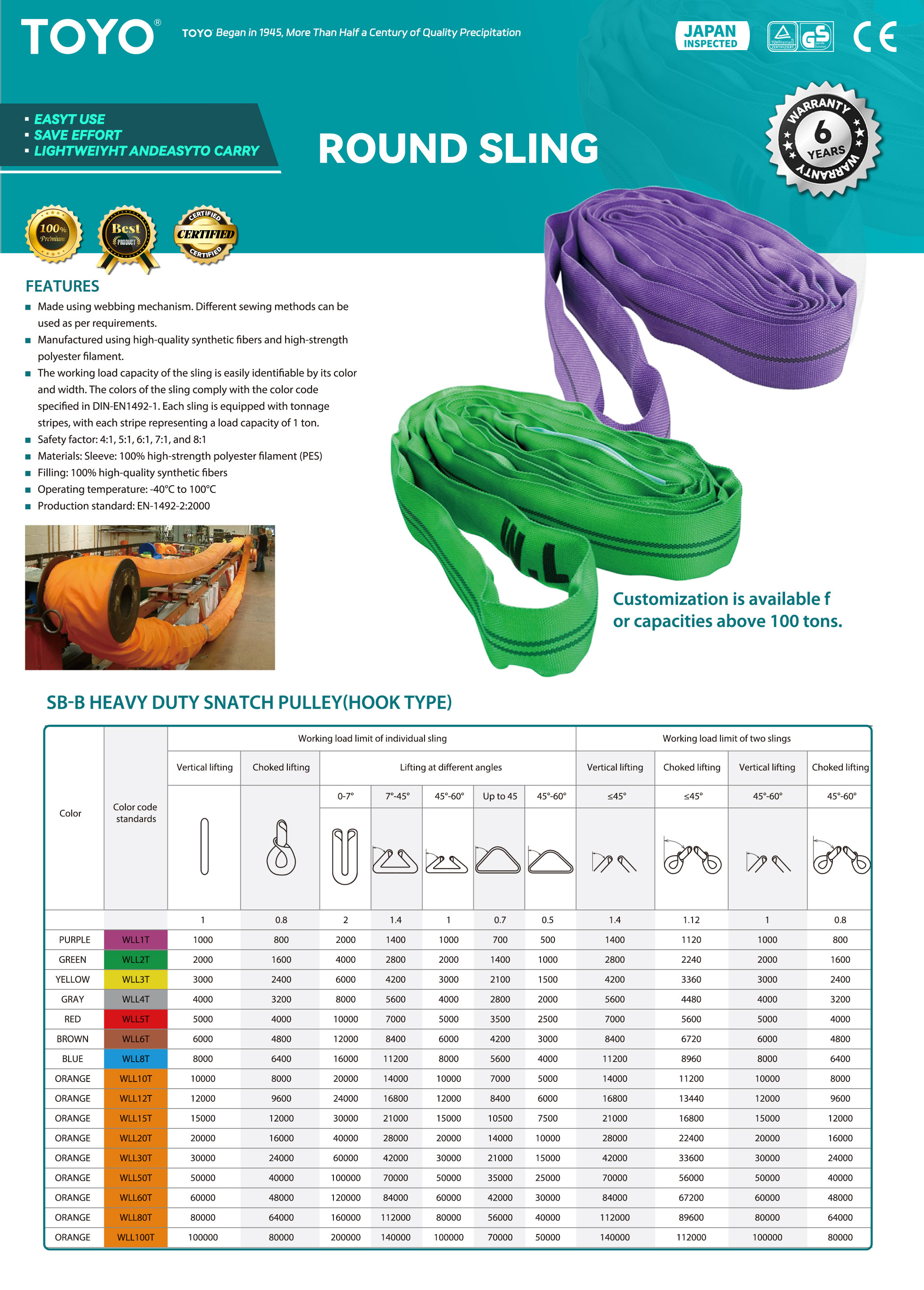
Lors de l'approvisionnement élingues rondes pour le levage industrielLes acheteurs ne se contentent pas d'acheter un produit, ils gèrent aussi des produits de consommation. le risque, la conformité et les coûts d'exploitation à long terme.
Le choix d'un mauvais fournisseur d'élingues rondes ou d'une mauvaise spécification peut entraîner des retards dans le projet, des incidents de sécurité ou des coûts de remplacement répétés.
Ci-dessous 7 erreurs coûteuses à éviter pour les acheteurs B2B lors de la sélection de harnais ronds - et comment prendre une décision d'achat plus judicieuse.
Erreur 1 : Acheter en fonction du prix plutôt que de la limite de charge utile certifiée (WLL)
L'une des erreurs les plus courantes en matière d'approvisionnement consiste à se concentrer uniquement sur le prix unitaire et à ignorer les éléments suivants vérification de la conformité à la WLL.
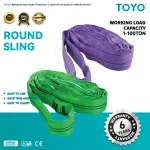
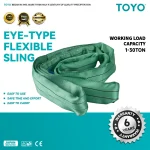
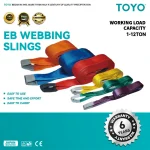
Les élingues rondes professionnelles doivent respecter Code couleur DIN-EN 1492Les bandes de tonnage permettent d'identifier rapidement la capacité de charge. Chaque bande de tonnage représente 1 tonneLe système de gestion de l'information de l'Union européenne (UE) permet d'assurer une reconnaissance claire sur place et de réduire les risques d'utilisation abusive.
Conseil à l'acheteur :
Demandez toujours :
-
Graphiques WLL
-
Rapports d'essais
-
Documents de conformité standard
👉https://www.toyo-industry.com/round-sling/
Erreur 2 : Ne pas tenir compte des exigences en matière de facteur de sécurité pour différents projets
Tous les projets de levage ne nécessitent pas la même marge de sécurité.
Le choix d'un facteur de sécurité insuffisant peut réduire le coût initial, mais augmente la responsabilité à long terme.
Élingues rondes TOYO sont disponibles avec Facteurs de sécurité 4:1, 5:1, 6:1, 7:1 et 8:1permettant aux acheteurs de s'aligner :
-
Réglementation locale
-
Normes industrielles
-
Politiques de sécurité internes
👉 https://www.toyo-industry.com/rigging-sling/sling/
Erreur 3 : Ignorer les conditions d'environnement et de température
L'inadéquation de l'environnement est un facteur de coût silencieux.
Les élingues rondes utilisées en dehors de la -40°C à 100°C peuvent subir une usure accélérée ou une dégradation des fibres.
Les environnements critiques sont les suivants
-
Ateliers industriels à haute température
-
Chantiers de construction dans les régions froides
-
Opérations maritimes et côtières
Conseil à l'acheteur :
Confirmer l'adéquation du matériau avant de passer une commande en gros.
Erreur 4 : Choisir des élingues standard pour des angles de levage complexes
Des angles d'élingage et une répartition de la charge incorrects réduisent considérablement la capacité effective.
De nombreuses pannes de levage ne sont pas dues à des défauts de produit, mais à des sélection incorrecte de l'application.
Les fournisseurs professionnels fournissent :
-
Guidage de l'angle du harnais
-
Recommandations sur la répartition des charges
-
Soutien à l'ingénierie
Erreur 5 : Sous-estimer les exigences en matière de qualité et d'inspection des manchons
L'extérieur gaine en polyester (PES) protège les fibres porteuses internes.
Les manchons de mauvaise qualité entraînent une retraite anticipée, ce qui augmente la fréquence de remplacement et le coût total de possession.
Les acheteurs doivent exiger :
-
Normes de résistance à l'abrasion
-
Lignes directrices pour l'inspection visuelle
-
Critères de rejet clairs
Erreur 6 : Utiliser une spécification pour plusieurs secteurs d'activité
De nombreux acheteurs tentent de standardiser un modèle de harnais pour toutes les applications.
Cela conduit souvent à l'inefficacité et à la compromission de la sécurité.
Les différents secteurs d'activité exigent des configurations différentes :
-
Construction : flexibilité et protection de la surface
-
Installation de machines : précision et équilibre
-
Transport maritime : résistance aux intempéries et à l'humidité
-
Ingénierie énergétique : une marge de sécurité et une durabilité élevées
Erreur 7 : Choisir un fournisseur sans capacité de personnalisation
Les produits standard ne peuvent pas couvrir tous les scénarios de levage.
Un fournisseur B2B qualifié doit offrir
-
Longueurs personnalisées
-
Différentes techniques de couture
-
Conceptions renforcées pour les charges spéciales
La personnalisation est réduite :
-
Ajustements sur place
-
Dommages aux harnais
-
Coûts opérationnels à long terme
👉https://www.toyo-industry.com/contact/
Ce que les acheteurs avisés recherchent chez un fournisseur d'écharpes rondes
Avant de passer une commande, les acheteurs professionnels évaluent :
-
Conformité avec EN-1492-2:2000
-
Un contrôle de qualité cohérent
-
Ingénierie et soutien aux applications
-
Capacité de production stable
-
Expérience et documentation en matière d'exportation
Les élingues rondes TOYO sont fabriquées en utilisant fibres synthétiques de haute qualitéavec un contrôle strict de la qualité et une personnalisation flexible pour soutenir les projets industriels mondiaux.
📩 Vous cherchez un fabricant fiable d'élingues rondes ?
👉Contact : info@toyo-industry.com