Saudi Arabia's industrial landscape is evolving rapidly under Vision 2030, with massive investments in construction, oil and gas, logistics, and manufacturing. Whether you are setting up a new warehouse in Riyadh or expanding a petrochemical plant in Jubail, choosing the right chain hoist is critical for operational efficiency and worker safety. This guide walks you through the types, selection criteria, costs, and maintenance of chain hoists specifically tailored for Saudi Arabia's demanding environment.
What Types of Chain Hoists Are Suitable for Saudi Arabian Industries?
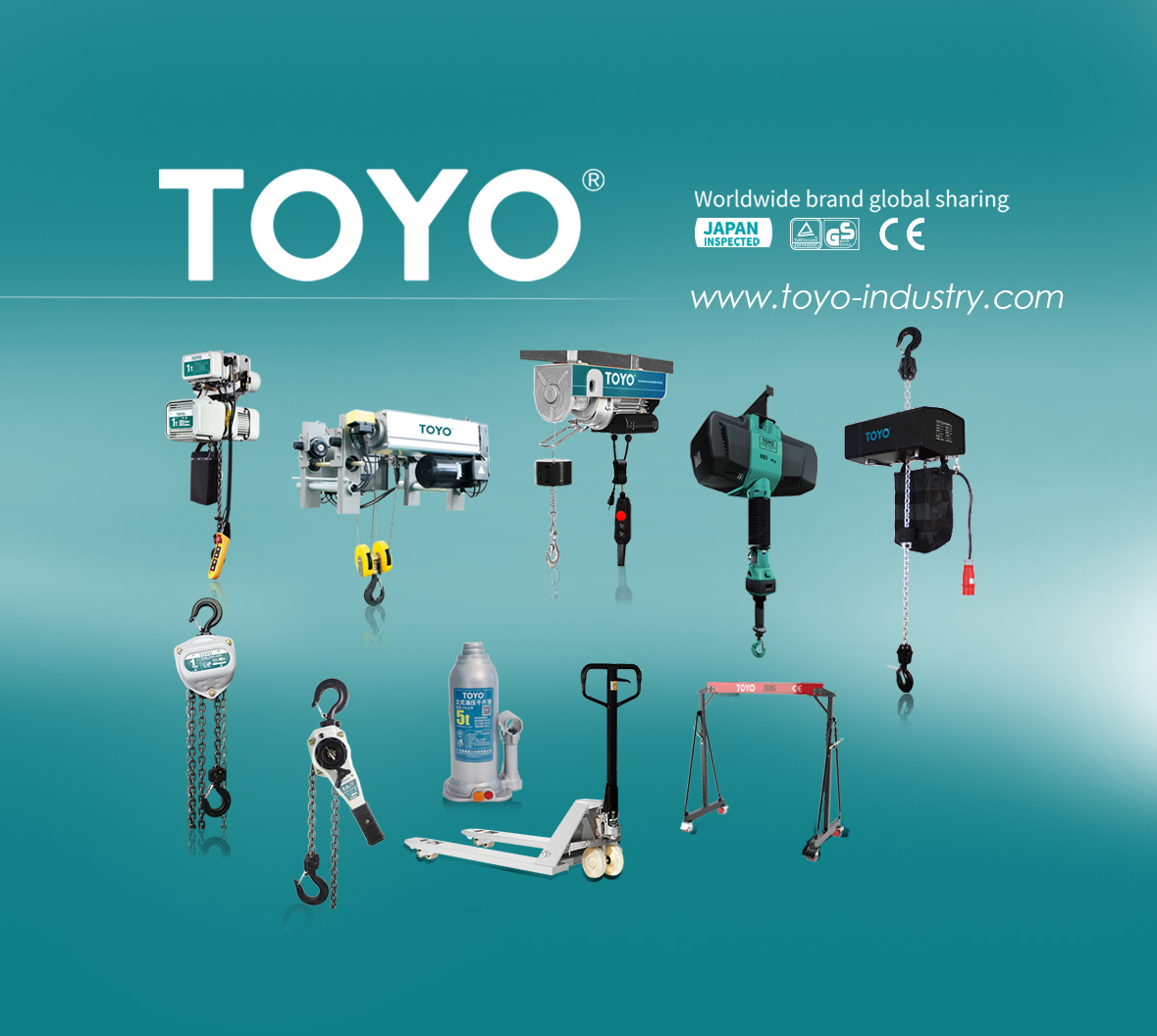
Chain hoists come in several configurations, each designed for specific lifting scenarios. In Saudi Arabia, the choice often depends on the work environment—indoor assembly lines, outdoor construction sites under scorching sun, or offshore platforms in the Arabian Gulf. Understanding the differences between manual, electric, lever, and chain block hoists is the first step to making an informed decision.
Manual Chain Hoists vs. Electric Chain Hoists: Pros and Cons for Saudi Applications
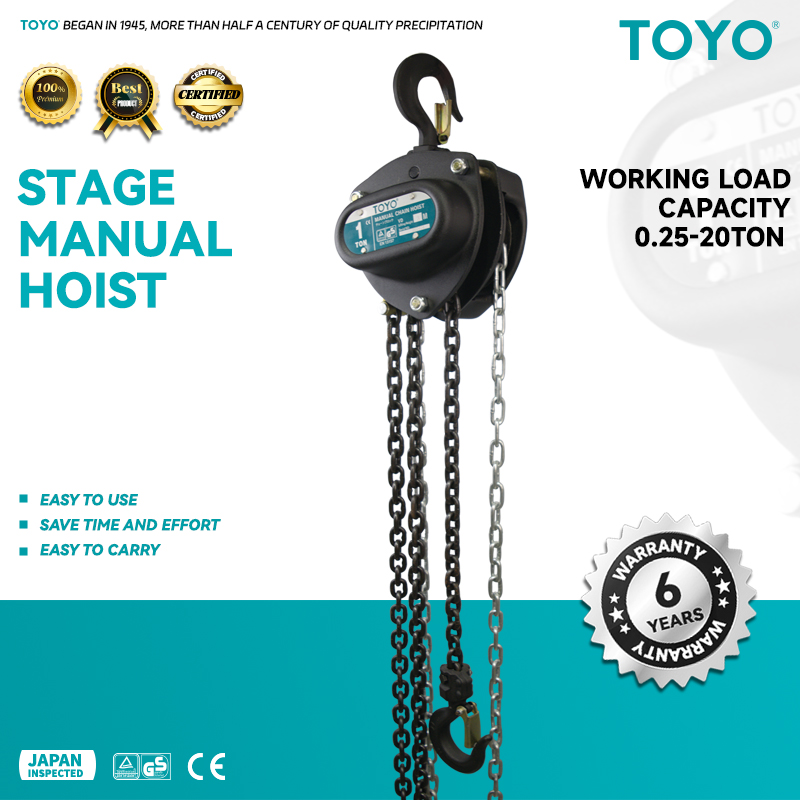
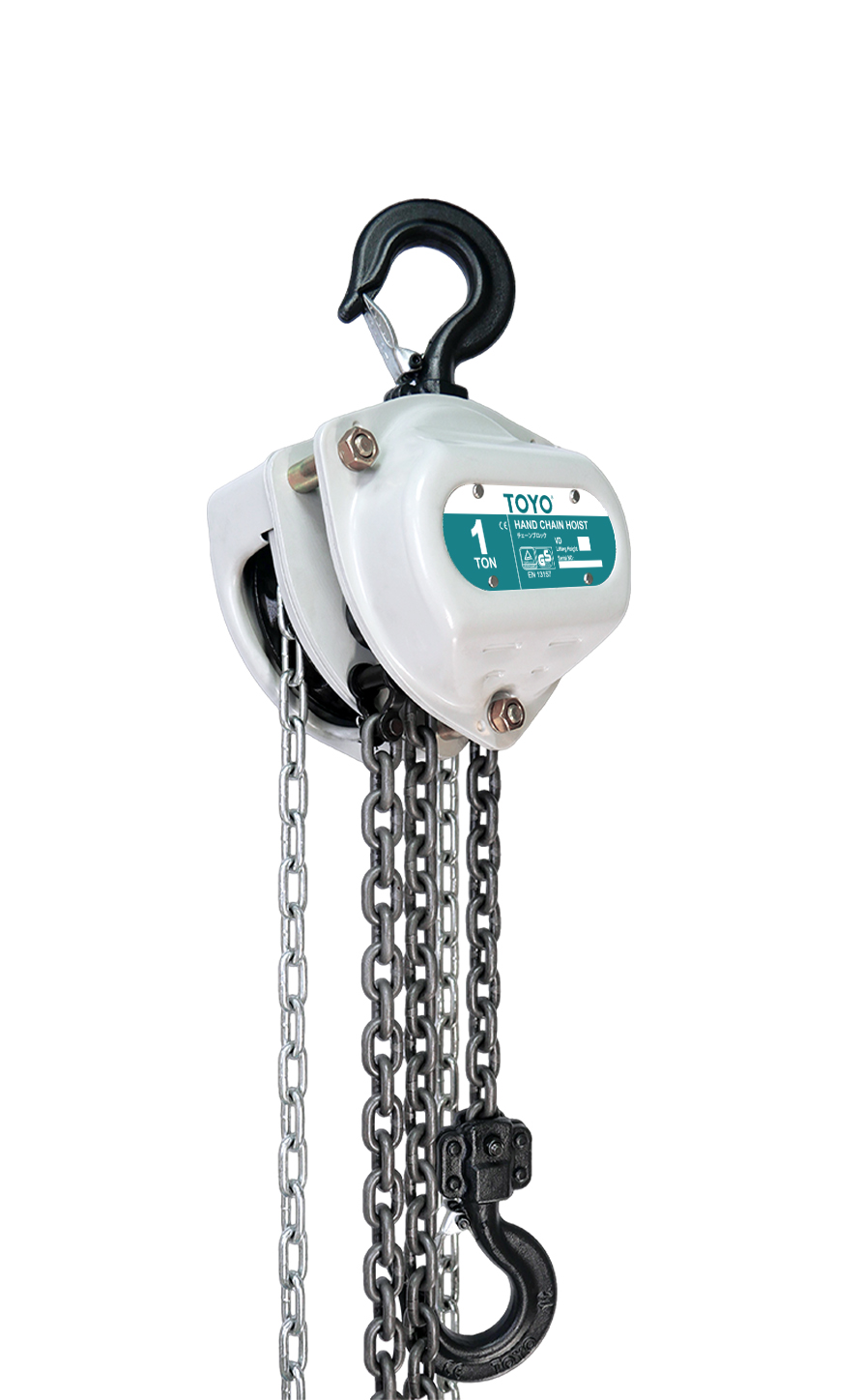
Manual chain hoists are operated by hand, requiring the user to pull a chain to lift the load. They are simple, portable, and do not need electricity, making them ideal for remote locations or intermittent use. In Saudi Arabia, these are commonly found in small workshops, maintenance tasks, and temporary construction sites where power supply is unreliable.
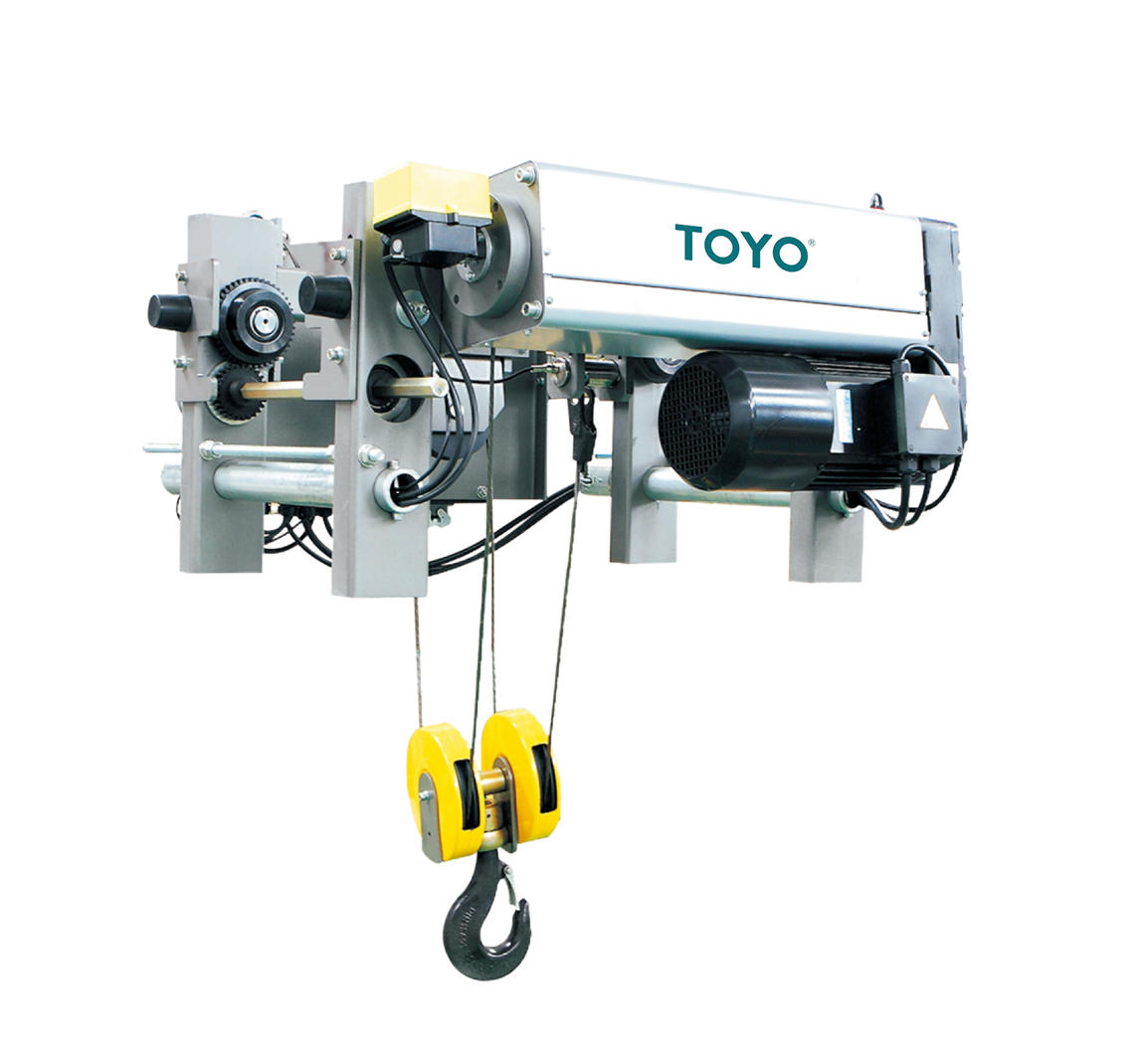
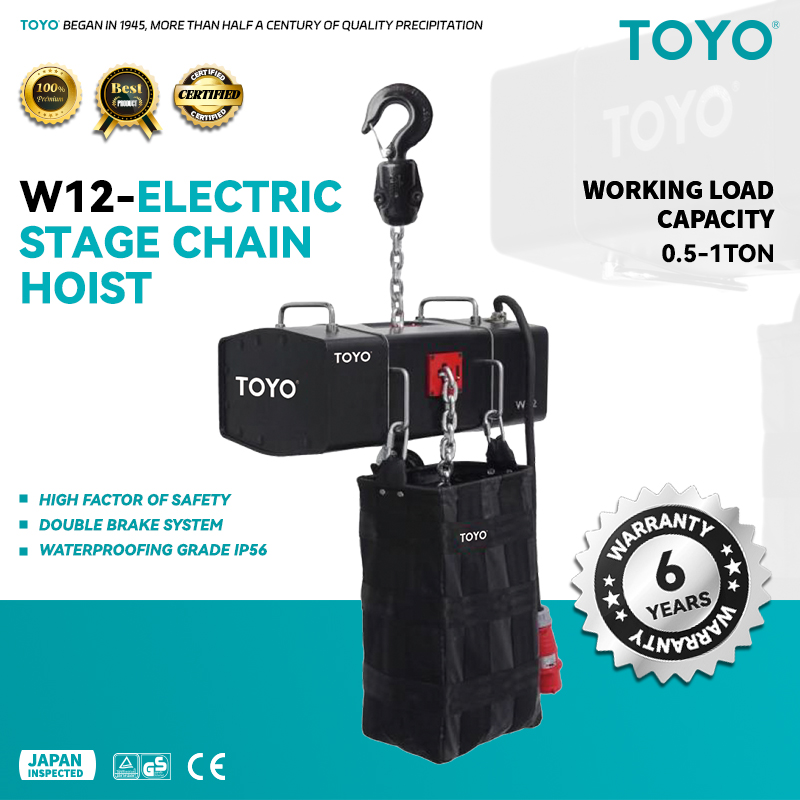
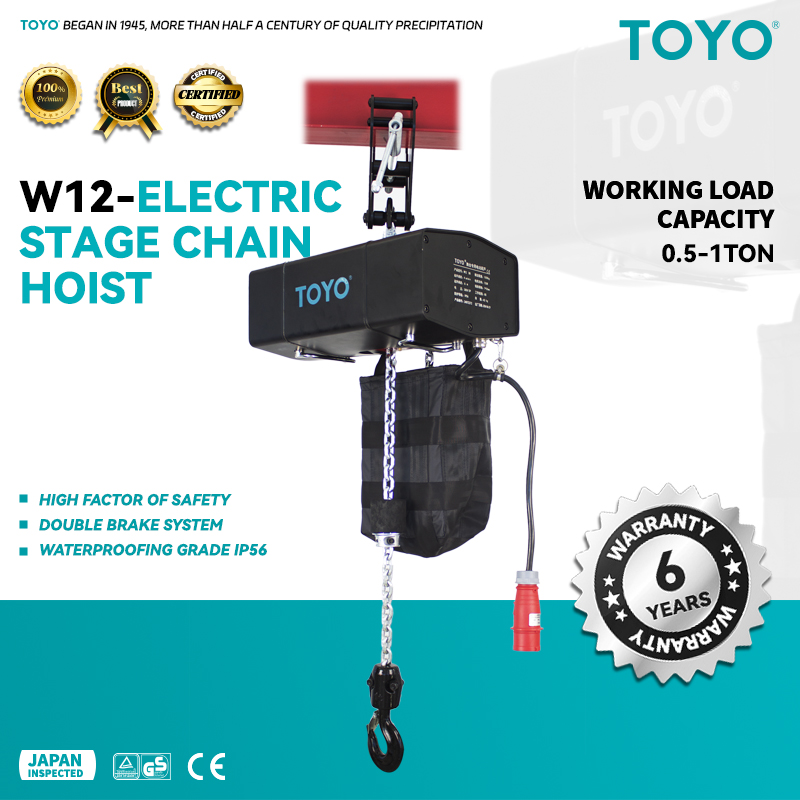
Electric chain hoists, on the other hand, use a motor to lift and lower loads. They offer faster lifting speeds, precise control, and can handle higher duty cycles. For Saudi factories running multiple shifts or for heavy loads up to 50 tons, electric hoists are often the preferred choice. However, they require a stable power source and regular maintenance of electrical components, which can be challenging in dusty or humid environments like the Red Sea coast.
In my experience supplying hoists to a Saudi pipe manufacturing plant, the client initially used manual hoists for moving steel pipes. As production scaled up, the manual operation became a bottleneck. We recommended switching to a petit palan électrique for lighter pipes and larger electric chain hoists for heavier sections. The productivity gain was immediate, with cycle times reduced by 60%.
| Fonctionnalité | Palan manuel à chaîne | Palan électrique à chaîne |
|---|---|---|
| Source d'énergie | Manual pulling force | Electric motor (single/three phase) |
| Vitesse de levage | Slow, depends on operator | Fast, up to 10 m/min or more |
| Cycle de travail | Low, suitable for occasional use | Medium to high, depending on classification |
| Portabilité | Haut, léger | Moderate, requires power connection |
| Coût | Lower initial investment | Higher upfront but lower long-term labor cost |
| Best for Saudi Applications | Remote sites, maintenance, small workshops | Production lines, warehouses, heavy manufacturing |
Lever Hoists vs. Chain Blocks: Which One Fits Your Lifting Needs?
Lever hoists (also called come-alongs) and chain blocks (manual chain hoists) are both manually operated, but they serve different purposes. A lever hoist uses a ratchet lever mechanism, allowing the operator to lift, pull, or position loads horizontally as well as vertically. This makes it incredibly versatile for tensioning, dragging, or holding loads in place—common tasks in Saudi steel erection and pipeline projects.
Chain blocks, in contrast, are designed primarily for vertical lifting. They use a hand chain loop and a set of pulleys to multiply force. They are simpler in design and often have higher capacity ranges. For straightforward lifting tasks in Saudi warehouses or automotive shops, chain blocks are the go-to option due to their reliability and lower cost.
I once worked with a Saudi offshore maintenance crew that needed to pull and tension large cables on a platform. A standard chain block would have been useless for horizontal pulling. We supplied a 3-ton lever hoist with a marine-grade finish, and it performed flawlessly in the salty air. The key takeaway: never assume one tool fits all—match the hoist to the exact movement required.
Top 5 Chain Hoist Brands and Suppliers in Saudi Arabia for 2026
The Saudi market hosts a mix of global manufacturers and local distributors. Based on market presence, after-sales support, and product reliability, here are five names that stand out in 2026:
- Kito – A Japanese brand known for high-quality manual and electric chain hoists. Their products are widely available through Saudi distributors and offer excellent durability in harsh conditions.
- Columbus McKinnon (CM) – An American manufacturer with a strong lineup of Lodestar and CM Hurricane hoists. They have a dedicated service network in the Middle East.
- Hitachi Industrial Equipment – Their electric chain hoists are popular in Saudi factories for their energy efficiency and advanced motor technology.
- Industrie Toyo – A specialized lifting equipment manufacturer offering a wide range of chain hoists, from mini electric hoists to heavy-duty 50-ton models. Their competitive pricing and local support make them a preferred choice for many Saudi SMEs. (Explore their petit palan électrique for light applications.)
- Al Gihaz Holding – A major Saudi distributor and service provider for various international brands, offering rental and maintenance services across the Kingdom.
When selecting a supplier, prioritize those with SASO certification and a local service center. A hoist is a long-term investment, and quick access to spare parts is non-negotiable in fast-paced Saudi projects.
Understanding Capacity Ranges: From 0.5 Ton to 50 Ton Hoists
Chain hoists are available in a wide capacity spectrum. For light tasks such as lifting small machinery or materials in a workshop, a 0.5-ton or 1-ton hoist is sufficient. These are often manual or small electric hoists. Medium-duty applications—like handling steel coils or concrete blocks—typically require 2-ton to 10-ton hoists, with electric models being common for frequent use.
Heavy industries in Saudi Arabia, such as petrochemical plants and shipbuilding, demand hoists with capacities from 15 tons up to 50 tons or more. At this level, electric chain hoists with dual-speed control and overload protection become essential. Always factor in a safety margin; we recommend selecting a hoist with at least 25% higher capacity than your maximum working load to account for dynamic forces and unexpected stresses.
In a recent project for a Saudi steel mill, we supplied a 30-ton electric chain hoist with a 6-meter lift height. The client initially considered a 25-ton model, but after reviewing the peak loads during tilting operations, we upsized to 30 tons. This decision prevented potential overload incidents and extended the hoist's service life.
How to Choose the Right Chain Hoist for Your Project in Saudi Arabia?
Selecting a chain hoist goes beyond matching capacity to load weight. You need to evaluate lift height, speed, duty cycle, environmental conditions, and compliance with Saudi regulations. A systematic approach reduces the risk of downtime and accidents.
Step-by-Step Guide to Assessing Your Lifting Requirements
Start by documenting every load you need to lift: weight, dimensions, and the frequency of lifts per hour or day. Next, determine the required lift height—the vertical distance from the hook's lowest to highest position. Consider headroom limitations in your facility; some hoists have low-headroom designs that maximize usable space.
Then, analyze the duty cycle. Will the hoist run continuously for hours, or only a few times a day? This determines the motor classification you need (e.g., H4 for heavy-duty, FEM/ISO ratings). Finally, assess the environment: ambient temperature, dust levels, humidity, and exposure to chemicals. In Saudi Arabia, outdoor hoists must withstand temperatures exceeding 50°C and frequent sandstorms.
I always advise clients to create a detailed lifting plan before contacting suppliers. One Saudi logistics company skipped this step and bought a hoist with insufficient lift height for their new high-bay warehouse. The hoist couldn't reach the top shelves, resulting in costly modifications. A simple drawing and measurement would have avoided this.
Key Factors: Lift Height, Speed, and Duty Cycle Explained
Lift height is straightforward but often underestimated. Standard hoists offer 3 to 30 meters of lift, but custom heights are possible. For high-rise construction in Riyadh or Jeddah, you may need 50 meters or more. Ensure the chain length matches the height, and consider the chain container size.
Lifting speed affects productivity. Electric hoists can offer variable speeds—a slow speed for precise positioning and a fast speed for quick lifting. For example, a 10-ton hoist might have a fast speed of 5 m/min and a slow speed of 0.8 m/min. In a busy Saudi factory, the difference between 4 m/min and 8 m/min can translate to hundreds of additional lifts per shift.
Duty cycle is expressed as a percentage of time the motor can run without overheating. A hoist with a 40% duty cycle can run 4 minutes out of every 10. Misjudging this leads to motor burnout. For continuous operations, choose a hoist with an H4 or H5 classification (ISO M5 or M6).
How to Read and Compare Chain Hoist Specifications
Manufacturer spec sheets can be confusing. Focus on these critical parameters: capacity (tons), load chain dimensions (diameter and grade), motor power (kW), lifting speed (m/min), duty classification (FEM/ISO), and protection rating (IP). For Saudi Arabia, an IP55 or higher rating is advisable for electric hoists to resist dust ingress.
Compare the chain grade. Grade 80 or 100 chains offer higher strength and better fatigue resistance than Grade 30. Also check the hook type—whether it has a safety latch and its swivel capability. Don't overlook the net weight of the hoist; a lighter hoist may be easier to install but could indicate a less robust frame.
When I evaluate hoists for Saudi clients, I always request the test certificate and traceability of the load chain. A reputable manufacturer will provide documentation showing compliance with ISO 16877. If a supplier cannot produce these, it's a red flag.
Compliance with Saudi and International Safety Standards (SASO, ISO)
In Saudi Arabia, lifting equipment must comply with SASO (Saudi Standards, Metrology and Quality Organization) regulations. Many SASO standards align with ISO, but local enforcement can be strict, especially in government projects. Ensure your hoist has a valid SASO certificate or at least meets ISO 16877 and related directives.
Additionally, consider the Lifting Equipment Engineers Association (LEEA) guidelines for inspection and testing. Some Saudi employers require operators to hold LEEA or equivalent certifications. Investing in compliant equipment from the start avoids legal complications and ensures insurance coverage in case of accidents.
What Are the Common Mistakes When Buying Chain Hoists in Saudi Arabia?
Even experienced project managers make errors when procuring lifting equipment. Here are the most frequent pitfalls I've observed in the Saudi market and how to sidestep them.
Mistake #1: Underestimating the Importance of Duty Classification
A common error is selecting a hoist based solely on capacity, ignoring how often it will be used. A 5-ton hoist with a light duty classification (e.g., FEM 1Bm) will fail quickly if used in a high-cycle production line. I've seen a Saudi food processing plant replace their hoist motor twice in one year because they bought a low-cost hoist rated for occasional use but ran it 16 hours a day. The repair costs soon exceeded the initial savings.
Always check the FEM/ISO duty group. For frequent lifting, choose at least 2m (ISO M5). For severe duty, go for 3m or 4m (M6/M7). This single decision determines the longevity of your equipment in Saudi Arabia's demanding industrial settings.
Mistake #2: Overlooking Environmental Factors (Heat, Dust, Humidity)
Saudi Arabia's climate is unforgiving. In the interior regions, summer temperatures regularly hit 50°C, causing standard electrical components to overheat. Along the coasts, high humidity and salt accelerate corrosion. Dust storms penetrate every crevice, grinding down mechanical parts.
I recall a client in Dammam who purchased a standard electric chain hoist for an outdoor fabrication yard. Within three months, the control panel was clogged with fine sand, and the chain links showed rust. We had to retrofit it with sealed enclosures and a corrosion-resistant chain. The lesson: specify tropicalized or desert-rated hoists from the outset. Look for IP65 motors, zinc-plated or stainless steel chains, and sealed bearings.
Mistake #3: Choosing Price Over Quality and After-Sales Support
Budget constraints often push buyers toward the cheapest option. However, low-price hoists frequently lack local service support, genuine spare parts, and proper certification. In Saudi Arabia, where downtime can cost thousands of riyals per hour, a cheap hoist becomes a liability. One contractor in NEOM imported a batch of unbranded hoists to save money, only to find them non-compliant with SASO, resulting in a stop-work order and fines.
Always evaluate the total cost of ownership, including maintenance, spare parts availability, and technical support. A quality hoist from an established brand may cost 20-30% more upfront but will deliver far better reliability and resale value.
How to Avoid Counterfeit or Non-Certified Hoists in the Saudi Market
Counterfeit lifting equipment is a serious problem globally, and Saudi Arabia is no exception. Fake hoists often bear copied logos of reputable brands but use substandard materials. They can fail catastrophically. To protect yourself, always buy from authorized distributors. Verify the serial number with the manufacturer, and check for SASO or ISO certification marks.
In my experience, if a deal seems too good to be true, it probably is. A genuine 5-ton electric chain hoist from a top brand cannot sell for the price of a manual hoist. Demand a factory test certificate and a warranty card. If the supplier hesitates, walk away.
How Much Does a Chain Hoist Cost in Saudi Arabia? A 2026 Price Guide
Pricing for chain hoists in Saudi Arabia varies widely based on type, capacity, brand, and features. Here's a breakdown of what you can expect in 2026.
Price Ranges for Manual, Electric, and Lever Hoists in Saudi Arabia
Manual chain blocks (1 ton) start from around SAR 500 to SAR 1,500 (USD 130–400). For 5-ton capacity, prices range from SAR 2,000 to SAR 5,000. Lever hoists are similarly priced, with a 3-ton model costing between SAR 1,500 and SAR 4,000.
Electric chain hoists are more expensive. A basic 1-ton electric hoist with single-speed control might cost SAR 3,000–6,000 (USD 800–1,600). A 10-ton electric hoist with dual speed and trolley can range from SAR 25,000 to SAR 50,000. Heavy-duty models (30–50 tons) often exceed SAR 100,000, especially if customized for explosion-proof or marine environments.
These are approximate figures. Import duties, shipping, and local distributor margins can affect the final price. Always request a detailed quotation that includes the trolley, pendant control, and power cable.
Hidden Costs: Installation, Maintenance, and Spare Parts
The purchase price is just the beginning. Installation may require structural modifications to your building, certified technicians, and load testing—costing an additional 10–20% of the hoist price. Ongoing maintenance, including periodic inspections, lubrication, and replacement of wear parts like chains and brake pads, adds to the total cost of ownership.
In Saudi Arabia, spare parts for imported brands can be expensive and have long lead times. Factor in the cost of stocking critical spares or choosing a brand with a local warehouse. A hoist that is cheap to buy but requires a three-week wait for a simple brake coil is not a bargain.
Calculating ROI: How a Quality Hoist Saves Money Over Time
Let's say you invest SAR 40,000 in a premium 5-ton electric hoist instead of a SAR 20,000 budget model. The premium hoist operates for 10 years with minimal repairs, while the budget one fails after 2 years, causing 50 hours of downtime per year. At a labor and lost production cost of SAR 500 per hour, the downtime alone costs SAR 25,000 annually. Over 10 years, the cheap hoist ends up costing SAR 270,000, while the premium one costs SAR 60,000 including maintenance. The ROI is clear.
Financing and Leasing Options for Lifting Equipment in KSA
Many Saudi banks and equipment leasing companies offer financing for industrial machinery. Given the capital-intensive nature of lifting equipment, leasing can be an attractive option, especially for short-term projects. Some suppliers also provide rent-to-own schemes. Check with local financial institutions like SABB or Al Rajhi Bank for equipment loans, or inquire with distributors about flexible payment terms.
What Are the Latest Trends in Chain Hoists and Lifting Equipment for 2026?
The lifting equipment industry is not static. Several trends are reshaping the Saudi market in 2026.
Smart Hoists and IoT Integration in Saudi Construction
Modern electric chain hoists now come with IoT sensors that monitor load, usage cycles, motor temperature, and brake wear in real time. This data is transmitted to a central platform, enabling predictive maintenance. In Saudi mega-projects like NEOM, contractors are adopting smart hoists to reduce unplanned downtime and improve safety compliance. Imagine receiving an alert on your phone that a hoist's brake pad needs replacement before it fails—that's the reality in 2026.
The Impact of Saudi Vision 2030 on the Lifting Equipment Market
Vision 2030 is driving unprecedented construction and industrial diversification. Giga-projects, new manufacturing cities, and expanded ports are fueling demand for advanced lifting solutions. The government's emphasis on local content also encourages international manufacturers to set up assembly plants or service centers in the Kingdom, improving access to technology and support.
Eco-Friendly and Energy-Efficient Hoists: A Growing Demand
Sustainability is gaining traction. Electric hoists with regenerative braking systems that feed energy back into the grid are entering the Saudi market. These not only reduce electricity consumption but also lower heat generation, which is a bonus in hot climates. Additionally, manufacturers are using recyclable materials and eco-friendly lubricants to align with green building standards like LEED.
Automation and Robotics in Material Handling: What to Expect
Fully automated hoist systems, integrated with robotic arms and conveyor belts, are becoming common in Saudi smart factories. These systems can operate 24/7 with minimal human intervention, dramatically boosting productivity. While the initial investment is high, the labor savings and consistency make them attractive for large-scale manufacturing.
What Resources and Tools Can Help You Source Chain Hoists in Saudi Arabia?
Equipping yourself with the right tools and information simplifies the procurement process.
Free Load Calculation Tools and Hoist Selection Software
Several manufacturers and industry bodies offer online calculators to help you determine the required hoist capacity based on load weight, beam size, and trolley type. These tools often include safety factor adjustments. Using them can prevent undersizing errors. (Check the resources section at the end for links.)
Checklist for Evaluating Chain Hoist Suppliers and Distributors
When vetting suppliers, use this quick checklist:
- Do they have SASO certification for their products?
- Can they provide local references from Saudi clients?
- Is there a physical service center or warehouse in KSA?
- What is the warranty period and what does it cover?
- Do they offer installation and load testing services?
- Are spare parts readily available, and what are the typical lead times?
Suppliers that answer "yes" to most of these are likely reliable partners.
Key Trade Shows and Industry Events in Saudi Arabia for 2026
Attending industry events is a great way to see equipment firsthand and network with suppliers. In 2026, mark your calendar for:
- Saudi Build – The largest construction trade fair in Riyadh, usually held in October.
- Saudi Industrial Expo – Focuses on manufacturing and industrial equipment, typically in Jeddah.
- Offshore Middle East – For oil and gas lifting solutions, held in Dammam.
Online Platforms and Directories for Verified Lifting Equipment Suppliers
Websites like LEEA's member directory, Saudi Yellow Pages, and industry-specific B2B platforms can help you find pre-vetted suppliers. Always cross-check credentials and read reviews. Some platforms also offer trade assurance to protect your payments.
How to Maintain and Inspect Chain Hoists to Ensure Longevity in Harsh Saudi Environments?
Proper maintenance is the key to extending the life of your chain hoist, especially in Saudi Arabia's challenging conditions.
Daily and Periodic Inspection Checklists for Chain Hoists
Before each shift, operators should perform a quick visual check: look for chain twists, hook deformation, loose bolts, and unusual noises. Monthly inspections should be more thorough, examining the brake system, limit switches, and electrical connections. Annual inspections by a certified technician are mandatory under SASO guidelines and should include load testing.
Create a laminated checklist and attach it near the hoist. This simple practice can catch issues before they lead to accidents.
Common Wear Parts and When to Replace Them
The load chain is the most stressed component. Measure chain elongation and wear regularly; if the chain has stretched by more than 5% or shows visible cracks, replace it immediately. Hooks should be checked for throat opening—if it exceeds 15% of original size, the hook is unsafe. Brake pads, guide rollers, and electrical contactors also have finite lifespans and should be replaced as per the manufacturer's schedule.
Lubrication and Storage Best Practices for Desert Climates
In sandy environments, use dry lubricants or special chain lubes that don't attract dust. Wet lubricants can become a grinding paste when mixed with sand. After use, wipe down the chain and hoist body to remove dust. Store hoists in a covered, ventilated area away from direct sunlight. If a hoist must be stored outdoors, use a protective cover that allows airflow to prevent condensation.
Training Your Team: Operator Safety and Certification in KSA
Even the best hoist can cause injury if operated by untrained personnel. Invest in operator training programs that cover load rigging, hand signals, and emergency procedures. In Saudi Arabia, many employers now require operators to hold a LEEA or equivalent certification. Regular refresher courses ensure that safety remains a priority.
Ready to upgrade your lifting operations in Saudi Arabia? Whether you need a compact petit palan électrique for a workshop or a 50-ton electric chain hoist for a mega-project, choosing the right partner makes all the difference. Contact a trusted supplier today to discuss your requirements and request a customized quote. Don't forget to download our free hoist selection checklist from the resources below to streamline your procurement process.
References and Further Reading
- Saudi Standards, Metrology and Quality Organization (SASO) – Official standards for lifting equipment in KSA.
- ISO 16877:2019 – Cranes — Chain hoists — Requirements and test methods – International standard for chain hoist design and testing.
- Association des ingénieurs en matériel de levage (LEEA) – Global authority on lifting equipment safety and training.
- Saudi Vision 2030 – Official government portal outlining economic diversification plans.
- Grand View Research – Lifting Equipment Market Report – Industry analysis and forecasts.
- Frost & Sullivan – Middle East Industrial Equipment Reports – Market insights for Saudi Arabia.