What Types of Lifting Equipment Are Most In-Demand in Peru?
Manual Chain Hoists vs. Lever Hoists: Which One Suits Peruvian Industries?
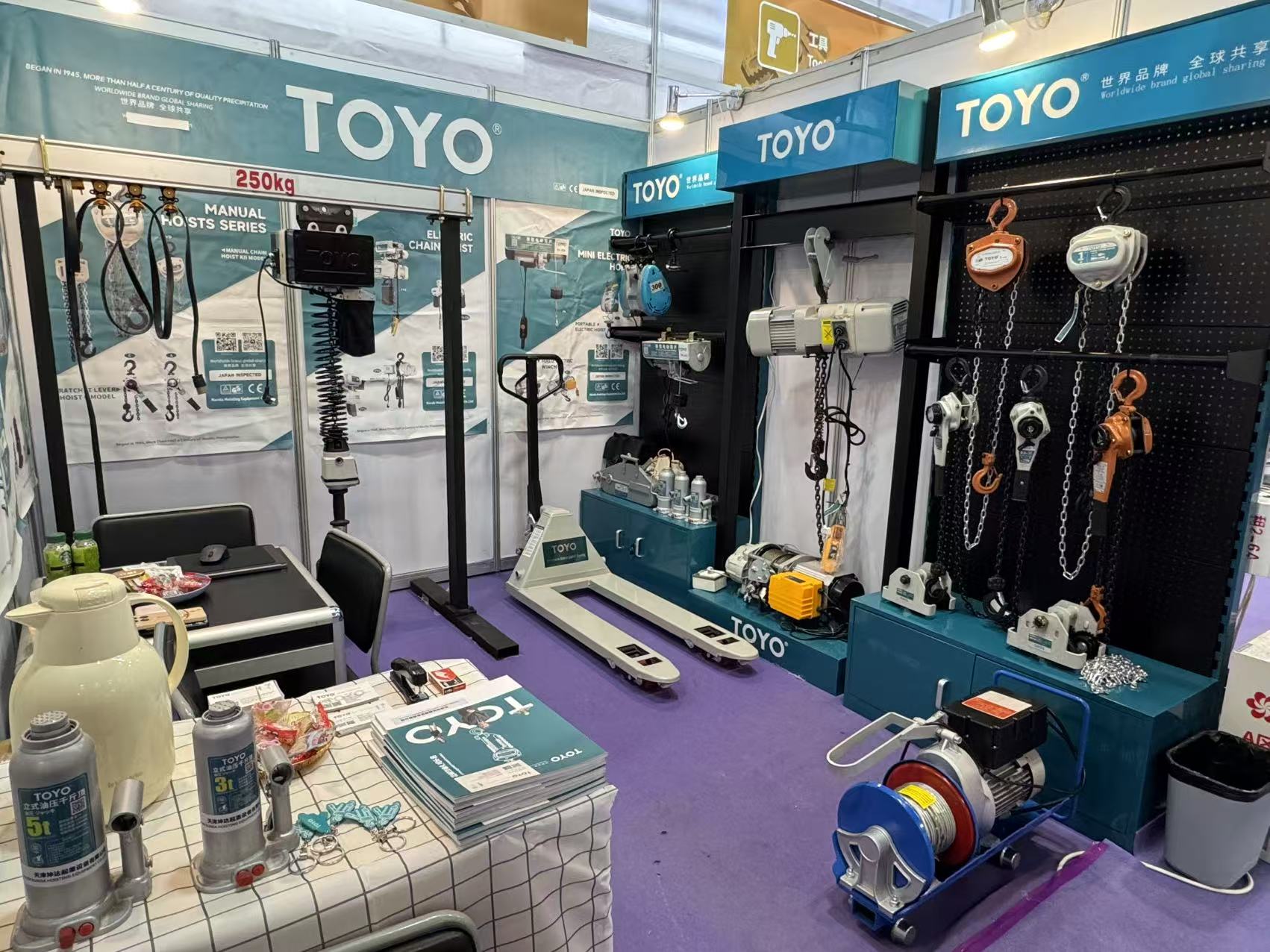
Peru's industrial landscape spans mining, construction, agriculture, and logistics, each with distinct lifting requirements. Manual chain hoists and lever hoists are the backbone of many small to medium-scale operations. Understanding their differences is critical for buyers who want to avoid costly mismatches.
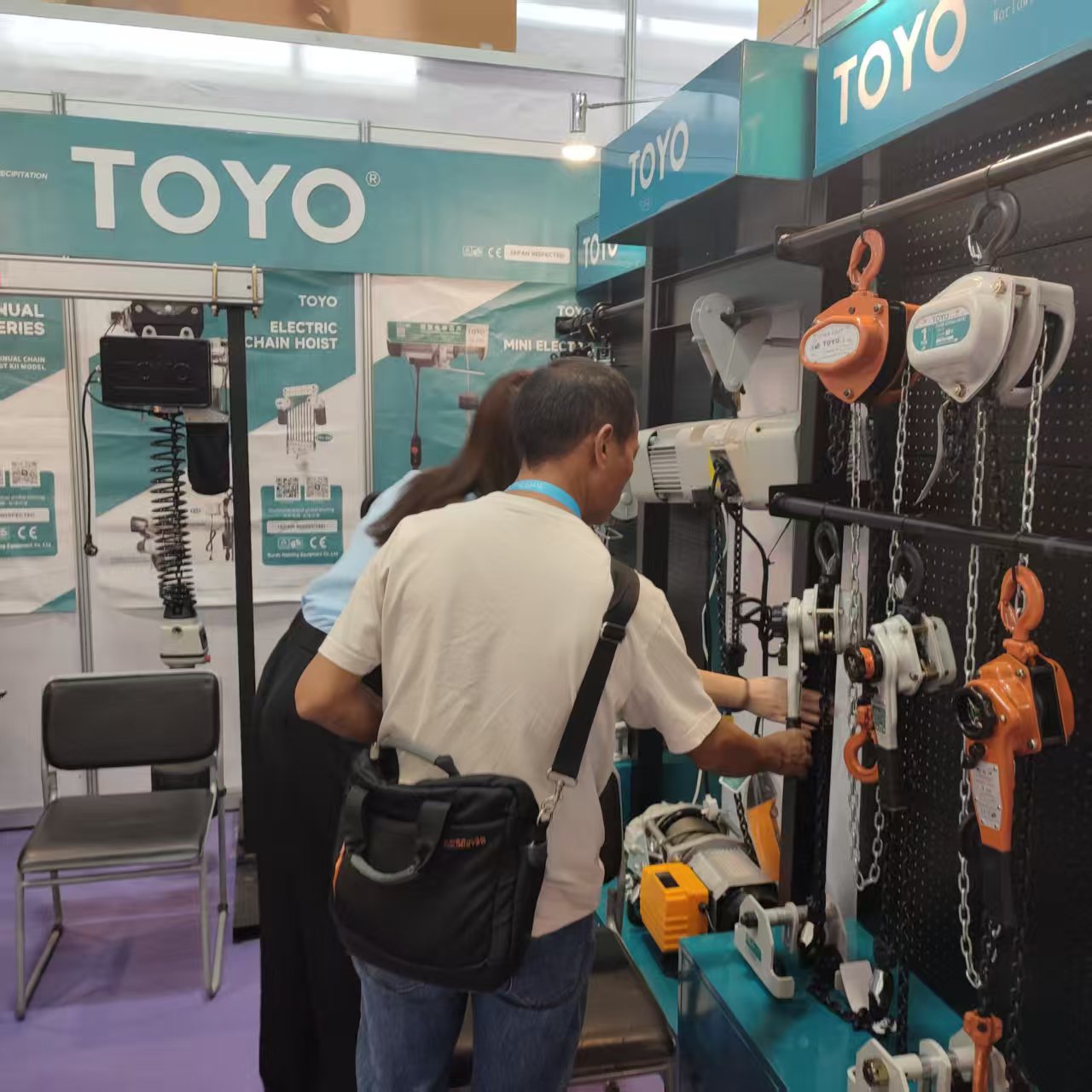
Manual chain hoists use a hand chain to lift loads vertically. They excel in repetitive lifting tasks where the load moves straight up and down—think warehouse beams or assembly lines. Lever hoists, on the other hand, operate with a ratcheting lever handle. They can lift, pull, and tension loads in multiple directions, making them ideal for positioning heavy pipes, machinery alignment, or pulling tasks in confined spaces.
In my experience working with a Lima-based steel fabricator, the team initially used lever hoists for overhead lifting. The angled pulls caused premature wear on the load chain and brake mechanism. After we recommended switching to a manual chain hoist for vertical lifts and keeping the lever hoist for horizontal pulling, their maintenance costs dropped by 30% in six months. This simple change also improved workplace safety, as the equipment was being used within its design limits.
Peruvian industries in the highlands and jungle often face uneven terrain and temporary setups. Lever hoists are popular there because they don’t require a perfectly vertical anchor point. However, for coastal factories and mining processing plants with overhead crane systems, manual chain hoists are the preferred choice due to their higher lifting speeds and lower physical effort over long shifts.
Below is a quick comparison to help you decide which equipment fits your operation:
| Fonctionnalité | Palan manuel à chaîne | Palan à levier |
|---|---|---|
| Primary Motion | Vertical lifting only | Vertical lifting, horizontal pulling, tensioning |
| Meilleure application | Repetitive overhead lifting, fixed workstations | Positioning loads, pipe fitting, maintenance in tight spaces |
| Typical Load Capacity | 0.5 to 30 tons | 0.25 to 9 tons |
| Facilité d'utilisation | Smooth hand chain operation, less fatigue for long lifts | Lever requires more physical effort, better for short pulls |
| Price Range (2026, Peru) | $150 – $1,200 depending on capacity | $120 – $900 depending on capacity |
When sourcing these tools, always verify that the fournisseur de palans à chaîne provides certified load test reports and offers local after-sales support. Many Peruvian buyers overlook this and end up with uncertified units that fail safety audits.
Electric Chain Hoists: Why They're Gaining Popularity in Peru's Mining Sector
Peru is the world's second-largest copper producer and a major player in zinc, gold, and silver. Mining operations run 24/7 and demand lifting equipment that can handle high duty cycles without overheating or slowing down. Electric chain hoists are rapidly replacing manual alternatives in these environments.
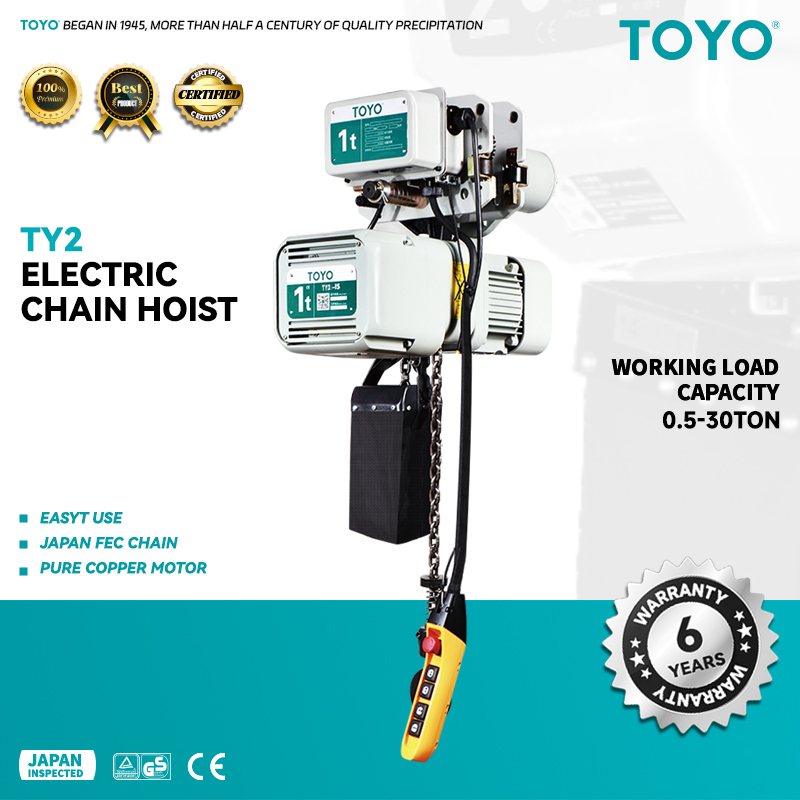
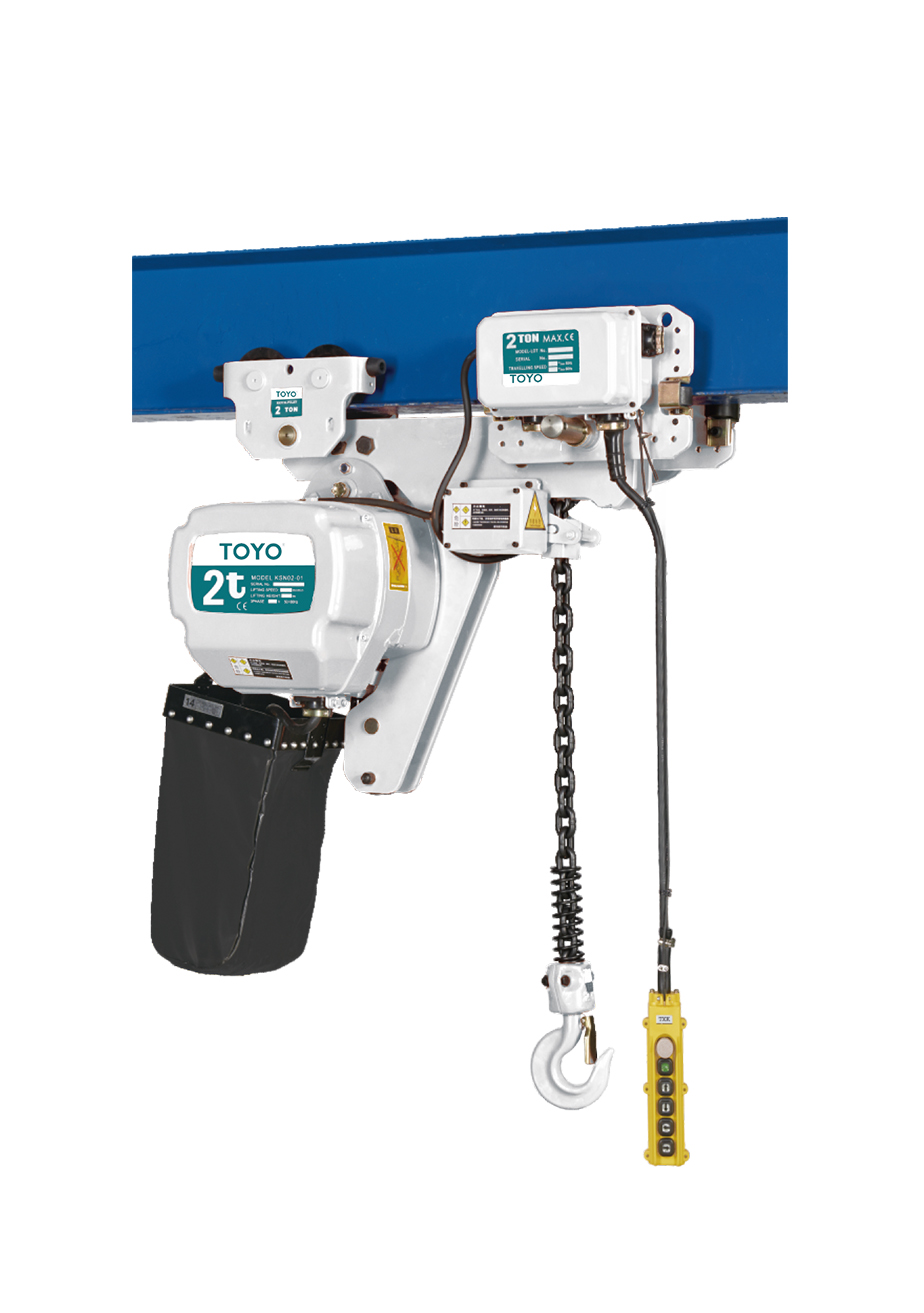
An electric chain hoist uses a motor to drive the lifting mechanism. It offers precise speed control, remote operation, and the ability to lift heavier loads faster. In a typical mine processing plant, maintenance crews use electric hoists to lift crusher components, pump assemblies, and conveyor parts. The time saved compared to manual hoists directly translates into less downtime.
I recall a site visit to a copper mine near Arequipa in early 2025. The maintenance supervisor showed me a log where manual hoist breakdowns caused an average of 14 hours of unplanned downtime per month. After installing electric chain hoists from a reputable fournisseur de palans à chaîne , that figure dropped to under 3 hours. The initial investment was recovered within four months through improved productivity alone.
Another factor driving adoption is the availability of dual-speed and variable-frequency drives. These features allow operators to inch loads into position with millimeter precision—critical when aligning expensive mill components. Modern electric hoists also come with overload protection and thermal sensors, which prevent the motor from burning out during intense use.
Peru's mining regulations are tightening around worker safety. Electric hoists reduce the physical strain on operators and minimize the risk of repetitive strain injuries. As more mines automate their processes, demand for electric hoists with smart controls and IoT connectivity is expected to surge through 2026 and beyond.
Lifting Clamps for Steel Handling: A Must-Have for Peruvian Construction
Steel plates, beams, and pipes are the skeleton of Peru's booming construction sector. From high-rise buildings in Lima to bridge projects in the Andes, moving steel safely is a daily challenge. Lifting clamps—also known as plate clamps or beam clamps—provide a secure grip without the need for slings or hooks that can slip.
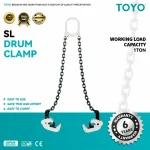
There are vertical clamps for lifting plates in a vertical orientation, horizontal clamps for flat steel sheets, and universal clamps that can handle both. The clamp's cam mechanism tightens as the load increases, so the heavier the steel, the stronger the grip. This self-locking design is a game-changer for safety.
During a project in the Callao port area, a contractor was using wire rope slings to lift 15mm steel plates. The slings frequently damaged the plate edges and caused unbalanced lifts. After switching to certified lifting clamps, the team eliminated edge damage completely and reduced rigging time by half. The clamps paid for themselves within weeks just from the reduction in rejected steel.
When selecting clamps for Peruvian construction sites, consider the material hardness and surface condition. High-tensile steel requires clamps with hardened jaws. Coastal humidity also demands clamps with corrosion-resistant finishes. Always check the clamp's rated capacity at the specific jaw opening you'll use—many accidents happen because operators assume a clamp rated for 5 tons at full opening will hold the same at a smaller opening, which is often not the case.
High-Tensile Slings: The Safe Choice for Heavy Loads in Peru
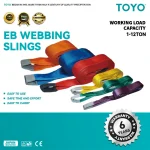
Heavy lifts in Peru—whether in mining, oil and gas, or infrastructure—require slings that can withstand extreme forces without stretching or breaking. High-tensile synthetic slings made from polyester or nylon are increasingly popular, but wire rope slings and chain slings still dominate the heaviest applications.
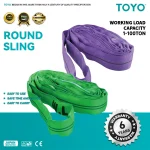
Polyester round slings offer flexibility, light weight, and protection for delicate loads. They're widely used in the installation of turbines, transformers, and prefabricated concrete elements. However, they have lower temperature resistance and can degrade under UV exposure, which is a concern in Peru's high-altitude regions where solar radiation is intense.
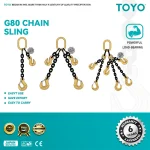
Wire rope slings remain the go-to for mining and steel mills. They handle sharp edges and high temperatures better than synthetics. Grade 80 and Grade 100 alloy chain slings provide the highest strength-to-weight ratio and are essential for overhead lifting where safety factors are non-negotiable.
One common mistake I've seen in Peruvian operations is mixing sling types without calculating the resulting load distribution. For example, using one nylon sling and one wire rope sling on the same lift can lead to uneven loading because the nylon stretches while the wire rope doesn't. This can cause the load to shift suddenly. Always use identical slings for multi-leg lifts and follow the manufacturer's sling angle charts.
How to Select the Best Lifting Equipment for Your Peru Operations?
Assessing Load Capacity and Duty Cycle: A Step-by-Step Guide
Selecting lifting equipment starts with two fundamental parameters: the maximum load you need to lift and how often you'll lift it. Getting these wrong is the root cause of most equipment failures and safety incidents.
Start by identifying the single heaviest object in your operation—not the average load. Your hoist or sling must be rated for at least 1.25 times that weight for static lifts, and higher if dynamic forces are present. For electric hoists, check the FEM or ISO duty cycle classification. A hoist rated for FEM 1Bm (light intermittent) will fail quickly in a mine that runs it continuously.
I once consulted for a Peruvian textile factory that bought a cheap 2-ton electric hoist to lift dyeing drums. The drums weighed only 1.2 tons, well within the capacity. But the hoist was rated for 200 starts per hour, and the production line required 350 starts. After three months, the motor burned out. They replaced it with a 2-ton hoist rated for FEM 2m (medium duty), which is still running two years later. The lesson: capacity is not just about weight; it's about time and frequency.
Document your duty cycle over a typical week. Count the number of lifts per day, the average lift height, and the load weight variation. Share this data with your fournisseur de palans à chaîne so they can recommend a correctly sized motor and brake system.
Understanding Peruvian Safety Standards and Certifications
Peru's lifting equipment safety framework is governed by the Ministry of Labor and the National Institute for Civil Defense (INDECI), along with sector-specific regulations from the Ministry of Energy and Mines. While Peru does not have a single unified lifting equipment standard, it generally aligns with international norms such as ASME B30, ISO 9001, and FEM standards.
All lifting equipment imported or sold in Peru must have a certificate of conformity from an accredited body. For electric hoists, this includes electrical safety certifications. For manual hoists and slings, load test certificates and material traceability documents are mandatory. Operations in the mining sector face additional audits under Supreme Decree 024-2016-EM, which mandates regular inspections of all lifting gear.
Buyers should look for suppliers who can provide third-party inspection reports from organizations like Bureau Veritas, SGS, or local Peruvian certification firms. Never accept a supplier's in-house test report as sufficient—it must be from an independent entity. In my dealings with Peruvian customs, I've seen shipments held for months because the documentation lacked the required Peruvian National Quality Institute (INACAL) recognition.
Matching Equipment to Environmental Conditions in Peru (Coast, Highlands, Jungle)
Peru's three geographical zones present radically different challenges for lifting equipment. The coastal region, including Lima, has high humidity and salt-laden air that accelerates corrosion. The highlands (Sierra) expose equipment to intense UV radiation, sub-zero temperatures, and abrasive dust. The jungle (Selva) brings heavy rainfall, mud, and biological growth.
For coastal operations, stainless steel or galvanized components are worth the extra cost. Standard painted finishes can fail within months. I've seen manual chain hoists in Callao warehouses develop rust on the load chain within weeks of installation because they lacked proper plating.
In the highlands, lubricants must remain viscous at low temperatures. Standard grease can thicken, causing brake slippage. Electric hoists need sealed motors to prevent conductive dust from shorting windings. At altitudes above 3,500 meters, electric motor efficiency drops due to thinner air, so you may need a higher-rated motor to compensate.
Jungle operations demand equipment with IP65 or higher ingress protection. Control pendants and limit switches must be completely sealed. Synthetic slings are prone to mold and mildew unless treated. Chain hoists with nickel-plated load chains resist corrosion better than zinc-plated ones in these conditions.
Evaluating Manual vs. Electric Hoists: A Decision Framework
Choosing between manual and electric hoists isn't just about budget. It's about operational efficiency, safety, and long-term costs. Use the following framework to make an informed decision for your Peru site.
First, calculate the total cost of ownership over five years. A manual hoist has a lower purchase price but requires more labor hours per lift. If your operation performs more than 20 lifts per day, an electric hoist often pays for itself in labor savings within two years. For intermittent use—like a maintenance workshop that lifts once a week—a manual hoist is perfectly adequate.
Second, consider the skill level of your workforce. Electric hoists with push-button controls are easier to train new operators on. Manual hoists require more physical effort and technique, which can lead to inconsistent usage and safety risks if not properly supervised.
Third, evaluate the lifting environment. In explosive atmospheres (e.g., some chemical plants), electric hoists must be explosion-proof, which dramatically increases cost. In those cases, a manual hoist may be the safer and more economical choice. Conversely, in clean, high-production settings, electric hoists are the clear winner.
Finally, check the infrastructure. Electric hoists need a reliable power supply. In remote Peruvian sites with unstable electricity, a manual hoist with no power dependency can be more reliable. However, portable generators and solar-powered systems are making electric hoists viable even in off-grid locations.
What Are the Top Mistakes Buyers Make When Purchasing Lifting Equipment in Peru?
Overlooking Local Regulations and Compliance Requirements
The most common mistake foreign buyers and even local companies make is assuming that international certifications automatically satisfy Peruvian regulations. While Peru accepts many global standards, the equipment must still be registered and, in some cases, inspected by local authorities before use.
For mining operations, lifting equipment must be listed in the mine's safety management plan and subjected to monthly visual inspections and annual load tests. Failure to comply can result in fines exceeding 50 UIT (Tax Units), which in 2026 is a substantial sum. I've seen a junior mining company in Ancash forced to halt operations for two weeks because their imported electric hoists lacked the required INDECI operational permit.
Before purchasing, ask the supplier for a complete documentation package: manufacturer's certificate, material test reports, third-party inspection certificate, and a declaration of conformity with Peruvian technical standards. If the supplier can't provide these, walk away.
Choosing Price Over Quality: The Hidden Costs of Cheap Hoists
Peru's market has a wide price range for lifting equipment, and it's tempting to choose the lowest bidder. But cheap hoists often lack proper heat treatment on load chains, use inferior brake materials, and have poor fit and finish that accelerates wear.
In 2025, a small metalworking shop in Arequipa bought a no-name 3-ton manual chain hoist online for $120. Within three months, the hand chain started slipping under load. Investigation revealed the brake pawl was made of low-carbon steel that had worn smooth. The shop lost a full day of production and spent an additional $200 on repairs and replacement parts—more than the cost of a quality hoist from a certified fournisseur de palans à chaîne .
Quality equipment comes with traceable materials, proper heat treatment, and factory load testing. It also holds its resale value. When you factor in downtime, safety risks, and shorter replacement cycles, the "cheap" option is almost always more expensive over a two-year period.
Ignoring After-Sales Support and Spare Parts Availability in Peru
Lifting equipment is not a one-time purchase; it requires maintenance, periodic parts replacement, and occasional repairs. Many international brands have limited presence in Peru, meaning spare parts can take weeks to arrive. For a mining operation losing $50,000 per hour of downtime, that delay is unacceptable.
Local support matters. Before committing to a brand, ask who stocks spare parts in Peru. A reliable supplier should have a warehouse in Lima or a regional distributor with common wear items like load chains, brake discs, and gears. They should also offer on-site repair services or at least a local workshop.
I recall a frustrating case where a geothermal project in the southern highlands bought European electric hoists with no local representation. When the control board failed, the nearest spare part was in Germany. The hoist sat idle for six weeks. The project manager later told me he would have gladly paid 20% more for equipment with local support.
Miscalculating Load Capacity: A Common and Dangerous Error
Load capacity is not just the number stamped on the hoist. It varies with the lifting configuration. For example, a hoist rated for 2 tons on a single chain fall may only be rated for 1 ton if you use a pulley to double the line. Similarly, slings lose capacity dramatically at angles—a sling rated for 2 tons at vertical may only handle 1.4 tons at a 45-degree angle.
In early 2026, a Peruvian construction crew used a 5-ton web sling in a basket hitch to lift a 4.5-ton concrete beam. The sling broke because the basket hitch configuration reduced its capacity to 4 tons. Fortunately, no one was injured, but the beam was destroyed. The root cause was a lack of understanding of sling angle factors and hitch configurations.
Always consult the manufacturer's capacity charts for your specific rigging setup. Train your team to calculate the load on each leg of a multi-leg sling. A simple rule: the load on each leg equals the total load divided by the number of legs, multiplied by the angle factor. This knowledge alone can prevent most lifting accidents.
How Much Does Lifting Equipment Cost in Peru? A 2026 Price Guide
Price Ranges for Manual Chain Hoists, Lever Hoists, and Electric Hoists
Prices in Peru for lifting equipment have seen moderate increases in 2026 due to global steel prices and shipping costs. However, the market remains competitive, especially for standard manual hoists. Below are approximate price ranges you can expect for new, certified equipment in the Peruvian market (including VAT but excluding delivery).
- Palans manuels à chaîne : 0.5 ton: $150–$250; 1 ton: $180–$350; 3 ton: $250–$500; 5 ton: $400–$800; 10 ton: $700–$1,500.
- Palans à levier : 0.75 ton: $130–$220; 1.5 ton: $180–$300; 3 ton: $250–$450; 6 ton: $500–$900.
- Palans électriques à chaîne : 0.5 ton (single phase): $800–$1,500; 1 ton: $1,200–$2,500; 2 ton: $1,800–$3,500; 5 ton: $3,000–$6,000; 10 ton: $6,000–$12,000.
These ranges reflect standard models with basic controls. Explosion-proof, dual-speed, or stainless steel versions can cost 50% to 100% more. Always request a detailed quote that breaks down the base price, any optional features, and the warranty terms.
Factors Influencing Lifting Equipment Prices in the Peruvian Market
Several variables affect the final price you'll pay. Import duties on lifting equipment in Peru typically range from 0% to 6% depending on the HS code classification, but other costs add up quickly. Freight from Asia or Europe can add 10–20% to the landed cost. Local distributors also factor in warehousing, inventory financing, and their own warranty reserves.
Exchange rate fluctuations between the Peruvian Sol and the US dollar are another factor. Most lifting equipment is traded in dollars, so a strong dollar makes imports more expensive for Peruvian buyers. In 2026, the Sol has been relatively stable, but smart buyers lock in exchange rates with forward contracts when placing large orders.
Certifications also influence price. Equipment with Bureau Veritas or SGS third-party inspection costs 5–10% more than uncertified equivalents, but it's a non-negotiable expense for regulated industries. Some Chinese manufacturers now offer pre-certified units specifically for the Peruvian market, which can save time and customs delays.
Calculating ROI: Why Investing in Quality Equipment Pays Off
To calculate the return on investment for a lifting equipment purchase, look beyond the sticker price. Consider these variables: labor cost per hour, downtime cost per hour, maintenance cost per year, and expected service life.
Let's take a real example. A medium-scale mine in La Libertad was using three manual 5-ton chain hoists for maintenance lifts, each costing $600. The total investment was $1,800. Each lift took 45 minutes with two workers. By switching to a single 5-ton electric hoist costing $4,500, the lift time dropped to 10 minutes with one worker. Over a year, the labor savings alone exceeded $8,000. The electric hoist paid for itself in seven months and continued saving money for years.
Quality equipment also retains resale value. A well-maintained manual hoist from a known brand can sell for 40–50% of its original price after five years. No-name hoists often have zero resale value because buyers don't trust their remaining service life.
Hidden Costs: Shipping, Import Duties, and Maintenance in Peru
First-time buyers often underestimate the total landed cost. Shipping a 500 kg pallet of hoists from Shanghai to Callao costs around $400–$800 by sea, but port handling, customs brokerage, and inland transport can double that. Import duties are calculated on the CIF value (cost, insurance, freight), so even a 0% duty doesn't mean zero tax—VAT of 18% still applies.
Maintenance costs vary by region. In Lima, you can find qualified technicians easily, with hourly rates around $25–$40. In remote mining areas, you'll pay travel time and per diem, pushing the rate to $80–$120 per hour. Plan for an annual inspection and load test, which can cost $150–$500 per hoist depending on capacity and location.
Spare parts inventory is another hidden cost. Smart buyers purchase a set of wear parts (load chain, brake pads, guide rollers) with the initial equipment order. This avoids emergency air freight charges later, which can be 3–5 times the normal shipping cost.
What Are the Key Trends Shaping Peru's Lifting Equipment Market in 2026?
The Rise of Automation: Electric and Smart Hoists in Peru
Automation is no longer a futuristic concept in Peru; it's a current reality driven by the mining sector's push for efficiency. Smart electric hoists equipped with load cells, position sensors, and wireless connectivity are entering the market. These hoists can record every lift's weight, duration, and cycle count, feeding data into a maintenance management system.
In a trial at a polymetallic mine in Cerro de Pasco, smart hoists reduced unplanned maintenance by 22% because the system alerted technicians to brake wear before it became critical. The data also helped the mine optimize its maintenance schedules, moving from calendar-based to condition-based servicing.
For Peruvian buyers, the barrier to entry is the initial cost and the need for IT infrastructure. However, as more suppliers offer cloud-based platforms with Spanish-language interfaces, adoption is accelerating. By the end of 2026, I expect at least 15% of new electric hoists sold in Peru to have some form of smart capability.
Sustainability and Eco-Friendly Lifting Solutions
Environmental regulations in Peru are tightening, especially for mining and large infrastructure projects. Equipment buyers are increasingly considering the carbon footprint and recyclability of their purchases. Electric hoists powered by renewable energy—such as solar arrays at remote mine sites—are becoming a selling point.
Manufacturers are responding with more efficient motors (IE3 and IE4 class) that consume less electricity. Some are using biodegradable lubricants and recyclable packaging. While these features add 5–8% to the purchase price, they can help companies meet their ESG targets and qualify for green financing programs.
In the jungle regions, where diesel generators are still common, solar-powered electric hoists are gaining traction. I've seen a pilot project in Madre de Dios where a 2-ton electric hoist runs entirely on a solar-battery system, eliminating fuel costs and reducing noise pollution—a significant benefit for both workers and the surrounding ecosystem.
Increased Demand from Peru's Mining and Infrastructure Projects
Peru's mining investment pipeline for 2026–2028 exceeds $10 billion, with major projects like Yanacocha Sulfuros, Corani, and the expansion of Cerro Verde driving demand for lifting equipment. Infrastructure spending under the National Infrastructure Plan is also growing, with new roads, bridges, and water treatment plants requiring heavy lifting solutions.
This demand surge is stretching the supply chain. Lead times for specialized electric hoists have extended from 8 weeks to 14–16 weeks. Prices for high-capacity hoists (over 20 tons) have risen 12% year-over-year due to material shortages and increased shipping costs.
Buyers planning large projects should secure their equipment orders early and consider leasing options for short-term needs. Some suppliers now offer rental fleets in Peru, which can be a cost-effective way to handle peak demand without capital expenditure.
Digitalization: How E-Commerce is Changing Equipment Procurement in Peru
E-commerce platforms are reshaping how Peruvian companies buy lifting equipment. Marketplaces like Mercado Libre and specialized industrial platforms allow buyers to compare prices, read reviews, and place orders online. However, this convenience comes with risks—counterfeit and uncertified products are common on unverified platforms.
To navigate this, serious buyers are turning to B2B platforms that verify supplier credentials, such as Alibaba's verified supplier program or industry-specific directories. Some Peruvian distributors now offer their own e-commerce sites with local inventory visibility and online quotation tools.
Digitalization also extends to documentation. Instead of paper certificates that get lost, leading suppliers provide QR codes on equipment that link to digital copies of load test reports and inspection records. This simplifies audits and ensures that safety documentation is always accessible on a smartphone, even in remote sites.
Where to Find Trusted Lifting Equipment Suppliers and Resources in Peru?
Top Online Platforms and Directories for Lifting Equipment in Peru
Finding a reliable supplier starts with knowing where to look. For international brands, industry directories like ThomasNet, Kompass, and Latin American industrial portals list verified distributors. In Peru, the National Society of Industries (SNI) maintains a member directory that includes lifting equipment suppliers.
Online B2B marketplaces can be useful, but filter for suppliers with at least five years of trading history and on-site verification. Look for those who openly display their certifications and have responsive customer service in Spanish. A reputable fournisseur de palans à chaîne will provide clear product specifications, lead times, and after-sales policies before you even ask.
For local purchases, platforms like PeruCompras (the government procurement portal) can give you an idea of which suppliers have successfully delivered to public entities. This is a strong indicator of reliability and compliance capability.
Key Trade Shows and Industry Events in South America for 2026
Attending trade shows is one of the best ways to evaluate lifting equipment firsthand and build relationships with suppliers. In 2026, several key events in South America are worth marking on your calendar:
- EXPOMINA Peru (September 2026, Lima): The largest mining trade show in Peru, featuring heavy equipment, including cranes and hoists. Ideal for networking with mining procurement managers and international suppliers.
- FIM Peru (October 2026, Lima): International Mining Fair with a dedicated section for lifting and material handling equipment.
- ExpoCarga (November 2026, Santiago, Chile): While in Chile, this logistics and cargo handling expo attracts many Peruvian buyers due to its proximity and the overlap in supplier networks.
- CONEXPO Latin America (2026, alternate year): Check the schedule; this construction equipment show often features lifting gear manufacturers with regional distributors.
At these events, ask for live demonstrations and load test certificates. Collect business cards and follow up within a week. Many suppliers offer show discounts that can save you 5–10% on bulk orders.
How to Verify Supplier Credentials and Product Certifications
Verifying a supplier's claims can prevent a costly mistake. Start by requesting their RUC (Peruvian tax ID) and checking it on the SUNAT website to confirm they are an active legal entity. Ask for at least three references from Peruvian clients in your industry, and actually call them.
For product certifications, look for the following:
- ISO 9001 certificate for the manufacturer's quality management system.
- CE marking or equivalent for electric hoists (note: CE alone is not sufficient for Peru, but it's a good baseline).
- Load test certificate from an accredited third party (Bureau Veritas, SGS, TÜV, or a Peruvian firm like Certificaciones del Perú S.A.).
- Material test reports for load-bearing components like chains and hooks, showing heat treatment and tensile strength.
I once helped a client verify a supplier by checking the third-party certificate number directly on the inspection company's website. The certificate was genuine, but it was for a different batch of equipment. The supplier had reused an old certificate. We canceled the order and avoided a potentially dangerous situation. Always cross-check certificate numbers with the issuing body.
Recommended Maintenance and Inspection Checklists for Peruvian Users
Regular maintenance is not just a best practice—it's a legal requirement in Peru for many industries. Here's a simplified checklist that covers the essentials for most lifting equipment:
- Daily (before use): Visual check for cracks, deformation, or corrosion on hooks, chains, and slings. Test brake function with a light load. Ensure limit switches work (electric hoists).
- Weekly: Lubricate load chain with manufacturer-recommended lubricant. Check for chain elongation using a gauge. Inspect electrical cables and control pendant for damage.
- Mensuel : Measure hook throat opening—replace if it exceeds 10% of original size. Check gearbox oil level (electric hoists). Verify that load markings and warning labels are legible.
- Annuellement : Full load test at 125% of rated capacity by a certified inspector. Disassemble brake and inspect friction discs. Replace load chain if elongation exceeds 3% or if links show significant wear.
- Every 5 years or 10,000 cycles: Complete overhaul including replacement of bearings, seals, and gearbox oil. Load test and recertification.
Keep a logbook for each piece of equipment. Record all inspections, repairs, and load tests. This logbook is often the first thing a safety auditor will ask to see. Digital logbooks with photo attachments are becoming popular and can be maintained easily with a smartphone.
Peru's diverse operating conditions demand extra vigilance. In coastal areas, check for rust weekly. In the highlands, inspect rubber components for cracking due to UV exposure. In the jungle, look for mold on slings and ensure electrical enclosures are free of moisture. Tailoring your inspection routine to the environment will dramatically extend equipment life.
Références et lectures complémentaires
- Peruvian Ministry of Energy and Mines – Mining Investment Report 2026
- ASME B30 Safety Standards for Cableways, Cranes, Derricks, Hoists, Hooks, Jacks, and Slings
- ISO 16872:2025 – Round steel link chains for lifting purposes
- SNI – National Society of Industries Peru, Industrial Directory
- Bureau Veritas Lifting Equipment Inspection Services
- SGS Lifting Equipment Certification and Testing
- INDECI – Peruvian National Institute for Civil Defense Safety Regulations
- Toyo Industry – Manual Chain Hoist Technical Specifications and Load Charts
Choosing the right lifting equipment for your Peru operations is a decision that impacts safety, productivity, and your bottom line. Whether you need a simple manual hoist for a workshop or a fleet of smart electric hoists for a mine, start by clearly defining your requirements, verifying local regulations, and partnering with a certified fournisseur de palans à chaîne who understands the Peruvian market. Request a detailed quote today, and don't hesitate to ask for client references and third-party certifications. Your team's safety is worth the extra diligence.