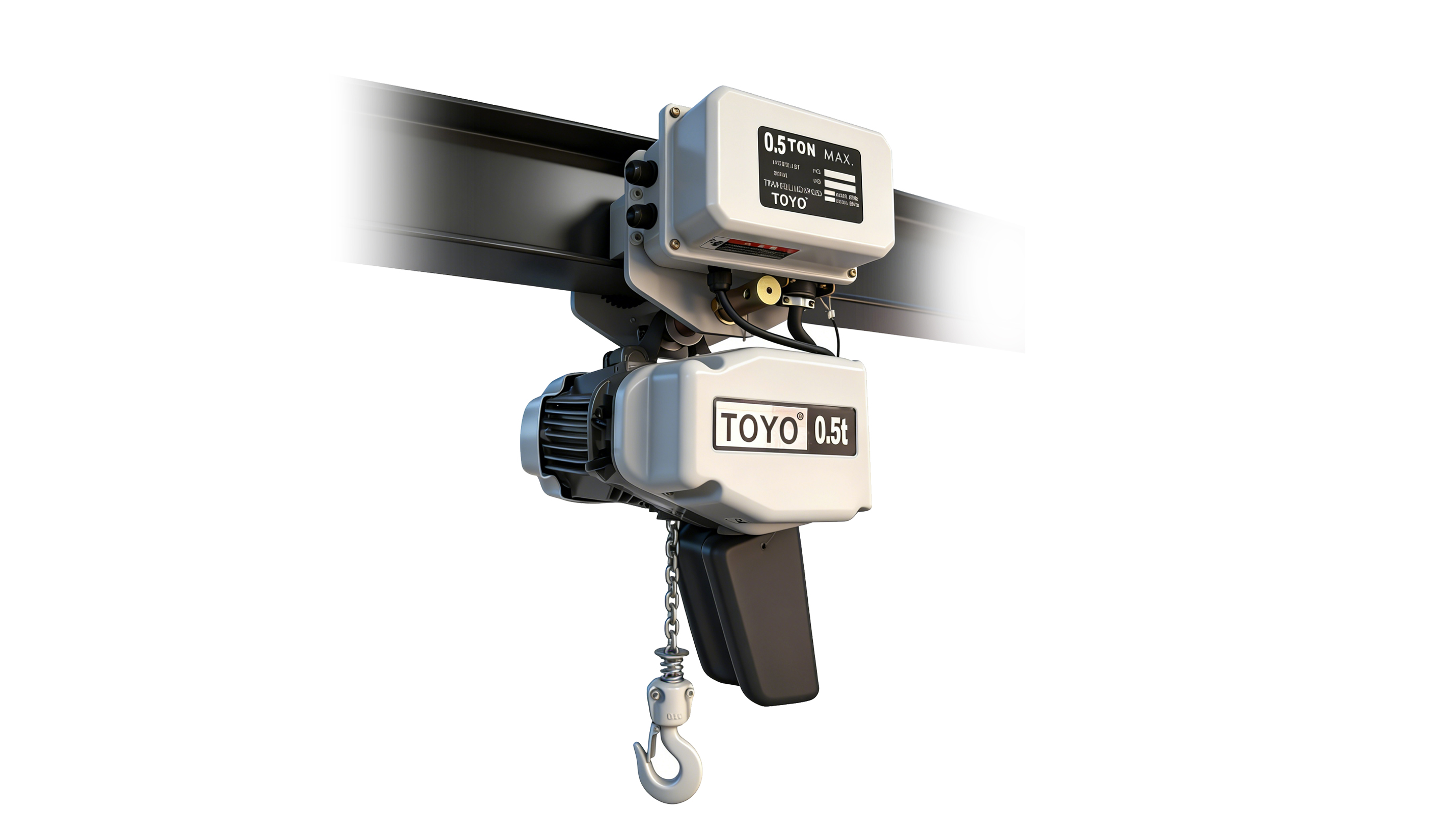
При выборе электрической тали многие покупатели обращают внимание на грузоподъёмность и высоту подъёма. Однако, скорость подъема — это ещё один важный технический параметр, который напрямую влияет на производительность, управление нагрузкой и точность позиционирования.
Более быстрая электрическая таль не всегда является лучшим выбором. Оптимальная скорость подъема зависит от груза, высоты подъема, частоты работы, требований к позиционированию, условий монтажа и типа подъемного оборудования.
В данном руководстве объясняется, как выбрать подходящий скорость подъема электрической тали для различных промышленных применений, а также какую информацию покупатели должны предоставить при запросе коммерческого предложения.
Что такое скорость подъема электрической тали?
Скорость подъема электрической тали — это скорость вертикального перемещения крюка при подъеме или опускании груза. Обычно она измеряется в метры в минуту (м/мин).
Допустимая скорость подъема зависит от конкретной модели подъемника, номинальной грузоподъемности, конфигурации двигателя, системы передачи и подъемного механизма.
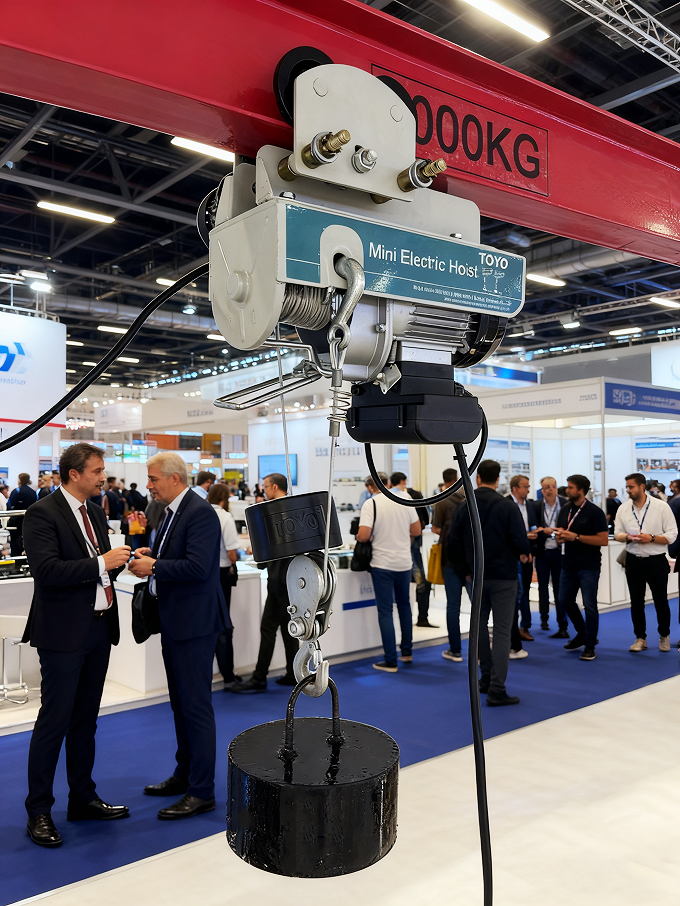
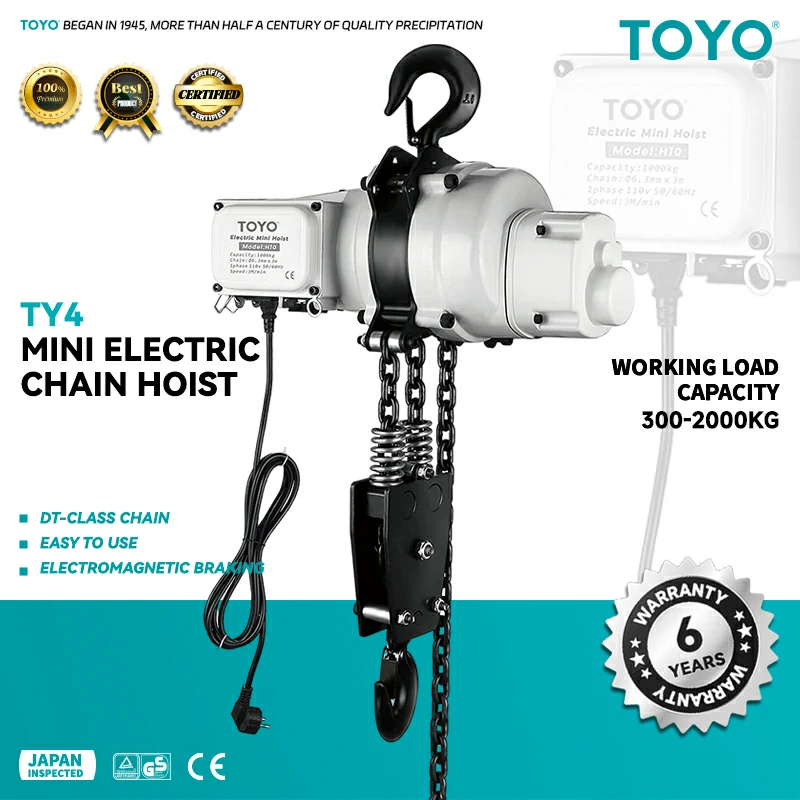
Например, компания TOYO Ассортимент электрических подъемников включает в себя электрические цепные тали, электрические канатные тали и мини-электрические тали различных конфигураций для выполнения различных задач по подъему грузов.
При оценке скорости подъема покупателям следует учитывать её вместе со следующими факторами:
- Номинальная грузоподъёмность
- Высота подъема
- Рабочая частота
- Классификация должностей
- Характеристики нагрузки
- Требования к размещению
- Рабочая среда
- Способ установки
Поэтому скорость подъема следует рассматривать как часть общего процесса выбора подъемного механизма, а не как отдельную техническую характеристику.
Для получения дополнительной информации о выборе номинальной нагрузки ознакомьтесь с Что на самом деле означает «грузоподъемность» в случае электрических талей?.
Почему скорость подъема имеет значение?
Скорость подъема напрямую влияет на время, необходимое для выполнения цикла подъема.
В случае подъемника, используемого лишь изредка, разница между двумя скоростями подъема может практически не повлиять на общую производительность. Однако когда подъемник выполняет множество циклов подъема каждый день, скорость подъема может стать важным фактором, определяющим эффективность производства.
Правильная скорость подъема может помочь сохранить равновесие:
- Производительность
- Управление нагрузкой
- Точность позиционирования
- Эффективность работы оператора
- Характеристики оборудования
- Эксплуатационные требования
По этой причине выбор максимальной доступной скорости не всегда является оптимальным решением.
Правильный вопрос звучит так:
Какая скорость подъема подходит для моих конкретных условий эксплуатации?
Всегда ли более быстрая электрическая таль — это лучше?
Нет.
Более высокая скорость подъема может сократить время подъема, но при этом может затруднить точное позиционирование в условиях, требующих контролируемого движения.
Более высокая скорость подъема может быть целесообразной в следующих случаях:
- Грузы поднимаются часто
- Расстояния подъема относительно велики
- Производительность является одним из главных приоритетов
- Грузы не требуют высокоточного позиционирования
Конфигурация с более низкой скоростью или с двумя скоростями может оказаться более подходящей в следующих случаях:
- Требуется точное позиционирование
- Ведутся работы по монтажу оборудования
- Компоненты необходимо точно выровнять
- Осуществляется погрузочно-разгрузочная работа с хрупкими или ценными грузами
- Оператору требуется более точный контроль вблизи конечного положения подъема
Цель заключается не в том, чтобы добиться максимальной скорости. Цель заключается в том, чтобы найти правильный баланс между повышение эффективности подъема и контроль груза.
Односкоростные и двухскоростные электрические тали
Электрические тали могут комплектоваться различными вариантами скорости подъема в зависимости от модели и области применения.
Односкоростная электрическая таль
Односкоростная электрическая таль работает с одной заданной скоростью подъема.
Данная конфигурация может подходить для общих подъемных работ, когда:
- Процесс подъема относительно прост
- Точное позиционирование не является критически важным
- Эта же процедура подъема повторяется на регулярной основе
- Экономическая эффективность имеет большое значение
Односкоростная конфигурация обеспечивает простоту эксплуатации во многих областях общепромышленного применения.
Двухскоростная электрическая таль
Двухскоростная электрическая таль обеспечивает более высокую скорость для обычного подъема и более низкую скорость для точного позиционирования.
Эта конфигурация может пригодиться в следующих случаях:
- Монтаж оборудования
- Сборка оборудования
- Работа с плесенью
- Производственные линии
- Работы по техническому обслуживанию
- Точное позиционирование
TOYO's Цепная электрическая таль TY3 работающего типа предусматривает несколько вариантов скорости подъема, в том числе двухскоростные, в зависимости от выбранной модели и грузоподъемности.
В случаях, когда важны как производительность, так и точность позиционирования, двухскоростная конфигурация может обеспечить большую эксплуатационную гибкость.
Как грузоподъемность влияет на скорость подъема
Грузоподъемность и скорость подъема всегда следует оценивать в совокупности.
Различные модели подъемников и конфигурации грузоподъемности могут иметь разные скорости подъема, поскольку на общие рабочие характеристики влияют мощность двигателя, передаточное число, расположение цепи и подъемные механизмы.
Например, компания TOYO TY1 Электрическая цепная таль фиксированного типа предусматривает различные варианты скорости подъема в пределах всего диапазона грузоподъемности.
Это означает, что покупателям не следует выбирать электрическую таль, ориентируясь исключительно на максимальную скорость подъема.
Вместо этого определите:
- Максимальная нагрузка
- Нормальная рабочая нагрузка
- Требуемая высота подъема
- Требуемая скорость подъема
- Рабочая частота
- Классификация должностей
Выбранный подъемник должен соответствовать всем условиям эксплуатации.
Как высота подъема влияет на выбор скорости
Высота подъема может влиять на значимость скорости подъема.
Если груз необходимо поднять на небольшое вертикальное расстояние, незначительная разница в скорости подъема может оказать лишь ограниченное влияние на общий цикл подъема.
Однако при многократной подъемке грузов на большие расстояния скорость подъема может оказывать более значительное влияние на эффективность работы.
При запросе коммерческого предложения на электрическую таль укажите следующее:
Грузоподъемность + высота подъема
Например:
- Грузоподъемность: 5 тонн
- Высота подъема: 12 м
Таким образом, производитель получает гораздо больше полезной информации, чем при простом запросе на «5-тонную электрическую таль».
Как рабочая частота влияет на выбор скорости подъема
Скорость подъема не следует рассматривать в отрыве от частоты работы.
Требования к эксплуатации подъемника, используемого время от времени для технического обслуживания, значительно отличаются от требований к подъемнику, который постоянно задействуется на производственной линии.
Рабочая частота может включать:
- Количество часов работы в день
- Количество циклов подъема
- Частота запуска и остановки двигателя
- Средняя нагрузка
- Рабочее время и перерывы на отдых
- Обязательная классификация должностей
В действующем руководстве компании TOYO эти факторы подробно описаны в Как выбрать подходящую электрическую таль с учетом частоты использования.
При использовании в условиях высокой частоты работы покупателям следует учитывать скорость подъема в сочетании с соответствующей классификацией режима эксплуатации, а не ограничиваться лишь выбором высокоскоростной модели.
Выберите режим регулируемой скорости для точного позиционирования
В некоторых случаях важнее точное позиционирование груза, чем максимальная скорость подъема.
К типичным примерам относятся:
- Монтаж оборудования
- Сборка оборудования
- Расположение пресс-формы
- Выравнивание компонентов
- Работы по техническому обслуживанию
- Сборка на производственной линии
В таких случаях контролируемый подъем может облегчить точное достижение конечного положения.
Двухскоростная электрическая таль может оказаться особенно полезной, поскольку оператор может использовать более высокую скорость во время основного подъема и более низкую — когда требуется точное позиционирование.
Это может обеспечить более оптимальный баланс между производительностью и контролем.
Выбирайте более высокую скорость для повторяющихся операций по перемещению грузов
Более высокие скорости подъема могут быть полезны при выполнении повторяющихся операций по перемещению грузов, когда важно сократить время цикла.
Типичные области применения включают:
- Производственные предприятия
- Склады
- Производственные цеха
- Зоны обработки грузов
- Повторяющиеся операции по погрузке и разгрузке
Когда подъемник ежедневно выполняет множество циклов подъема, совокупная экономия времени, достигаемая за счет выбора оптимальной скорости подъема, может повысить эффективность работы.
Однако выбранная скорость все же должна соответствовать:
- Номинальная мощность
- Служебные обязанности
- Высота подъема
- Характеристики нагрузки
- Требуемая точность позиционирования
Производительность всегда должна сочетаться с безопасной и контролируемой эксплуатацией.
Как тип электрической тали влияет на выбор скорости
Различные типы электрических талей предназначены для разных задач по подъему грузов.
Электрические цепные тали
Электрические цепные тали широко используются в мастерских, на производстве, при техническом обслуживании, монтаже оборудования и для общепромышленных подъемных работ.
TOYO предоставляет специализированный Электрический цепной подъемник линейка с различными конфигурациями для промышленного применения.
Сайт TY1 Электрическая цепная таль фиксированного типа — это один из примеров промышленной цепной тали, имеющей различные варианты скорости подъема в зависимости от грузоподъемности и модели.
Сайт Цепная электрическая таль TY3 работающего типа — это ещё один вариант для приложений, в которых требуется динамическая настройка и возможность выбора различных скоростей подъёма.
Электрические канатные тали
Электрические канатные тали широко используются в промышленных целях, где требуются более высокая грузоподъёмность, большая высота подъёма или интеграция с крановыми системами.
TOYO предоставляет специализированный Электрический канатный подъемник диапазон.
Для данных применений скорость подъема следует оценивать с учетом следующих факторов:
- Номинальная мощность
- Высота подъема
- Рабочая частота
- Конфигурация крана
- Классификация должностей
- Рабочая среда
А как насчёт мини-электроталей?
Мини-электроталувы предназначены для подъема небольших грузов и отличаются по характеристикам скорости подъема от более крупных промышленных талувов.
TOYO's Мини-электроталь PA-A / PA-B предусматривает различные варианты скорости подъема в зависимости от выбранной модели и режима работы с одним или двумя крюками.
Например, серия PA предназначена для использования в таких областях, как:
- Небольшие мастерские
- Техническое обслуживание оборудования
- Складское хозяйство
- Легкая погрузочно-разгрузочная работа
- Подъем небольшого оборудования
Для портативных устройств компания TOYO также предлагает Портативный электрический подъемник M-Portable и Электрическая таль S-Portable решения.
Эти компактные подъемники следует выбирать с учетом их номинальной грузоподъемности, высоты подъема, скорости подъема и предполагаемого назначения, а не только исходя из скорости.
Как условия эксплуатации могут повлиять на выбор подъемного механизма
Условия эксплуатации сами по себе не определяют скорость подъема, но могут повлиять на общую конфигурацию подъемного механизма.
Оцените, будет ли подъемник работать:
- В помещении
- На природе
- В условиях высокой влажности
- В запыленных помещениях
- На производственных предприятиях
- На складах
- В строительной сфере
- В зонах технического обслуживания
Требования к условиям эксплуатации следует оценивать с учетом скорости подъема, грузоподъемности, частоты работы и режима эксплуатации.
Более подробное руководство по выбору см. Как выбрать подходящую электрическую таль для различных условий эксплуатации.
Практическое руководство по выбору скорости электрической тали
| Приложение | Главный приоритет | Факторы, влияющие на скорость подъема |
|---|---|---|
| Общие принципы подъема на производстве | Простота и надёжность | Может подойти стандартная односкоростная конфигурация |
| Оборотка грузов на складе | Производительность | Рассмотрим подходящую конфигурацию с более высокой скоростью |
| Повторяющиеся подъемные работы в производстве | КПД цикла | Оцените скорость с учетом эксплуатационных требований |
| Монтаж оборудования | Точность | Рассмотрите возможность использования режима с регулируемой скоростью или двухскоростного режима работы |
| Сборка оборудования | Точность позиционирования | Работа на более низких скоростях может быть полезной |
| Техническое обслуживание | Управление нагрузкой | Выберите скорость в соответствии с требуемым уровнем контроля |
| Высокочастотные промышленные подъемные работы | Производительность и долговечность | Оцените скорость с учётом рабочего класса и коэффициента загрузки |
Данная таблица носит исключительно рекомендательный характер. Окончательные технические характеристики всегда должны определяться с учетом конкретных условий эксплуатации и технических рекомендаций производителя.
Распространенные ошибки при выборе скорости подъема электрической тали
1. Выбор максимальной скорости без учета сферы применения
Самая высокая скорость подъема не всегда является оптимальным решением.
Всегда учитывайте характеристики груза, требования к его размещению, высоту подъема и частоту работы.
2. Оценка скорости без проверки пропускной способности
Скорость подъема ни в коем случае не следует оценивать отдельно от номинальной грузоподъемности.
Подъемное устройство должно быть рассчитано на максимальную требуемую нагрузку.
3. Неучет рабочей частоты
Подъемник, используемый время от времени для технического обслуживания, не должен автоматически настраиваться на те же параметры, что и подъемник, работающий в непрерывном режиме на производственной линии.
4. Неучёт высоты подъема
Когда грузы многократно перемещаются на большие вертикальные расстояния, скорость подъема может оказывать более значительное влияние на общее время работы.
5. Выбор оборудования без полной информации о проекте
Производитель может порекомендовать более подходящую конфигурацию, если покупатель предоставит полный перечень технических требований.
Какую информацию необходимо указать в запросе предложений по электрической тали?
Для получения точного коммерческого предложения на электрическую таль предоставьте как можно больше следующей информации:
- Грузоподъемность
- Высота подъема
- Требуемая скорость подъема
- Предпочтение односкоростной или двухскоростной модели
- Рабочая частота
- Рабочий класс, если известно
- Источник питания
- Метод управления
- Способ установки
- Рабочая среда
- Требуемое количество
- Страна или порт назначения
Чем полнее информация, тем проще производителю оценить область применения и порекомендовать подходящую конфигурацию.
Запросите расценки на подходящую электрическую таль
Подходящая электрическая таль — это не обязательно самая быстрая модель.
Правильное решение должно обеспечивать надлежащий баланс между:
- Скорость подъема
- Номинальная мощность
- Высота подъема
- Рабочая частота
- Выполнение служебных обязанностей
- Управление нагрузкой
- Рабочая среда
Если вам требуется приобрести электрические тали для завода, склада, производственной линии, проекта по монтажу оборудования или предприятия по дистрибуции, компания TOYO готова проанализировать ваши требования и порекомендовать подходящую конфигурацию.
Запросить коммерческое предложение на электрическую таль
Пожалуйста, укажите:
Грузоподъемность:
Высота подъема:
Требуемая скорость подъема:
Рабочая частота:
Источник питания:
Применение:
Количество:
Пункт назначения:
Компания TOYO поставляет электрические цепные тали, электрические канатные тали и мини-тали для различных промышленных задач по подъему грузов.
Ознакомьтесь с ассортиментом электрических талей TOYO
Часто задаваемые вопросы
Что такое скорость подъема электрической тали?
Скорость подъема электрической тали — это скорость вертикального перемещения подъемного крюка при подъеме или опускании груза. Обычно она измеряется в метрах в минуту (м/мин).
Чем выше скорость подъема, тем лучше?
Не обязательно. Более высокая скорость может повысить производительность, тогда как работа на более низкой скорости или в двухскоростном режиме обеспечивает лучший контроль при выполнении точных подъемных работ и позиционировании.
В каких случаях следует выбирать двухскоростную электрическую таль?
Конфигурация с двумя скоростями может оказаться полезной, когда в рамках конкретного применения требуется как эффективный подъем, так и точное позиционирование груза.
Влияет ли грузоподъемность на скорость подъема?
Да. Различные конфигурации грузоподъемности могут иметь разные скорости подъема, поскольку на рабочие характеристики влияют мощность двигателя, редуктор, подъемные механизмы и конструкция изделия.
Какая информация необходима для запроса предложений по электрической тали?
Как минимум, укажите грузоподъемность, высоту подъема, область применения, количество и место назначения. Указание требуемой скорости подъема, частоты работы, источника питания и требований к монтажу поможет производителю подготовить более точное ценовое предложение.
Может ли компания TOYO помочь выбрать подходящую скорость подъема?
Да. Укажите грузоподъёмность, высоту подъёма, частоту работы, сферу применения и другие соответствующие требования. Компания TOYO проанализирует условия эксплуатации и порекомендует подходящую конфигурацию электрической тали.
Заключение
Скорость подъема электрической тали является важным параметром при выборе оборудования, однако ее ни в коем случае не следует оценивать в отрыве от других факторов.
Правильный выбор зависит от взаимосвязи между:
- Грузоподъемность
- Скорость подъема
- Высота подъема
- Рабочая частота
- Классификация должностей
- Характеристики нагрузки
- Требования к размещению
- Рабочая среда
При выполнении повторяющихся операций по перемещению грузов более высокая скорость подъема может повысить производительность. В условиях, требующих высокой точности, режим с регулируемой скоростью или двухскоростной режим могут обеспечить более точное позиционирование груза.
Учитывая все эти факторы в совокупности, покупатели могут выбрать электрическую таль, которая обеспечит оптимальный баланс между эффективность, управляемость, надежность и долговечность.
Если вы уже знаете грузоподъёмность, высоту подъёма и требования к применению, запросить коммерческое предложение у компании TOYO для получения рекомендаций по выбору подходящей электрической тали.