Which Types of Industrial Lifting Equipment Are Best for Saudi Arabia's Key Industries?
Saudi Arabia's industrial landscape is dominated by oil and gas, large-scale construction, and rapidly expanding logistics hubs. Each sector demands lifting equipment that can handle extreme heat, abrasive dust, and continuous operation. Selecting the right gear isn't just about load capacity—it's about matching the tool to the environment and the task. Over the past decade working with procurement teams in Dammam and Jeddah, I've seen how a mismatched hoist can bring a project to a halt within weeks. The following breakdown covers the core equipment categories and where they fit.
Manual Chain Hoists vs. Electric Chain Hoists: Pros and Cons for Saudi Applications
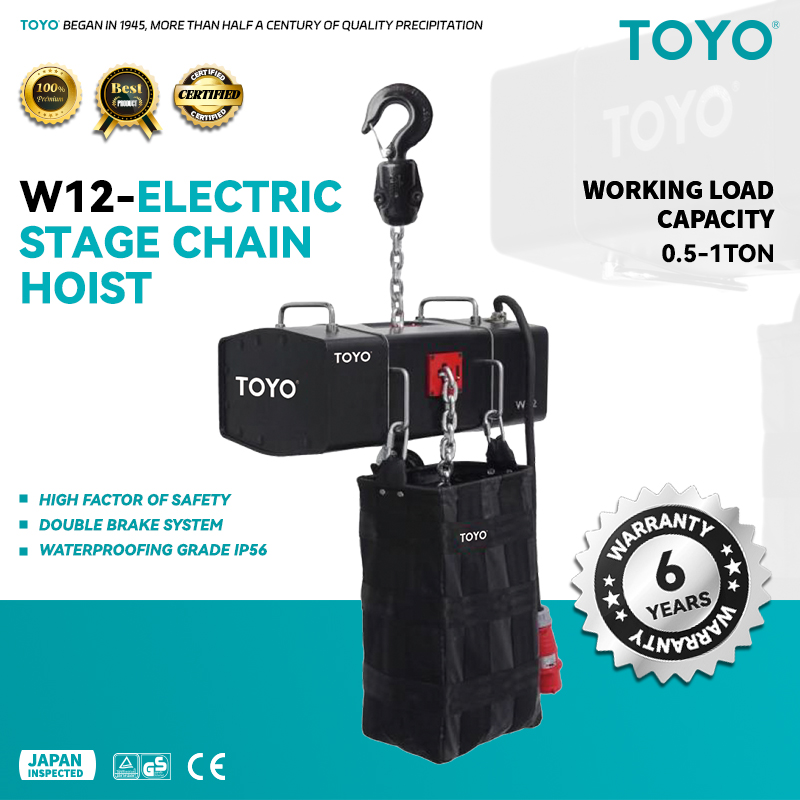
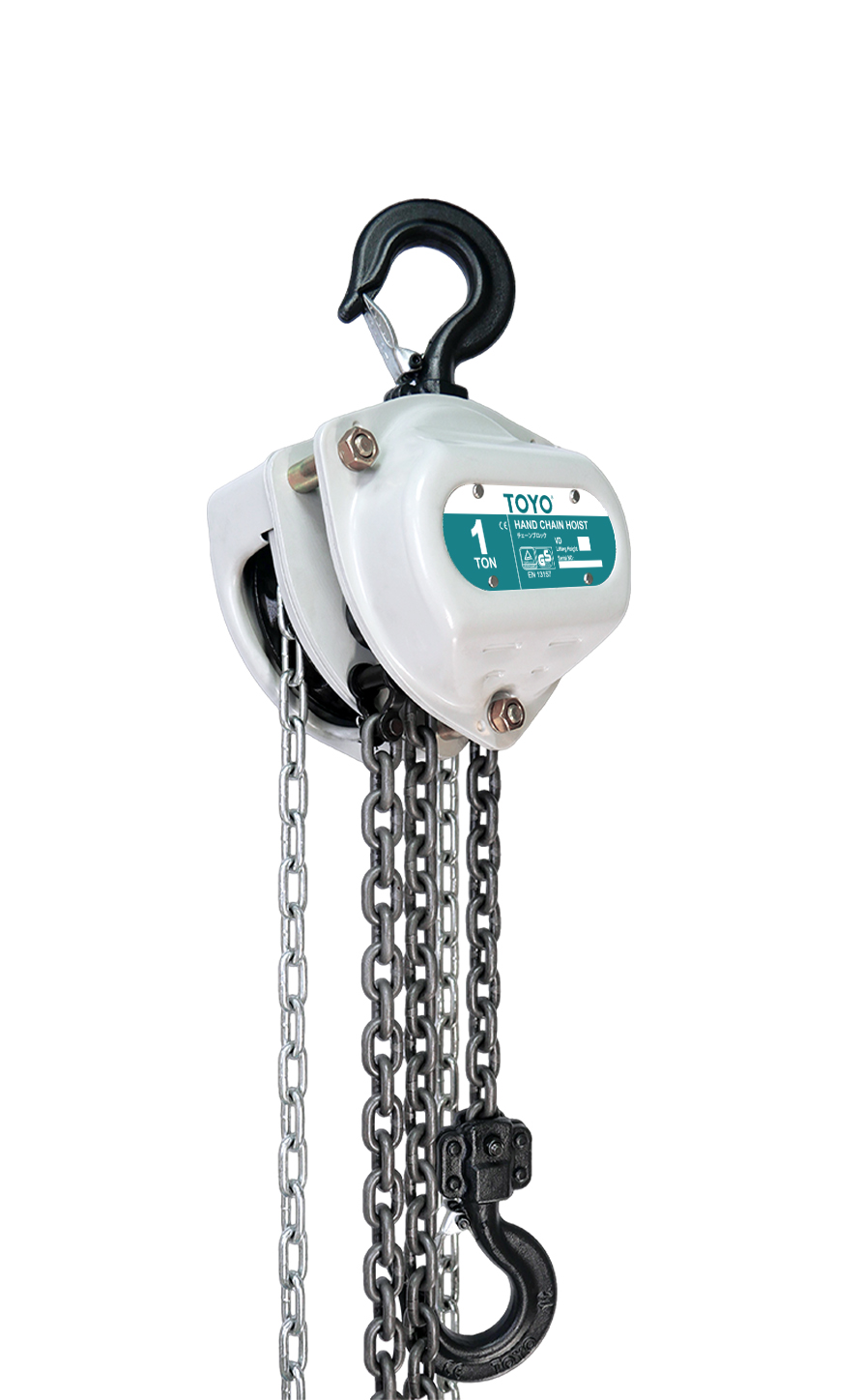
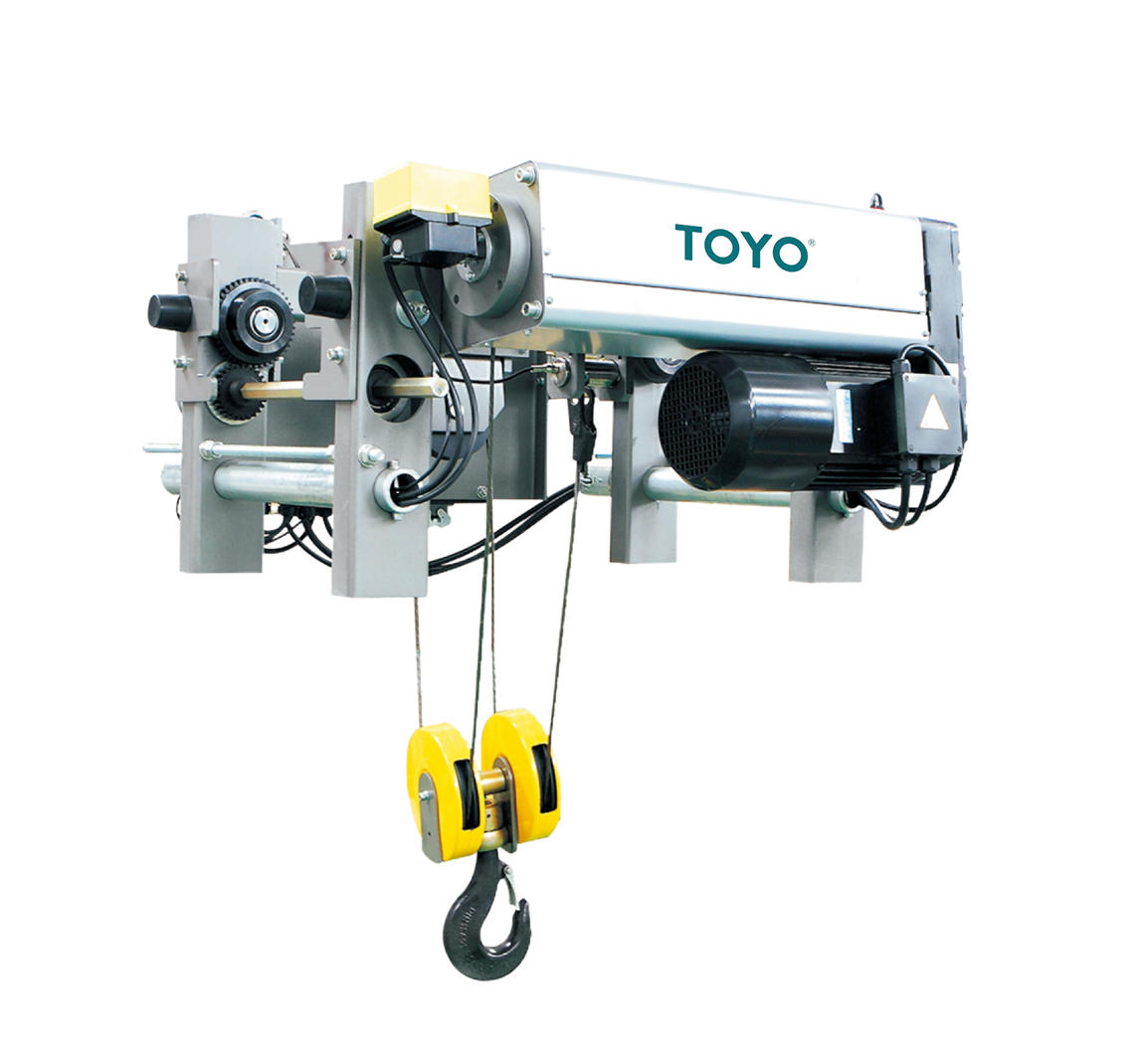
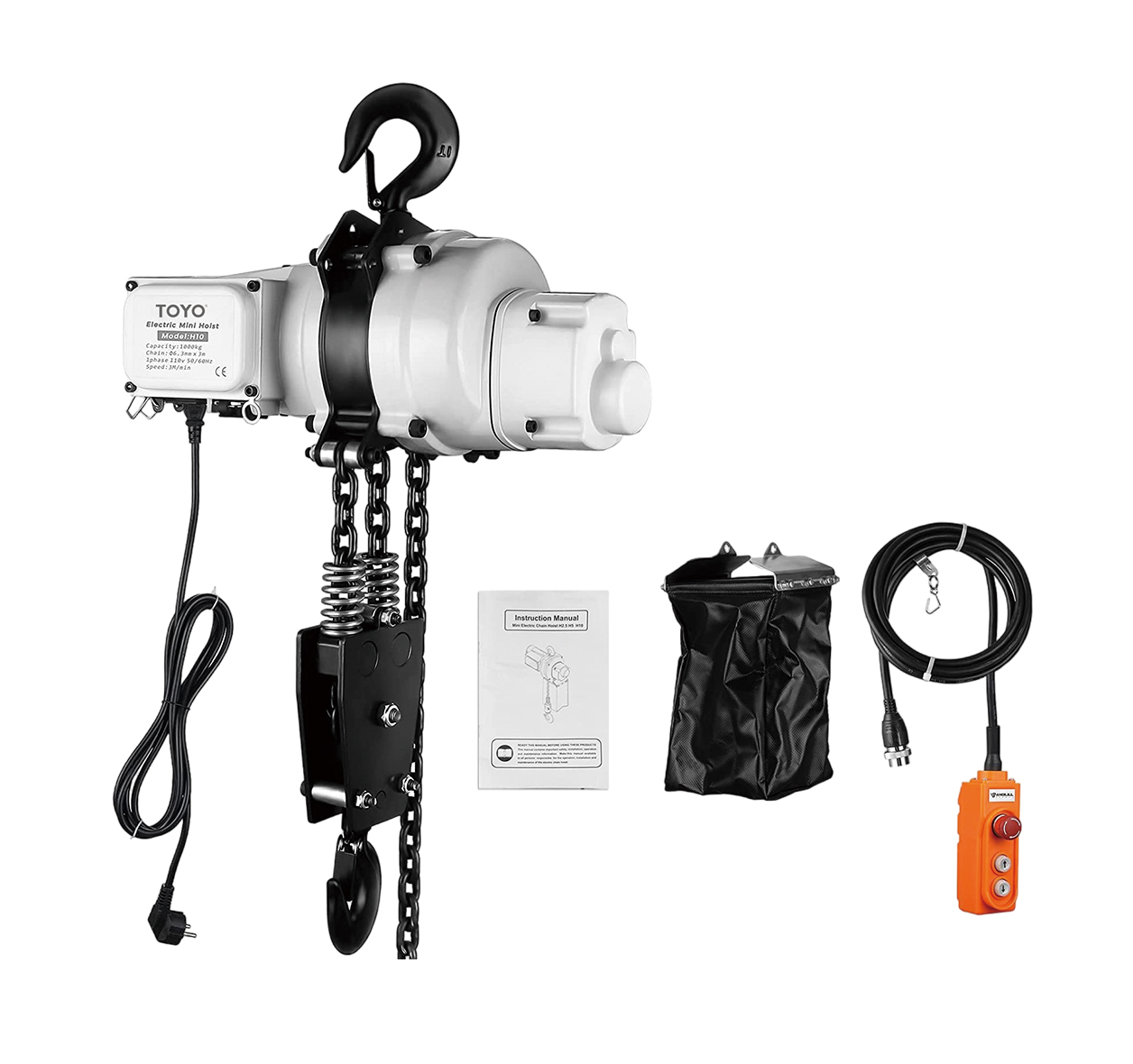
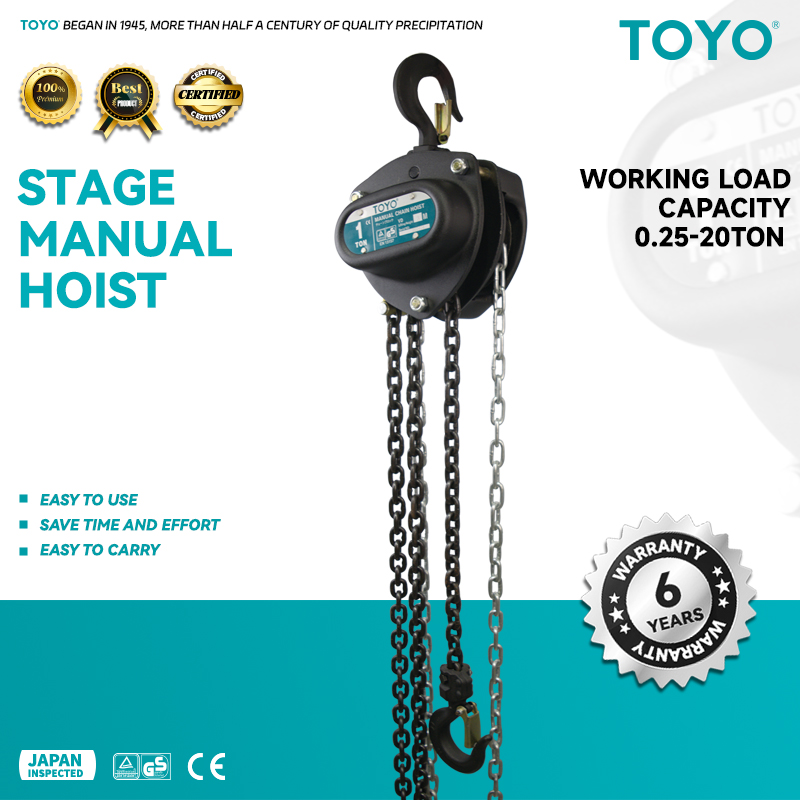
Manual chain hoists remain a staple in remote oil fields and small workshops where power supply is unreliable. They are affordable, portable, and require minimal maintenance. However, for repetitive lifting above 2 tons or in high-cycle warehouse operations, electric chain hoists drastically reduce operator fatigue and improve cycle times. In Saudi Arabia, where ambient temperatures can exceed 50°C, electric hoists must have thermal overload protection and high-temperature-rated motors. I recall a project in Jubail where a logistics firm tried to use standard manual hoists for container loading—productivity dropped by 40% within a month. The switch to dual-speed electric hoists paid for itself in under a year.
Below is a quick-reference comparison to help you decide based on typical Saudi working conditions.
| Характеристика | Ручной цепной подъемник | Электрический цепной подъемник |
|---|---|---|
| Источник питания | Manual hand chain | Electric motor (single/three phase) |
| Типовая емкость | 0,5–30 тонн | 0.5 – 60 tons |
| Скорость подъема | Медленный, зависит от оператора | Fast, dual-speed options available |
| Suitability for High Cycles | Poor; operator fatigue sets in quickly | Excellent; designed for continuous use |
| Performance in Heat/Dust | Tolerant; simple mechanics | Requires IP-rated enclosures and cooling |
| Первоначальная стоимость | Низкий | Moderate to high |
| Потребности в обслуживании | Minimal; occasional chain lubrication | Regular motor, brake, and electrical checks |
Lever Hoists and Lifting Clamps: Niche Solutions for Specific Tasks
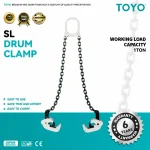
Lever hoists excel in pulling, tensioning, and positioning loads at awkward angles—common in pipeline alignment and steel erection. Their compact size makes them ideal for scaffolding work on Saudi construction sites. Lifting clamps, on the other hand, are indispensable for moving steel plates and beams without slings. I've used vertical plate clamps in a Dammam fabrication yard to flip 5-ton steel sections safely; the alternative would have required custom rigging that took three times as long. For Saudi industries, always specify clamps with hardened jaw surfaces to withstand abrasive mill scale.
High-Tensile Slings: Material Options and Load Capacities
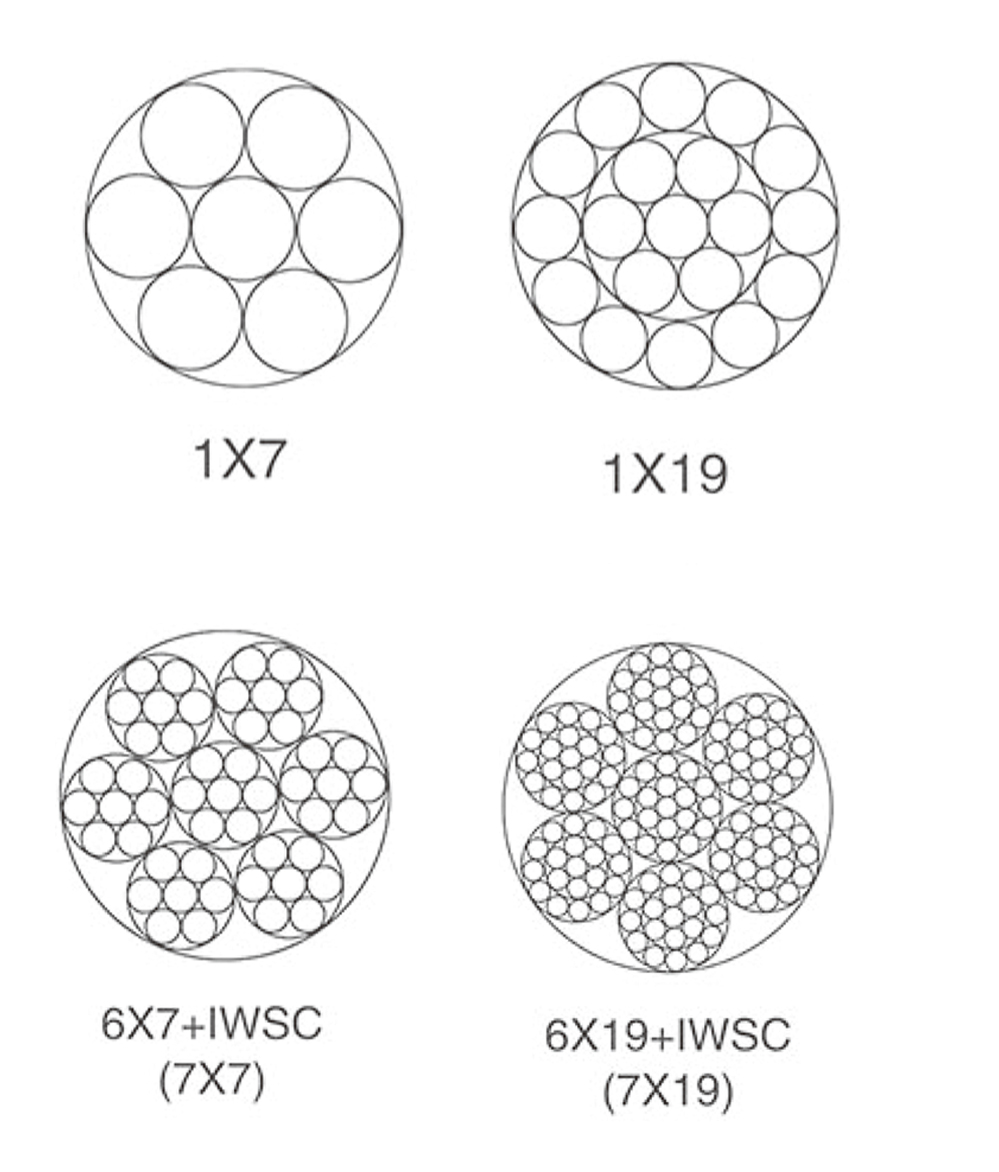
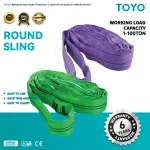
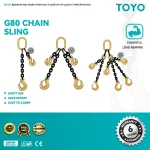
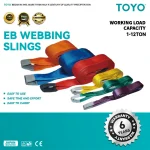
Slings are the critical link between the hoist and the load. In Saudi Arabia, polyester round slings are popular for their light weight and resistance to moisture, but they degrade under UV exposure if not stored properly. Wire rope slings offer superior heat resistance and are preferred in foundries and oil refineries. Chain slings, often sourced from a specialized производитель цепных блоков , provide unmatched durability for abrasive environments. When selecting slings, always factor in the load's center of gravity and the hitch type—choker hitches can reduce capacity by up to 25%.
How to Match Equipment to Your Industry: Oil & Gas, Construction, and Logistics
Oil and gas operations demand ATEX-certified or explosion-proof hoists for hazardous zones. Construction sites need portable, robust gear that can be moved between floors. Logistics centers prioritize speed and precision; here, electric hoists with VFD drives shine. In my experience, a single facility often requires a mix: manual hoists for maintenance tasks, electric hoists for production lines, and lever hoists for rigging. Start by mapping your load spectrum and duty cycles, then overlay the environmental constraints. This simple matrix prevents over-specification and wasted budget.
How to Operate and Maintain Industrial Lifting Equipment Safely in Saudi Arabia?
Safe operation in Saudi Arabia's harsh climate goes beyond reading the manual. Dust ingress, extreme heat, and infrequent inspections can turn a reliable hoist into a hazard. Having trained teams in Riyadh and Al Khobar, I've distilled the essentials into actionable steps that align with SASO and international standards.
Step-by-Step Operating Guide for Chain Hoists and Lever Hoists
Begin every shift with a visual check: look for twisted chains, worn hooks, and loose bolts. For manual chain hoists, pull the hand chain smoothly—jerking can cause load swing. Never exceed the rated capacity, and always ensure the load is balanced. With lever hoists, verify that the selector lever is fully engaged in the lift or lower position before applying force. In Saudi summer conditions, allow electric hoists to cool down after every 30 minutes of continuous use unless they are rated for 100% duty cycle. Document each lift over 80% of capacity in a logbook.
Daily and Periodic Maintenance Checklists for Harsh Environments
Daily checks: clean chain with a dry cloth to remove sand and dust, inspect hook throat opening for deformation, and test the brake by lifting a small load a few centimeters. Weekly: lubricate the load chain with high-temperature grease (avoid heavy oil that attracts dust). Monthly: check electrical connections for corrosion, especially in coastal areas like Jeddah. Quarterly: perform a full load test and ultrasonic inspection of critical components. I've seen a 10-ton electric hoist in Jubail fail its brake test because sand had packed into the mechanism—an issue that a simple daily wipe-down would have prevented.
Safety Protocols and Emergency Procedures
Establish a clear exclusion zone below suspended loads. In the event of a hoist malfunction, never attempt to repair it under load. Lower the load safely using the emergency braking system if available. All sites should have a written rescue plan for suspended personnel if man-riding baskets are used. Saudi regulations increasingly align with ISO 12480-1 for crane safety; ensure your protocols reflect this. Post emergency stop locations visibly and conduct unannounced drills every quarter.
Training Your Team: Resources and Certification in Saudi Arabia
Competent operators are your first line of defense. Look for training providers accredited by the Saudi Arabian Standards Organization (SASO) or internationally recognized bodies like LEEA. Many global lifting equipment manufacturers offer on-site training in the Kingdom. In my experience, combining classroom theory with hands-on practice at the actual work site yields the best retention. Keep digital records of all certifications; they are increasingly requested during Aramco and SABIC audits.
What Are the Top 7 Mistakes to Avoid When Buying Industrial Lifting Equipment in Saudi Arabia?
Purchasing mistakes in this region can be costly—not just in riyals but in downtime and safety incidents. Over the years, I've observed patterns that repeat across industries. Here are the seven most damaging errors and how to sidestep them.
1. Ignoring Local Safety Standards and Certifications
Saudi Arabia enforces specific standards through SASO and the Ministry of Industry. Importing equipment without SASO conformity certificates can lead to customs rejection. Always verify that electric hoists meet IECEx or ATEX requirements if used in petrochemical plants. I once assisted a contractor who imported uncertified chain hoists; they sat in customs for four months while the project stalled.
2. Prioritizing Price Over Quality and After-Sales Support
The allure of low upfront cost fades quickly when spare parts are unavailable. A reputable производитель цепных блоков will stock critical components in regional hubs like Dubai or Dammam. Always request a list of in-country service partners before signing a purchase order.
3. Overlooking Environmental Factors (Heat, Dust, Humidity)
Standard equipment often fails prematurely in Saudi conditions. Look for hoists with sealed bearings, corrosion-resistant finishes, and motors rated for 55°C ambient. Coastal humidity in Jeddah demands stainless steel chains or galvanized options. I've replaced six standard electric hoists in a Yanbu cement plant because fine dust clogged the cooling fans—an issue that IP65-rated units would have avoided.
4. Failing to Plan for Future Capacity Needs
Buying a hoist that barely meets today's load can bottleneck tomorrow's growth. If your facility handles 3-ton loads now but plans to expand, a 5-ton hoist with a VFD drive offers flexibility without a complete replacement. Modular lifting systems allow capacity upgrades via additional beam clamps or trolleys.
5. Not Verifying Supplier Credentials and References
Always ask for case studies from similar Saudi industries. Contact references to ask about delivery times, warranty support, and equipment longevity. A legitimate supplier will have a physical presence or authorized distributor in the Kingdom. Check for ISO 9001 certification and membership in industry bodies like LEEA.
6. Skipping On-Site Demonstrations and Load Testing
Never purchase based on a brochure alone. Request an on-site demonstration with your actual loads and operators. This reveals ergonomic issues and confirms the hoist's speed under real conditions. I recall a logistics company that ordered 20 electric hoists based on spec sheets; during commissioning, half failed to reach the required lifting height due to an overlooked headroom constraint.
7. Neglecting to Check the Supplier's Local Service Network
Even the best equipment needs maintenance. A supplier without a service center in Saudi Arabia means long waits for technicians. Prioritize manufacturers that offer annual maintenance contracts and have trained engineers within a four-hour drive of your site. This single factor often determines total cost of ownership more than the purchase price.
How Much Does Industrial Lifting Equipment Cost in Saudi Arabia? A 2026 Price and ROI Analysis
Understanding the true cost of lifting equipment requires looking beyond the invoice. Freight, customs duties, installation, and energy consumption all add up. Here's a breakdown based on 2026 market data and real project insights.
Price Ranges for Different Types of Hoists, Slings, and Clamps
A basic 1-ton manual chain hoist from a recognized производитель цепных блоков starts around SAR 800–1,500. Electric chain hoists with 2-ton capacity range from SAR 6,000 to 15,000 depending on speed and enclosure rating. High-tensile polyester slings cost SAR 200–800 each, while a 5-ton lifting clamp runs SAR 1,200–3,000. These are ex-works prices; landed costs in Saudi Arabia are typically 15–25% higher.
Hidden Costs: Shipping, Customs, and Installation in Saudi Arabia
Sea freight from East Asia to Dammam adds 8–12% to the equipment cost. Customs duties on lifting equipment are generally 5%, but some specialized components attract 12%. Installation and commissioning by a certified technician can cost SAR 2,000–5,000 per unit. Don't forget the cost of structural modifications to overhead beams if your existing runway isn't rated for the new hoist's dynamic loads.
Calculating Total Cost of Ownership and Payback Period
TCO includes purchase price, energy consumption, maintenance labor, spare parts, and downtime. For a 5-ton electric hoist running 2,000 hours per year, energy costs alone can reach SAR 3,000 annually. Compare this with a manual hoist that has zero energy cost but requires 30% more labor time. In a typical Saudi warehouse, the labor savings from switching to electric hoists often deliver a payback period of 14–18 months.
Case Study: ROI of Upgrading to Electric Hoists in a Saudi Warehouse
In 2025, a logistics center in Riyadh replaced 12 manual chain hoists with 2-ton dual-speed electric units. The upfront investment was SAR 180,000 including installation. Within the first year, they reduced loading time per truck by 22 minutes and eliminated two manual handling injuries. The annual labor savings reached SAR 95,000, while maintenance costs rose only marginally. The net payback period was 19 months, and the equipment is projected to last 10 years with proper care.
What Are the Emerging Trends in Industrial Lifting Equipment for Saudi Arabia in 2026?
Saudi Arabia's Vision 2030 is accelerating the adoption of smart, sustainable manufacturing. Lifting equipment is no exception. Here are the trends reshaping the industry this year.
Smart Hoists and IoT Integration in Saudi Arabia's Vision 2030
Hoists with built-in load cells, usage counters, and wireless connectivity are becoming standard in new mega-projects. These smart hoists transmit real-time data to central dashboards, enabling predictive maintenance and compliance tracking. A NEOM logistics contractor I spoke with recently mandated IoT-enabled hoists for all new equipment to align with their digital twin strategy. This shift reduces unplanned downtime by up to 35%.
Lightweight Materials and Ergonomic Designs for Enhanced Safety
Manufacturers are replacing cast iron components with high-strength aluminum alloys and composites. A new generation of manual chain hoists weighs 30% less than traditional models, reducing strain on riggers who carry them up scaffolding. Ergonomic pendant controls with vibration feedback are also gaining traction in Saudi factories, cutting repetitive strain injuries.
Sustainability and Energy Efficiency in Lifting Equipment
Energy-efficient motors with IE4 and IE5 ratings are now available for electric hoists, slashing power consumption by 20–40%. Regenerative braking systems feed energy back into the grid, a feature increasingly required for LEED-certified warehouses in the Kingdom. Some forward-thinking производитель цепных блоков lines now use eco-friendly lubricants and recyclable packaging to meet corporate sustainability goals.
The Impact of Local Manufacturing on Supply Chains and Costs
Saudi Arabia's "Made in Saudi" initiative is encouraging local assembly of lifting equipment. Several international brands have partnered with Saudi firms to set up assembly plants in the Eastern Province. This shift reduces lead times from 12 weeks to 3–4 weeks and cuts shipping costs significantly. Local content requirements for government projects are also pushing this trend, making locally assembled hoists more competitive.
Where to Find Essential Tools and Resources for Sourcing Industrial Lifting Equipment in Saudi Arabia?
Equipping your team with the right selection tools and market knowledge streamlines procurement. Below are the resources I recommend based on years of sourcing in the region.
Top Online Platforms and Directories for Finding Verified Suppliers
Platforms like Saudia Yellow Pages, Kompass Saudi Arabia, and IndustrySourcing.com list pre-vetted lifting equipment suppliers. For international manufacturers with local offices, ThomasNet and DirectIndustry provide detailed specs. Always cross-reference supplier profiles with SASO certification databases.
Free Load Calculation and Hoist Selection Tools
Several manufacturers offer free online calculators that factor in load weight, lift height, and duty cycle. These tools generate a recommended hoist model and sling configuration in seconds. I've used them to double-check complex rigging plans and caught a capacity mismatch that would have delayed a shutdown.
Key Industry Events and Trade Shows in the Middle East (2026 Calendar)
Plan to attend the Saudi Industrial Expo in Riyadh (October 2026) and the Middle East Lifting & Material Handling Conference in Dubai (March 2026). These events showcase the latest equipment and offer live demos. Networking at these shows often leads to direct partnerships with engineers from the manufacturing plants.
Downloadable Checklists for Equipment Inspection and Supplier Evaluation
We've compiled a free 15-point pre-purchase checklist and a daily inspection template based on SASO guidelines. These are available on most major lifting equipment portals. Using a standardized checklist ensures your team doesn't miss critical evaluation steps when comparing quotes from different suppliers.
Ready to equip your facility with lifting gear that withstands Saudi Arabia's toughest conditions? Start by auditing your current load profiles and environmental challenges. Then, engage with a trusted производитель цепных блоков that offers local support, certified products, and a track record in your industry. The right partner will help you navigate standards, avoid the seven costly mistakes, and achieve a fast ROI. Don't settle for equipment that barely survives—invest in solutions that drive your operation forward safely and efficiently.
References and Further Reading:
- Saudi Standards, Metrology and Quality Organization (SASO) – Official standards for lifting equipment.
- Saudi Vision 2030 – National industrial development and localization initiatives.
- ISO 12480-1: Cranes – Safe use – International safety standard for crane operation.
- Ассоциация инженеров по подъемному оборудованию (LEEA) – Global authority on lifting equipment training and certification.
- Saudi Aramco Engineering Standards – Reference for equipment specifications in oil and gas projects.
- Ministry of Industry and Mineral Resources, Saudi Arabia – Industrial regulations and Made in Saudi program.