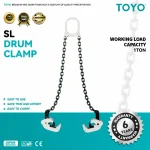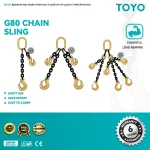
The Kingdom of Saudi Arabia is undergoing an unprecedented industrial and infrastructural transformation. Mega-projects like NEOM, the Red Sea Project, and Qiddiya are driving demand for reliable lifting equipment. For companies in South America, Russia, Southeast Asia, the Middle East, and South Africa looking to supply or purchase in this market, understanding local requirements is critical. This guide breaks down the most in-demand equipment types, selection criteria, costs, and emerging trends for 2026.
What Types of Lifting Equipment Are Most In-Demand in Saudi Arabia?
Saudi Arabia's diverse industrial landscape—from oil and gas to construction and logistics—creates demand for a wide range of lifting equipment. The most sought-after categories include manual and electric chain hoists, lever hoists, lifting clamps, and high-tensile slings. Each type serves specific operational needs, and choosing the right one can significantly impact project efficiency and safety.
Overview of Manual Chain Hoists vs. Electric Chain Hoists for Saudi Industries
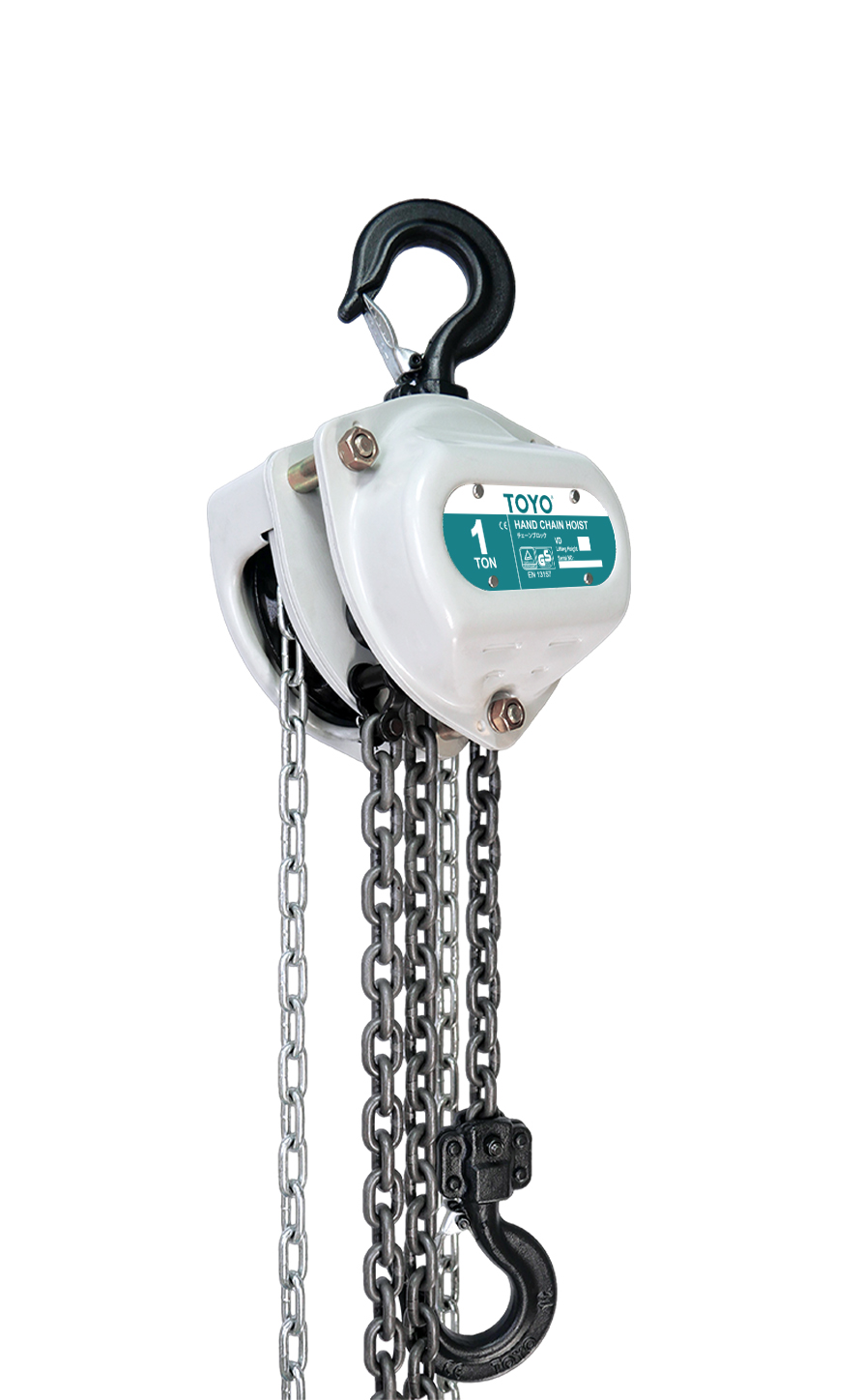
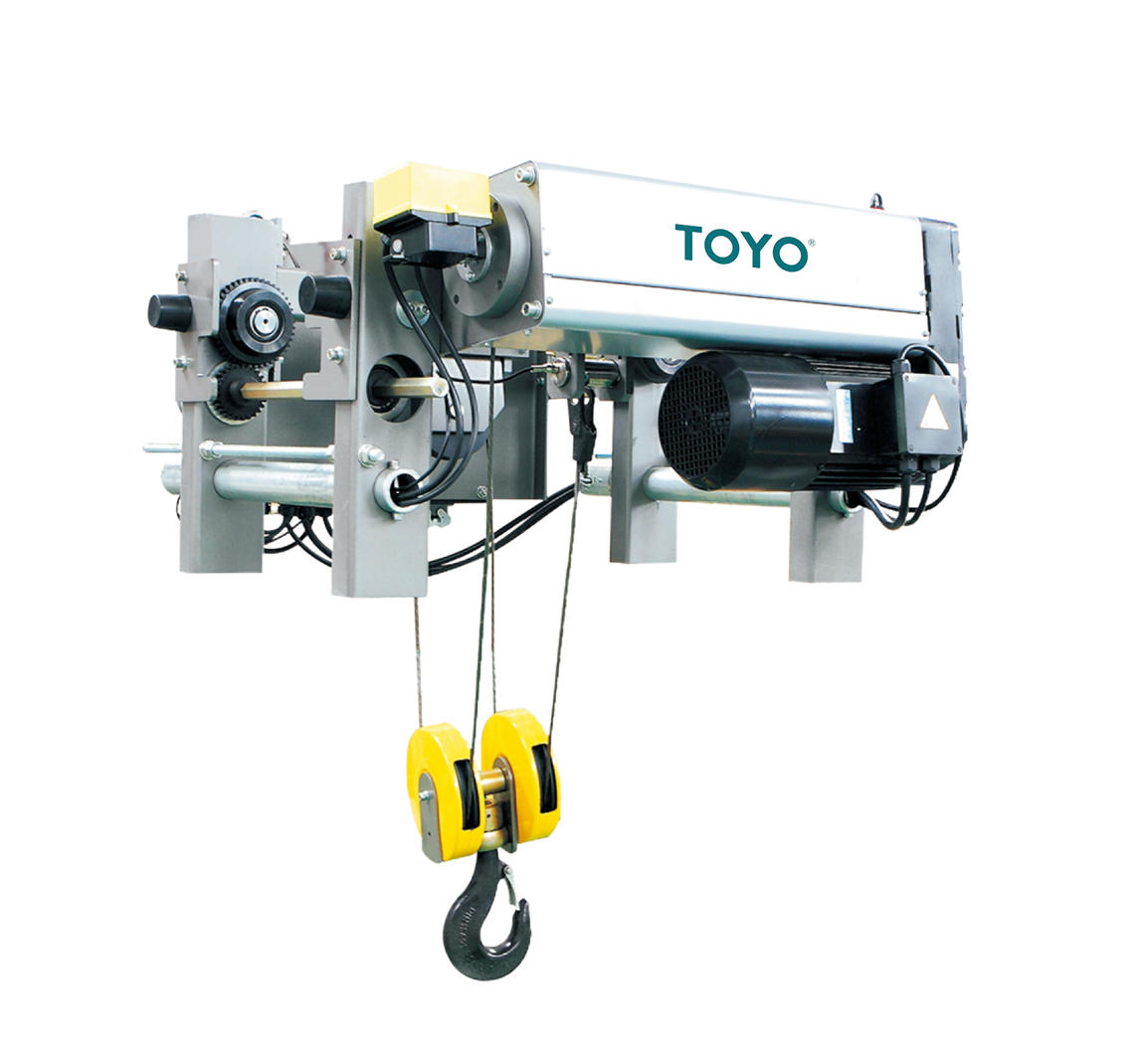
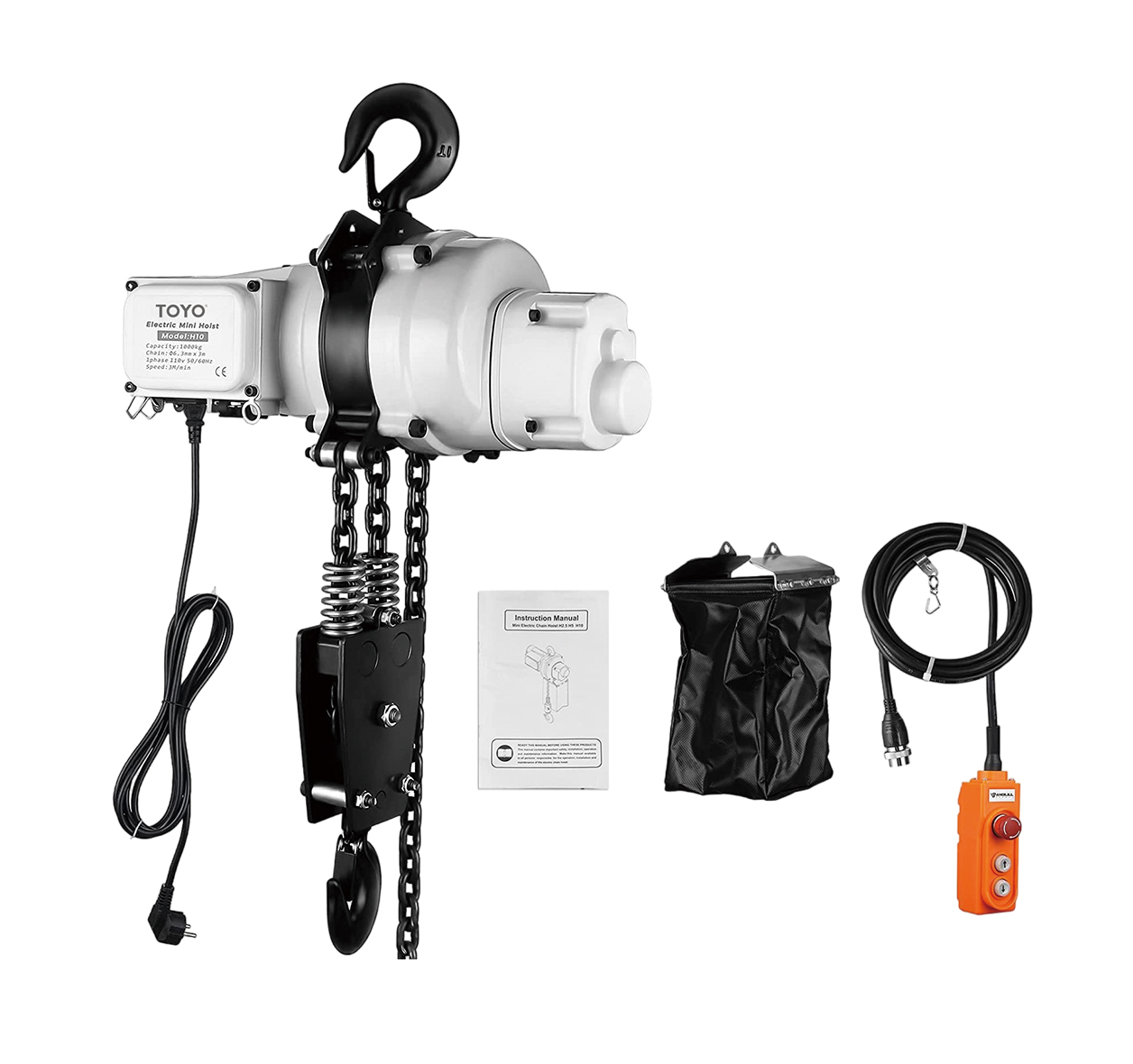
Manual chain hoists remain popular in Saudi Arabia for applications where power supply is unreliable or loads are infrequent. They are lightweight, portable, and require minimal maintenance. In remote oil fields or small workshops, a 5-ton manual hoist can be the most practical solution. However, for high-cycle operations like assembly lines or large construction sites, electric chain hoists are the preferred choice. They offer faster lifting speeds and reduce operator fatigue.
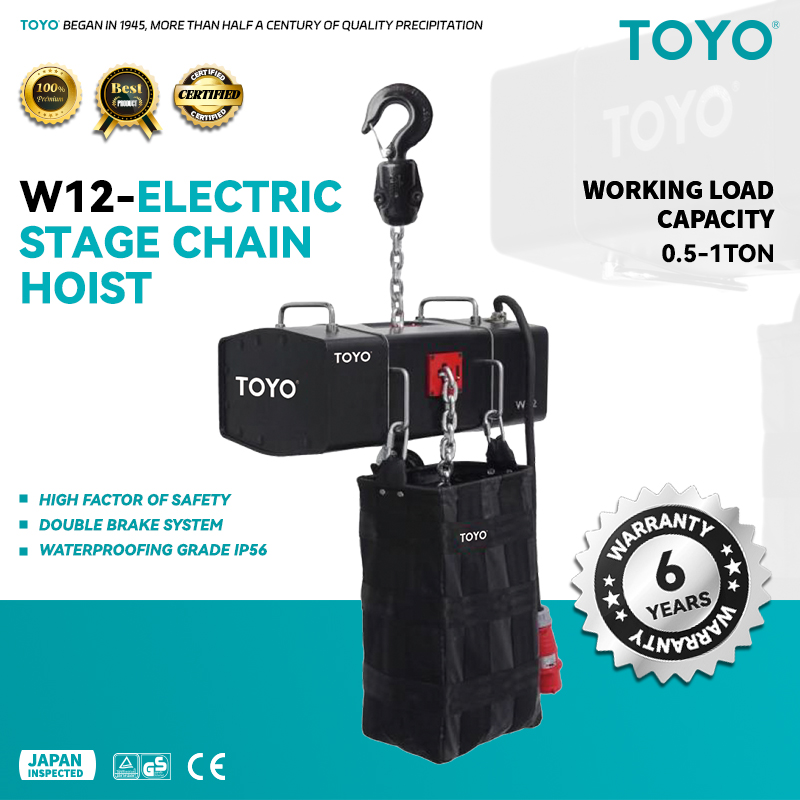
Electric hoists used in Saudi Arabia must be designed for high ambient temperatures. Standard motors may overheat when ambient temperatures exceed 45°C. We recommend models with Class H insulation and thermal protection. In one of our projects at a Jeddah manufacturing plant, switching from manual to electric hoists cut material handling time by 35%. The initial investment was higher, but the productivity gain justified it within eight months.
When comparing the two, consider duty cycle and load spectrum. A manual hoist suits occasional maintenance tasks, while an electric hoist is essential for production environments. Always check the FEM/ISO duty rating to ensure the equipment matches your operational intensity.
Lever Hoists: Applications in Saudi Construction and Oil & Gas
Lever hoists, also known as come-alongs, are indispensable in Saudi construction and oil and gas sectors. Their ability to pull, lift, and position loads in any orientation makes them ideal for pipe alignment, steel erection, and equipment installation. On offshore platforms, space constraints often rule out bulkier hoists, making the compact lever hoist a go-to tool.
Saudi Aramco's safety standards require lever hoists to have robust overload protection and, in some zones, spark-resistant features. We've supplied ATEX-certified lever hoists for use in hazardous areas at gas processing plants. These units feature bronze hooks and stainless steel load chains to prevent sparking. In my experience, failing to specify anti-spark models in classified areas can lead to immediate project shutdowns during safety audits.
Lifting Clamps and High-Tensile Slings: Choosing the Right Accessories for Heavy Loads
Lifting clamps are critical for handling steel plates, beams, and pipes. In Saudi Arabia's booming structural steel construction, vertical and horizontal plate clamps see daily use. The key is matching the clamp type to the load's surface and hardness. For example, coated steel plates require clamps with special grippers to prevent slippage.
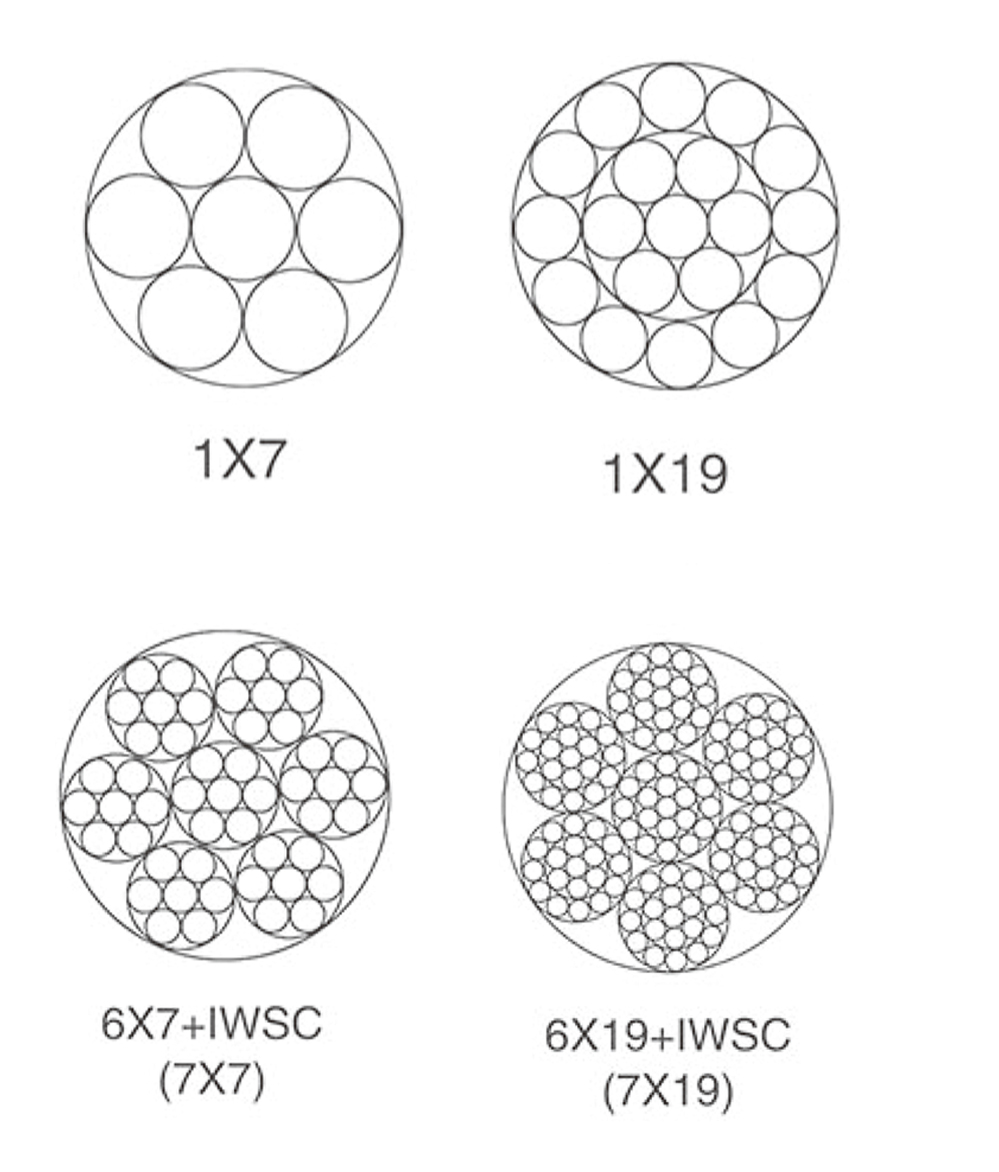
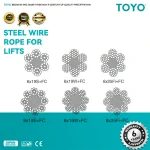
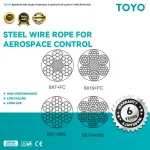
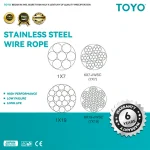
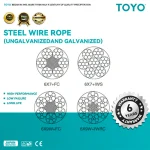
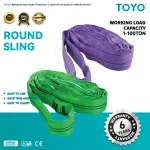
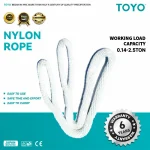
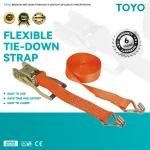
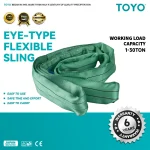
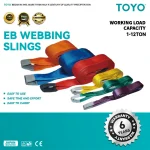
High-tensile slings, particularly those made from synthetic fibers like Dyneema, are gaining ground over traditional wire rope slings. They are lighter, safer (no broken wire strands), and do not damage polished surfaces. In the Saudi heat, synthetic slings maintain flexibility and strength, whereas wire ropes can become brittle over time if not properly lubricated. When lifting expensive prefabricated modules, contractors prefer synthetic slings to avoid surface marring.
We advise clients to inspect slings regularly for cuts or abrasion, as sand ingress can accelerate wear. Always store slings away from direct sunlight when not in use to prevent UV degradation.
Comparative Analysis: Local vs. International Lifting Equipment Brands in Saudi Arabia
The Saudi market offers a mix of local manufacturers and international brands from China, Europe, and the US. Local brands often provide quicker delivery and are well-versed in SASO requirements. International brands bring advanced technology but may face longer lead times and certification hurdles. The table below summarizes key differences:
| Фактор | Local Saudi Brands | International Brands (China/EU) |
|---|---|---|
| Price | Moderate, lower logistics cost | Lower FOB, higher import fees |
| SASO Compliance | Pre-certified common models | May require extra testing |
| Lead Time | 1-2 weeks | 4-10 weeks |
| Послепродажная поддержка | Local service teams | Dependent on agent quality |
| Technology Level | Basic to mid-range | Advanced, smart features |
For standard lifting tasks, a local brand with a proven track record can be cost-effective. However, for specialized applications like automated hoists in mega-projects, international suppliers often have the edge. We've seen successful hybrid approaches where a local distributor partners with an international manufacturer to provide both advanced equipment and local support.
How to Choose the Right Lifting Equipment for Your Saudi Arabian Project?
Selecting the right lifting equipment involves more than just matching load capacity. You must evaluate duty cycles, environmental conditions, and regulatory compliance. A systematic approach prevents costly mistakes and ensures operational safety.
Step-by-Step Guide to Assessing Load Capacity and Duty Cycle Requirements
Start by determining the maximum load weight, including any dynamic factors. Apply a safety factor—typically 1.25 for static lifts and up to 1.5 for dynamic or personnel-related lifts. Next, classify the hoist's duty cycle according to ISO 4301-1 or FEM standards. For instance, a hoist used 500 hours per year with moderate loads falls into M4 (1Am), while a hoist in continuous production might need M5 or higher.
Calculate the number of starts per hour and average operating time. Overlooking this leads to premature motor failure. I recall a project where a client used an M3-class electric hoist in a precast concrete plant running 16 hours daily. The hoist failed within six months, and the replacement cost plus downtime far exceeded the savings from buying a lighter-duty unit.
Key Factors: Environment (Heat, Dust, Corrosion) and Compliance with Saudi Standards (SASO)
Saudi Arabia's environment is unforgiving. Summer temperatures in Riyadh can hit 50°C, and dust storms are frequent. For electric hoists, specify IP65 or higher enclosures and motors with thermal cutouts. In coastal cities like Dammam, salt-laden air corrodes standard steel components. Hot-dip galvanizing or stainless steel fittings are essential.
Compliance with SASO standards is mandatory. All lifting equipment imported into Saudi Arabia must be registered on the SABER platform and hold a valid Certificate of Conformity. In 2019, I imported a batch of electric hoists from a new supplier who assured us of "international standards." Customs held the shipment for three months because it lacked SASO certification. We had to conduct expensive local testing and nearly lost the contract. Since then, we verify every supplier's SASO certificate before placing an order.
Matching Equipment to Application: Construction, Manufacturing, and Port Logistics
Each industry has distinct lifting needs. In construction, tower cranes handle vertical transport, while mobile cranes and chain hoists manage on-site assembly. For manufacturing, overhead bridge cranes and jib cranes provide coverage across workstations. Explosion-proof hoists are mandatory in paint shops or chemical plants.
Port logistics is a growth sector under Saudi Vision 2030. Jeddah Islamic Port and King Abdullah Port are expanding, requiring container handlers, ship-to-shore cranes, and heavy-duty forklifts. When selecting equipment for ports, consider wind loads and continuous operation. Electric hoists with VFD drives offer smooth acceleration, critical for delicate container handling.
Checklist for Evaluating Supplier Certifications and After-Sales Support in Saudi Arabia
Before committing to a supplier, verify their credentials. Ask for ISO 9001 and product-specific SASO certificates. Check if they have a local warehouse in Saudi Arabia—this drastically reduces lead times for spare parts. In my experience, a supplier without local stock can turn a simple repair into a three-week ordeal.
Other checklist items: Do they offer operator training in Arabic? Is there a 24/7 helpline? Can they provide maintenance contracts? A reputable supplier should willingly share customer references in the Kingdom. Don't skip this step; I've consulted for companies that lost thousands because their overseas supplier had no local service presence.
What Are the Common Mistakes to Avoid When Buying Lifting Equipment in Saudi Arabia?
Even experienced buyers make errors when purchasing for the Saudi market. These mistakes often stem from assumptions based on other regions. Here are the top pitfalls and how to avoid them.
Overlooking Local Safety Regulations and Certification Requirements
Assuming that CE or ASME standards automatically satisfy Saudi requirements is a dangerous misconception. SASO has its own set of standards, and products must be certified through the SABER system. Without this, your shipment will not clear customs. In 2022, a Southeast Asian exporter shipped a container of manual hoists without SABER registration. The entire consignment was rejected, and the re-export costs wiped out their profit margin.
Always work with suppliers who have a SASO compliance track record. Request the certificate number and validate it on the SABER portal before shipment.
Underestimating Total Cost of Ownership: Maintenance, Spare Parts, and Training
The purchase price is just the beginning. High-quality electric hoists may cost more upfront but have lower lifetime costs. Factor in annual maintenance, replacement parts like brake discs and chains, and operator training. For a typical 5-ton electric hoist, expect to spend 10-15% of the purchase price annually on upkeep.
Skimping on training is another hidden cost. Untrained operators can damage equipment or cause accidents. We always include a two-day training session for clients' teams, which pays for itself by reducing misuse.
Ignoring Environmental Factors: How Heat and Sand Affect Hoist Performance
I cannot stress this enough: standard equipment often fails prematurely in Saudi conditions. On a project in Tabuk, we used an IP54 electric chain hoist outdoors. Within three months, fine sand had penetrated the gearbox, causing the brake to slip. We replaced it with an IP66 model and added a protective canopy, which solved the issue. The lesson: always overspec environmental protection. Use high-temperature grease and sealed bearings. If the hoist operates outdoors, a simple cover can extend its life significantly.
Failing to Verify Supplier Credibility and Local Service Presence
A glossy website and a low quote mean nothing if the supplier cannot back it up with local support. I once visited a warehouse in Dammam where a contractor had purchased cheap lever hoists from an unverified online seller. When one hoist malfunctioned, they discovered the seller had no Saudi contact and no spare parts. The hoist was essentially a throwaway item. Always conduct due diligence: ask for Saudi trade license copies, visit their facility if possible, or at least do a video call showing their stock and workshop.
How Much Does Lifting Equipment Cost in Saudi Arabia in 2026?
Budgeting accurately requires looking beyond the initial price tag. This section breaks down price ranges, hidden costs, and sourcing strategies.
Price Ranges for Different Types of Hoists and Slings (New vs. Refurbished)
Manual chain hoists (1-10 ton) range from $80 to $500. Electric chain hoists start around $800 for a basic 1-ton model and can exceed $8,000 for a 10-ton unit with VFD control. Lever hoists cost between $150 and $1,200. High-tensile synthetic slings typically range from $50 to $500 each, depending on length and capacity.
Refurbished equipment offers savings of 30-50%, but it's a risky path unless you can verify the refurbishment process and obtain a valid test certificate. For critical lifts, we strongly advise buying new from a certified supplier.
Hidden Costs: Shipping, Customs Duties, and VAT in Saudi Arabia
When importing, ocean freight from China to Dammam for a 20-foot container costs approximately $2,500-$3,500. Customs duty on most lifting equipment is 5% of the CIF value. Then, 15% VAT is applied on the total (CIF + duty). Add customs clearance fees of $300-$800. So a $10,000 CIF electric hoist could land at around $12,500. Always request a landed cost breakdown from your freight forwarder.
ROI Analysis: Renting vs. Buying Lifting Equipment for Short-Term Projects
For projects lasting less than six months, renting is often more economical. Monthly rental rates are typically 5-8% of the equipment's new value. For a $5,000 hoist, renting for three months might cost $750-$1,200, with no maintenance worries. However, if your project runs for two years, buying is cheaper in the long run. We helped a client in Riyadh decide to rent a fleet of hoists for a 8-month stadium project, saving them 40% compared to purchasing.
Cost Comparison: Sourcing from China, Europe, or Local Saudi Suppliers
Chinese suppliers offer the lowest ex-works prices but require careful management of logistics and certification. European brands provide premium quality and often easier SASO acceptance due to existing ISO alignments, but at a higher price. Local Saudi suppliers eliminate import hassles and offer fast delivery, though their prices may be 15-25% above Chinese FOB. As a trusted поставщик электрических лебедок , we've seen many clients successfully mix strategies: sourcing standard hoists from China while buying specialized equipment locally to balance cost and convenience.
What Are the Latest Trends and Innovations in Lifting Equipment for Saudi Arabia in 2026?
The lifting equipment industry is evolving rapidly, driven by technology and sustainability goals. Here's what's shaping the Saudi market in 2026.
Smart Hoists and IoT Integration for Predictive Maintenance in Saudi Mega-Projects
NEOM and similar projects demand intelligent equipment. Smart electric hoists now come with embedded sensors that monitor load, temperature, and usage cycles. Data is transmitted to a central platform, enabling predictive maintenance. Instead of fixed-interval servicing, you service the hoist when data indicates it's necessary. This reduces downtime and extends equipment life. In a pilot at a large Riyadh construction site, IoT-enabled hoists reduced unplanned outages by 60%.
Sustainable Lifting Solutions: Energy-Efficient Electric Hoists and Eco-Friendly Materials
Saudi Vision 2030 emphasizes environmental responsibility. Manufacturers are responding with IE4 super-premium efficiency motors that cut energy consumption by up to 30%. Regenerative braking systems feed energy back into the grid. Additionally, synthetic slings made from recycled materials are entering the market, and biodegradable lubricants are becoming available for use in environmentally sensitive areas like the Red Sea coast.
The Impact of Saudi Vision 2030 on Construction and Industrial Lifting Demand
Vision 2030 has unleashed a wave of gigaprojects. The total investment exceeds $1 trillion. This translates to sustained demand for lifting equipment across construction, manufacturing, and logistics. Market analysts project a 6-8% annual growth rate for Saudi lifting equipment through 2030. Sectors like entertainment (Qiddiya), tourism (Red Sea Project), and renewable energy (NEOM hydrogen) are creating new niches for specialized lifting solutions.
Emerging Technologies: Lightweight High-Tensile Slings and Automated Lifting Systems
Ultra-high-molecular-weight polyethylene slings (e.g., Dyneema) are revolutionizing heavy lifting. They are seven times stronger than steel wire rope by weight, making rigging faster and safer. In Saudi Arabia's extreme heat, they outperform traditional slings by maintaining flexibility and strength without lubrication. Meanwhile, automated lifting systems—integrating AGVs with smart cranes—are being deployed in warehouses and ports. These systems reduce labor costs and improve safety, aligning with Saudi Arabia's push toward logistics hub status.
Where to Find Reliable Lifting Equipment Suppliers and Resources in Saudi Arabia?
Finding trustworthy suppliers and staying informed is essential. Here are practical resources to streamline your search.
Top Online Directories and Trade Shows for Lifting Equipment in the Middle East
Online B2B platforms like TradeKey and Alibaba can be starting points, but filter for suppliers with verified SASO certification. Saudi-specific industrial directories also exist. Better yet, attend trade shows: Saudi Build in Riyadh, PMV Expo in Dammam, and The Big 5 Saudi in Jeddah. These events let you meet suppliers, inspect equipment, and network with industry experts.
Recommended Saudi Arabian Industry Associations and Regulatory Bodies
Familiarize yourself with SASO (www.saso.gov.sa) for standards and certification. The Council of Saudi Chambers provides business verification services. The Saudi Council of Engineers offers professional development and safety training. LEEA (Lifting Equipment Engineers Association) also has a presence in the Middle East and provides excellent technical guidance.
How to Use Digital Tools for Supplier Verification and Product Comparison
Leverage the SABER online portal to validate product certificates. Use Google Earth to see a supplier's physical location. Request a live video tour of their factory and testing facilities. Compare multiple quotes using a standardized template that includes landed cost, warranty terms, and SASO compliance status. These steps take time but prevent costly missteps.
Free Resources: Checklists, E-books, and Webinars for Lifting Equipment Buyers
Many organizations offer free educational materials. Our company provides a downloadable "Saudi Lifting Equipment Compliance Checklist" and an e-book on selecting hoists for harsh environments. LEEA regularly hosts webinars on safe lifting practices. Taking advantage of these resources builds your knowledge and helps you ask the right questions when engaging suppliers.
Finding the right lifting equipment for Saudi Arabia's demanding environment requires careful planning. Whether you're sourcing manual hoists for a small workshop or smart electric hoists for a mega-project, compliance, durability, and local support are non-negotiable. Contact our team today to discuss your project requirements, or download our free Saudi Lifting Equipment Checklist to avoid costly mistakes. Let's build the future of Saudi industry together.
Ссылки
- Saudi Standards, Metrology and Quality Organization (SASO)
- Saudi Vision 2030 Official Website
- Grand View Research – Lifting Equipment Market Report 2025
- Ассоциация инженеров по подъемному оборудованию (LEEA)
- Saudi Build Expo