How to Import Rigging Equipment into Saudi Arabia?
Saudi Arabia's construction and oil & gas sectors are booming, driven by Vision 2030 projects. For international lifting equipment manufacturers and suppliers, understanding the import process is critical to avoid delays and extra costs. The Kingdom has strict regulations enforced by the Saudi Standards, Metrology and Quality Organization (SASO) and sector-specific authorities like Saudi Aramco. Whether you are importing manual chain hoists, electric hoists, or high-tensile slings, you need to navigate the Saber certification system, customs clearance, and local compliance requirements. This section breaks down the entire process based on real-world experience.
Understanding Saudi Arabia's Import Regulations for Lifting Equipment
All lifting equipment entering Saudi Arabia must comply with SASO's technical regulations. The Saber electronic platform is the central system for product registration and conformity assessment. Importers must first register their products and obtain a Product Certificate of Conformity (PCoC) and a Shipment Certificate of Conformity (SCoC). Without these, your shipment will be held at customs. Lifting equipment is categorized under regulated products because it directly impacts worker safety. Regulations cover design standards, material quality, load testing, and labeling. For example, manual chain hoists must meet EN 13157 or equivalent standards, and electric hoists must comply with EN 14492-2. Saudi customs also enforce strict labeling requirements: all equipment must have Arabic safety warnings and technical specifications clearly marked.
Additionally, certain regions like the Eastern Province have extra requirements for equipment used in oil & gas facilities. Saudi Aramco, the national oil company, maintains its own engineering standards (like SAES-A-105) for lifting gear. If your end user is an Aramco contractor, you will need to meet those specifications on top of SASO. We often advise clients to check the end-user requirements early to avoid re-exporting or destroying non-compliant goods.
Required Certifications: SASO, ISO, and Saudi Aramco Compliance
Securing the right certifications is the cornerstone of successful importation. A SASO Certificate of Conformity is mandatory for all lifting equipment. To obtain it, you need to submit product test reports from an accredited lab, a factory audit report (if required), and a declaration of conformity. Many manufacturers also hold ISO 9001:2015 certification, which streamlines the SASO process. For equipment destined for Aramco projects, you need an additional Aramco vendor approval or a product-specific compliance letter. In one case, a client imported a batch of lever hoists without realizing they needed Aramco-compliant spark-resistant materials for a gas plant. The shipment was rejected on site. We had to air-freight replacement units with the correct certification, costing the client over $15,000 in penalties and express shipping. Always verify the project specs before placing an order.
ISO certifications such as ISO 14001 and ISO 45001 can also strengthen your compliance profile, especially when dealing with large EPC contractors. Some importers mistakenly believe that a CE mark alone is enough for Saudi Arabia. However, Saudi authorities require SASO approval, which often involves additional testing for high-temperature performance and dust ingress protection (IP ratings). As a fabricante de polipastos de cadena with decades of experience, we pre-certify our products for the Saudi market to simplify this step for our distributors.
Step-by-Step Customs Clearance Process for Rigging Equipment
The clearance process follows a clear sequence. First, the importer (or their customs broker) registers the products on the Saber platform and obtains the PCoC. Second, before shipment, they apply for the SCoC by uploading the invoice and packing list. Third, the shipment arrives at the Saudi port, where customs verifies the SCoC against the physical goods. If everything matches, the shipment is released. If there are discrepancies, it may be flagged for inspection or testing. We recommend working with a licensed customs broker who specializes in industrial equipment. They can pre-clear documentation and handle any queries from SASO inspectors. The entire process typically takes 5–10 working days if paperwork is in order, but delays can stretch to weeks if certificates are missing.
One practical tip: always include a detailed packing list with HS codes and net/gross weights. Saudi customs often compare the SCoC details with the packing list. Even a minor weight mismatch can trigger a physical inspection, adding demurrage charges. In 2025, we saw an increase in random inspections for lifting equipment due to safety incidents, so expect stricter enforcement in 2026.
Choosing Between Local Distributors and Direct Import
International buyers often debate whether to work with a local Saudi distributor or import directly. Local distributors handle certification, warehousing, and after-sales service, which reduces your operational burden. However, they add a margin of 15–30% on top of the ex-works price. Direct import gives you more control over pricing and stock, but you must manage the entire compliance and logistics chain yourself. For small to medium volumes, a distributor is usually more cost-effective. For large-scale projects, direct import with a dedicated logistics partner can save significant costs. We have supported both models: some of our clients in Dammam act as authorized distributors, while large contractors in Riyadh import container loads directly from our factory.
Document Checklist for Smooth Importation
Having a complete document set is essential. Here is a checklist for importing rigging equipment into Saudi Arabia in 2026:
- Commercial invoice with detailed product descriptions and HS codes
- Packing list showing quantity, dimensions, and weight per package
- Bill of lading or airway bill
- SASO Product Certificate of Conformity (PCoC)
- SASO Shipment Certificate of Conformity (SCoC)
- Certificate of origin (often required for duty exemptions under trade agreements)
- Test reports and material certificates from the manufacturer
- Aramco compliance letter (if applicable)
- Import license copy (for registered importers)
Keep digital copies accessible to your broker. Missing any of these can result in customs holds and storage fees that quickly escalate.
Which Rigging Equipment Types Are Most Reliable in Saudi Arabia's Harsh Environment?
Saudi Arabia's climate varies from scorching desert heat to humid coastal conditions. Equipment must withstand temperatures exceeding 50°C (122°F), fine sand infiltration, and in coastal areas, salt-laden air. Selecting the right type of rigging gear is not just about load capacity; it is about survival in these extremes. Our field tests and customer feedback over the past decade have shaped clear recommendations for each equipment category.
Manual Chain Hoists vs. Electric Hoists: Durability in High Heat and Dust
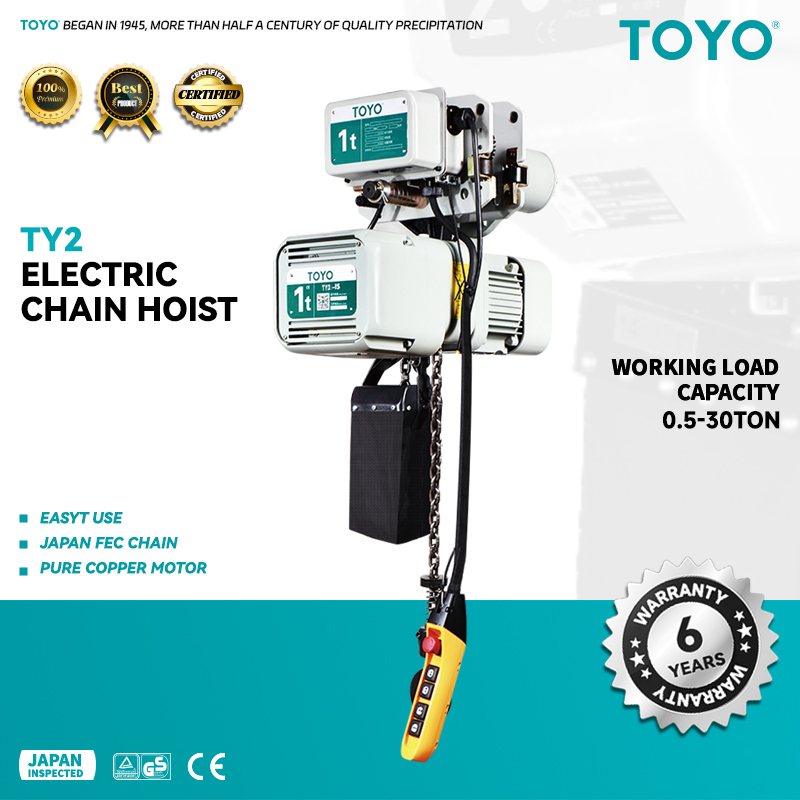
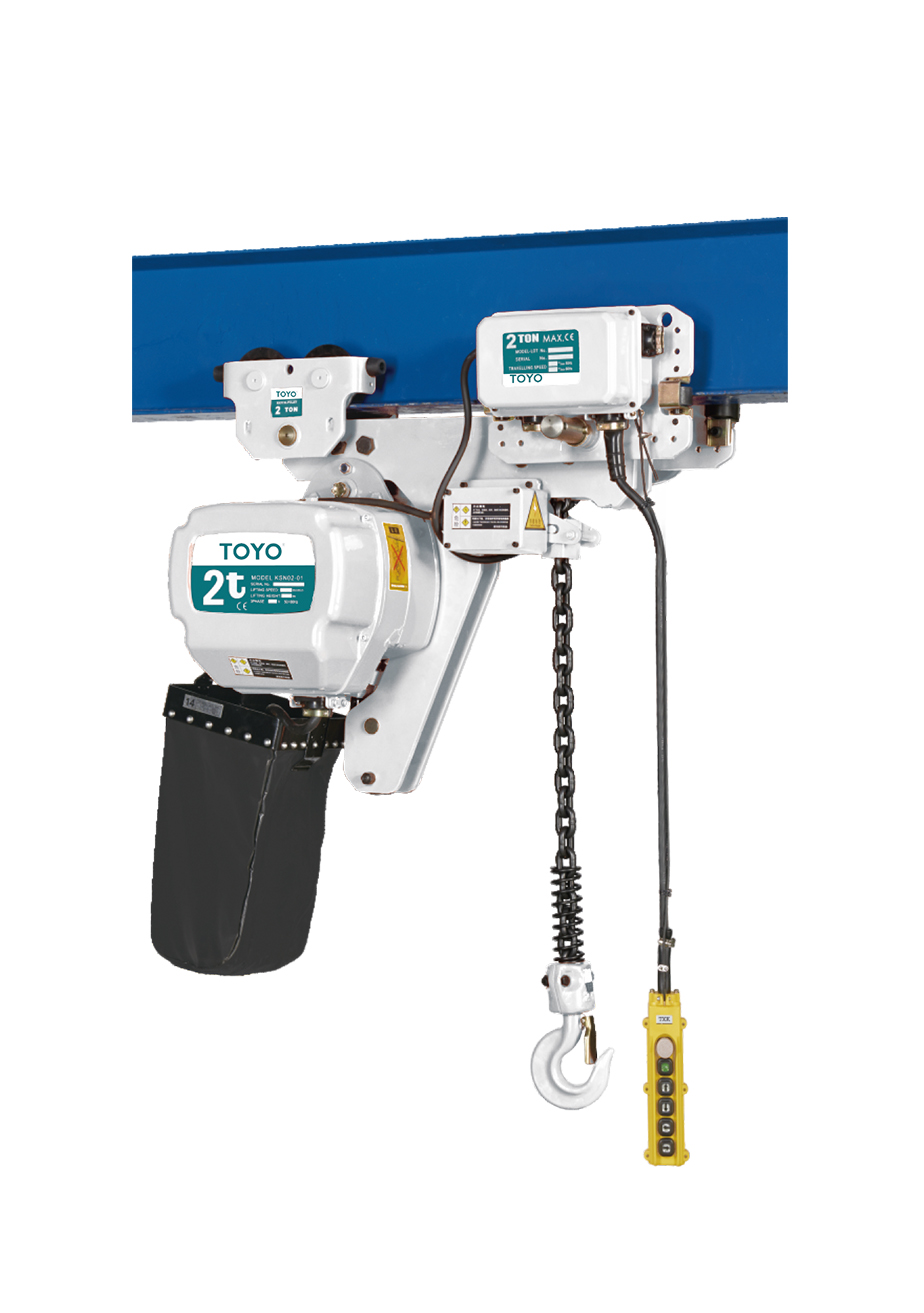
Manual chain hoists are often preferred in remote desert sites because they require no power source and have fewer components that can fail due to heat or dust. A high-quality manual chain hoist from a reliable fabricante de polipastos de cadena uses heat-treated alloy steel chains and sealed bearings that resist sand ingress. Electric hoists, on the other hand, offer speed and precision but need robust IP54 or higher motor enclosures and thermal overload protection to survive. In our experience, electric hoists used in unshaded areas can experience motor burnout if not specified with Class F insulation. The table below summarizes key differences:
| Característica | Polipasto manual de cadena | Polipasto eléctrico |
|---|---|---|
| Fuente de energía | Manual operation, no electricity needed | Requires stable power supply |
| Resistencia al calor | Minimal impact; lubricants must be high-temp rated | Motor and electronics vulnerable; requires cooling |
| Dust/Sand Resistance | Simple mechanical design; easy to clean | Needs sealed electrical components and filters |
| Mantenimiento | Low; occasional chain lubrication and brake inspection | Higher; regular motor, gearbox, and control checks |
| Coste inicial | Lower (approx. $200–$800 for 1–10 ton) | Higher (approx. $1,500–$6,000 for 1–10 ton) |
| Mejor aplicación | Infrequent lifts, remote sites, emergency use | High-cycle production, precise positioning |
For Saudi Arabia, we often recommend manual chain hoists for maintenance crews in the desert and electric hoists for indoor workshops or shaded gantry areas. If you must use electric hoists outdoors, specify a tropicalized motor and a dust-proof control pendant.
Lever Hoists and Lifting Clamps: Safety Features for Oil & Gas Projects
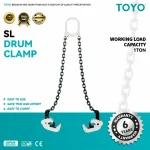
Lever hoists are indispensable for pulling, tensioning, and positioning loads in tight spaces. In Saudi oil & gas facilities, spark-resistant models with bronze alloy hooks and stainless steel chains are mandatory to prevent ignition risks. Lifting clamps for steel plates and pipes must have a high clamping force and corrosion-resistant pivot points. We have seen many generic clamps fail within months in coastal Ras Al Khair due to rust. Always select clamps with a minimum of 2.5:1 safety factor and certified by an approved third party. For Aramco projects, ensure the equipment is listed in the Aramco Approved Lifting Equipment Register.
High-Tensile Slings: Material Comparison for Corrosion Resistance
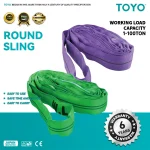
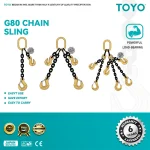
Slings are the most vulnerable component in a lifting setup. The three main materials—polyester, wire rope, and chain—each behave differently in Saudi conditions. Polyester flat webbing slings are lightweight and flexible but degrade quickly under UV exposure and can retain moisture leading to mold in coastal areas. Wire rope slings offer high strength and heat resistance, but they corrode rapidly without regular lubrication, especially in the Arabian Gulf's salty atmosphere. Alloy chain slings are the most durable; they resist abrasion, heat, and corrosion if properly coated. In a recent project at Yanbu port, we replaced polyester slings every 6 months, while our Grade 100 chain slings lasted over 3 years with minimal maintenance. The higher upfront cost of chain slings is justified by longer service life and fewer replacements.
Case Study: Equipment Performance in Saudi Arabian Desert vs. Coastal Areas
In 2024, our team conducted a 12-month durability test on a set of manual chain hoists and lever hoists at two sites: one near Shaybah in the Empty Quarter (desert) and one at Jeddah Islamic Port (coastal). The desert units faced daily temperature swings of 20°C to 48°C and frequent sandstorms. The coastal units dealt with humidity above 80% and salt spray. We performed monthly load tests and inspections. The desert hoists showed accelerated wear on load chains due to fine sand acting as an abrasive. We solved this by introducing dry-film lubricants that do not attract sand. The coastal hoists suffered from surface corrosion on hooks and bodies. Switching to electroless nickel-plated components and using marine-grade grease extended their service intervals by 40%. This real-world data now informs our standard recommendations for Saudi clients.
Key Maintenance Tips to Extend Lifespan in Extreme Conditions
Proactive maintenance is non-negotiable. First, establish a weekly visual inspection routine focusing on chain wear, hook deformation, and corrosion spots. Second, use lubricants formulated for high temperatures (up to 60°C) and dust-repellent properties. Third, after sandstorms, clean all moving parts with compressed air before applying lubricant. Fourth, for electric hoists, check IP seals and cooling fans monthly. Fifth, store equipment in shaded, ventilated containers when not in use. In one instance, a contractor in Riyadh reduced their hoist failure rate by 70% simply by implementing a mandatory pre-shift checklist and training their operators. We provide a free downloadable checklist later in this article.
What Are the Common Mistakes When Sourcing Rigging Equipment in Saudi Arabia?
Even experienced procurement managers make costly errors when buying lifting equipment for Saudi projects. These mistakes often lead to project delays, safety incidents, or unplanned expenses. Drawing from our interactions with clients across the Kingdom, here are the top five pitfalls and how to avoid them.
Ignoring Local Safety Standards and Certification Requirements
This is the most frequent and expensive mistake. Buyers assume that European or American certifications automatically satisfy Saudi regulations. While SASO accepts many international standards, the Saber registration process is mandatory and requires specific documentation. Without a SCoC, customs will not release the equipment. We have seen shipments of perfectly good hoists stranded at Dammam port for weeks because the importer did not apply for the Saber certificate in advance. Always budget 2–3 weeks for the certification process before your shipment arrival.
Selecting Inadequate Load Capacity for Specific Applications
Underestimating the required working load limit (WLL) is a safety and operational risk. In Saudi Arabia, many lifts involve dynamic loads due to wind or uneven terrain. A hoist rated for a static 5-ton lift may fail if the actual load shifts. Always factor in a dynamic load coefficient of at least 1.25, and for offshore or high-wind areas, consult an engineer. In 2025, a client in NEOM ordered 3-ton manual chain hoists for lifting prefabricated modules that actually weighed 3.2 tons with rigging. The hoists were overloaded, causing brake slippage. We had to urgently supply 5-ton units. It is safer to overspecify by 20–30% than to risk failure.
Overlooking After-Sales Service and Spare Parts Availability
Many international suppliers sell equipment without a local service network. When a hoist breaks down, waiting weeks for parts from Europe or China halts operations. I recall a situation where a Jeddah-based logistics company bought 20 electric hoists from a low-cost Asian supplier. Within 8 months, 5 units failed due to contactor burnouts. The supplier had no agent in Saudi Arabia and took 6 weeks to ship replacement parts. The company lost over $50,000 in downtime. We stepped in to retrofit compatible parts and later became their primary supplier. Always verify the supplier's local stock of critical spares like brake discs, chains, and motors before committing.
Prioritizing Low Price Over Total Cost of Ownership
A cheap hoist can cost far more over its lifespan when you account for frequent repairs, downtime, and early replacement. A premium European or Japanese manual chain hoist might cost $600, while a budget import costs $200. However, the premium unit often lasts 5–7 years with minimal maintenance, whereas the budget unit may need replacement chains and brakes every year. In Saudi Arabia's harsh conditions, the total cost of ownership for budget equipment is often 2–3 times higher over a 5-year period. We advise clients to calculate the lifecycle cost, not just the purchase price.
Failing to Vet Supplier Experience in the Saudi Market
Not all lifting equipment manufacturers understand Saudi-specific challenges. A supplier with no prior experience in the region may ship standard products that cannot handle the heat, dust, or certification requirements. Ask potential suppliers for references from Saudi clients, case studies, or proof of SASO registration. As a fabricante de polipastos de cadena with a long track record in the Middle East, we have adapted our designs based on direct feedback from Saudi end users. This regional expertise translates into fewer surprises on site.
How Much Does Rigging Equipment Cost in Saudi Arabia in 2026?
Pricing for rigging equipment in Saudi Arabia is influenced by global steel prices, shipping costs, and local certification fees. In 2026, we expect moderate price stability, but some categories may see increases due to higher energy costs and supply chain adjustments. Here is a realistic breakdown of what you can expect to pay.
Price Ranges for Manual Hoists, Electric Hoists, and Slings in Saudi Arabia
Manual chain hoists with 1-ton to 10-ton capacities typically range from SAR 800 to SAR 3,000 ($210–$800), depending on brand and features. A high-quality 5-ton manual chain hoist from a specialized fabricante de polipastos de cadena will cost around SAR 1,500–2,000. Electric hoists are more expensive: a 2-ton electric wire rope hoist starts at SAR 6,000 ($1,600) and can go up to SAR 25,000 ($6,600) for a 10-ton model with dual speed and inverter control. Synthetic slings are the cheapest, with a 5-ton polyester round sling costing SAR 150–300, while a Grade 100 alloy chain sling of similar capacity costs SAR 800–1,200. These prices are for equipment that meets SASO standards; non-certified products may be cheaper but are not legally usable.
Hidden Costs: Shipping, Duties, and Certification Fees
The sticker price is only part of the total landed cost. Ocean freight from China to Dammam for a 20-foot container averages $2,500–3,500 in 2026. Customs duties on lifting equipment are generally 5%, but some items may attract 12% if classified differently. Then add SASO certification fees: PCoC costs around $300–500 per product family, and SCoC is $100–200 per shipment. If testing is required, lab fees can add $500–1,500. Brokerage fees, port handling, and last-mile delivery can add another 5–8% of the cargo value. Always request a landed cost quotation from your supplier or freight forwarder to avoid budget overruns.
ROI Analysis: Premium vs. Budget Rigging Equipment
Let's compare a premium manual chain hoist (SAR 2,000) with a budget alternative (SAR 600) over 5 years. The premium hoist requires one chain replacement ($100) and annual inspections ($50/year). Total 5-year cost: SAR 2,000 + 100 + 250 = SAR 2,350. The budget hoist needs chain replacement every year ($80 each), brake repairs twice ($150 each), and fails completely after 3 years, requiring a new unit. Total cost: SAR 600 + (80×3) + (150×2) + 600 = SAR 2,040 for 5 years, but with significant downtime and safety risks. The premium unit offers 20% higher residual value and better reliability. For critical lifts, the ROI of premium equipment is clear.
Budgeting for Maintenance and Replacement Cycles
Maintenance budgets should be 5–10% of the equipment's purchase price annually for manual equipment and 10–15% for electric hoists. In Saudi Arabia, harsh conditions accelerate wear, so plan for chain replacement every 2–3 years for heavily used hoists. Electric hoist motors may need rewinding after 4–5 years. Include these costs in your project OPEX from day one. We recommend setting up a sinking fund for major overhauls.
Financing Options for Rigging Equipment Procurement in Saudi Arabia
For large-scale purchases, several financing options exist. Saudi banks offer asset-based lending for industrial equipment, often with tenors of 3–5 years. Some manufacturers (including us) provide deferred payment terms for approved buyers. Leasing is also gaining traction; companies like Aljomaih Equipment offer operating leases for lifting gear. In 2026, we expect more Islamic finance structures like Ijarah to be used for equipment procurement. Explore these options to preserve working capital while acquiring high-quality rigging equipment.
What Are the 2026 Trends for Rigging Equipment Saudi Arabia?
The Saudi lifting equipment market is evolving rapidly, shaped by megaprojects, technology, and sustainability goals. Here are the key trends that will define the industry in 2026.
The Impact of Saudi Vision 2030 on Construction and Lifting Demand
Vision 2030 is entering its final phase, with giga-projects like NEOM, the Red Sea Project, and Diriyah Gate reaching peak construction. This drives unprecedented demand for rigging equipment. The Saudi construction sector is expected to grow by 6–8% in 2026, requiring thousands of hoists, cranes, and slings. However, the demand is not uniform; there is a shift toward specialized lifting solutions for modular construction and prefabrication. Suppliers who can offer custom-engineered lifting beams and spreader bars will have a competitive edge.
Smart Rigging Equipment: IoT and Automation Features
The Internet of Things (IoT) is making its way into lifting gear. In 2026, we see electric hoists with integrated load sensors that transmit real-time data to site control rooms. These smart hoists can log lift counts, overload events, and maintenance alerts. For manual equipment, RFID tags are being embedded to track inspection history and asset location. Saudi Aramco has started piloting smart slings that monitor tension and temperature. While the initial cost is higher, these features reduce unplanned downtime and improve safety compliance. We are already supplying IoT-enabled chain hoists to a pilot project in Jubail.
Sustainable Lifting Solutions: Eco-Friendly Materials and Energy Efficiency
Sustainability is no longer optional. Saudi Arabia's Green Initiative is pushing industries to reduce carbon footprints. In rigging equipment, this translates to electric hoists with regenerative braking that feed energy back into the grid, and the use of recycled steel in chains and hooks. Manufacturers are developing bio-based synthetic slings as alternatives to petroleum-derived polyester. Additionally, solar-powered hoists are being tested for remote sites. We anticipate that by 2027, eco-labels will become a purchasing criterion for government-linked projects. Early adopters will benefit from preferential procurement.
Supply Chain Shifts and Their Effect on Availability and Pricing
Global supply chains are reconfiguring. The Red Sea shipping disruptions of 2024–2025 prompted many suppliers to establish regional warehouses in Dubai and Dammam. In 2026, lead times for standard rigging equipment have shortened to 2–4 weeks within the GCC, but custom-engineered items still take 8–12 weeks. Prices for European-made equipment have risen due to energy costs, making Asian manufacturers more competitive. However, quality and certification remain differentiators. We have expanded our Saudi stockholding to offer same-day dispatch for popular hoist models.
The Rise of Online Procurement Platforms for Industrial Equipment
Digital procurement is accelerating. Platforms like Tradeling, Amazon Business, and specialized industrial marketplaces now list rigging equipment with transparent pricing and SASO compliance filters. This allows buyers to compare specifications and order directly. However, the risk of counterfeit or non-certified products is high. Always verify the seller's credentials and insist on SASO certificates before purchase. We recommend using online platforms for commodity items like slings and shackles, but for critical hoists, engage directly with the manufacturer or an authorized distributor.
What Resources Can Help You Choose and Maintain Rigging Equipment in Saudi Arabia?
Equipping yourself with the right tools and knowledge ensures safe and efficient lifting operations. Below are practical resources we have developed or recommend for Saudi Arabian users.
Free Downloadable Rigging Inspection Checklists for Saudi Arabian Sites
We offer a comprehensive inspection checklist tailored to Saudi regulations and environmental factors. It covers daily pre-use checks, monthly detailed inspections, and annual load tests. The checklist includes specific prompts for sand damage, corrosion, and heat degradation. Download it from our website to keep your site compliant.
Load Calculation Apps and Tools for Rigging Safety
Several mobile apps help calculate sling angles, load distribution, and required WLL. Apps like RigCalc and Lifting Pro are popular among Saudi riggers. We recommend using these tools during lift planning to avoid overloading. We also provide a free Excel-based load calculator that incorporates wind factors for open sites.
Saudi Regulatory Compliance Guides and Updates
Staying updated with SASO and Aramco changes is challenging. We publish quarterly compliance bulletins for our clients. Official sources include the SASO website and the Saudi Aramco Supplier Portal. Bookmark these and subscribe to notifications. For 2026, watch for updates to the Saber system that may streamline the renewal process.
Directories of Certified Rigging Equipment Suppliers in Saudi Arabia
Finding verified suppliers can be time-consuming. The Lifting Equipment Engineers Association (LEEA) has a member directory that includes Saudi-based companies. The Saudi Contractors Authority (SCA) also lists approved equipment vendors. We maintain a shortlist of trusted distributors in Riyadh, Dammam, and Jeddah who stock genuine parts and offer local service.
Training Materials: Webinars, eBooks, and Best Practice Guides
Operator training is a legal requirement in Saudi Arabia. We conduct monthly webinars on rigging safety and equipment maintenance, often in partnership with Saudi safety organizations. Our eBook, "Rigging in Extreme Environments," is available for free download. It compiles 20 years of field experience into practical guidelines. Investing in training reduces accidents and extends equipment life.
Authoritative References
For further reading and official updates, consult these sources:
- SASO Saber Electronic Platform – Official product registration and conformity system.
- Saudi Aramco Supplier Qualification – Engineering standards and vendor requirements.
- Lifting Equipment Engineers Association (LEEA) – Technical guidance and member directories.
- Saudi Vision 2030 – Official portal for national transformation projects.
- Mordor Intelligence – Saudi Arabia Construction Market Report – Industry growth trends and forecasts.
- ISO 9001 Quality Management – International standard for quality systems.
- U.S. International Trade Administration – Saudi Arabia Import Guide – Regulatory overview for foreign exporters.
Ready to source reliable rigging equipment for your Saudi Arabian project? Whether you need SASO-certified manual chain hoists, corrosion-resistant slings, or smart electric hoists, our team has the regional expertise to guide you. Contact us today for a customized quotation or download our free Saudi Rigging Compliance Checklist to start your procurement on the right foot. Let's build safer lifting operations together.