
Resumen
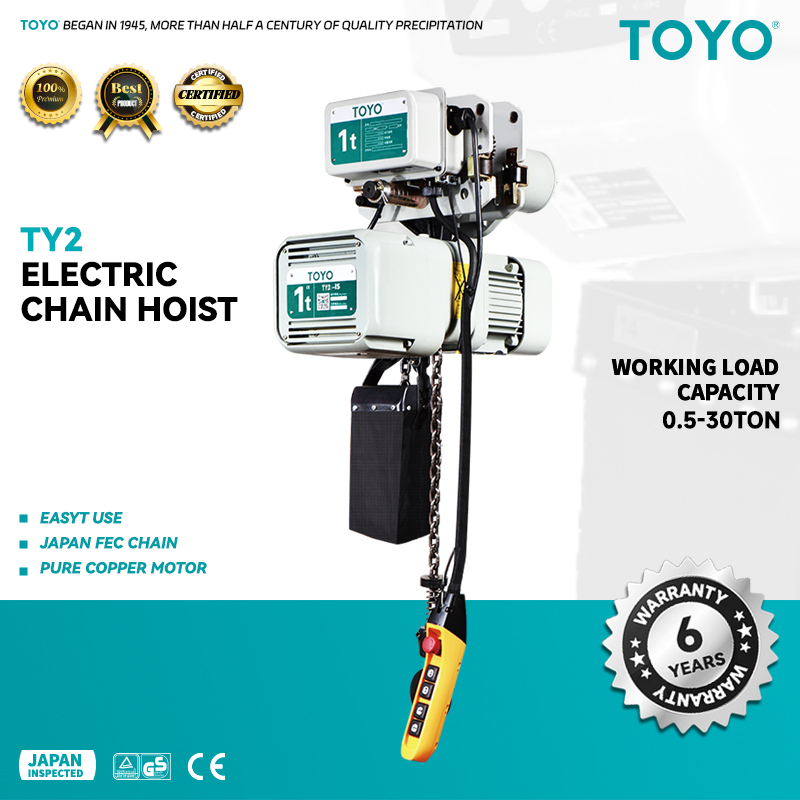
La selección y el funcionamiento de un polipasto eléctrico CM en entornos industriales exigen un enfoque sistemático basado en especificaciones técnicas, consideraciones medioambientales y protocolos de seguridad rigurosos. Este análisis examina el polifacético proceso de elección de un polipasto adecuado, empezando por una evaluación básica de la capacidad de carga, la altura de elevación y la velocidad de funcionamiento. Se profundiza en la influencia del entorno de trabajo, distinguiendo entre condiciones estándar, peligrosas y especializadas, que dictan la construcción y las características necesarias del equipo. Un estudio comparativo de destacados modelos de CM, como la Lodestar y la BatteryStar, ilustra las ventajas y desventajas de los distintos diseños. La investigación explora además los matices de los sistemas de potencia y los mecanismos de control, incluidas las transmisiones de frecuencia variable (VFD), y la importancia de los índices de ciclo de trabajo (FEM/HMI) para determinar la fiabilidad a largo plazo. Una parte sustancial del discurso se dedica a la seguridad operativa, articulando los mandatos de normas como ASME B30.16 y esbozando exhaustivos regímenes de inspección y mantenimiento. El objetivo es proporcionar un marco holístico que permita a los usuarios no sólo seleccionar el polipasto eléctrico CM óptimo, sino también integrarlo en su flujo de trabajo de manera que maximice tanto la eficiencia como la seguridad.
Principales conclusiones
- En primer lugar, determine con precisión su capacidad de carga, la altura de elevación requerida y la velocidad necesaria para la aplicación.
- Evalúe su entorno de trabajo para ver si necesita características especiales para condiciones peligrosas o de sala limpia.
- Compare diferentes modelos de polipastos eléctricos CM, como el Lodestar, para encontrar el que mejor se adapte a su ciclo de trabajo.
- Asegúrese de que su fuente de alimentación coincide con el voltaje y la fase del polipasto, teniendo en cuenta las opciones de control avanzadas.
- Aplicar un estricto programa de seguridad e inspección basado en las normas ASME para garantizar la fiabilidad a largo plazo.
- Un aparejo adecuado con abrazaderas y eslingas de elevación de calidad es primordial para la seguridad de cualquier operación de elevación.
- Comprenda el ciclo de trabajo nominal del polipasto para evitar el sobrecalentamiento y garantizar una larga vida útil.
Índice
- Elegir el polipasto eléctrico CM adecuado: Un proceso en cinco pasos
- Paso 1: Análisis básico de sus necesidades de elevación
- Paso 2: Analizar el entorno operativo
- Paso 3: Comparación de modelos de polipastos eléctricos CM
- Paso 4: Descodificación de los sistemas de alimentación y control
- Paso 5: Comprender el ciclo de trabajo y la vida útil
- Dominio de la seguridad operativa de su polipasto eléctrico CM
- Preguntas más frecuentes (FAQ)
- Conclusión
- Referencias
Elegir el polipasto eléctrico CM adecuado: Un proceso en cinco pasos
Embarcarse en la adquisición de una pieza de maquinaria industrial, especialmente una tan fundamental para sus operaciones como un polipasto eléctrico CM, puede parecer como navegar por un complejo laberinto de especificaciones técnicas y métricas de rendimiento. Es una decisión que tiene un peso significativo, tanto en sentido literal como figurado. La elección que haga influirá directamente en la productividad de su taller, en la seguridad de su personal y en la eficacia general de sus procesos de manipulación de materiales en los años venideros. La tentación podría ser centrarse únicamente en la capacidad de carga máxima, pero una visión tan estrecha sería un flaco favor a los matices necesarios. Un polipasto no es simplemente una herramienta de elevación; es un componente integrado de un ecosistema operativo más amplio. Por tanto, nuestro enfoque debe ser holístico, teniendo en cuenta la interacción entre la carga, el entorno, el operario y la propia máquina.
Piense en este proceso no como una simple compra, sino como una forma de asociación a largo plazo con el equipo. Usted busca un caballo de batalla fiable que funcione día tras día sin flaquear. Para conseguirlo, realizaremos un examen lógico en cinco pasos, desde los requisitos más generales hasta los detalles más sutiles. Esta progresión metódica garantiza que no se pase por alto ningún factor crítico y que la selección final no sólo sea adecuada, sino óptima para su contexto único, tanto si se encuentra en los florecientes centros de fabricación del sudeste asiático como en los exigentes sectores mineros de Sudáfrica.
Paso 1: Análisis básico de sus necesidades de elevación
Antes de empezar a estudiar modelos concretos, debe tener una idea clara y precisa del trabajo que se espera que realice el polipasto. Este paso inicial es la base sobre la que se construye una decisión sólida. Implica cuantificar las exigencias físicas de sus tareas de elevación con la mayor precisión posible. Un error o equivocación en este punto puede tener consecuencias en cascada, ya sea un polipasto poco potente e inseguro o uno demasiado potente e innecesariamente caro. Desglosemos los tres pilares principales de este análisis: capacidad, elevación y velocidad.
Determinación de la capacidad de elevación necesaria
La pregunta más fundamental es: ¿cuánto peso necesita levantar? Esta cifra, la capacidad nominal, es la carga máxima que el polipasto está diseñado para soportar con seguridad. Sin embargo, determinarla no siempre es tan sencillo como leer el peso estampado en un objeto. Debe tener en cuenta la carga más pesada a la que se enfrentará su operación y, a continuación, añadir un margen de seguridad. Es un error común y peligroso comprar un polipasto clasificado para la carga media en lugar de para la máxima.
Pensemos en un taller mecánico. El componente medio que se levanta puede ser de 200 kg, pero una vez al mes hay que mover un troquel grande de 950 kg. Un polipasto de 500 kg sería un fallo catastrófico a punto de producirse. Por lo tanto, la elección debe ser un polipasto de 1 tonelada (aproximadamente 1.000 kg) o superior. Planifique siempre la elevación más pesada, no la más frecuente.
Además, hay que tener en cuenta el peso de cualquier equipo de elevación. El polipasto levanta la carga, pero también levanta la eslinga, el gancho y cualquier viga de separación o abrazadera de elevación fijada debajo. Aunque a menudo es insignificante para cargas ligeras, el peso de los aparejos pesados puede ser considerable y debe tenerse en cuenta en el cálculo de la carga total. Por ejemplo, un complejo conjunto de aparejos para una carga de 4 toneladas de forma inusual puede pesar entre 200 y 300 kilogramos. Su polipasto debe tener capacidad para soportar el peso combinado.
Cálculo de la elevación y el alcance necesarios
"La altura de elevación se refiere a la distancia vertical total que puede recorrer el gancho desde el punto más bajo hasta el más alto. Para determinar la elevación necesaria, mida la distancia desde el punto de montaje del polipasto (por ejemplo, la viga de una grúa puente) hasta el punto más bajo que el gancho tendrá que alcanzar. Puede ser el suelo, el fondo de un foso o la caja de un camión.
Imagine que va a instalar un polipasto en una instalación con un techo de 10 metros de altura. El polipasto se montará en una viga situada 1 metro por debajo del techo. Necesita elevar materiales desde el suelo. Podría parecer que necesita un elevador de 9 metros. Pero, ¿y si a veces tiene que bajar un componente a un foso de mantenimiento de 2 metros de profundidad? El total de la elevación necesaria es ahora de 11 metros. Siempre es aconsejable añadir un pequeño margen (quizás un metro más) a su cálculo para tener en cuenta circunstancias imprevistas o cambios futuros en su flujo de trabajo. Esta previsión evita que se vea limitado más adelante. La longitud de la cadena de carga estándar puede personalizarse, pero es más rentable especificar la longitud correcta desde el principio.
Definición de los requisitos de velocidad operativa
La velocidad de elevación se mide en pies por minuto (FPM) o metros por minuto (m/min). La velocidad ideal es un equilibrio entre productividad y precisión. Una velocidad más rápida puede mejorar significativamente los tiempos de ciclo en un entorno de producción de gran volumen, moviendo materiales rápidamente de una estación a la siguiente. Sin embargo, en aplicaciones que requieren un posicionamiento cuidadoso, como la colocación de un molde delicado en una prensa o la alineación de una pieza sensible del equipo, una velocidad más lenta es primordial para la seguridad y el control.
Muchos modelos modernos de polipastos eléctricos CM ofrecen funcionalidad de doble velocidad. Una configuración típica podría proporcionar una velocidad rápida de 16 FPM para un tránsito rápido y una velocidad lenta de 5 FPM para una colocación final precisa. Este control de dos velocidades ofrece al operador lo mejor de ambos mundos. Para un control aún mayor, una transmisión de frecuencia variable (VFD) puede proporcionar una gama de velocidades suave y continua, muy parecida al pedal del acelerador de un coche. Profundizaremos en los VFD en el paso 4, pero por ahora, considere si su aplicación se beneficiaría más de la velocidad pura, del control delicado o de una combinación de ambos. En una cadena de montaje rápida, la velocidad puede ser lo más importante. En una instalación nuclear, la precisión no es negociable.
Paso 2: Analizar el entorno operativo
Un polipasto no funciona en el vacío. Está sujeto a las condiciones de su entorno, que pueden tener un profundo impacto en su rendimiento, longevidad y seguridad. Ignorar el entorno operativo es como elegir un vehículo sin tener en cuenta si se va a conducir por las calles lisas de la ciudad o por los escarpados senderos de montaña. Un polipasto eléctrico CM estándar es un equipo robusto, pero determinados entornos requieren características y protecciones especiales. Examinemos algunos factores ambientales comunes.
Condiciones normales, peligrosas y extremas
La mayoría de los entornos interiores de fabricación y talleres pueden considerarse "estándar". Se trata de espacios relativamente limpios, secos y con temperatura controlada en los que un polipasto estándar con una caja NEMA 3R (que protege contra la suciedad que cae y las salpicaduras de agua ligeras) será suficiente. Sin embargo, muchas industrias presentan condiciones más difíciles.
-
Entornos peligrosos (explosivos): Industrias como las del petróleo y el gas, el procesamiento químico y la manipulación de grano suelen tener atmósferas que contienen gases inflamables, vapores o polvo combustible. En estos lugares, un polipasto eléctrico estándar es una fuente de ignición y un grave riesgo de explosión. Para estas aplicaciones, necesita un polipasto a prueba de explosiones. Estas unidades se construyen según normas estrictas (como ATEX en Europa o IECEx internacionalmente) con carcasas selladas, componentes que no producen chispas (por ejemplo, ganchos de bronce) y otras características para evitar la ignición de la atmósfera circundante.
-
Entornos exteriores y corrosivos: Un polipasto utilizado en un astillero, en una plataforma en alta mar o en una planta de galvanizado estará expuesto a la humedad, la niebla salina y los vapores químicos. Este implacable ataque puede corroer rápidamente los componentes estándar, comprometiendo la integridad estructural y los sistemas eléctricos. Para estos entornos, busque polipastos con mayor resistencia a la corrosión. Esto puede incluir carcasas resistentes a la intemperie (NEMA 4X), cadenas de carga galvanizadas o de acero inoxidable, revestimientos de pintura especializados y componentes de acero inoxidable.
-
Temperaturas extremas: Las fundiciones y acerías exponen los equipos a un intenso calor radiante, mientras que los congeladores de procesamiento de alimentos funcionan a temperaturas bajo cero. El calor extremo puede degradar los lubricantes, dañar el aislamiento eléctrico y provocar el desgaste prematuro de los frenos. El frío extremo puede fragilizar los metales y espesar los lubricantes. Los polipastos destinados a estos entornos pueden requerir lubricantes especiales para altas o bajas temperaturas, cableado modificado y componentes de freno específicos.
Aplicaciones para salas blancas y alimentos
En el otro extremo del espectro se encuentran los entornos que exigen una limpieza excepcional. En las industrias farmacéutica, electrónica y alimentaria, la contaminación es una preocupación primordial. Un polipasto estándar que gotee aceite o desprenda partículas de pintura es inaceptable.
Para estas aplicaciones, es necesario un polipasto apto para alimentos o para salas limpias. Estas unidades especializadas cuentan con:
- Construcción de acero inoxidable: Los componentes clave, como el gancho, la cadena y el cuerpo, pueden ser de acero inoxidable para resistir la corrosión y facilitar su limpieza.
- Lubricantes alimentarios: Todos los lubricantes utilizados en la caja de cambios y en la cadena no son tóxicos y están certificados como seguros para el contacto accidental con productos alimenticios.
- Revestimientos especializados: El cuerpo del polipasto puede estar acabado con una pintura epoxi aprobada por la FDA que resiste el desconchado y es impermeable a los agentes de limpieza agresivos.
- Diseño sellado: El polipasto se ha diseñado para que pueda lavarse fácilmente sin que entre agua en el motor ni en las cajas eléctricas.
Elegir el polipasto adecuado para su entorno no es una mejora opcional; es un requisito fundamental para un funcionamiento seguro y fiable. Una inadecuación entre el polipasto y su entorno conducirá inevitablemente a fallos prematuros, costosos tiempos de inactividad y situaciones potencialmente peligrosas.
Paso 3: Comparación de modelos de polipastos eléctricos CM
Una vez conocidas sus necesidades de elevación y las condiciones ambientales, podemos centrar nuestra atención en los modelos específicos que ofrece Columbus McKinnon (CM). CM ofrece una gama de polipastos eléctricos de cadena, cada uno adaptado a diferentes aplicaciones y niveles de servicio. Aunque el CM Lodestar es sin duda el modelo más emblemático y versátil, conocer a sus hermanos es clave para tomar una decisión informada. Piense que es como elegir a un miembro del equipo: usted quiere al que tenga las aptitudes adecuadas para el trabajo específico en cuestión.
El caballo de batalla: CM Lodestar y Lodestar NH
El CM Lodestar es el polipasto eléctrico de cadena industrial por excelencia, reconocido en talleres y fábricas de todo el mundo por su durabilidad y fiabilidad. Está diseñado para aplicaciones de servicio pesado y está disponible en una amplia gama de capacidades, de 1/8 de tonelada a 3 toneladas. Su acabado con recubrimiento en polvo le confiere resistencia a la corrosión, y su clasificación H4 (de la que hablaremos en el paso 5) indica que es apto para un uso industrial exigente.
La familia Lodestar incluye diversas variantes. El Lodestar clásico es una fuente de fiabilidad. La Lodestar NH presenta un nuevo diseño con un perfil más moderno. Una característica clave del Lodestar es su protector de sobrecarga, un mecanismo de embrague que impide que el operario eleve una carga que supere la capacidad nominal del polipasto. Se trata de una característica de seguridad crucial que protege tanto al polipasto como al personal. Suele ser la elección por defecto para tareas generales de fabricación, montaje y mantenimiento.
La central eléctrica portátil: CM BatteryStar
Una innovación más reciente de CM es el BatteryStar. Este polipasto rompe el molde al eliminar la necesidad de una fuente de alimentación por cable. Como su nombre indica, funciona con una batería recargable de alta capacidad, desarrollada en colaboración con Milwaukee Tool® (). Esto ofrece una portabilidad y flexibilidad sin precedentes.
El BatteryStar es ideal para obras temporales, trabajos de servicios públicos y aplicaciones en las que el tendido de cables de alimentación resulta poco práctico o peligroso. Imagínese un equipo de construcción que necesita elevar materiales a un segundo piso antes de instalar la alimentación eléctrica permanente, o un equipo de mantenimiento que trabaja en un rincón remoto de una gran instalación. BatteryStar puede instalarse en cuestión de minutos. Sin embargo, su portabilidad tiene sus contrapartidas. Su capacidad suele ser inferior a la de la Lodestar de alta resistencia, y su funcionamiento depende de la duración de la batería, lo que la hace menos adecuada para trabajos de producción continuos y de ciclos altos.
Comparación de los principales modelos de polipastos CM
Para aclarar las diferencias, vamos a organizar la información en una tabla. Esto permite una comparación directa, lado a lado, para ayudarle a visualizar qué modelo se ajusta mejor a sus necesidades.
| Característica | CM Lodestar | CM BatteryStar | CM Shopstar |
|---|---|---|---|
| Fuente de energía | AC Electric (varios voltajes) | Batería recargable | Electricidad de CA (115 V monofásica) |
| Capacidad típica | 1/8 Tonelada - 3 Toneladas | Hasta 1 tonelada | 1/4 Ton - 1 Ton |
| Ciclo de trabajo | H4 (Industria pesada) | Intermitente / No producción | H3 (Estándar / Taller) |
| Lo mejor para | Producción continua, fabricación, montaje | Portabilidad, obras, zonas remotas | Mantenimiento ligero, talleres, garajes |
| Característica principal | Extrema durabilidad, embrague de sobrecarga | Portabilidad, configuración rápida | Compacto, ligero y asequible |
Esta tabla ofrece una visión general simplificada. Dentro de cada familia de modelos, existen numerosas configuraciones de velocidad, elevación y control. La elección entre ellos no es sobre cuál es "mejor" en un sentido absoluto, sino cuál es más "apto para el propósito". El robusto Lodestar es el maratoniano del grupo, construido para la resistencia. El BatteryStar es el velocista ágil, perfecto para tareas rápidas y temporales. El Shopstar es el ayudante fiable para trabajos más ligeros.
Paso 4: Descodificación de los sistemas de alimentación y control
El motor y su sistema de control son el corazón y el cerebro de su polipasto eléctrico CM. Seleccionar la fuente de alimentación y la interfaz de control correctas es tan importante como elegir la capacidad adecuada. Un desajuste en este sentido puede dar lugar a cualquier cosa, desde un polipasto que simplemente no funcione a uno que sea difícil e inseguro de manejar.
Adaptación de la fuente de alimentación: Tensión y fase
Los polipastos eléctricos no son "talla única" en lo que respecta a la alimentación eléctrica. Debe asegurarse de que los requisitos eléctricos del polipasto se adaptan perfectamente al suministro eléctrico de sus instalaciones. Los parámetros clave son la tensión y la fase.
- Tensión: Es el potencial eléctrico de la fuente de alimentación. Los voltajes industriales más comunes son 230V, 460V y 575V. En Norteamérica, 230/460 V es una norma común, mientras que otras regiones pueden tener normas diferentes, como 380 V o 400 V en partes de Europa, Rusia y Oriente Medio.
- Fase: La mayoría de los polipastos industriales funcionan con corriente trifásica, que proporciona una entrega de potencia más constante para los motores pesados. Sin embargo, los polipastos de menor capacidad, como el CM Shopstar, suelen estar disponibles en una configuración monofásica (por ejemplo, 115 V o 230 V), que puede conectarse a una toma de corriente de pared estándar de alta resistencia. Esto los hace adecuados para talleres o garajes más pequeños que no dispongan de corriente trifásica.
Antes de realizar el pedido, solicite a un electricista cualificado que verifique la tensión y la fase en el lugar exacto donde se instalará el polipasto. Adivinar no es una opción. Conectar un polipasto de 230 V a un suministro de 460 V destruirá instantáneamente el motor.
Opciones de control: De colgante a VFD
La forma en que el operario interactúa con el polipasto viene determinada por el sistema de control. La elección influye en la precisión, la seguridad y la facilidad de uso.
-
Mando colgante: Es el tipo de mando más habitual. Un mando manual con pulsadores para "arriba", "abajo", "izquierda" y "derecha" (para un carro motorizado) cuelga del polipasto a través de un cable de control. Los controles colgantes son sencillos, intuitivos y fiables. Pueden configurarse para un funcionamiento de una velocidad, dos velocidades o velocidad variable.
-
Unidad de frecuencia variable (VFD): Un VFD es un sofisticado controlador de motor que ofrece lo último en control de velocidad. En lugar de tener una o dos velocidades preestablecidas, un VFD permite al operador variar la velocidad del motor suavemente en toda su gama. Esto se suele llamar "arranque suave" y "parada suave". Las ventajas son significativas:
- Precisión: La capacidad de mover la carga a una velocidad de "fluencia" extremadamente lenta permite un posicionamiento de gran precisión.
- Oscilación de carga reducida: La aceleración y deceleración suaves minimizan el efecto péndulo, aumentando la seguridad.
- Desgaste reducido: Los arranques y paradas suaves reducen los impactos mecánicos en la caja de cambios, los frenos y otros componentes, prolongando la vida útil del polipasto.
Aunque un variador de frecuencia aumenta el coste inicial, la inversión suele estar justificada en aplicaciones con cargas frágiles o costosas, o cuando se requiere un montaje preciso. El CM Lodestar VS es un modelo popular que integra un VFD directamente en el cuerpo del polipasto ().
- Mando a distancia por radio: Para aplicaciones en las que un cable colgante supondría un riesgo de enganche o limitaría los movimientos y el punto de vista del operador, un mando a distancia por radio es una solución excelente. El operador utiliza un transmisor inalámbrico para controlar el polipasto, lo que le permite situarse a una distancia segura con una visión clara de la operación de elevación.
El sistema de control ideal depende de su filosofía operativa. ¿Prioriza la sencillez y la rentabilidad (botonera), o la máxima precisión y un menor desgaste mecánico (variador de frecuencia)? ¿Su flujo de trabajo requiere que el operario tenga la máxima movilidad (radiotelemando)?
Paso 5: Comprender el ciclo de trabajo y la vida útil
Este último paso de nuestro proceso de selección es quizá el más técnico, pero es absolutamente vital para garantizar la fiabilidad y seguridad a largo plazo de su polipasto. Debemos hablar del concepto de "ciclo de trabajo". La capacidad nominal de un polipasto le indica cuánto puede levantar, pero su ciclo de trabajo le indica con qué frecuencia y durante cuánto tiempo puede hacerlo sin sobrecalentarse y sufrir daños. Ignorar el ciclo de trabajo es como pedirle a un velocista que corra una maratón; el rendimiento inicial puede ser impresionante, pero el fallo es inevitable.
Explicación de las clasificaciones de funciones HMI/FEM
Los ciclos de trabajo de los polipastos están normalizados por organizaciones como el Instituto de Fabricantes de Polipastos (HMI) en Norteamérica y la Federación Europea de la Manutención (FEM) en Europa. Estas clasificaciones proporcionan una abreviatura de la idoneidad de un polipasto para diferentes niveles de intensidad operativa. Tienen en cuenta factores como el número de elevaciones por hora, la distancia media de elevación y el porcentaje de tiempo que el polipasto funciona a su capacidad máxima.
Veamos un desglose simplificado de las clasificaciones HMI, que se utilizan habitualmente para los polipastos CM:
| Clase HMI | Descripción | Caso típico | Ejemplo |
|---|---|---|---|
| H1 | Standby / Uso poco frecuente | Mantenimiento de turbinas de centrales eléctricas | Se utiliza una vez al año para una elevación crítica |
| H2 | Servicio ligero | Talleres de reparación ligera, mantenimiento general | Unas cuantas elevaciones al día a intervalos aleatorios |
| H3 | Servicio estándar | Talleres de maquinaria general, montaje ligero | Uso moderado, menos del 25% del tiempo |
| H4 | Servicio pesado | Líneas de montaje de gran volumen, fundiciones | Uso casi continuo, arranques y paradas frecuentes |
| H5 | Servicio severo | Manipulación de materiales a granel, sistemas automatizados | Funcionamiento 24/7, máxima exigencia |
Como puede ver, la capacidad de carga de un polipasto es una pieza fundamental de su identidad. El CM Lodestar, con su clasificación H4, está diseñado para los rigores de la producción industrial. El CM Shopstar, más ligero y con una clasificación H3, es perfectamente adecuado para un entorno de taller, pero fallaría rápidamente si se colocara en una exigente línea de montaje de automóviles.
Adaptar el polipasto a su ritmo de trabajo
Para elegir la clase de trabajo adecuada, debe evaluar honestamente su "ritmo de trabajo". Pregúntese:
- ¿Cuántas veces por hora se utilizará el elevador?
- ¿Los ascensores serán cortos o el motor estará en marcha durante largos periodos?
- ¿El polipasto elevará con frecuencia cargas cercanas a su capacidad nominal máxima?
Sea realista. Subestimar la intensidad operativa y elegir un polipasto con un régimen de funcionamiento demasiado bajo es un falso ahorro. El motor se sobrecalentará constantemente, lo que provocará paradas térmicas que interrumpirán su flujo de trabajo. Con el tiempo, el estrés térmico repetido provocará el fallo prematuro de los bobinados del motor, los frenos y los componentes eléctricos, lo que se traducirá en costosas reparaciones y tiempos de inactividad. Por el contrario, especificar en exceso un polipasto H4 de alta resistencia para una aplicación H2 de baja resistencia significa que está pagando por una durabilidad que nunca utilizará. Encontrar el punto óptimo es clave para maximizar la rentabilidad de su inversión.
Dominio de la seguridad operativa de su polipasto eléctrico CM
Seleccionar el polipasto eléctrico CM perfecto es sólo la mitad de la batalla. Poseer y utilizar este potente equipo conlleva una gran responsabilidad para garantizar la seguridad de todas las personas en el lugar de trabajo. Un polipasto bien mantenido y manejado por un profesional cualificado es un ejemplo de eficacia. Un polipasto descuidado en manos inexpertas es un grave peligro. Los principios de la seguridad operativa no son meras sugerencias; son protocolos estrictos arraigados en las normas de ingeniería y en la amarga experiencia. El cumplimiento de estos protocolos no es negociable.
La base: Cumplimiento de las normas ASME
En el mundo de la elevación y el aparejo, la Sociedad Americana de Ingenieros Mecánicos (ASME) proporciona las normas de seguridad fundamentales. El documento clave para los polipastos eléctricos es ASME B30.16, Polipastos aéreos (suspendidos). Esta norma establece requisitos exhaustivos para la construcción, instalación, inspección, pruebas, mantenimiento y funcionamiento de los polipastos. Aunque las normativas locales de Johannesburgo, Moscú o Kuala Lumpur pueden tener adiciones específicas, casi siempre se basan en los principios fundamentales descritos por ASME.
Familiarizarse con esta norma es una responsabilidad del propietario. Es la guía definitiva para una práctica segura. Uno de los aspectos más críticos que detalla es el requisito de inspecciones periódicas, que se desglosan en varias categorías ().
El ritual diario: inspecciones preoperativas
Cada día, antes de la primera elevación, el operario debe realizar una inspección preoperativa. No se trata de un vistazo superficial, sino de una comprobación práctica. Piense en ello como si fuera la lista de comprobación previa al vuelo de un piloto. Debe convertirse en un hábito arraigado. El operador debe comprobar:
- Controles: Utilice la botonera. ¿Funcionan correctamente todos los botones sin atascarse? ¿Se mueve el elevador en la dirección correspondiente? Fundamentalmente, pruebe el botón de parada de emergencia.
- Ganchos: Inspeccione visualmente el gancho para detectar cualquier signo de flexión, torsión o grietas. Compruebe la abertura de la garganta con respecto a sus dimensiones originales; una separación superior a 5% o cualquier distorsión visible significa que el gancho ha sido sobrecargado y debe ser sustituido. Asegúrese de que el pestillo de seguridad está presente y funciona correctamente, asentando correctamente sin daños.
- Cadena de carga: Inspeccione visualmente la parte de la cadena que se utilizará para las elevaciones del día. Compruebe si hay muescas, rajas, grietas o signos de estiramiento (eslabones alargados). Compruebe si hay corrosión y asegúrese de que la cadena está correctamente lubricada, no seca.
- Prueba de funcionamiento: Suba y baje el polipasto por todo el recorrido sin carga. Escuche cualquier sonido inusual como chirridos, chasquidos o chirridos, que podrían indicar un problema con la caja de cambios o el freno. Compruebe los interruptores de final de carrera superior e inferior para asegurarse de que detienen el polipasto en los límites de carrera correctos.
Cualquier problema que se descubra durante esta comprobación diaria, por pequeño que parezca, significa que el polipasto debe ponerse fuera de servicio inmediatamente y comunicarse a un supervisor. Debe colocarse una etiqueta formal de "No utilizar" en el polipasto hasta que sea reparado por una persona cualificada.
Inmersiones más profundas: Inspecciones frecuentes y periódicas
Además de las comprobaciones diarias, la norma ASME B30.16 exige dos niveles de inspección más exhaustivos.
-
Inspección frecuente: Se trata de una inspección visual y de funcionamiento más exhaustiva. La frecuencia depende del servicio del polipasto, desde mensual para un servicio normal hasta semanal o incluso diaria para un servicio pesado y severo. Abarca todos los puntos de la comprobación diaria, pero con mayor detalle, y requiere un registro escrito.
-
Inspección periódica: Se trata de la inspección más exhaustiva, realizada anualmente para un servicio normal o más a menudo para un servicio pesado/grave. Esta inspección requiere que un técnico cualificado examine el polipasto en detalle, lo que puede implicar un desmontaje parcial. Los registros de estas inspecciones periódicas son obligatorios y deben archivarse durante toda la vida útil del polipasto. Son un requisito legal en la mayoría de las jurisdicciones y son esenciales para demostrar la diligencia debida en caso de accidente. El técnico comprobará el desgaste de componentes internos como engranajes, cojinetes y piezas de freno.
Buenas prácticas de funcionamiento
Un elevador seguro implica algo más que un polipasto inspeccionado; requiere un operario experto y atento. Las mejores prácticas operativas clave incluyen:
- Nunca te sobrecargues: Conozca la capacidad de su polipasto y el peso de su carga. No supere nunca la capacidad nominal.
- Evite los tirones laterales: El polipasto está diseñado para elevar verticalmente. Si se utiliza para arrastrar o tirar de una carga horizontalmente (tiro lateral), se ejerce una tensión extrema sobre la cadena, las guías y el carro, lo que puede provocar daños y crear una oscilación peligrosa de la carga. Centre siempre el polipasto directamente sobre la carga antes de elevarla.
- Asegure la carga: Asegúrese de que la carga está bien equilibrada y sujeta de forma segura utilizando el aparejo adecuado, como eslingas de alta resistencia y abrazaderas de elevación de capacidad nominal adecuada. El pestillo de seguridad del gancho debe estar cerrado.
- Despeja el camino: No eleve nunca una carga por encima de personas. Asegúrese de que la trayectoria de desplazamiento esté libre de personal y obstáculos. Utilice señales manuales claras y estandarizadas o comunicación por radio si se requiere un señalero.
- No utilice finales de carrera como topes: Los finales de carrera superior e inferior son dispositivos de seguridad de emergencia, no topes operativos. Pasar rutinariamente el gancho por el final de carrera provocará un desgaste prematuro y el fallo de este componente de seguridad crítico.
Fomentar una cultura de la seguridad en la que cada empleado se sienta capacitado para detener un ascensor que considere inseguro es el objetivo final. La seguridad deja de ser una lista de normas para convertirse en un valor compartido. Una formación adecuada y un profundo respeto por la potencia de los equipos son fundamentales para mantener un lugar de trabajo libre de accidentes y mantenimiento de su equipo de elevación industrial.
Preguntas más frecuentes (FAQ)
¿Cuál es la diferencia entre un polipasto eléctrico de cadena y un polipasto eléctrico de cable? Un polipasto eléctrico de cadena utiliza una cadena de carga como medio de elevación, mientras que un polipasto de cable utiliza un cable de acero enrollado en un tambor. Los polipastos de cadena son generalmente más compactos, más asequibles y más adecuados para aplicaciones que requieren una verdadera elevación vertical sin deriva del gancho. Los polipastos de cable se utilizan a menudo para mayores capacidades, elevaciones más largas y velocidades de elevación más rápidas, pero el gancho puede desviarse ligeramente hacia los lados a medida que el cable se enrolla en el tambor.
¿Con qué frecuencia debo someter mi polipasto eléctrico CM a una inspección profesional? Según las normas ASME B30.16, una persona cualificada debe realizar una "Inspección periódica" al menos una vez al año para un servicio normal. Para polipastos en servicio pesado, debe realizarse semestralmente, y para servicio severo, trimestralmente. No obstante, compruebe siempre las normativas locales, que pueden tener requisitos más estrictos.
¿Puedo utilizar mi polipasto eléctrico CM para elevar personas? En absoluto. Los polipastos industriales estándar, incluidos todos los modelos mencionados aquí, están diseñados exclusivamente para elevar materiales. La elevación de personas requiere un equipo de elevación especializado, con características de seguridad redundantes y conforme a normas de seguridad mucho más estrictas, como la ASME A17.1.
¿Qué significa realmente la clasificación H4 en un CM Lodestar? Una clasificación de servicio H4 (según HMI) significa que el polipasto está diseñado para "Servicio Pesado". Esto significa que puede funcionar hasta 50% del período de trabajo a 65% de su capacidad nominal, o manejar hasta 300 arranques/paradas por hora. Está construido para las exigencias de las líneas de fabricación y montaje de gran volumen, a diferencia de un polipasto H3 más ligero que está pensado para un uso más intermitente.
El motor de mi elevador se calienta mucho. ¿Qué debo hacer? Un motor sobrecalentado es señal de que el polipasto está funcionando por encima de su ciclo de trabajo nominal. Detenga inmediatamente las operaciones y deje que el polipasto se enfríe. Revise la frecuencia de elevación, la duración y el peso de la carga. Si su flujo de trabajo hace que el motor se sobrecaliente constantemente, es probable que haya seleccionado un polipasto con un régimen de trabajo insuficiente para su aplicación y debería considerar la posibilidad de actualizarlo a un modelo de mayor potencia. El sobrecalentamiento continuo provocará el fallo del motor.
¿Merece la pena invertir en un variador de frecuencia? Para muchas aplicaciones, sí. Un variador de frecuencia proporciona un control suave y continuo de la velocidad, lo que reduce enormemente la oscilación de la carga y permite un posicionamiento extremadamente preciso. Esto tiene un valor incalculable cuando se manipulan materiales frágiles, caros o peligrosos. La capacidad de "arranque suave" y "parada suave" también reduce el impacto mecánico sobre los componentes del polipasto, lo que puede prolongar su vida útil y reducir los costes de mantenimiento con el tiempo, justificando a menudo la inversión inicial.
¿Qué tipo de mantenimiento puedo realizar yo mismo? El mantenimiento rutinario que normalmente puede realizar un operario formado incluye inspecciones visuales diarias, limpieza del polipasto y asegurarse de que la cadena de carga está correctamente lubricada de acuerdo con las especificaciones del fabricante. Cualquier reparación, ajuste (como el ajuste de los frenos) o sustitución de piezas sólo debe ser realizada por un técnico cualificado y autorizado.
Conclusión
El proceso de selección e integración de un polipasto eléctrico CM en sus operaciones exige diligencia, previsión y un compromiso inquebrantable con la seguridad. Como hemos visto, el proceso va mucho más allá de una simple consideración de la capacidad de elevación. Requiere una evaluación matizada de sus necesidades específicas de elevación, un profundo respeto por el entorno operativo y una clara comprensión de las diferentes capacidades que ofrece la línea de productos CM. Desde la fortaleza industrial de la Lodestar hasta la comodidad portátil de la BatteryStar, existe una herramienta diseñada para casi cualquier tarea, siempre que se lleve a cabo un análisis metódico para identificarla.
Invertir en un polipasto de alta calidad de un fabricante de renombre como CM es un paso importante, pero es la inversión posterior en formación, inspección y mantenimiento lo que realmente desbloquea el potencial del equipo para un servicio seguro y eficiente. Las normas establecidas por organismos como ASME no son obstáculos burocráticos; son la sabiduría acumulada de un siglo de experiencia industrial, diseñada para proteger sus activos más valiosos: su personal y su productividad. Si adopta estos principios, transformará una poderosa herramienta en un socio fiable, garantizando que cada ascensor no sólo sea productivo, sino también fundamentalmente seguro.
Referencias
Columbus McKinnon. (2024, 21 de marzo). Equipos de elevación industrial. CMCO. Obtenido de
Demag (2025, 1 de agosto). Unidades de elevación. Grúas Demag. Obtenido de
Montacargas.com. (2025). Guía de seguridad operativa de polipastos eléctricos de cadena. Obtenido de
Montacargas.com. (2025). Polipastos eléctricos, manuales, de cadena y de cable. Obtenido de
Montacargas.com. (2025). Polipastos manuales | Cadena manual y cadena de palanca. Obtenido de
Lift-It Manufacturing Co., Inc. (2025). Información sobre productos y seguridad | Eslingas | Polipastos. Lift-It. Obtenido de
Administración de Seguridad y Salud en el Trabajo. (s.f.). 1910.179 - Grúas aéreas y de pórtico. Departamento de Trabajo de los Estados Unidos. Obtenido de
SMP Chengday. (2025). Soluciones integrales en equipos de elevación y elevación industrial. Cheng Day Machinery. Obtenido de https://smp.chengday.com/en/