Introducción
Los polipastos eléctricos se utilizan ampliamente en la construcción, la industria manufacturera, la logística y en aplicaciones de elevación al aire libre. Aunque la capacidad de carga y el ciclo de trabajo son factores importantes a la hora de elegir un modelo, la vida útil real depende de tres factores fundamentales:
- Tratamiento de superficies (protección contra la corrosión)
- Condiciones de funcionamiento (temperatura, humedad, exposición)
- Desgaste de la cadena y esfuerzo mecánico
No tener en cuenta cualquiera de estos factores puede reducir considerablemente la vida útil del equipo, incluso si el polipasto tiene la capacidad nominal adecuada.
Por qué los polipastos eléctricos fallan prematuramente
La mayoría de las averías de los polipastos eléctricos no se deben únicamente a una sobrecarga. Entre los principales factores que contribuyen a su deterioro se encuentran:
- Corrosión en entornos húmedos o costeros
- Exposición a los rayos UV y al calor en aplicaciones al aire libre
- Fricción de la cadena y lubricación inadecuada
- Tensión incorrecta o sobrecarga
- Prácticas de mantenimiento deficientes
Estos factores debilitan progresivamente tanto los componentes estructurales como los mecánicos.
Tratamiento de superficies: la primera barrera contra la corrosión
El tratamiento de superficies es el principal sistema de protección frente a los daños causados por el entorno.
Tratamiento de óxido negro para cadenas de carga
El óxido negro se utiliza ampliamente en cadenas, ganchos y pequeños componentes de acero.
Ventajas principales:
- Reduce la fricción durante el funcionamiento
- Mejora la retención de la lubricación
- Ofrece una resistencia básica a la corrosión
- Apto para entornos industriales en interiores
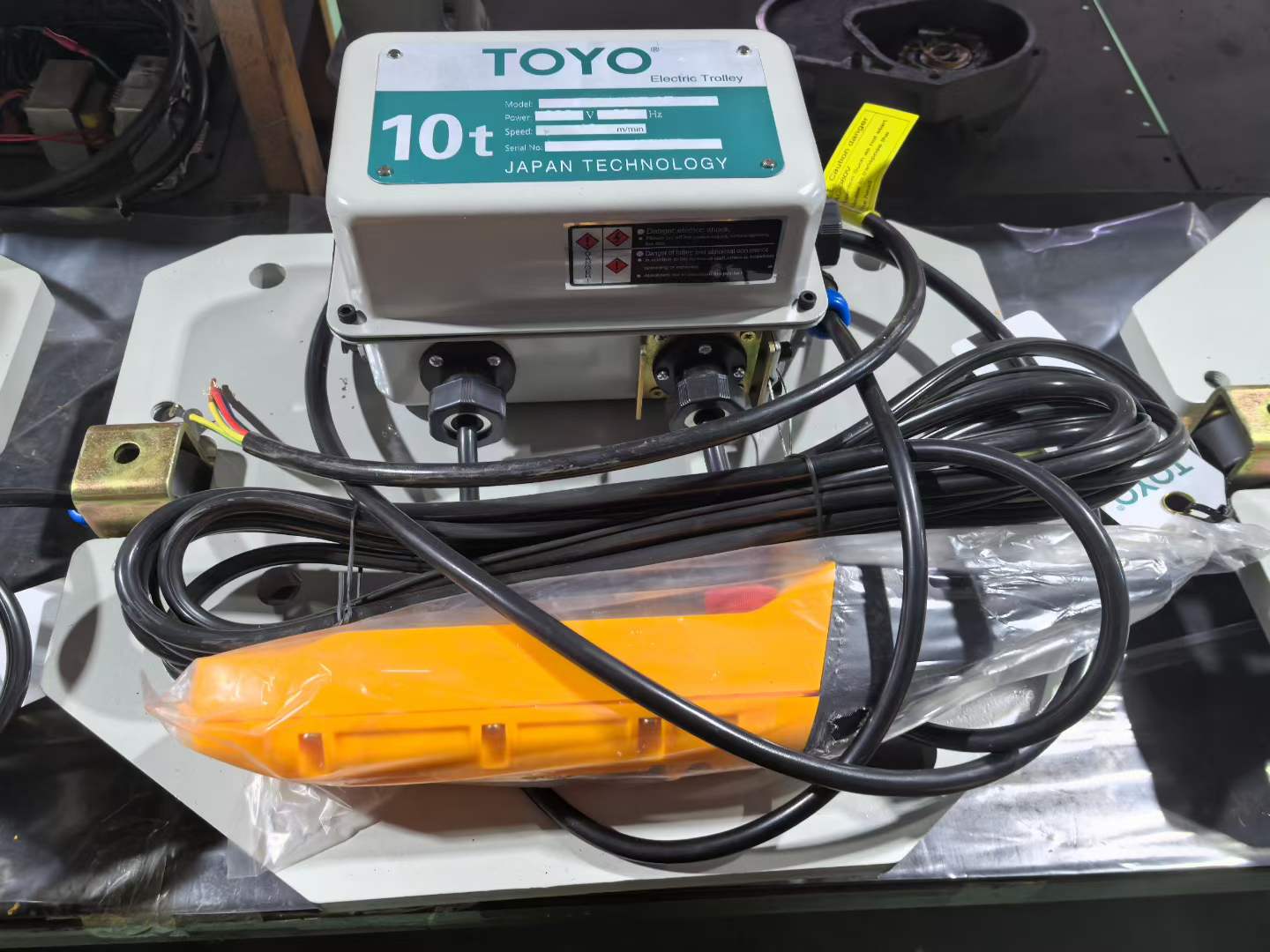
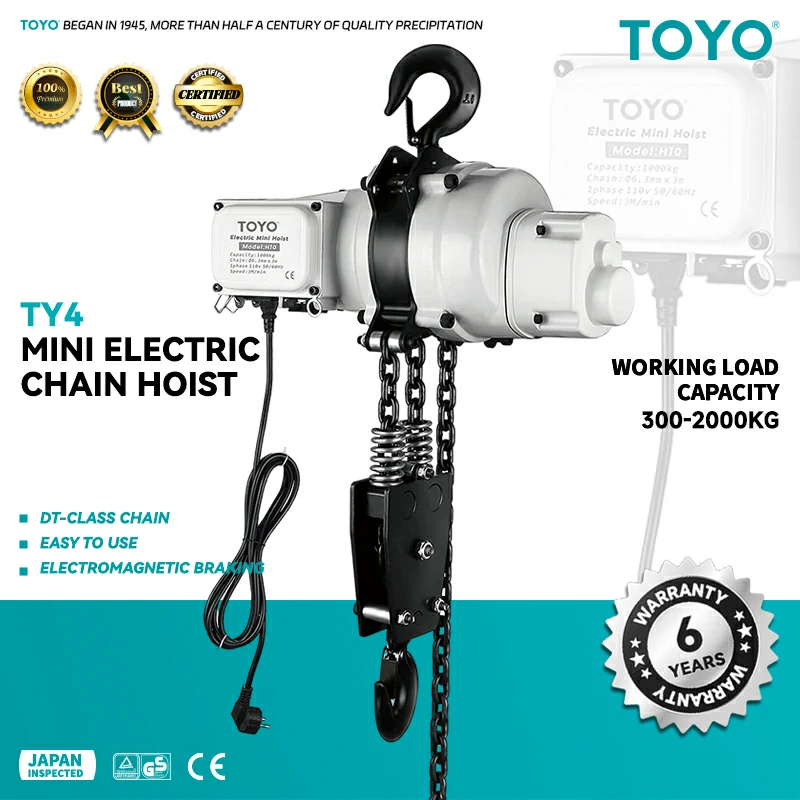
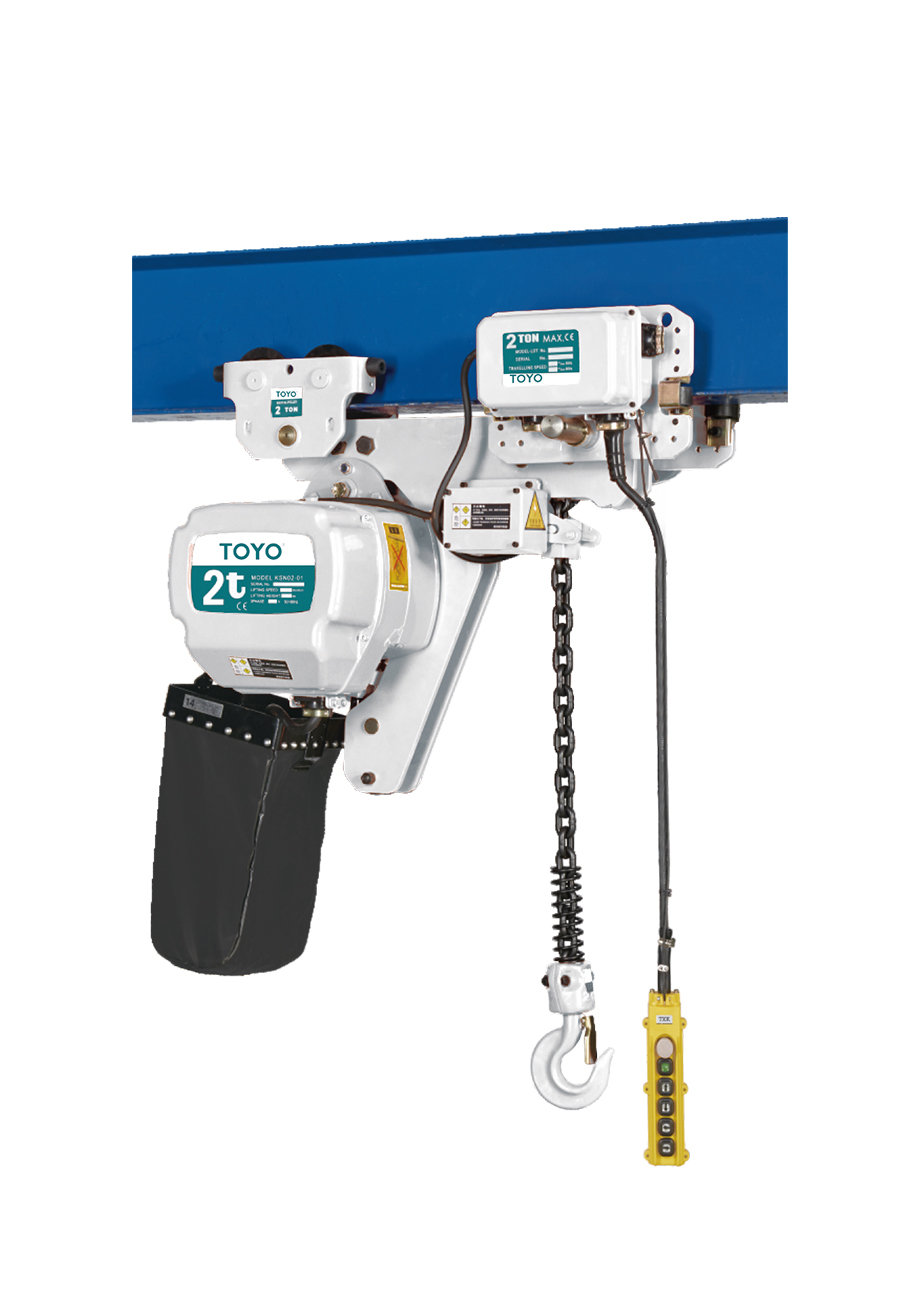
📌 Polipasto eléctrico de cadena
Nota técnica:
La corrosión suele comenzar en pequeños defectos superficiales. El óxido negro ayuda a ralentizar la oxidación en entornos controlados, pero no está diseñado para una exposición prolongada al aire libre.
Protección galvanizada para entornos exteriores adversos
La galvanización consiste en aplicar una capa de zinc que protege el acero mediante corrosión sacrificial.
Ventajas principales:
- Gran eficacia contra la oxidación
- Ideal para entornos al aire libre y costeros
- Larga vida útil
- Requiere poco mantenimiento
📌 Polipasto eléctrico para exteriores
Principales casos de uso:
- Obras de construcción
- Puertos y muelles
- Regiones con elevada humedad
Recubrimiento en polvo para la protección estructural
El recubrimiento en polvo se utiliza para las carcasas de los polipastos, las cubiertas de los motores y las cajas de control.
Ventajas principales:
- Alta resistencia a los impactos
- Resistencia a los rayos UV para uso en exteriores
- Gran adherencia y durabilidad
- Aspecto industrial limpio
El recubrimiento en polvo evita que la pintura se descascarille y retrasa el envejecimiento de la superficie provocado por la luz solar y la exposición a la intemperie.
Desgaste de la cadena: el factor limitante mecánico
El desgaste de la cadena es un proceso gradual provocado por los ciclos repetidos de elevación y el contacto por fricción.
Principales causas del desgaste de la cadena:
- Tensión incorrecta (demasiado floja o demasiado apretada)
- Sobrecarga por encima de la capacidad nominal
- Falta de lubricación
- Combinación de diferentes especificaciones de cadenas
- Funcionamiento continuo en condiciones de uso intensivo
Incluso con el tratamiento de óxido negro, la vida útil de la cadena sigue dependiendo en gran medida de un uso adecuado y de unas prácticas de lubricación correctas.
Repercusiones medioambientales en la vida útil de los polipastos eléctricos
1. Exposición a altas temperaturas
Las altas temperaturas aceleran el envejecimiento de los materiales y reducen la estabilidad de los recubrimientos.
Entre sus efectos se encuentran:
- Degradación más rápida del recubrimiento
- Resistencia reducida a los rayos UV
- Mayor estrés térmico en los componentes
- Vida útil reducida en uso al aire libre
2. Humedad y riesgo de corrosión
Los ambientes húmedos aceleran la oxidación, sobre todo en las juntas y los microarañazos.
3. Exposición a los rayos UV al aire libre
La exposición continua a la luz solar provoca:
- Decoloración de la pintura
- Grietas superficiales
- Disminución del rendimiento del recubrimiento con el paso del tiempo
Protección de superficies frente a condiciones de funcionamiento (conclusión clave)
| Factor | Riesgo principal | Método de protección |
|---|---|---|
| Corrosión | Formación de óxido | Galvanización |
| Desgaste por fricción | Alargamiento de la cadena | Lubricación + óxido negro |
| Exposición a los rayos UV | Envejecimiento del recubrimiento | Recubrimiento en polvo |
| Entornos hostiles | Daño combinado | Sistema anticorrosión |
Guía de selección: Cómo elegir la protección adecuada
Fabricación en interiores
- Cadenas de óxido negro
- Carcasa con recubrimiento en polvo
Obras de construcción
- Componentes galvanizados
- Estructura con recubrimiento en polvo
Aplicaciones costeras y marinas
- Galvanizado + sistema anticorrosión
Regiones de altas temperaturas
- Recubrimiento en polvo resistente a los rayos UV + protección de la ventilación
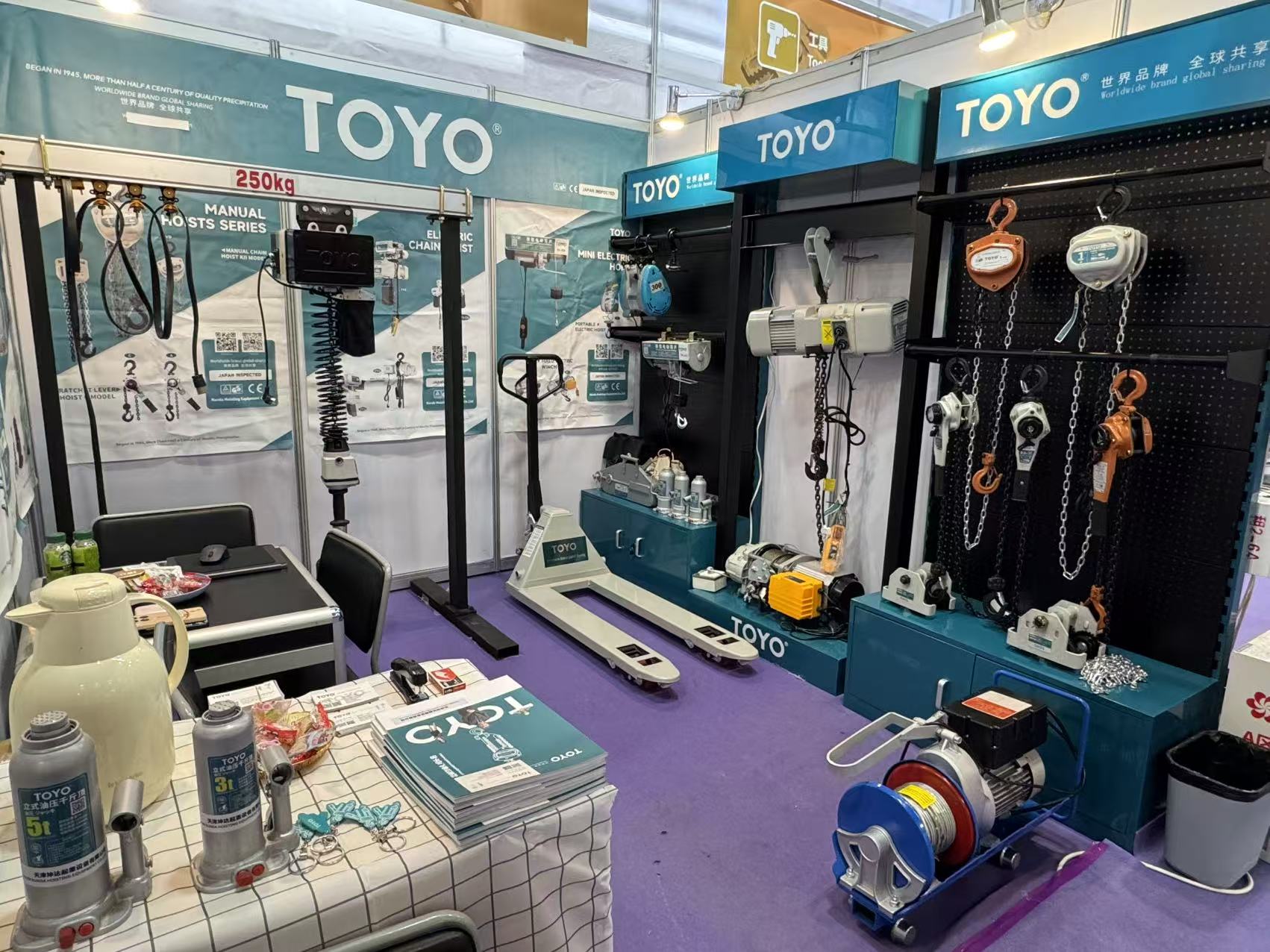
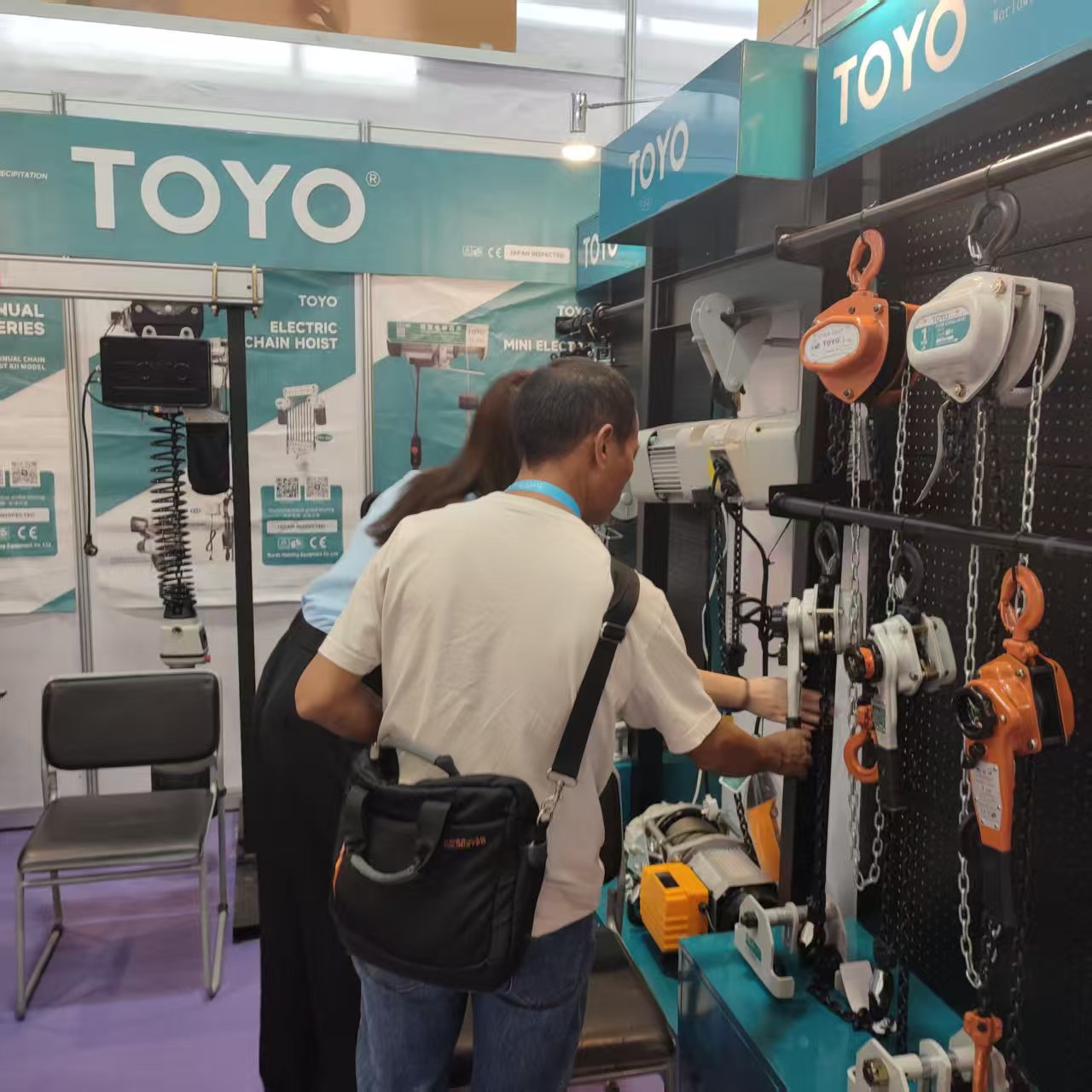
Soluciones de durabilidad de TOYO Engineering
Los polipastos eléctricos TOYO están diseñados con múltiples sistemas de protección en función de los requisitos de cada aplicación:
- Cadenas de carga con tratamiento de óxido negro
- Componentes estructurales galvanizados
- Carcasas resistentes con recubrimiento en polvo
- Sistemas de recubrimiento anticorrosivo opcionales
📌 Categoría de polipastos eléctricos TOYO
Estas decisiones de ingeniería garantizan un rendimiento estable en distintos entornos industriales de todo el mundo.
PREGUNTAS FRECUENTES
1. ¿Qué es lo que más influye en la durabilidad de un polipasto eléctrico?
El tratamiento de la superficie, el entorno de funcionamiento y el desgaste de la cadena son los tres factores principales que influyen en la vida útil de un polipasto eléctrico.
2. ¿Es suficiente el recubrimiento de óxido negro para los polipastos eléctricos de exterior?
No. El óxido negro es adecuado para entornos interiores. Las aplicaciones en exteriores requieren galvanización o recubrimientos anticorrosivos.
3. ¿Cómo se puede reducir el desgaste de la cadena?
Una lubricación adecuada, una tensión correcta y evitar la sobrecarga reducen considerablemente el desgaste de la cadena.
4. ¿Qué tratamiento superficial es el más adecuado para entornos hostiles?
La galvanización y los recubrimientos anticorrosivos ofrecen la mejor protección para entornos costeros e industriales.
Conclusión
La durabilidad de un polipasto eléctrico viene determinada por una combinación de factores, como la protección de la superficie, las condiciones ambientales y el desgaste mecánico.
Para conseguir la máxima vida útil, los usuarios deben seleccionar:
- Sistema de tratamiento de superficies
- Clasificación del entorno de aplicación
- Prácticas de mantenimiento
📌 Contacto
Para aplicaciones industriales exigentes, TOYO ofrece soluciones personalizadas de polipastos eléctricos diseñadas para garantizar fiabilidad y seguridad a largo plazo.