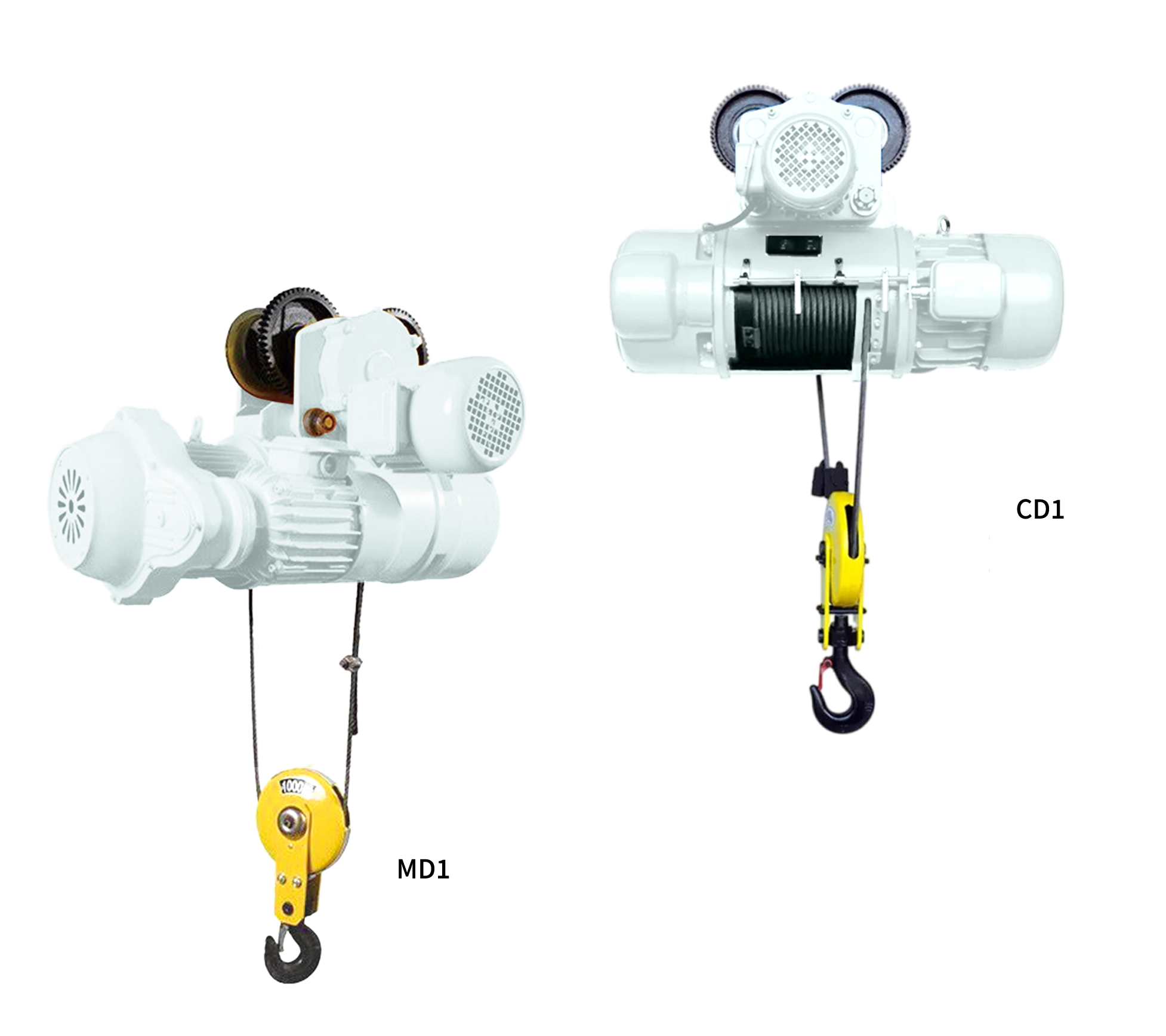
A la hora de elegir un polipasto eléctrico para aplicaciones de elevación industrial, los compradores suelen centrarse en la capacidad de elevación, la altura de elevación, la potencia del motor y la clase de trabajo. Sin embargo, el sistema de seguridad y control es igual de importante.
Un interruptor de fin de carrera es uno de los componentes clave que se utilizan para controlar el recorrido de un polipasto eléctrico. Ayuda a evitar que el mecanismo de elevación se desplace más allá de su posición de funcionamiento prevista y contribuye a que las operaciones de elevación sean más seguras y controladas.
En el caso de fábricas, talleres, almacenes, sistemas de grúas y otras aplicaciones industriales, comprender cómo funciona el interruptor de fin de carrera de un polipasto eléctrico puede ayudar a los compradores a tomar mejores decisiones a la hora de adquirir equipos.
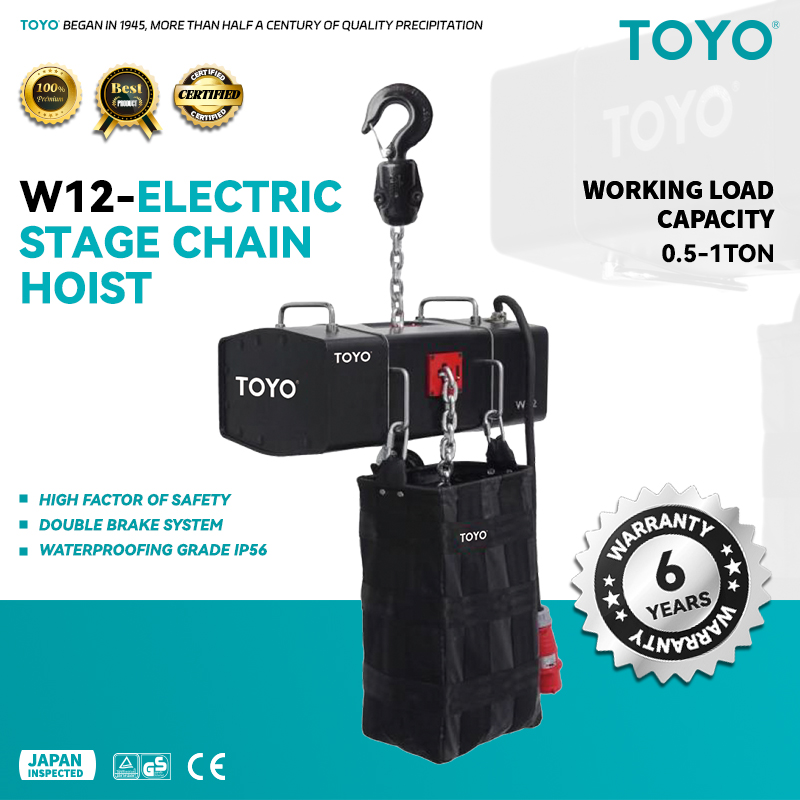
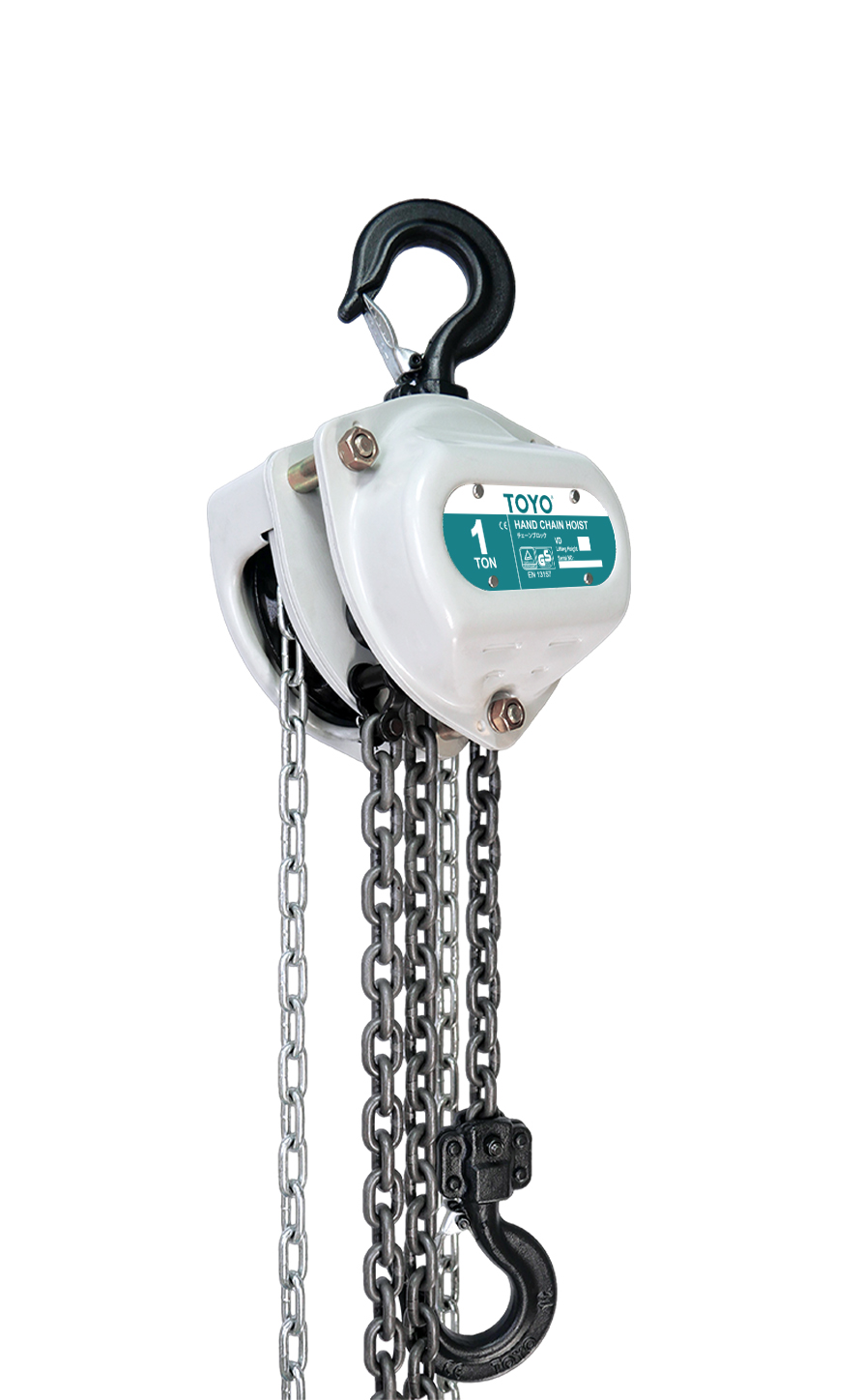
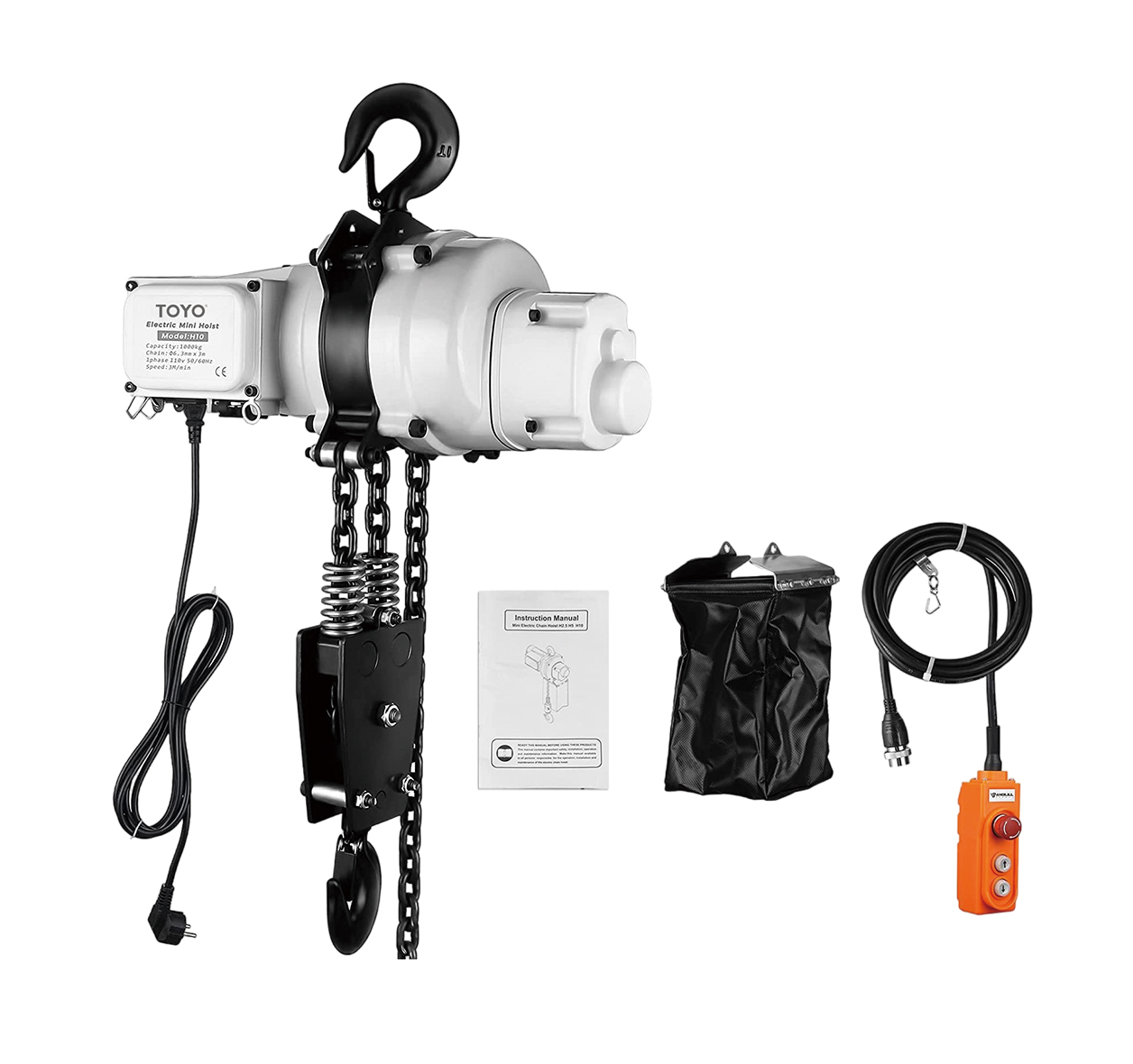
TOYO ofrece polipastos eléctricos para aplicaciones industriales, entre los que se incluyen polipastos eléctricos de cadena y polipastos eléctricos de cable diseñados para diferentes necesidades de elevación.
En esta guía se explica para qué sirve un interruptor de fin de carrera para polipastos eléctricos, cuáles son los tipos más habituales, cómo funciona y qué deben comprobar los compradores antes de adquirir equipos de elevación.
1. ¿Qué es un interruptor de fin de carrera para un polipasto eléctrico?
Un interruptor de fin de carrera para polipasto eléctrico es un dispositivo de control y seguridad diseñado para limitar el recorrido del mecanismo de elevación.
Durante el funcionamiento normal, el operario controla el polipasto mediante un mando colgante, un mando a distancia u otro sistema de control. Cuando el gancho o el mecanismo de elevación alcanzan una posición predeterminada, el interruptor de fin de carrera se activa e interrumpe el circuito de control correspondiente.
A continuación, el polipasto deja de desplazarse en esa dirección.
El objetivo fundamental es:
Para mantener el mecanismo de elevación dentro de su rango de funcionamiento previsto.
Un interruptor de fin de carrera correctamente configurado puede ayudar a reducir el riesgo de un recorrido excesivo y de interferencias mecánicas durante las operaciones de elevación.
2. ¿Por qué es importante un interruptor de fin de carrera?
Un polipasto eléctrico funciona dentro de un rango de elevación definido.
Si el mecanismo de elevación sigue moviéndose tras alcanzar la posición prevista, los componentes mecánicos y eléctricos podrían verse sometidos a una tensión innecesaria.
Por ejemplo, un recorrido ascendente excesivo puede hacer que el bloque de gancho se acerque demasiado al cuerpo del polipasto o a las estructuras circundantes. Un recorrido descendente excesivo también puede provocar problemas, dependiendo de la altura de elevación, la disposición del cable metálico o la configuración de la cadena.
Un interruptor de fin de carrera permite establecer un recorrido controlado.
Entre sus principales funciones se incluyen:
- Limitar el recorrido excesivo del gancho
- Reducción del riesgo de interferencias mecánicas
- Fomentar unas operaciones de elevación más seguras
- Mejora del control operativo
- Proteger el equipo contra desplazamientos inadecuados
- Ayuda a mantener unas posturas correctas al levantar peso
Sin embargo, un final de carrera es solo una de las partes que componen un sistema completo de seguridad para polipastos. No debe considerarse un sustituto de la protección contra sobrecargas, los sistemas de frenado, las inspecciones periódicas ni el funcionamiento correcto.
3. ¿Cómo funciona el interruptor de fin de carrera de un polipasto eléctrico?
El principio de funcionamiento es relativamente sencillo.
En primer lugar, el operario activa el mando de subida o bajada.
El motor acciona el mecanismo de elevación y mueve el gancho.
A medida que el gancho se acerca a una posición de desplazamiento predefinida, se activa el mecanismo de límite correspondiente.
A continuación, el circuito de control interrumpe la dirección de movimiento correspondiente.
El montacargas deja de desplazarse en esa dirección.
El mecanismo exacto puede variar en función del diseño del polipasto y del sistema de control. Por lo tanto, el interruptor de fin de carrera debe ajustarse, comprobarse y someterse a mantenimiento siempre de acuerdo con los requisitos técnicos del fabricante.
Los operadores no deben modificar los componentes relacionados con la seguridad sin la orientación técnica adecuada.
4. Tipos habituales de interruptores de fin de carrera para polipastos eléctricos
Los distintos polipastos eléctricos pueden utilizar diferentes configuraciones de interruptores de fin de carrera en función de su mecanismo de elevación y su aplicación.
Interruptor de límite superior
Un interruptor de límite superior controla el recorrido máximo hacia arriba del gancho.
Cuando el gancho alcanza la posición superior predefinida, el circuito de control correspondiente interrumpe cualquier movimiento ascendente posterior.
Esta función resulta especialmente importante cuando el espacio libre es limitado o cuando el gancho debe permanecer dentro de una zona de trabajo específica.
Interruptor de límite inferior
Una función de límite inferior controla el recorrido descendente del mecanismo de elevación.
La disposición exacta depende del diseño del polipasto, la altura de elevación, la configuración del cable o la cadena y otros factores técnicos.
En el caso de los polipastos eléctricos de cable, el límite inferior de recorrido debe tenerse en cuenta junto con la altura real de elevación y la disposición del pasacables.
Sistema de límites superior e inferior
Algunas aplicaciones de elevación industrial requieren límites de recorrido tanto en la parte superior como en la inferior.
Esto permite que el polipasto funcione dentro de un rango de trabajo definido y resulta útil para operaciones de elevación repetitivas.
A la hora de adquirir un polipasto eléctrico, los compradores deben comprobar qué funciones de límite se incluyen en la configuración estándar y cuáles pueden requerir una configuración específica.
5. Interruptor de fin de carrera frente a protección contra sobrecargas
Un final de carrera y un dispositivo de protección contra sobrecargas cumplen funciones diferentes.
| Función de seguridad | Objetivo principal |
|---|---|
| Interruptor de fin de carrera | Controla la posición de desplazamiento permitida |
| Protección contra sobrecargas | Ayuda a evitar que se levante una carga superior a la nominal |
| Sistema de frenos | Detiene y sujeta la carga suspendida |
| Parada de emergencia | Detiene el funcionamiento del equipo en caso de emergencia |
| Protección del motor | Ayuda a proteger el motor frente a determinadas situaciones eléctricas |
Un polipasto eléctrico fiable debe evaluarse como un sistema de elevación completo, en lugar de basarse únicamente en un componente de seguridad concreto.
Esta distinción es especialmente importante para los compradores industriales que comparan diferentes fabricantes de polipastos eléctricos.
6. ¿Qué deben comprobar los compradores antes de realizar un pedido?
A la hora de comprar un polipasto eléctrico, no basta con preguntar simplemente si incluye un final de carrera.
Los compradores deben confirmar la configuración completa del equipo.
1. Capacidad de elevación
Comprueba la capacidad de elevación nominal necesaria en función de la carga real y las condiciones de funcionamiento.
No elijas un polipasto simplemente sumando un porcentaje arbitrario al peso de la carga. La elección definitiva debe tener en cuenta las características de la carga, las condiciones de trabajo, los requisitos de funcionamiento y la normativa aplicable.
2. Altura de elevación
La altura de elevación necesaria influye directamente en el alcance de funcionamiento del polipasto.
Las distintas aplicaciones pueden requerir diferentes alturas de elevación. Por ejemplo, los polipastos eléctricos de cable de acero TOYO CD1 pueden configurarse para alturas de elevación de 6 m, 9 m, 12 m, 18 m, 24 m, 30 m y 36 m, dependiendo del modelo y la configuración seleccionados.
La función de límite debe ajustarse a la configuración real del sistema de elevación y a las condiciones de instalación.
3. Frecuencia de trabajo
Un polipasto que se utiliza ocasionalmente para tareas de mantenimiento tiene requisitos distintos a los de uno que funciona de forma continua en una línea de producción.
Considéralo:
- Ciclos de elevación por hora
- Horario de apertura diario
- Distribución de la carga
- Clase trabajadora necesaria
- Condiciones ambientales
4. Sistema de control
El interruptor de fin de carrera debe funcionar correctamente con el sistema de control del polipasto.
Antes de realizar el pedido, comprueba lo siguiente:
- Método de control
- Colgante o mando a distancia
- Tensión de control
- Funciones de límite superior e inferior
- Dispositivo de parada de emergencia
- Configuración de los componentes eléctricos
5. Entorno laboral
El entorno puede influir en la configuración necesaria del equipo.
Valora si el polipasto funcionará:
- En interiores
- Al aire libre
- En entornos polvorientos
- En condiciones de humedad
- En zonas con altas temperaturas
- En entornos corrosivos
En entornos exigentes, los compradores deben consultar con el fabricante la protección de la carcasa, los componentes eléctricos, la protección contra la corrosión, las condiciones de temperatura y otros requisitos especiales.
7. Ejemplo: Polipasto eléctrico de cable TOYO CD1
Una forma práctica de comprender la importancia de la configuración de los interruptores de fin de carrera es fijarse en un producto industrial de elevación real.
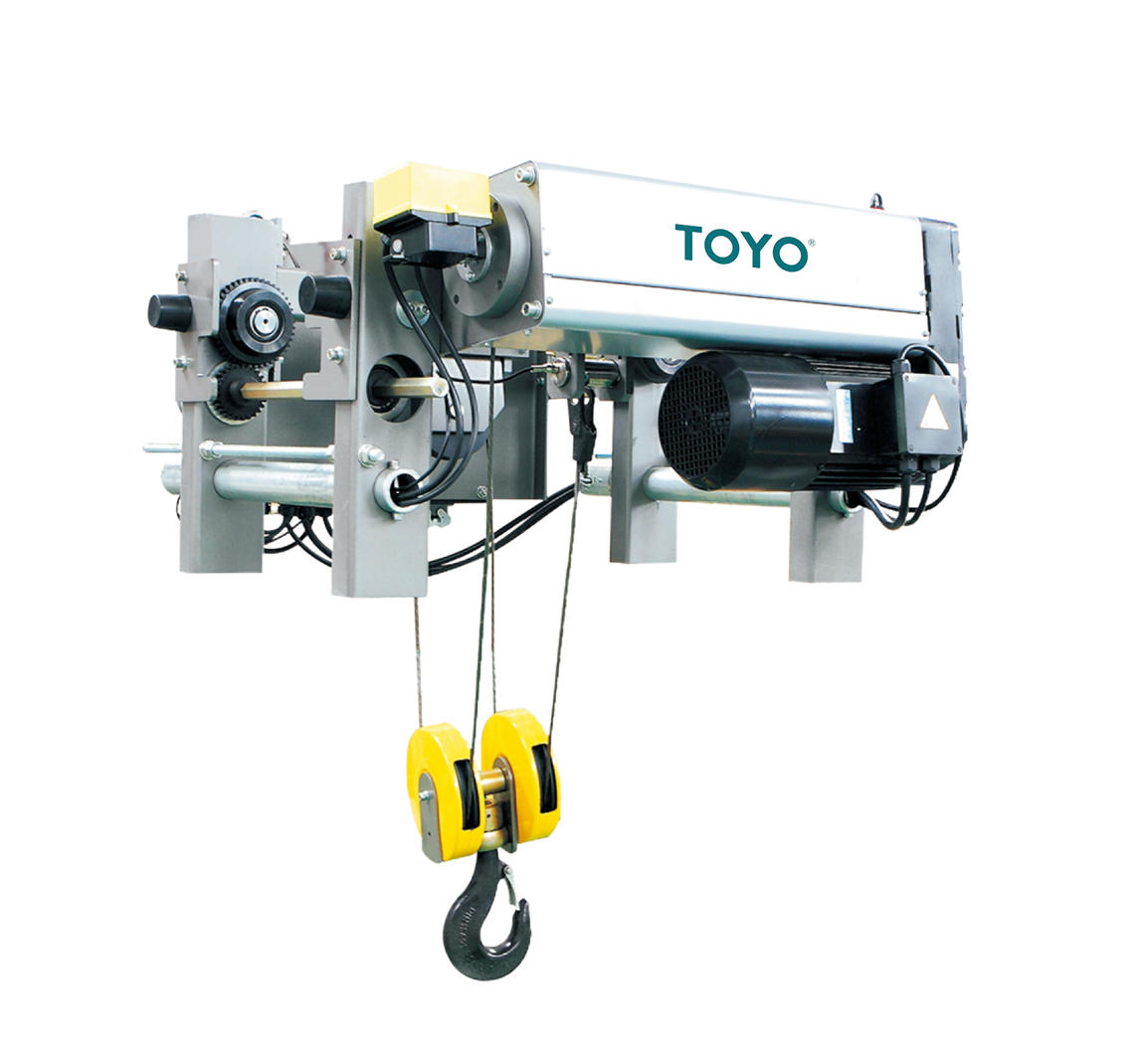
En Polipasto eléctrico de cable de acero TOYO CD1 Es una solución de elevación eléctrica de tamaño medio diseñada para aplicaciones industriales de manipulación de materiales.
En función de la configuración seleccionada, la serie CD1 puede suministrarse con diferentes alturas de elevación, lo que permite que el equipo se adapte a distintos requisitos de instalación y funcionamiento.
Información sobre la configuración típica del CD1
| Especificación | Polipasto eléctrico de cable de acero CD1 |
| Tipo de producto | Polipasto eléctrico de cable metálico |
| Altura de elevación | 6 m, 9 m, 12 m, 18 m, 24 m, 30 m, 36 m |
| Mecanismo de elevación | Cable metálico |
| Aplicación | Manipulación industrial de materiales |
| Instalación | Según la configuración del polipasto y la grúa |
| Sistema de control | Según la configuración seleccionada |
| Función límite | Según la configuración seleccionada |
Importante: La configuración técnica definitiva deberá confirmarse en función del modelo concreto, la capacidad de elevación, la altura de elevación, la fuente de alimentación, la clase de trabajo, el método de instalación y los requisitos del proyecto.
Para aquellos clientes que necesiten una configuración diferente del polipasto de cable, TOYO también ofrece Soluciones europeas de polipastos eléctricos de cable metálico para aplicaciones industriales.
8. Polipasto eléctrico de cadena frente a polipasto de cable metálico
La disposición adecuada de los interruptores de fin de carrera también depende del tipo de polipasto eléctrico.
En polipasto eléctrico de cadena Se suele elegir para aplicaciones de elevación compactas, talleres, líneas de producción, estaciones de mantenimiento y manipulación general de materiales.
A menudo se opta por un polipasto eléctrico de cable metálico para aplicaciones que requieren mayores capacidades de elevación, mayores alturas de elevación o la integración con sistemas de grúas puente.
| Artículo | Polipasto eléctrico de cadena | Polipasto eléctrico de cable |
| Aplicación típica | Talleres, fábricas, mantenimiento | Industria pesada, sistemas de grúas |
| Mecanismo de elevación | Cadena de carga | Cable metálico |
| Estructura | Compacto | Configuración industrial a mayor escala |
| Altura de elevación típica | Corto a medio | De medio a alto |
| Enfoque de la aplicación | Elevación flexible | Manipulación de materiales para uso intensivo |
La selección definitiva debe basarse siempre en la carga real, la altura de elevación, la frecuencia de trabajo, las condiciones de instalación y la configuración requerida del equipo.
9. Inspección y mantenimiento de los interruptores de fin de carrera
Dado que un interruptor de fin de carrera es un componente relacionado con la seguridad, debe incluirse en el programa de inspección y mantenimiento periódico.
Los operadores y el personal de mantenimiento deben comprobar lo siguiente:
- Funcionamiento anómalo del interruptor
- Daños mecánicos
- Conexiones eléctricas sueltas
- Cables dañados
- Corrosión
- Posición de parada incorrecta
- Ruidos o movimientos inusuales
- Modificaciones no autorizadas
La función de límite debe someterse a pruebas de acuerdo con los procedimientos de mantenimiento del fabricante.
Si el interruptor de fin de carrera no funciona como se espera, se debe interrumpir el funcionamiento normal hasta que el personal cualificado haya investigado y solucionado el problema.
Las inspecciones periódicas y el mantenimiento documentado pueden contribuir a mantener un rendimiento fiable del equipo a lo largo de la vida útil del polipasto.
10. ¿Por qué elegir un fabricante profesional de polipastos eléctricos?
El interruptor de fin de carrera es solo uno de los componentes de un polipasto eléctrico.
La fiabilidad general de los equipos de elevación también depende del motor, la caja de cambios, el sistema de frenos, el mecanismo de elevación, los componentes eléctricos, el sistema de control, la calidad de fabricación, los procedimientos de inspección y la correcta configuración del equipo.
Por este motivo, los compradores deben evaluar al fabricante con el mismo cuidado con el que evalúan las especificaciones del producto.
Entre los factores importantes se encuentran:
- Experiencia en el sector de la fabricación
- Gama de productos
- Control de calidad
- Asistencia técnica
- Disponibilidad de piezas de recambio
- Capacidad de fabricación para fabricantes de equipos originales (OEM)
- Experiencia en exportación
- Servicio posventa
TOYO ofrece control de calidad e inspección de productos a lo largo de todo el proceso de fabricación de sus equipos de elevación.
TOYO también ofrece apoyo a Soluciones de elevación OEM y personalizadas para distribuidores, contratistas y clientes industriales.
Conclusión
Un polipasto eléctrico es mucho más que un motor y un mecanismo de elevación. Un sistema de elevación completo debe adaptarse a la carga real, la altura de elevación, la frecuencia de trabajo, el entorno de instalación, los requisitos de control y la configuración de seguridad.
El interruptor de fin de carrera desempeña un papel importante al controlar el recorrido permitido del mecanismo de elevación.
Por lo tanto, a la hora de seleccionar un polipasto eléctrico, los compradores deben comprobar no solo la capacidad de elevación y la altura de elevación, sino también el sistema de finales de carrera, la protección contra sobrecargas, el sistema de frenos, la configuración de los mandos, la clase de trabajo y los requisitos de seguridad aplicables.
Al evaluar la configuración completa del equipo, los compradores pueden elegir la solución de elevación que mejor se adapte a su aplicación concreta.
¿Buscas un polipasto eléctrico de cable o un polipasto eléctrico de cadena para tu proyecto?
Póngase en contacto con TOYO para obtener las especificaciones técnicas y un presupuesto.
Preguntas frecuentes
1. ¿Cuál es la función principal de un final de carrera de un polipasto eléctrico?
Un interruptor de fin de carrera del polipasto eléctrico controla el recorrido del mecanismo de elevación y ayuda a evitar que el gancho se desplace más allá de una posición de funcionamiento predefinida.
2. ¿Es lo mismo un interruptor de fin de carrera que una protección contra sobrecargas?
No. Un interruptor de fin de carrera controla la posición de recorrido, mientras que la protección contra sobrecargas se encarga de las cargas de elevación excesivas. Desempeñan funciones de seguridad diferentes.
3. ¿Utilizan los polipastos eléctricos de cadena y los polipastos de cable el mismo sistema de interruptores de fin de carrera?
No necesariamente. La configuración depende del diseño del polipasto, del mecanismo de elevación, del sistema de control y de los requisitos de la aplicación.
4. ¿Qué datos debo facilitar al solicitar un presupuesto para un polipasto eléctrico?
Indique la capacidad de elevación requerida, la altura de elevación, la frecuencia de trabajo, la fuente de alimentación, el método de instalación, el entorno de trabajo y cualquier requisito especial de control o seguridad.
5. ¿Se puede ajustar el interruptor de fin de carrera?
Los procedimientos de ajuste dependen del diseño específico del polipasto. Cualquier ajuste debe realizarse siguiendo la documentación técnica del fabricante y debe ser llevado a cabo por personal cualificado.
6. ¿Ofrece TOYO soluciones personalizadas de polipastos eléctricos?
Sí. TOYO ofrece polipastos eléctricos de cadena, polipastos eléctricos de cable, colaboración con fabricantes de equipo original (OEM) y soluciones de elevación a medida para clientes industriales y distribuidores.