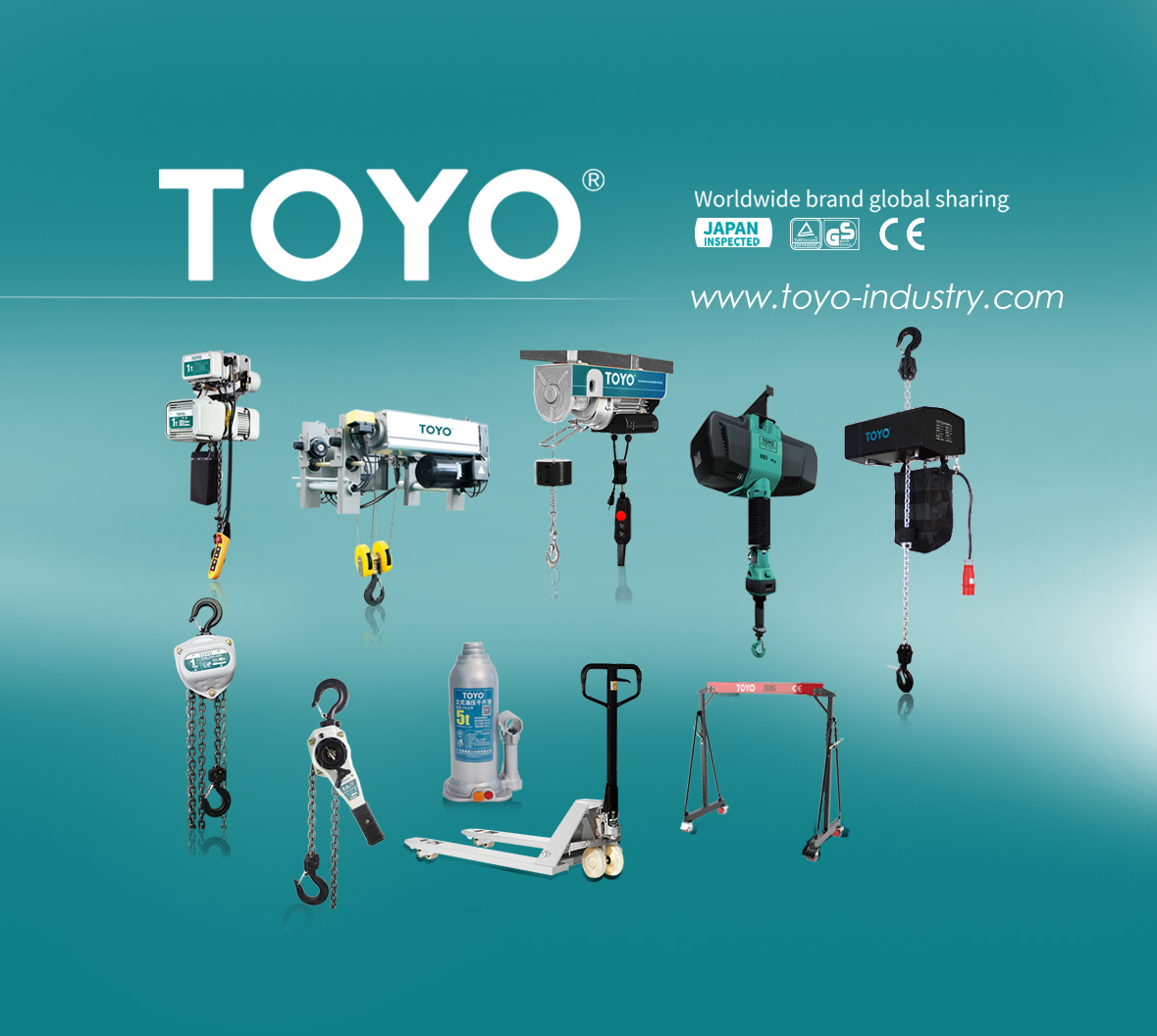
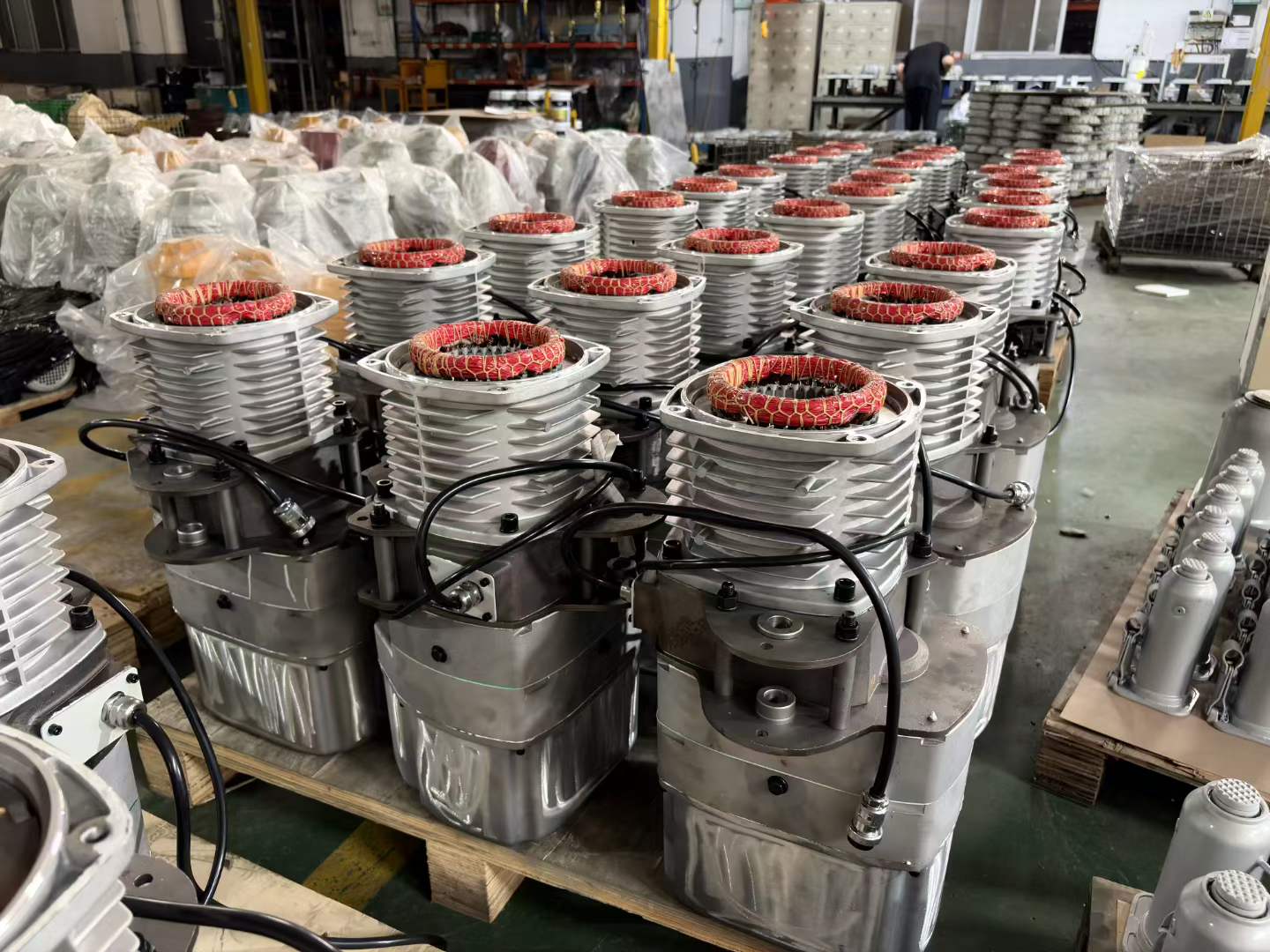
Choosing the right hoist trolley is essential for efficient and safe material handling in factories, warehouses, workshops, and industrial facilities. The right trolley allows a hoist and its suspended load to move horizontally along a suitable beam or track, helping operators position loads where they are needed.
However, not every trolley is suitable for every application. Buyers need to consider the load capacity, beam dimensions, travel distance, operating frequency, available power supply, and compatibility with the selected hoist.
In this guide, we explain the differences between plain trolleys, geared trolleys, and motorized trolley systems, and outline the key factors to check before purchasing.
1. What Is a Hoist Trolley?
A hoist trolley is a mechanical or powered device that travels along a compatible beam or track. It supports a hoist and enables horizontal load movement, while the hoist performs the vertical lifting and lowering.
Hoist trolleys are commonly used in manufacturing plants, maintenance workshops, warehouses, equipment installation areas, and other industrial environments.
Depending on the design, trolley movement may be controlled by pushing the suspended load, operating a hand chain, or using a powered travel mechanism.
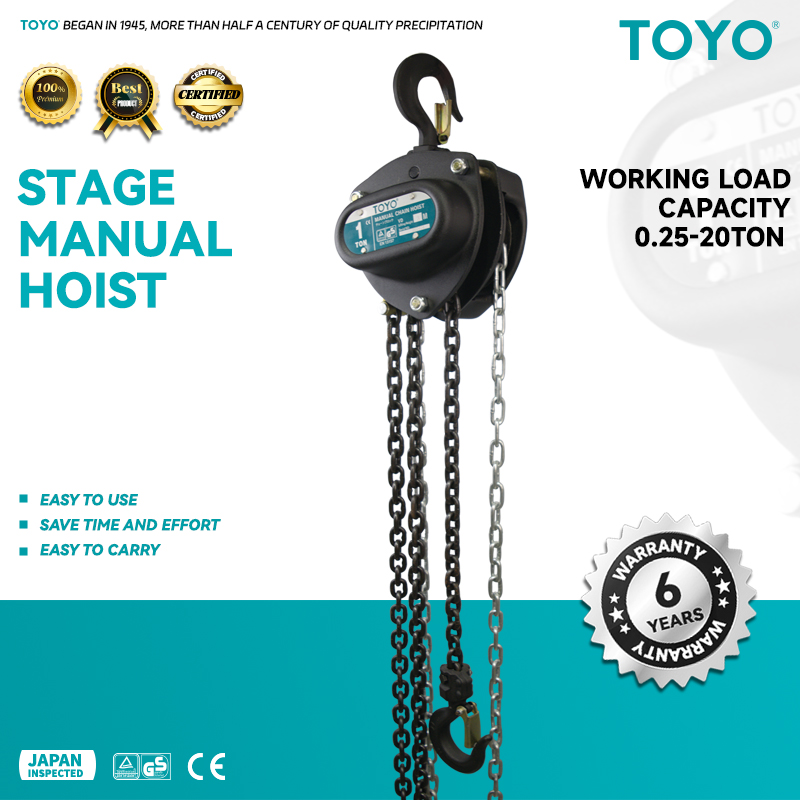
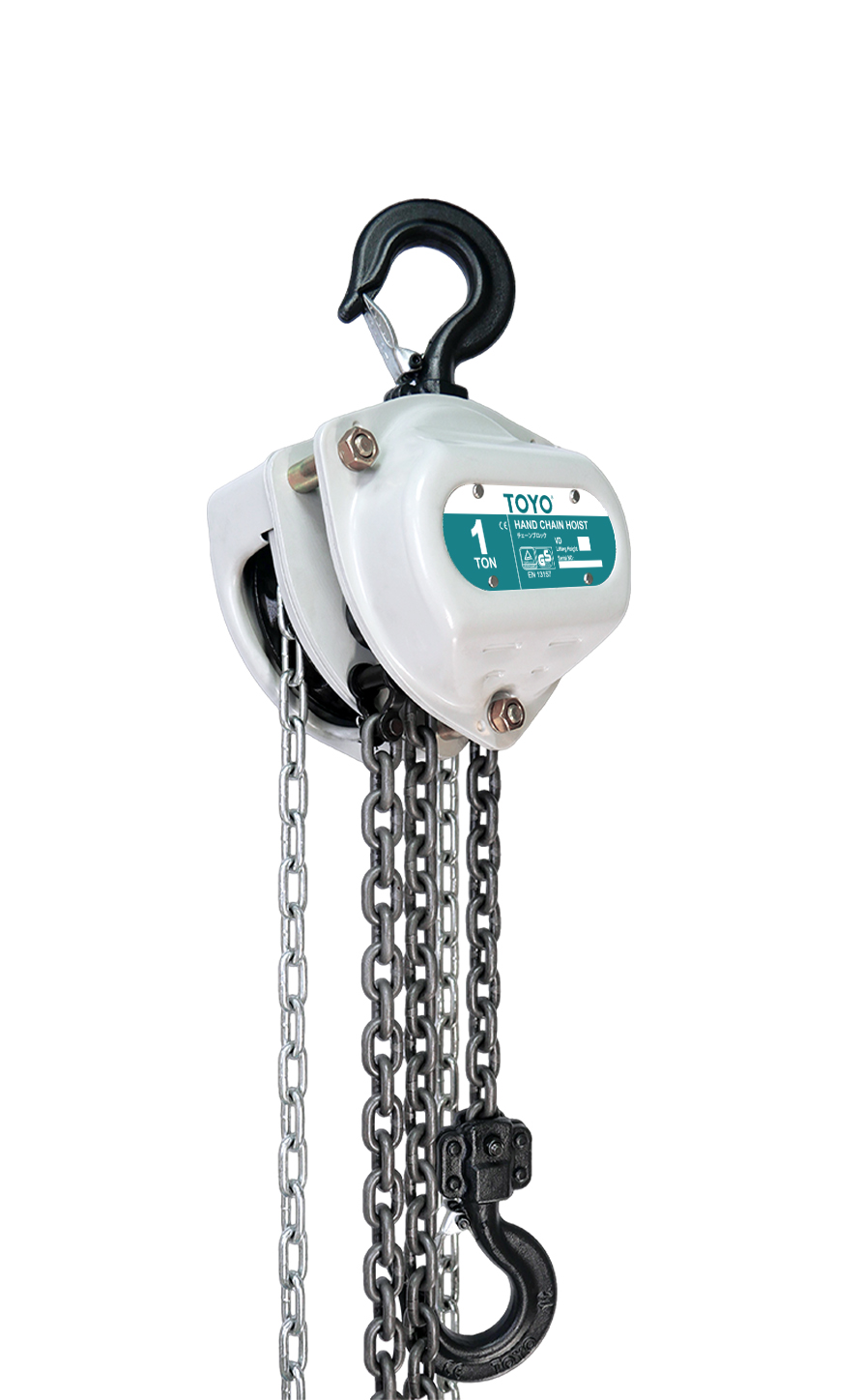
For manual lifting applications, explore TOYO’s manual chain hoist and trolley product range.
2. Plain Trolley vs. Geared Trolley vs. Electric Trolley
The main difference between these systems is how horizontal movement is controlled. The best option depends on the application rather than on one feature alone.
Chariot ordinaire
A plain trolley, also called a push trolley, moves along a compatible beam through manual pushing or pulling. Its relatively simple operating mechanism makes it suitable for applications where loads need to be repositioned occasionally.
Typical advantages:
-
Simple manual operation.
-
No electrical power required for trolley travel.
-
Suitable for many workshops and maintenance applications.
-
Practical for applications where travel is occasional and distances are manageable.
What to consider: The force required to move a load depends on factors such as the load, wheel and bearing condition, beam alignment, and track condition. Operators must follow the manufacturer’s operating instructions and never move a suspended load in a way that creates uncontrolled movement.
For a product example, see the TOYO GCT-C Plain Trolley.
Chariot à engrenages
A geared trolley uses a hand-operated chain and gearing mechanism to control horizontal travel. It can be useful when operators need more controlled movement than a simple push trolley provides.
Typical advantages:
-
Hand-chain-controlled travel.
-
Useful for positioning loads along a compatible beam.
-
No electrical power required for trolley travel.
-
Suitable for selected industrial lifting and maintenance applications.
What to consider: A geared trolley is still manually operated. Buyers should assess travel distance, operating frequency, load characteristics, and the effort required during normal use.
Découvrez le TOYO GCL-A Geared Trolley or the TOYO GCL-C Geared Trolley for product details and specifications.
Electric or Motorized Trolley System
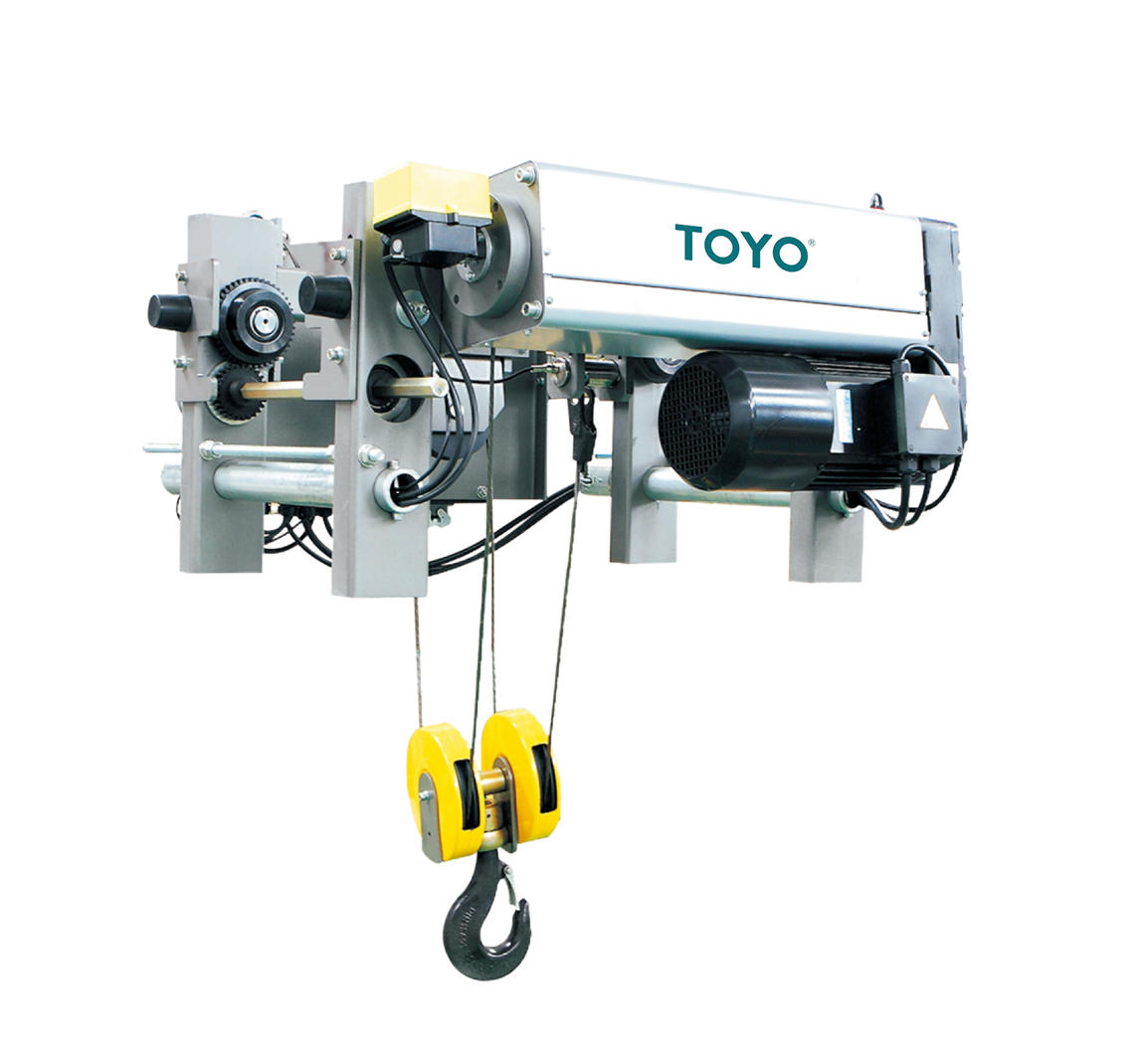
A motorized trolley uses a powered travel mechanism to move a compatible hoist horizontally along its track. Depending on the configuration, the hoist and trolley may be supplied as an integrated system or as compatible components.
Typical advantages:
-
Powered horizontal travel.
-
Reduced need for manual trolley movement.
-
Potentially more efficient for frequent or repetitive load transfers.
-
Suitable for applications where the required travel and operating conditions match the equipment specifications.
What to consider: Confirm the power supply, travel speed, control arrangement, duty requirements, braking provisions, track compatibility, and the manufacturer’s permitted configuration. Not every electric hoist includes powered horizontal travel.
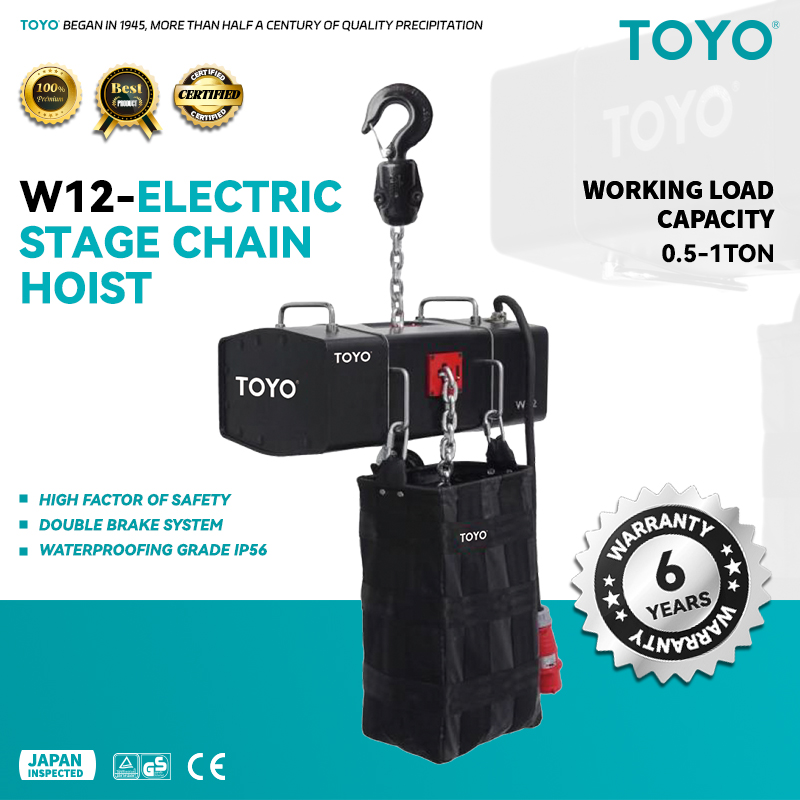
To explore powered lifting options, visit TOYO’s gamme de palans électriques. Confirm whether the required model is available with a compatible motorized trolley or travel system.
3. Comparison Table: Which Hoist Trolley Should You Choose?
| Selection factor | Plain trolley | Geared trolley | Motorized trolley |
|---|---|---|---|
| Travel operation | Manual pushing or pulling | Manual hand-chain operation | Powered travel |
| External power for travel | Not normally required | Not normally required | Required |
| Operator involvement | Manuel | Manuel | Controls powered movement |
| Typical consideration | Simplicity and occasional movement | Controlled manual positioning | Frequent or repetitive travel |
| Important checks | Load, beam fit, movement resistance | Load, beam fit, hand-chain operation | Power, controls, braking, travel specifications |
| Best choice depends on | Application and operating conditions | Positioning requirements and operating effort | Travel frequency and system requirements |
This comparison is a general selection guide. Actual performance, permissible loads, and available features depend on the specific trolley model and its documentation.
4. Six Key Factors to Check Before Buying a Hoist Trolley
4.1 Rated Load Capacity
Start by confirming the maximum load that the complete lifting arrangement must handle.
The trolley, hoist, suspension components, beam, supporting structure, and associated accessories must all be suitable for the intended application. A trolley’s rated capacity does not automatically establish the safe working capacity of the entire system.
Never select a trolley based only on the weight of the hoist or the average weight of the loads being handled. Consider the maximum intended load and the configuration specified by the manufacturer.
4.2 Beam Width and Compatibility
Beam compatibility is one of the most important checks when purchasing a trolley.
Before placing an order, identify the beam type and verify the relevant dimensions, including flange width and thickness where applicable. Check the trolley’s permitted adjustment range and confirm that the beam profile is suitable for the product.
For example, TOYO’s GCT-C Chariot simple features an adjustable configuration for compatible I-beams. Buyers should consult the model’s specifications rather than assume that one trolley fits every beam.
Also confirm that the trolley wheels can travel along the intended track and that any bends, curves, stops, or transitions are permitted by the manufacturer.
4.3 Lifting Height and Available Headroom
Lifting height and headroom are different measurements.
-
Hauteur de levage is the vertical distance through which the hoist is designed to raise or lower a load.
-
Hauteur de chute refers to the vertical space occupied by the hoist and its suspension arrangement between the supporting structure and the lifting point, according to the manufacturer’s specified measurement.
When space is limited, compare the overall dimensions of the trolley-and-hoist assembly, not just the hoist body. Confirm the required hook position, available clearance, and lifting height before ordering.
4.4 Travel Distance and Operating Frequency
Consider how far and how often loads must travel.
For occasional movement over a manageable distance, a manual trolley may be suitable. Where operators need controlled manual positioning, a geared trolley may be worth considering. For frequent, repetitive travel, a powered system may reduce manual handling effort.
However, operating frequency alone is not enough to select equipment. The complete system must also meet the required duty, speed, load, and environmental specifications.
4.5 Hoist and Trolley Compatibility
A hoist and trolley should be treated as a coordinated lifting system.
Check the suspension arrangement, mounting dimensions, load capacity, headroom, and any model-specific compatibility requirements. If a hoist and trolley are purchased separately, obtain confirmation that they can be used together in the intended configuration.
For manual lifting applications, compare the available options in TOYO’s manual chain hoist range. For powered lifting, review the relevant electric hoist range and confirm the appropriate travel arrangement with the supplier.
4.6 Working Environment and Maintenance
The working environment can affect equipment selection and service life.
Consider dust, moisture, temperature, corrosive substances, operating conditions, and the maintenance resources available at the site. Verify that the selected product is suitable for the actual environment rather than assuming that a general-purpose trolley can be used in every condition.
Routine inspections and maintenance should follow the manufacturer’s instructions. Check the wheels, bearings, hand chain or travel mechanism, fasteners, and other specified components. Remove defective equipment from service until it has been assessed and, where necessary, repaired by qualified personnel.
For application-specific equipment or configuration requirements, TOYO also provides an OEM customization service.
5. Common Mistakes When Selecting a Hoist Trolley
Avoid these common purchasing mistakes:
Choosing by rated load alone. A trolley may have an appropriate capacity but still be incompatible with the beam or hoist.
Ignoring beam dimensions. Always confirm the beam profile and relevant dimensions against the product specifications.
Assuming every electric hoist has powered travel. Electric lifting and electric horizontal travel are separate functions. Verify the actual configuration.
Overlooking headroom. A system that fits the rated load may still be unsuitable if the available vertical clearance is insufficient.
Ignoring operating frequency. Equipment used for repetitive production work may require a different solution from equipment used for occasional maintenance.
Failing to confirm the complete system. Check the compatibility and suitability of the hoist, trolley, beam, suspension arrangement, and supporting structure.
A clear specification review before ordering helps reduce mismatches, delays, and unnecessary replacement costs.
6. Which Hoist Trolley Is Best for Your Application?
The following examples provide a starting point for selection:
-
Maintenance workshop: A plain trolley may be suitable when loads are moved occasionally and manual travel is appropriate.
-
Equipment installation: A geared trolley may be considered when controlled manual positioning is required along a compatible beam.
-
Production line or repetitive material transfer: A motorized trolley system may be appropriate when powered travel is needed and the system is designed for the required duty.
-
Space-constrained installation: Compare the complete assembly’s headroom and dimensions before choosing a model.
-
Distributor or OEM procurement: Confirm model availability, capacity range, beam compatibility, documentation, and customization requirements before placing an order.
These are general examples, not universal rules. The final selection should be based on the actual load, operating conditions, installation dimensions, and manufacturer’s specifications.
7. What Information Should You Provide When Requesting a Hoist Trolley Quote?
To help a supplier recommend a suitable product, prepare the following information:
-
Required rated capacity: The maximum intended load and any relevant system requirements.
-
Beam details: Beam type, flange width, flange thickness, and other relevant dimensions.
-
Travel method: Plain, geared, or powered horizontal travel.
-
Hoist requirements: Manual or electric lifting, required lifting height, and suspension arrangement.
-
Operating conditions: Travel distance, operating frequency, working environment, and any special requirements.
-
Quantity and destination: Required quantity, delivery destination, and any documentation or customization needs.
Providing these details at the beginning can make product matching and quotation more efficient.
Questions fréquemment posées
1. What is the difference between a plain trolley and a geared trolley?
A plain trolley is moved by manually pushing or pulling the suspended load, while a geared trolley uses a hand-operated chain and gearing mechanism to control travel. The appropriate choice depends on the application, operating effort, and positioning requirements.
2. Is an electric hoist trolley the same as an electric hoist?
No. An electric hoist raises and lowers loads using powered lifting components. A motorized trolley provides powered horizontal movement along a compatible beam or track. Some systems combine both functions, but buyers should confirm the actual configuration before ordering.
3. How do I choose the correct trolley capacity?
Start with the maximum intended load, then verify the rated capacity of the trolley and the suitability of the complete lifting system, including the hoist, suspension, beam, and supporting structure. Follow the manufacturer’s specifications and applicable requirements.
4. Can one trolley fit different I-beam widths?
Some models provide an adjustment mechanism for a specified range of beam widths. This does not mean they fit all I-beams. Check the model’s adjustment range, beam profile requirements, and other dimensional limits before installation.
5. Can I use a manual chain hoist with a trolley?
A manual chain hoist can be used with a suitable compatible trolley when the hoist’s suspension arrangement and the trolley are designed for that configuration. Confirm capacity, mounting compatibility, headroom, and the manufacturer’s instructions before use.
6. What information is needed for a hoist trolley quotation?
Provide the required capacity, beam dimensions, travel method, hoist type, lifting height, operating frequency, working environment, quantity, and delivery destination. Drawings or photographs of the installation can also help clarify the requirements.
Choose the Right Hoist Trolley with TOYO
Selecting a hoist trolley involves more than choosing a capacity. Beam compatibility, travel method, lifting configuration, available headroom, and operating conditions all matter when specifying a suitable lifting solution.
TOYO offers lifting and material handling equipment for industrial applications. Review our plain trolley and geared trolley products to compare available options.
For product specifications, compatibility checks, or a quotation, Contacter TOYO and provide your application details.
TOYO — Professional Lifting & Material Handling Solutions.