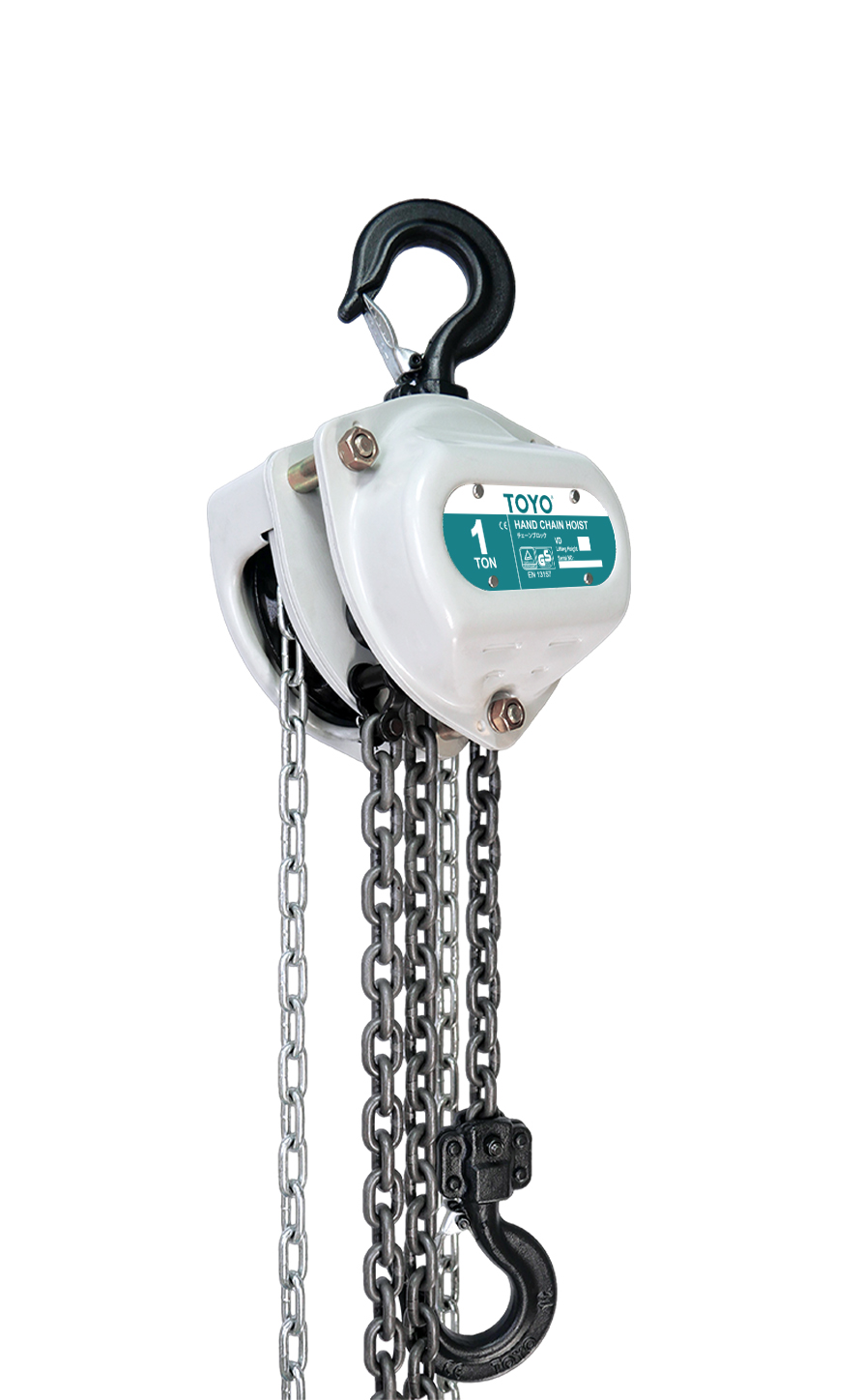
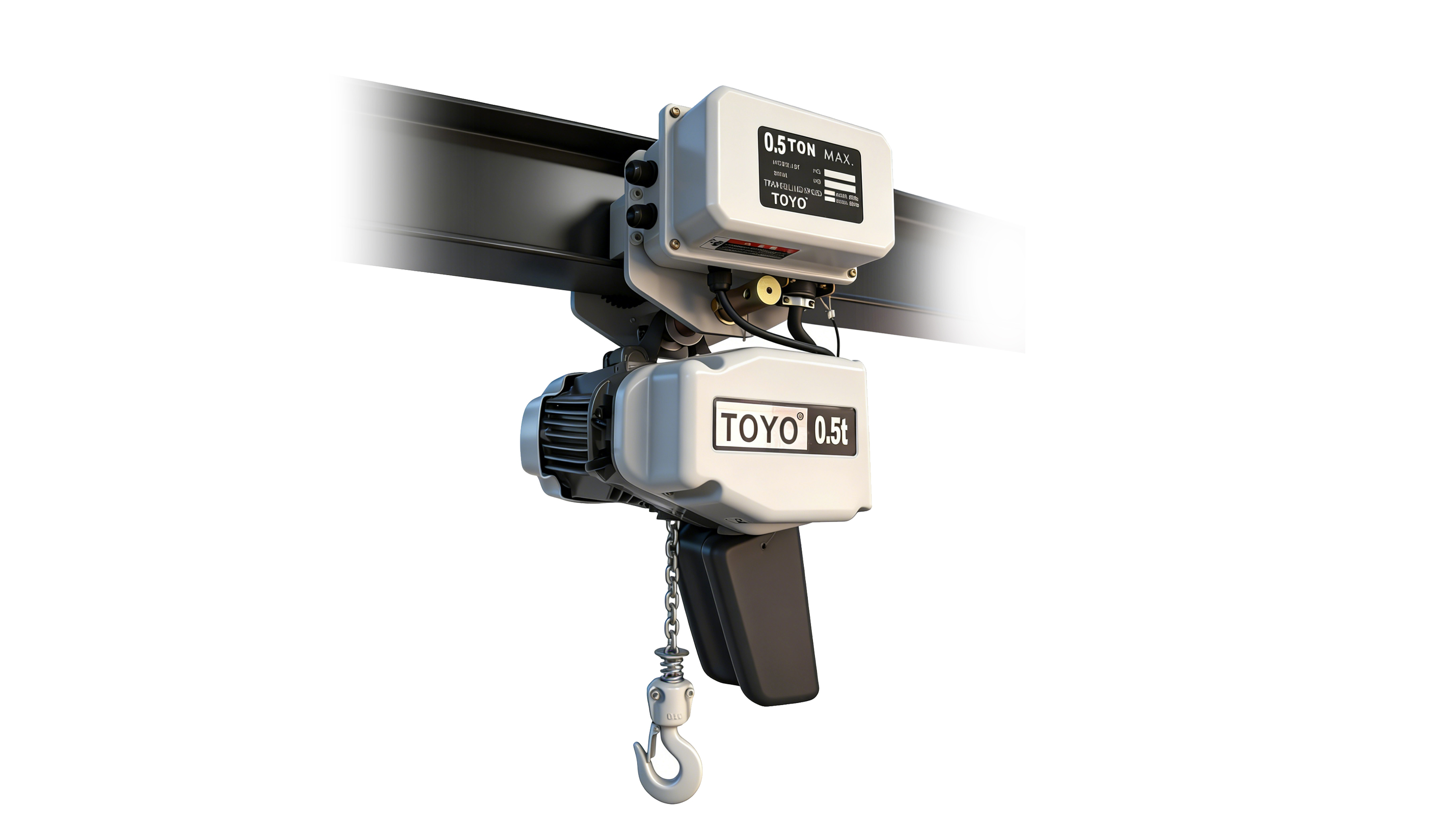
Выбор между электрическая канатная таль и один цепная электрическая таль — это важное решение для промышленных подъемных работ. Хотя оба типа подъемников используют электродвигатель для подъема и опускания грузов, их подъемные механизмы, конструкции, требования к монтажу и типичные области применения различаются.
Правильный выбор зависит не только от грузоподъемности. Высота подъема, рабочая частота, скорость подъема, монтажное пространство, конфигурация крана, условия эксплуатации и требуемый уровень нагрузки Все это следует учесть перед покупкой.
В данном руководстве объясняются основные различия между электрическими тросовыми талями и электрическими цепными талями, а также даются рекомендации покупателям по выбору оптимального решения для конкретных задач.
Электрическая канатная таль и цепная таль: краткое сравнение
| Фактор | Электрический канатный подъемник | Электрический цепной подъемник |
|---|---|---|
| Подъемная среда | Стальной канат | Грузовая цепь |
| Основной подъемный механизм | Катушка для троса | Звездочка и цепь |
| Типичные области применения | Промышленные и тяжелые подъемные работы | Общие подъемные работы в промышленности и на производстве |
| Высота подъема | Подходит для широкого диапазона высот подъема | Подходит для различных высот подъема в зависимости от модели |
| Установка | Мостовые краны, мостовые крановые пути, консольные краны и другие системы | Стационарные установки, монорельсовые системы, стреловые краны и соответствующие подъемные системы |
| Конфигурация оборудования | Как правило, больше | Часто более компактный |
| Основные направления технического обслуживания | Стальной трос, барабан, направляющая троса и сопутствующие компоненты | Цепь, направляющая цепи, шестерни и сопутствующие детали |
| Типичные области применения | Производство, склады, заводы, порты и перегрузка тяжелых грузов | Производство, техническое обслуживание, логистика и общие операции по перемещению грузов |
Данная таблица носит исключительно рекомендательный характер. Окончательный выбор всегда должен основываться на технических характеристиках выбранной модели и фактических условиях эксплуатации.
Что такое электрическая канатная таль?
An электрическая канатная таль в качестве грузоподъемного средства используется стальной трос. Электродвигатель приводит в движение барабан, который намотает и размотает трос, что позволяет подъемнику поднимать и опускать грузы.
Подъемники данного типа широко используются в промышленных подъемных системах и могут встраиваться в различные конфигурации кранов.
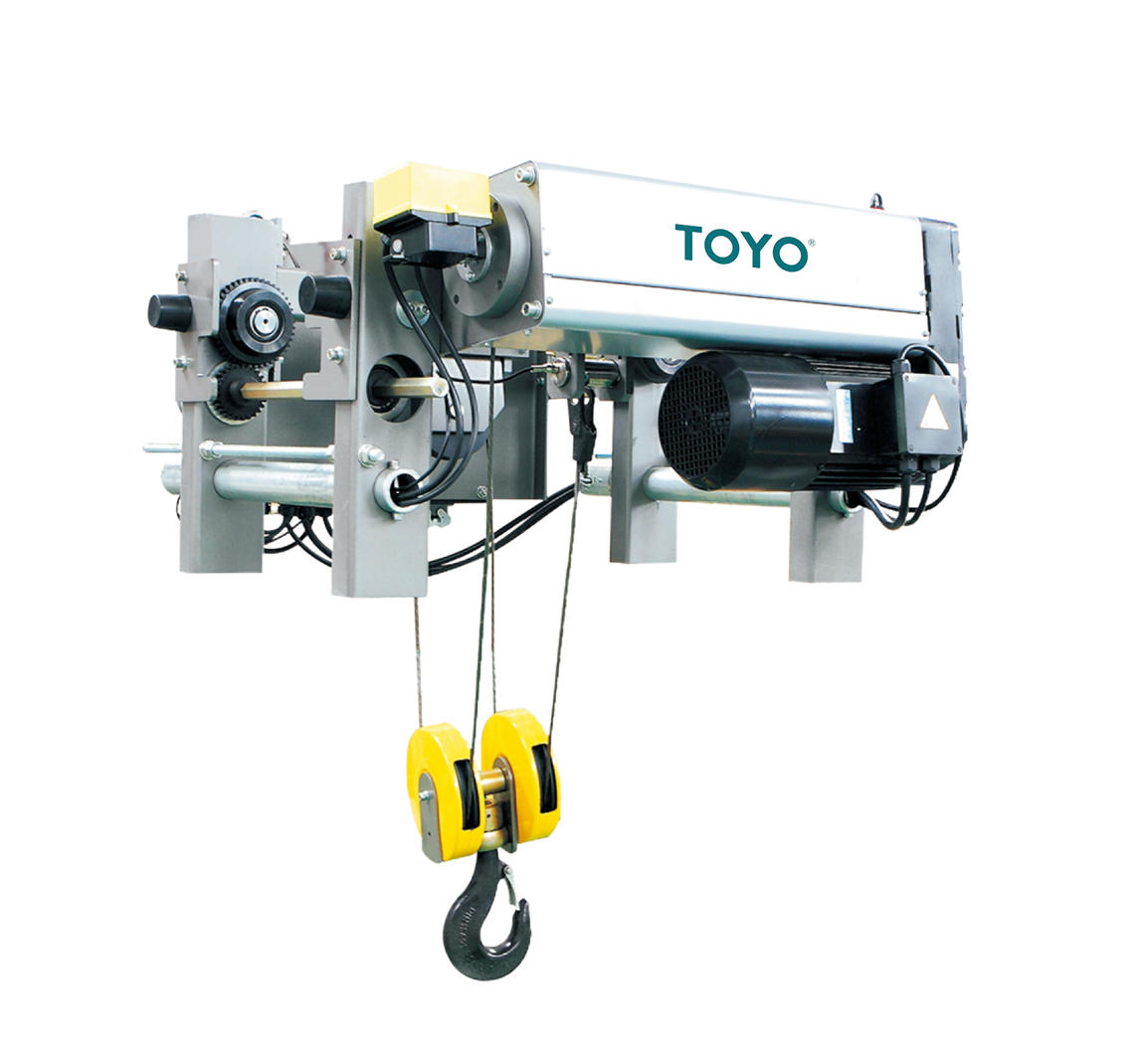
Например, Электрическая таль с тросом TOYO CD1 может устанавливаться на однобалочных кранах, мостовых кранах и консольных кранах. Компания TOYO также отмечает, что модель CD1 может использоваться в качестве лебедки при внесении соответствующих модификаций.
Типичные области применения включают:
- Производственные предприятия
- Машиностроительные цеха
- Склады
- Порты
- Горнодобывающая промышленность
- Помещения для хранения грузов
- Производственные мощности
- Системы мостовых кранов
Ознакомьтесь с электрической талью с тросом TOYO CD1
Электрическая таль с тросом TOYO CD1
Серия CD1 включает различные конфигурации подъема. На текущей странице продукта TOYO перечислены стандартные высоты подъема, в том числе 6 м, 9 м, 12 м, 18 м, 24 м, 30 м и 36 м, в зависимости от конфигурации.
Что такое электрическая цепная таль?
An цепная электрическая таль использует грузовую цепь вместо стального троса. Электродвигатель приводит в действие систему передачи и цепное колесо, обеспечивая подъем и опускание груза.
Электрические цепные тали широко используются в производстве, при техническом обслуживании оборудования, на складах, в строительстве и в других сферах, связанных с перемещением грузов.
В зависимости от модели изделия их можно настроить для фиксированного монтажа или других подходящих вариантов установки.
Сайт Электрическая цепная таль фиксированного типа TOYO TY1 Имеет алюминиевый корпус, японскую цепь FEC, прецизионные шестерни, прошедшие термообработку, электромагнитный тормоз, концевые выключатели и водонепроницаемую рукоятку управления. На странице продукта указан класс защиты IP55.
Ознакомьтесь с электрической цепной талью TOYO TY1
Электрическая цепная таль фиксированного типа TOYO TY1
Текущие технические характеристики серии TY1 охватывают различные грузоподъемности и конфигурации, что позволяет данной серии удовлетворять широкий спектр требований в области промышленного подъема грузов.
1. Грузоподъемность
Грузоподъемность — это, как правило, первый технический параметр, на который обращают внимание покупатели, но он не должен быть единственным критерием выбора.
Прежде чем выбрать подъемник, определите:
- Максимальная масса груза
- Нормальная рабочая нагрузка
- Вес подъемных приспособлений
- Требуемая высота подъема
- Частота подъема
- Требуемая скорость подъема
- Рабочая среда
- Служебные обязанности
Важно отметить, что существует не существует какого-либо универсального ограничения по грузоподъемности, которое автоматически определяло бы, что лучше — цепной или тросовый подъемник.
В зависимости от конструкции изделия обе технологии могут охватывать пересекающиеся диапазоны производительности.
Например, текущие технические характеристики продукции серии TY1 компании TOYO включают модели грузоподъемностью от 0,5 тонны и выше, в то время как линейка CD1 также охватывает различные промышленные грузоподъемности.
Поэтому покупателям следует выбирать подъемник с учетом всех особенностей конкретного применения, а не ориентироваться исключительно на грузоподъемность.
2. Высота подъема
Высота подъема может существенно повлиять на конфигурацию подъемника.
Если для данного применения требуется большее расстояние подъема, подходящим вариантом может стать электрическая канатная таль, поскольку канат намотается на барабан.
Однако электрические цепные тали могут также изготавливаться для различных высот подъема. Фактическая доступная высота подъема зависит от модели и конфигурации.
Например, на странице продукта CD1 компании TOYO указаны стандартные высоты подъема до 36 м для отдельных конфигураций, тогда как в серии TY1 стандартные высоты подъема варьируются в зависимости от грузоподъемности и модели.
При запросе коммерческого предложения всегда указывайте требуемую высоту подъема.
Например:
Грузоподъемность: 5 тонн
Высота подъема: 12 метров
Эта информация гораздо полезнее для производителя, чем просто запрос на «5-тонную электрическую таль».
3. Рабочая частота и коэффициент заполнения
Как часто будет работать подъемник?
Этот вопрос имеет решающее значение.
К подъемнику, используемому для периодического подъема в целях технического обслуживания, предъявляются иные требования, чем к подъемнику, работающему в непрерывном режиме в производственных условиях.
Рассмотрите:
- Количество рабочих часов в день
- Количество подъемных циклов в час
- Средняя нагрузка
- Максимальная нагрузка
- Среднее расстояние подъема
- Требуемая скорость подъема
- Количество рабочих дней в году
Например, в технических характеристиках модели CD1 компании TOYO рабочая система отнесена к классу средней нагрузки с показателем FC=25% и рабочей группой M3 для указанных конфигураций.
Поэтому подбираемый подъемник должен соответствовать реальным условиям эксплуатации, а не выбираться исключительно исходя из номинальной грузоподъемности.
4. Установка и необходимое пространство
Еще одним важным фактором является место для установки.
Электрическая цепная таль может стать практичным выбором, если для конкретной задачи требуется относительно компактное подъемное оборудование.
Например, электрическая цепная таль компании TOYO с низкой высотой подъема специально разработана для применения в условиях, когда вес оборудования и доступное пространство являются важными факторами.
Электрические канатные тали, в свою очередь, обычно встраиваются в системы мостовых кранов и другие крановые конструкции.
Перед оформлением заказа проверьте:
- Доступная высота до потолка
- Размеры балки
- Конфигурация тележки
- Подход с использованием крючка
- Требуемый ход крюка
- Габаритные размеры подъемника
- Доступ для технического обслуживания
Подъемное устройство должно соответствовать как требованиям к подъему грузов, так и конкретным условиям монтажа.
5. Скорость подъема
Скорость подъема напрямую влияет на производительность.
Если подъемник часто используется в производственных условиях, скорость подъема может существенно повлиять на общую эффективность погрузочно-разгрузочных работ.
Однако быстрее — не всегда лучше.
В некоторых случаях важнее точное позиционирование, а не максимальная скорость. В таких случаях более подходящими могут оказаться двухскоростные или регулируемые по скорости конфигурации.
Технические характеристики модели CD1 компании TOYO включают односкоростной и двухскоростной варианты подъема, а конфигурации с частотно-регулируемым приводом могут обеспечивать несколько вариантов скорости в зависимости от выбранной конфигурации.
При выборе подъемника следует учитывать оба следующих фактора: требования к производительности и управлению нагрузкой.
6. Условия труда
Условия эксплуатации подъемника могут повлиять на выбор необходимой конфигурации.
Определите, будет ли использоваться подъемник:
- В помещении
- На природе
- В условиях высокой влажности
- В запыленных помещениях
- На производственных предприятиях
- На складах
- В строительной сфере
- В зонах технического обслуживания
Например, электрическая цепная таль TY1 компании TOYO имеет степень защиты IP55 и предназначена для применения в условиях, где важны безопасность, надёжность и адаптируемость оборудования к окружающей среде.
В случае использования в особых условиях покупателям следует перед оформлением заказа обсудить условия эксплуатации с производителем.
7. Рекомендации по техническому обслуживанию
Как электрические канатные тали, так и электрические цепные тали требуют регулярного осмотра и технического обслуживания.
Техническое обслуживание электрической канатной тали обычно включает в себя:
- Состояние стального троса
- Барабан
- Направляющая для верёвки
- Крючки
- Тормоза
- Шестеренки
- Электрические компоненты
Техническое обслуживание электрической цепной тали обычно включает в себя:
- Грузовая цепь
- Направляющая цепи
- Звездочка
- Крючки
- Тормозная система
- Шестеренки
- Электрические компоненты
Правильный график технического обслуживания зависит от конструкции оборудования, частоты его эксплуатации, условий эксплуатации и рекомендаций производителя.
Регулярные проверки имеют решающее значение для обеспечения безопасной и надёжной работы подъёмного оборудования.
Когда следует выбирать электрическую тросовую таль?
Электрическая канатная таль может стать подходящим решением, если в ваших условиях эксплуатации требуется:
- Промышленная погрузочно-разгрузочная техника
- Интеграция с мостовым краном
- Более высокая высота подъема
- Операции, связанные с подъемом тяжестей или частым подъемом грузов
- Транспортировка материалов на производственной линии
- Складское хозяйство и погрузочно-разгрузочные работы
- Применение в портовых или горнодобывающих отраслях
- Конструкция подъемного устройства с использованием стального троса
Электрическая таль с тросом CD1 компании TOYO предназначена для использования, в частности, на заводах, в шахтах, портах, на складах и в зонах хранения грузов.
Когда следует выбирать электрическую цепную таль?
Электрическая цепная таль может стать подходящим решением, если в ваших условиях эксплуатации требуется:
- Практичная промышленная подъемная система
- Компактное оборудование
- Подъемное оборудование для мастерской
- Установка оборудования
- Работы по техническому обслуживанию
- Оборотка грузов на складе
- Промышленные применения
- Стационарные или подходящие монорельсовые подъемные устройства
Электрическая цепная таль TY1 компании TOYO предназначена для использования в таких сферах, как промышленное производство, складское хозяйство и логистика, строительство, а также монтаж и техническое обслуживание оборудования.
Как выбрать подходящую электрическую таль
Вместо того чтобы просто спрашивать:
«Что мне нужно: канатный или цепной подъёмник?»
Начните с этих семи вопросов:
1. Какова максимальная нагрузка?
Укажите максимальную рабочую нагрузку в тоннах или килограммах.
2. Какова требуемая высота подъема?
Укажите фактический необходимый ход крюка.
3. Как часто будет работать подъемник?
Укажите предполагаемое время работы и количество циклов подъема.
4. Какая скорость подъема вам нужна?
Определите, требуется ли стандартный режим работы, двухскоростной режим или режим с плавной регулировкой скорости.
5. Как будет установлен подъемник?
Укажите, будет ли он стационарным, тележечным, установленным на мостовом кране, консольном кране, монорельсовой системе или другой системе.
6. Какой тип источника питания используется?
Укажите:
- Напряжение
- Фаза
- Частота
Например:
380 В / 3 фазы / 50 Гц
Компания TOYO также предлагает различные варианты источников питания для отдельных моделей электрических цепных талей.
7. Каковы условия труда?
Сообщите производителю, будет ли подъемник эксплуатироваться в помещении, на открытом воздухе, в условиях повышенной влажности, в запыленной среде или в других особых условиях.
Предоставление этих сведений позволяет производителю порекомендовать более подходящую конфигурацию подъемника.
Решения TOYO в области электрических талей
Компания TOYO предлагает различные решения в области электрических талей для промышленной погрузочно-разгрузочной деятельности, в том числе электрические канатные тали и электрические цепные тали.
В настоящее время ассортимент электрических подъемников TOYO включает в себя канатные подъемники, такие как CD1, MD1 и модели европейского типа, а также электрические цепные подъемники, такие как TY1, TY2, TY3, TY4-MINI и другие модификации.
Электрические канатные тали
Для промышленных задач, требующих использования тросовых подъемных систем, ознакомьтесь с ассортиментом электрических тросовых талей TOYO:
Электрические канатные подъёмники TOYO
Для традиционной конфигурации промышленного канатного подъемника:
Электрическая таль с тросом TOYO CD1
Электрические цепные тали
Для применений, требующих использования электрической цепной подъемной системы:
Ассортимент электрических талей TOYO
Для электрической цепной тали стационарного типа TY1:
Электрическая цепная таль фиксированного типа TOYO TY1
Часто задаваемые вопросы
Канатная таль лучше цепной?
Не всегда. Оптимальный вариант зависит от грузоподъемности, высоты подъема, частоты работы, конфигурации установки, условий эксплуатации и других требований к применению.
В чём заключается основное отличие между канатной талью и цепной талью?
Основное отличие заключается в подъемном средстве и механизме. В тросовом подъемнике используется стальной трос, намотанный на барабан, а в цепном подъемнике — грузовая цепь, проходящая через цепное колесо.
Может ли электрическая цепная таль поднимать тяжелые грузы?
Да. Электрические цепные тали выпускаются с различной грузоподъёмностью. Фактическая грузоподъёмность зависит от конкретной модели и конфигурации. Например, серия TY1 компании TOYO включает в себя несколько моделей, предназначенных для различных задач по подъёму грузов.
Подходит ли электрическая канатная таль для мостового крана?
Да. Электрические канатные тали широко используются в системах мостовых кранов. Модель CD1 компании TOYO может устанавливаться на однобалочных кранах, мостовых кранах и консольных кранах.
Какой подъемник лучше выбрать для груза весом 5 тонн?
Одной только информации о нагрузке в 5 тонн недостаточно для выбора подходящего подъемника. Необходимо также указать высоту подъема, частоту работы, скорость подъема, способ монтажа, источник питания и условия эксплуатации.
Может ли компания TOYO помочь выбрать подходящую электрическую таль?
Да. Сообщите компании TOYO грузоподъемность, высоту подъема, частоту работы, источник питания, способ монтажа и условия эксплуатации. После этого специалисты отдела продаж смогут порекомендовать вам подходящую конфигурацию.
Заключение
Выбор между электрическая канатная таль и один цепная электрическая таль должно основываться на полном заявлении, а не на одной технической характеристике.
Электрическая канатная таль может стать отличным выбором для промышленных крановых систем, при больших высотах подъема и в сложных условиях погрузочно-разгрузочных работ.
Электрическая цепная таль может стать практичным решением для производственных, ремонтных, складских, монтажных и других промышленных подъемных работ, если её конфигурация соответствует рабочим требованиям.
Лучший подход заключается в том, чтобы сначала определить фактические условия подъема, а затем выбрать подъемное устройство в соответствии с его номинальная грузоподъёмность, высота подъёма, эксплуатационные требования, скорость, способ монтажа и условия эксплуатации.
Нужна помощь в выборе подходящей электрической тали?
Отправьте компании TOYO следующую информацию:
Грузоподъемность:
Высота подъема:
Количество рабочих часов в день:
Частота подъёма:
Скорость подъема:
Источник питания:
Способ установки:
Рабочая среда:
Компания TOYO может проанализировать ваши требования и порекомендовать подходящее решение в области электрических талей.
Обратитесь в компанию TOYO для получения решений в области промышленного подъема грузов.
Получите бесплатный расчет стоимости от TOYO
Электронная почта: info@toyo-industry.com
Веб-сайт: www.toyo-industry.com