Comprendre la charge nominale dans les systèmes de levage industriels
Lors du choix d'un système de levage industriel, l'un des paramètres techniques les plus importants est capacité de levage d'un palan électrique.
Cependant, la capacité de levage ne correspond pas simplement au poids maximal qu’un palan peut soulever en une seule fois. Elle désigne la Charge maximale d'utilisation en toute sécurité (SWL) dans des conditions d'exploitation normalisées, conçues pour une utilisation industrielle répétée et contrôlée.
👉 En savoir plus sur le système de produits
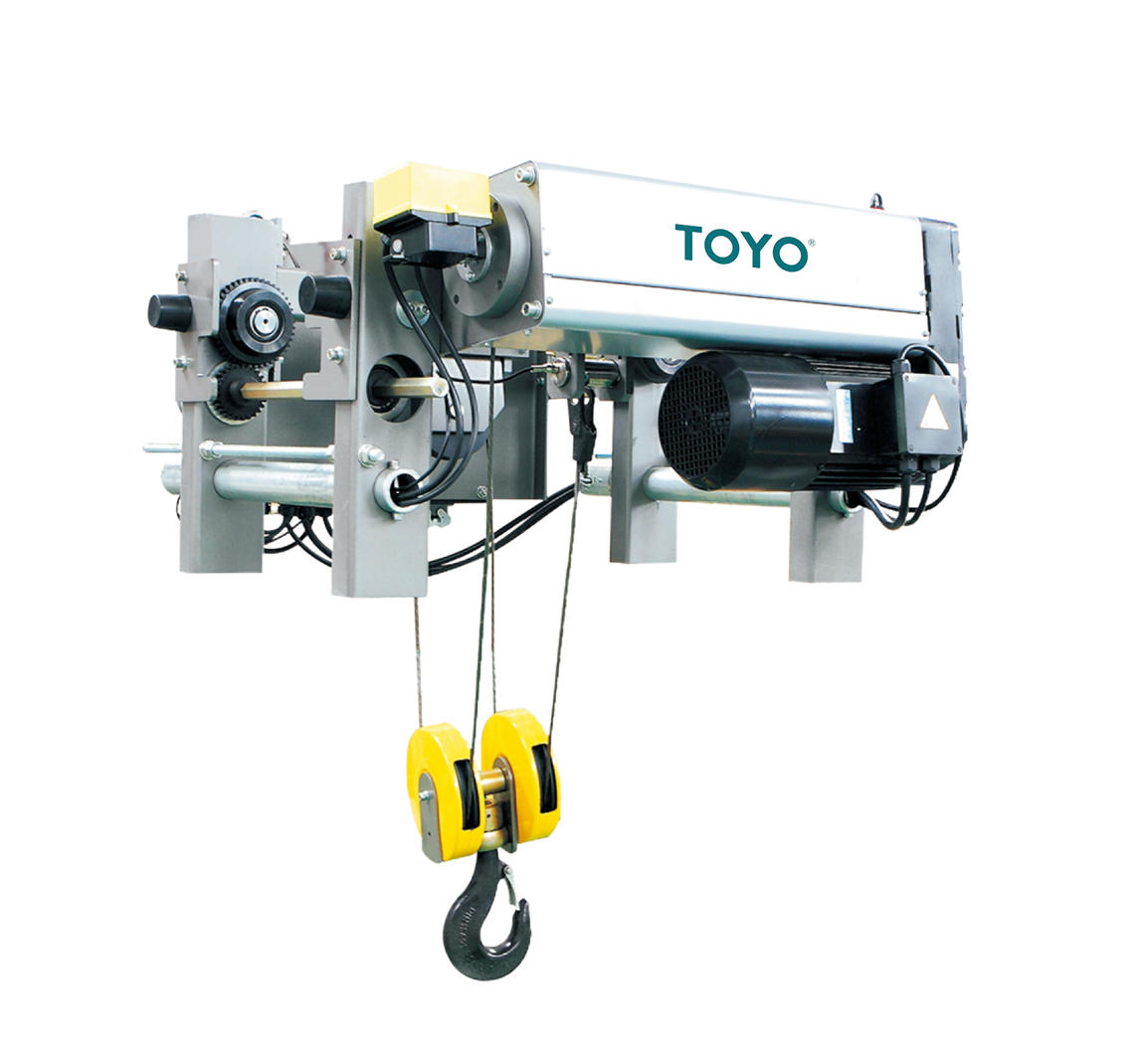
Série de palans électriques à câble métallique
Capacité nominale et charge de travail réelle
La capacité de levage nominale est définie dans Normes FEM et ISO relatives à la classe de service, qui évaluent la résistance à la fatigue à long terme plutôt que la capacité de levage ponctuelle.
Il comprend :
- Résistance structurelle à la charge
- Couple du moteur et rapport de service
- Conception de sécurité du système de freinage
- Résistance à la traction des câbles métalliques
- Durabilité de la boîte de vitesses
Ces facteurs garantissent un fonctionnement sûr dans des conditions de travail industrielles réelles.
Pourquoi la capacité de levage n'est pas qu'un simple chiffre
De nombreux utilisateurs confondent la capacité de levage avec une simple valeur de charge maximale. Dans les applications techniques réelles, il faut tenir compte de multiples facteurs dynamiques :
1. Cycle de service (classe FEM/ISO)
Les classes FEM supérieures, telles que M5 et M6, correspondent à un fonctionnement continu en conditions extrêmes.
2. Effets des charges dynamiques
Les accélérations, les freinages et les mouvements de balancement de la charge augmentent les contraintes réelles au-delà du poids statique.
3. Conception avec coefficient de sécurité
Les palans industriels sont conçus avec des marges de sécurité intégrées afin d'éviter toute défaillance due à une surcharge.
4. Conditions d'installation
La largeur de la poutre, la hauteur de levage et l'environnement de travail ont une incidence directe sur les performances réelles.
👉 Découvrez comment bien choisir
Comment choisir un palan électrique à chaîne
La conception technique à la base de la capacité de sécurité
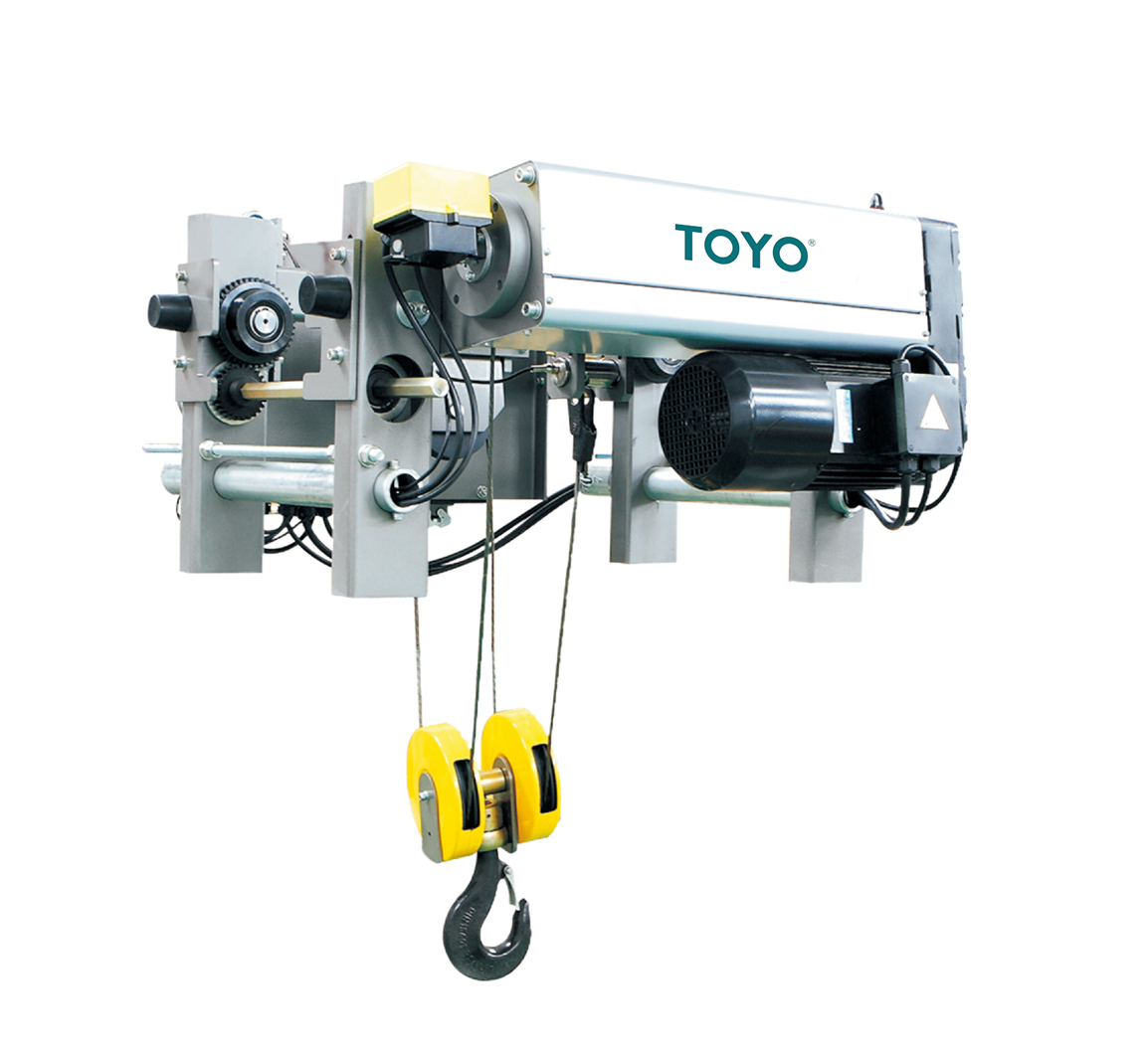
Le Palan électrique européen à câble TWH est conçu pour offrir des performances industrielles stables dans des environnements exigeants.
Système mécanique
- Rouleaux de guidage en nylon haute résistance
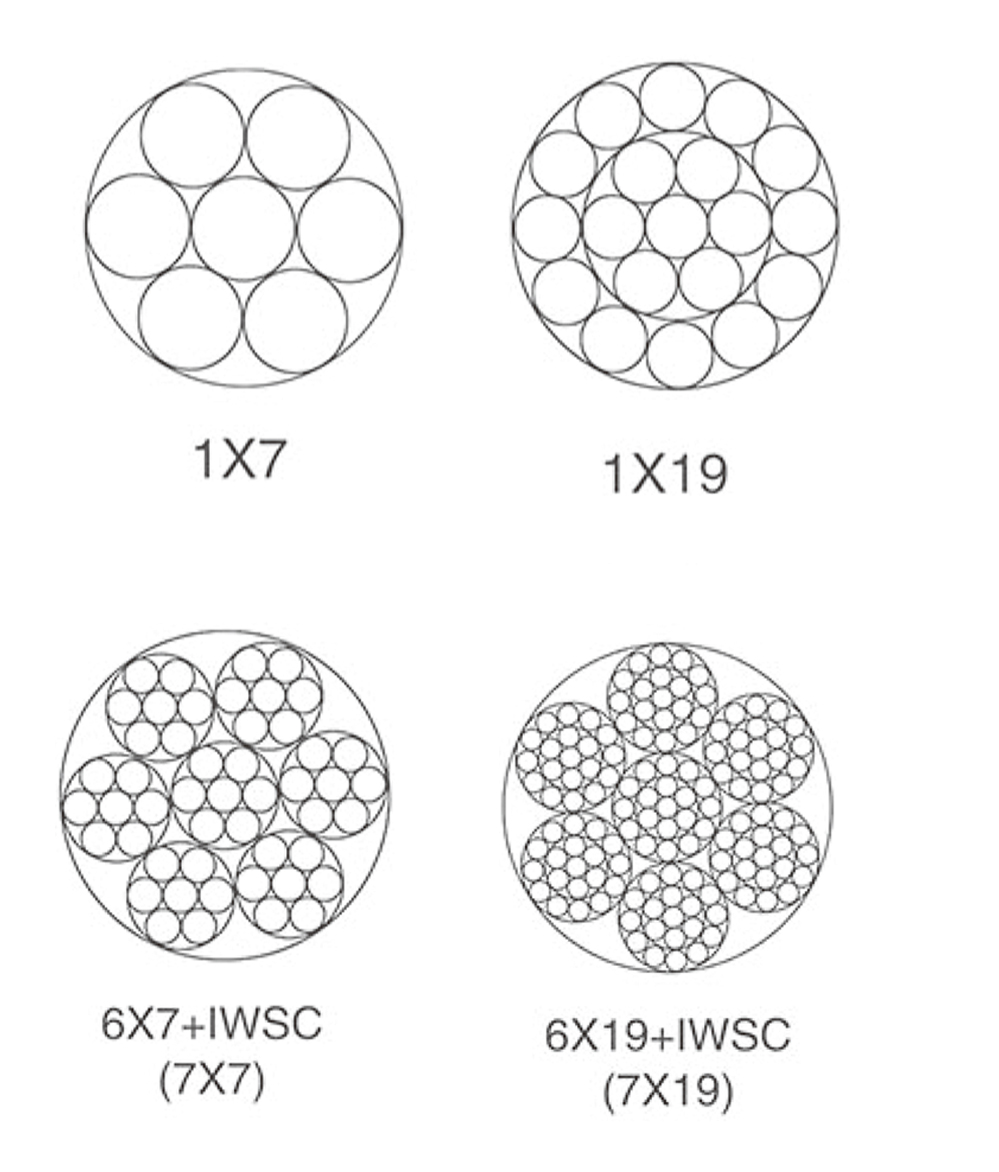
- Câble métallique galvanisé d'une résistance à la traction de 2 160 N/mm²
- Crochet en acier allié forgé avec loquet de sécurité
- Structure en acier de haute précision
Système électrique
- Moteur de levage importé d'Allemagne
- Moteur mobile à fréquence variable
- Boîte de vitesses trempée pour une longue durée de vie
Système de sécurité
- Limiteur de charge réglable
- Système de fins de course à 4 directions
- Composants électriques Schneider & Phoenix
- Système de télécommande anti-interférences
👉 Voir les détails du produit
Palan à câble métallique TWH Electric
Gamme de capacités des palans électriques TWH
- 2 t (2 000 kg)
- 3,2 T
- 5T
- 6,3 T
Classe ouvrière : FEM M5–M6
Hauteur de levage : 6 à 18 m
👉 Parcourir le catalogue complet
Applications de la capacité de levage des palans électriques
La capacité de levage des palans électriques est largement utilisée dans de nombreux secteurs industriels où des opérations de levage sûres, stables et contrôlées sont requises.
Industrie manufacturière
Utilisé pour le levage de composants de machines, de moules, de structures métalliques et de pièces d'assemblage sur des chaînes de production fonctionnant en continu.
Industrie de la construction
Utilisé pour le levage de poutres en acier, de structures préfabriquées et de matériaux de construction dans le cadre de chantiers où un levage vertical contrôlé est indispensable.
Entreposage et logistique
Utilisé pour le chargement, le déchargement, l'empilage et la manutention interne dans les entrepôts et les centres de distribution afin d'améliorer l'efficacité et la sécurité.
Secteur de l'électricité et de l'énergie
Utilisé pour l'installation et la maintenance de transformateurs, d'appareillages de commutation, de générateurs et d'équipements électriques lourds nécessitant un contrôle précis du levage.
Entretien des engins de chantier
Utilisé dans les ateliers et les installations industrielles pour le démontage et le montage de machines de grande taille, lorsque la stabilité du levage est essentielle à la sécurité des opérations.
👉 Bénéficier d'une assistance technique
Contacter l'équipe d'ingénierie
Conclusion
La capacité de levage n'est pas une simple caractéristique technique : il s'agit d'un système de sécurité technique complet alliant résistance structurelle, performances du moteur, système de freinage et normes internationales.
Le Palan électrique européen à câble TWH est conçu pour garantir des performances stables à charge nominale dans des conditions de fonctionnement industriel en continu, assurant ainsi sécurité, durabilité et efficacité.