Introduction
Electric chain hoists are essential lifting equipment in modern industries such as manufacturing, construction, and warehousing.
They are widely used to improve efficiency and reduce manual labor in heavy-duty lifting operations.
Proper safety procedures not only protect operators but also extend the service life of lifting equipment.
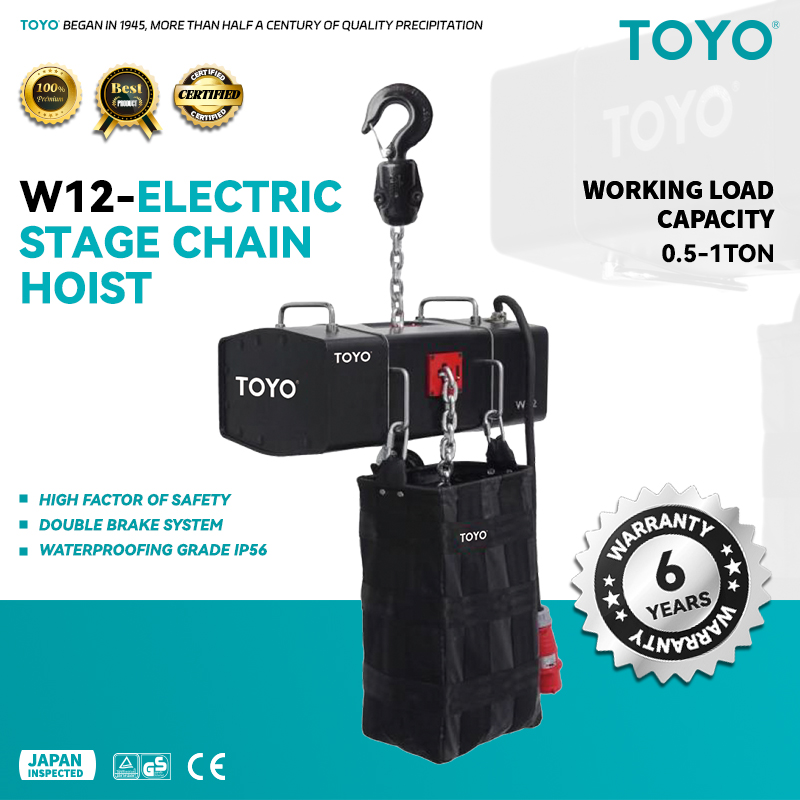
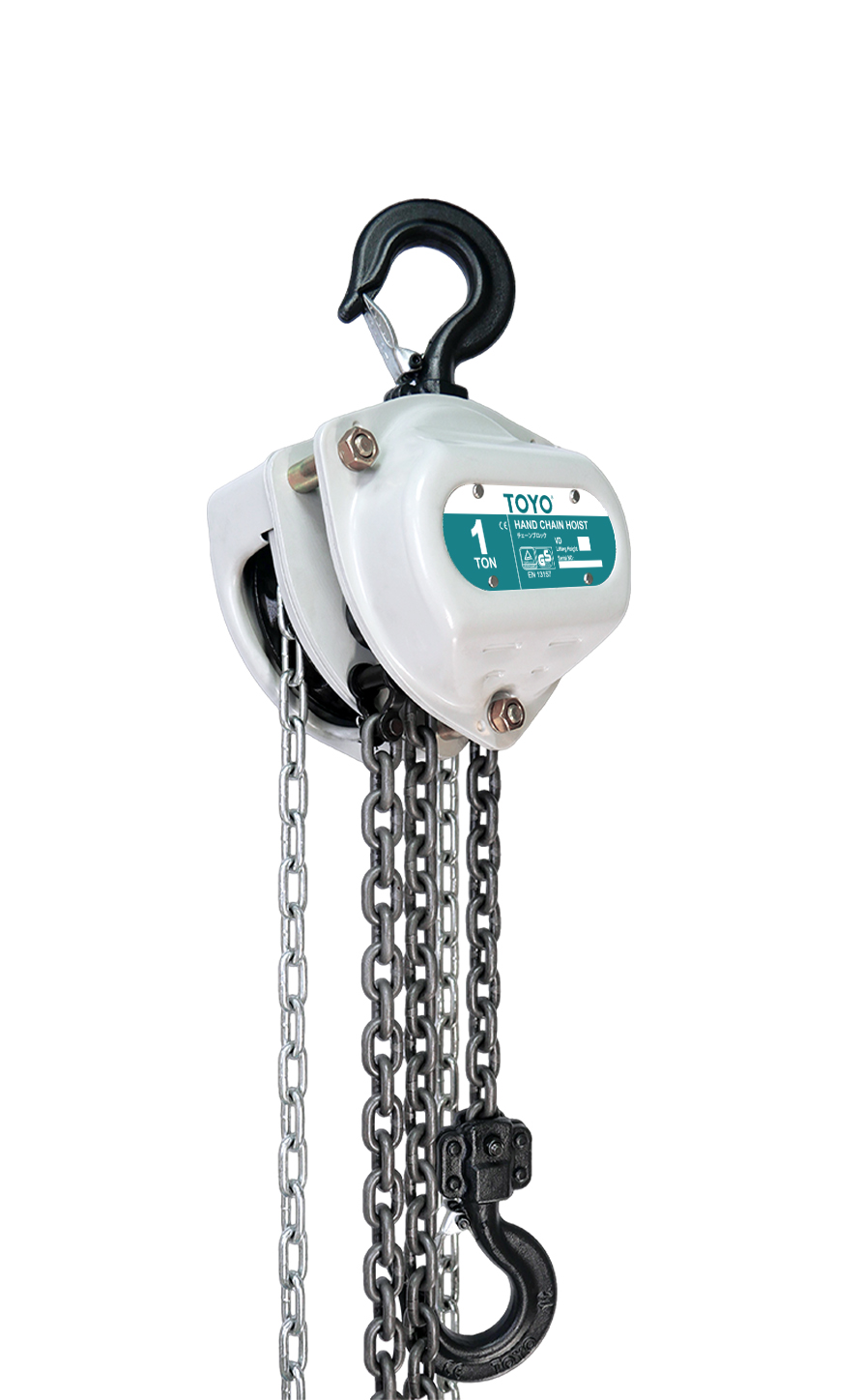
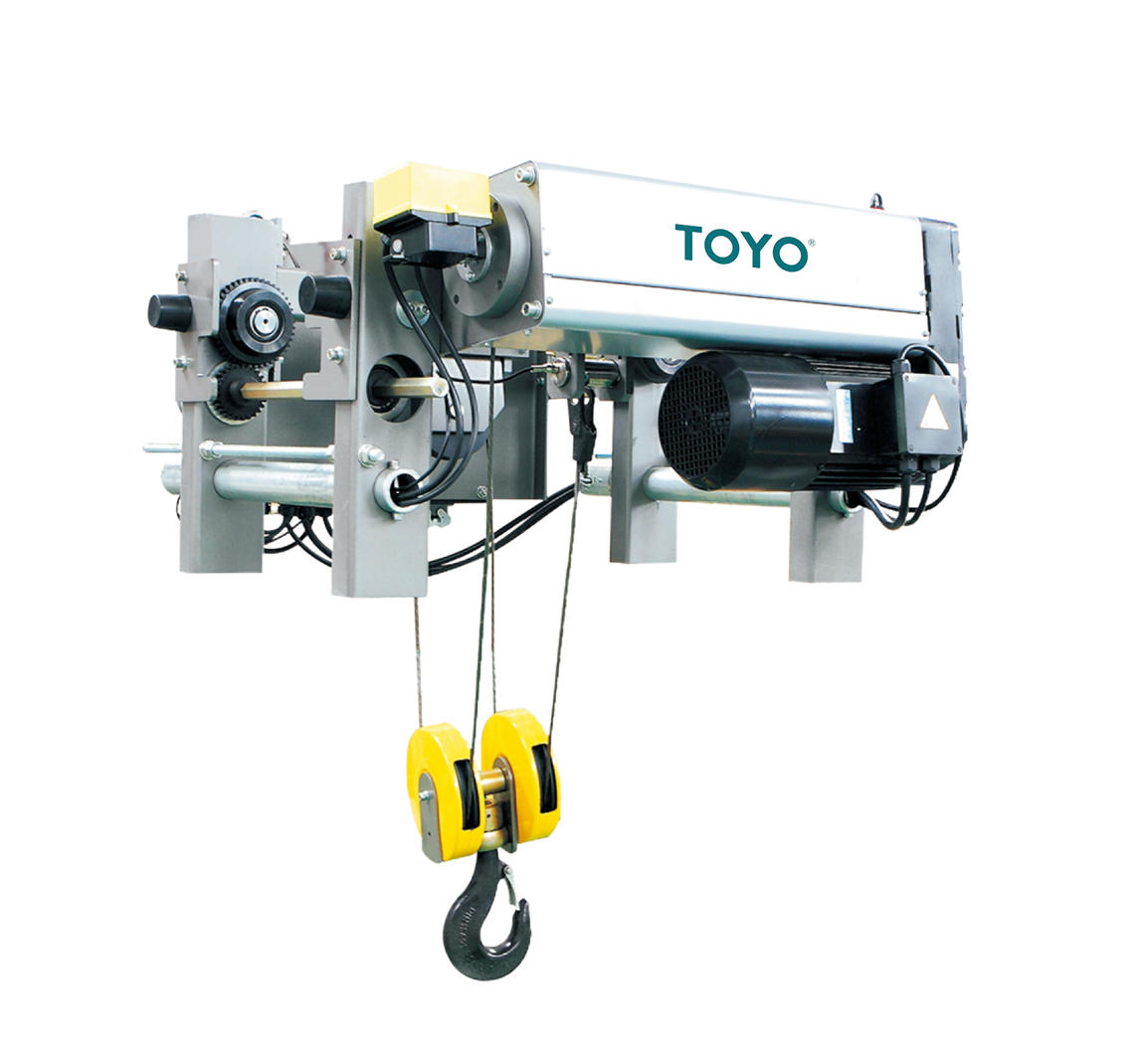
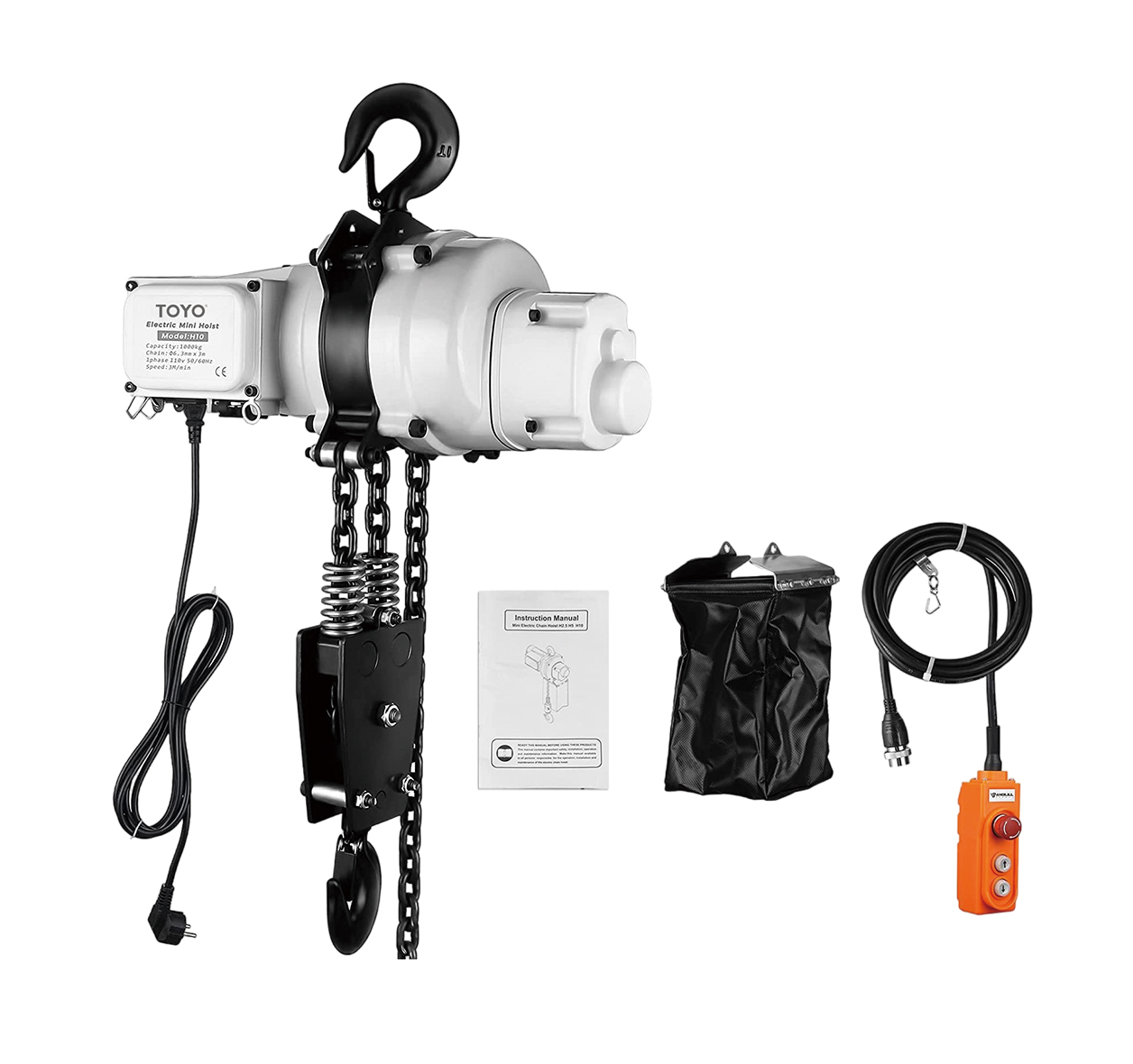
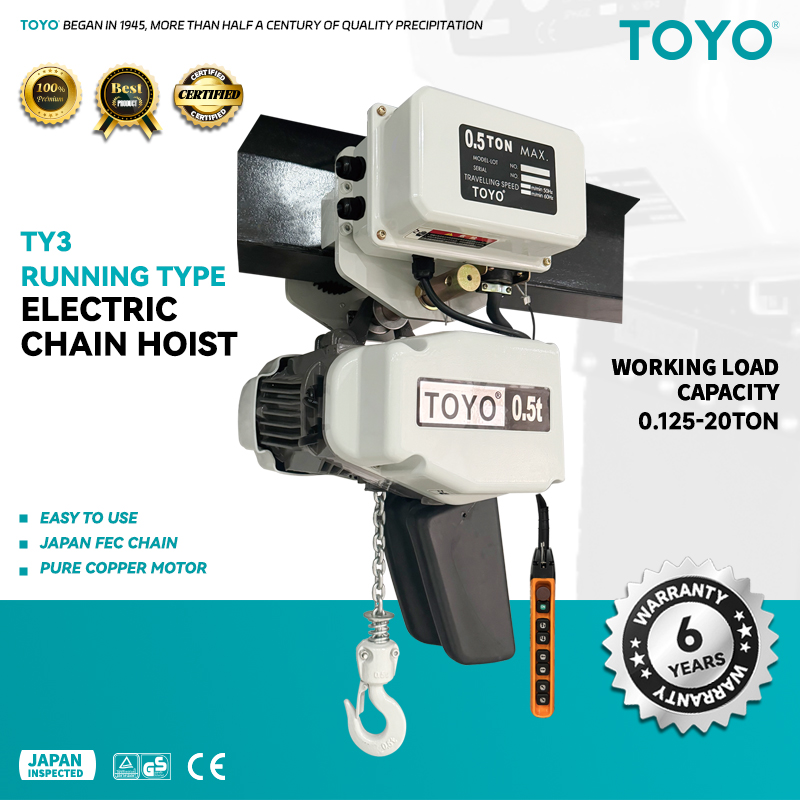
TOYO provides a full range of electric chain hoists for industrial lifting applications, designed for stable performance and long service life:
https://www.toyo-industry.com/electric-hoist/electric-chain-hoist/
For proper selection and capacity understanding, a detailed guide is available covering 0.5 ton to 5 ton electric chain hoists:
https://www.toyo-industry.com/how-to-choose-the-right-electric-chain-hoist-capacity-0-5-ton-to-5-ton-guide-introduction/
Common Lifting Risks
Industrial lifting operations involve multiple risks, especially under heavy-load conditions.
Overloading beyond rated capacity is one of the most dangerous mistakes in lifting operations.
Other common hazards include:
- Incorrect rigging or hook engagement
- Chain wear, deformation, or fatigue
- Load swing caused by improper lifting angle
- Electrical control failure
- Operator error or lack of training
Ignoring these risks can lead to serious workplace accidents.
Learn more about TOYO electric chain hoist solutions for safer industrial lifting applications:
https://www.toyo-industry.com/electric-hoist/electric-chain-hoist/
Essential Safety Rules
To ensure safe operation of electric chain hoists, the following rules must be strictly followed:
- Never exceed rated load capacity during operation
- Inspect hooks, chains, and brake systems before every use
- Ensure load is properly balanced before lifting
- Keep personnel away from lifting zones during operation
- Avoid side pulling or dragging loads at all times
- Stop operation immediately if abnormal sound or vibration occurs
A full range of industrial lifting equipment can be explored for different working environments:
https://www.toyo-industry.com/products/
Operator Training
Proper training is a key factor in reducing lifting accidents and improving workplace efficiency.
Operators must understand correct hoist operation procedures and have clear awareness of load capacity limitations.
Emergency stop procedures must also be fully understood before operation.
Only certified personnel should operate electric chain hoists in industrial environments.
A detailed selection guide is available for better understanding of lifting capacity and application requirements:
https://www.toyo-industry.com/how-to-choose-the-right-electric-chain-hoist-capacity-0-5-ton-to-5-ton-guide-introduction/
Regular Inspection Checklist
Routine inspection ensures long-term safety and performance of electric chain hoists.
Before each use:
- Check chain condition for wear or deformation
- Test hook safety latch function
- Confirm brake system response
- Ensure control buttons function properly
Weekly inspection:
- Lubricate load chain if required
- Inspect electrical cable condition
- Check for abnormal noise during no-load operation
Monthly inspection:
- Full mechanical inspection of hoist system
- Load testing if required
- Professional maintenance evaluation
FAQ
What is the most common cause of hoist accidents?
The most common cause is overloading or improper operation by untrained personnel.
How often should a chain hoist be inspected?
Basic inspection should be done before each use, with periodic maintenance depending on usage frequency.
Can electric chain hoists be used continuously?
They should be used according to duty cycle ratings to avoid overheating and mechanical fatigue.
Conclusion
Electric chain hoist safety depends on proper operation, regular inspection, and professional training.
Following strict safety rules significantly reduces workplace risks and improves operational efficiency.
For reliable industrial lifting solutions, explore TOYO’s electric chain hoist product range:
https://www.toyo-industry.com/electric-hoist/electric-chain-hoist/
For technical support or quotation requests, please contact TOYO directly:
https://www.toyo-industry.com/contact/