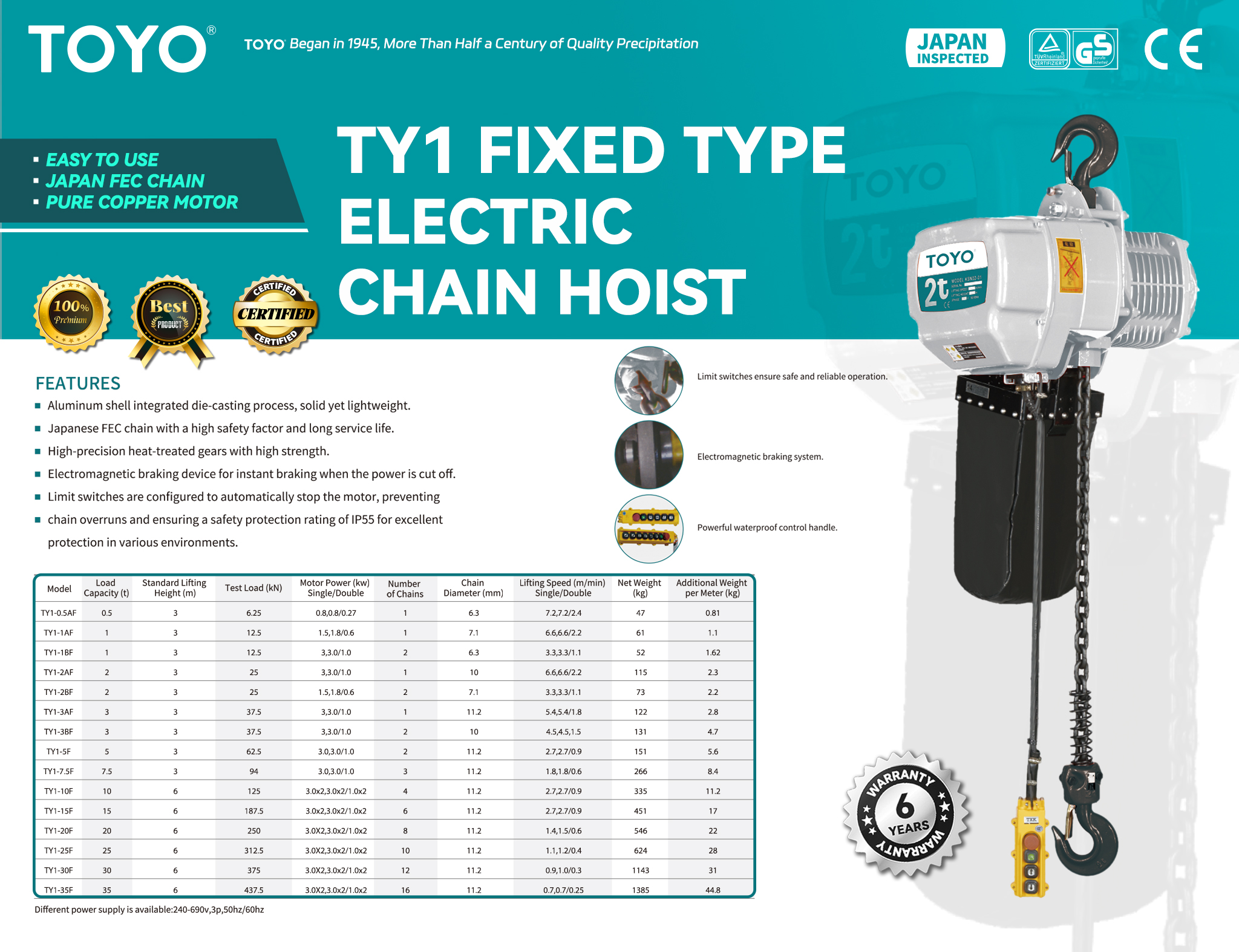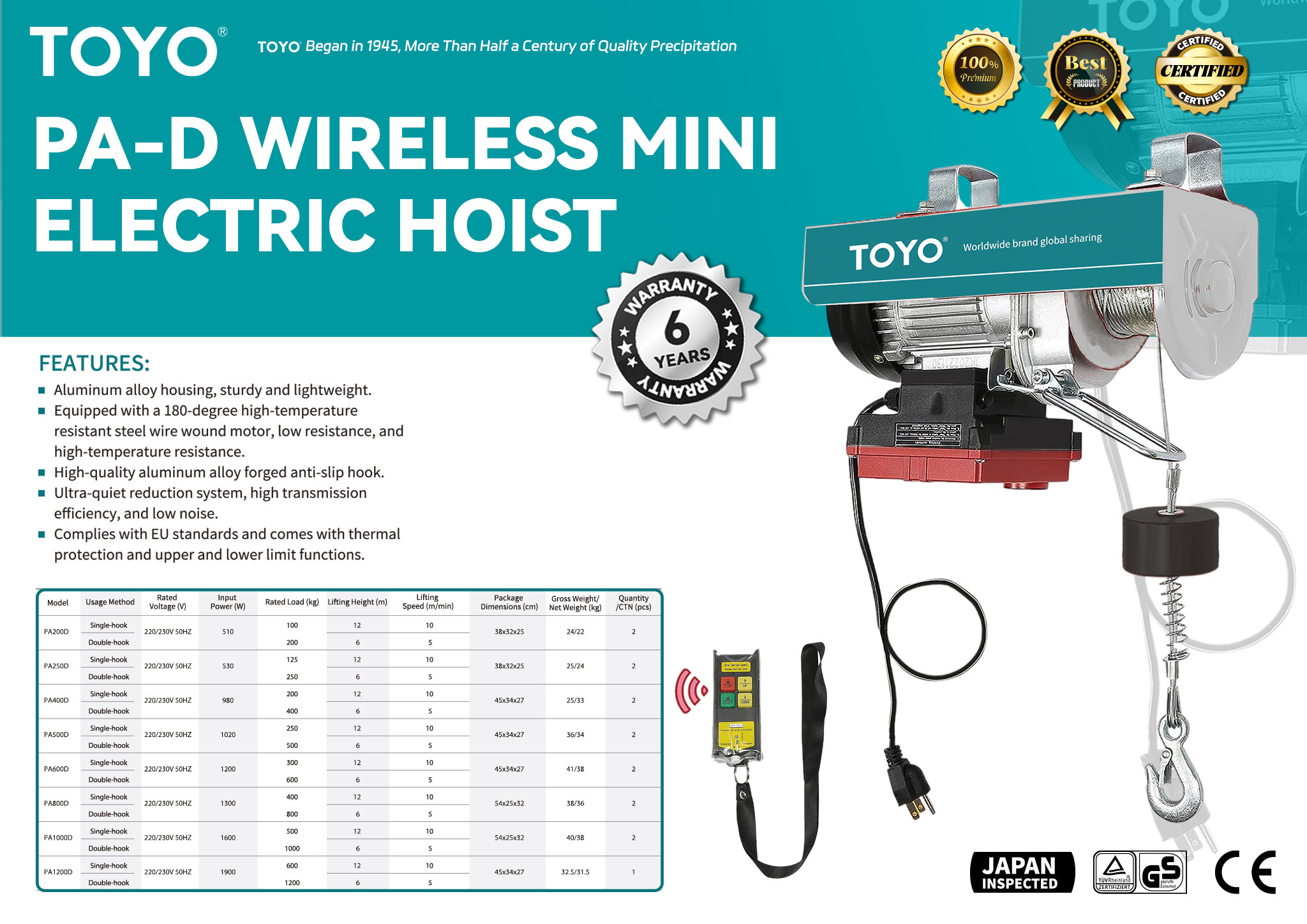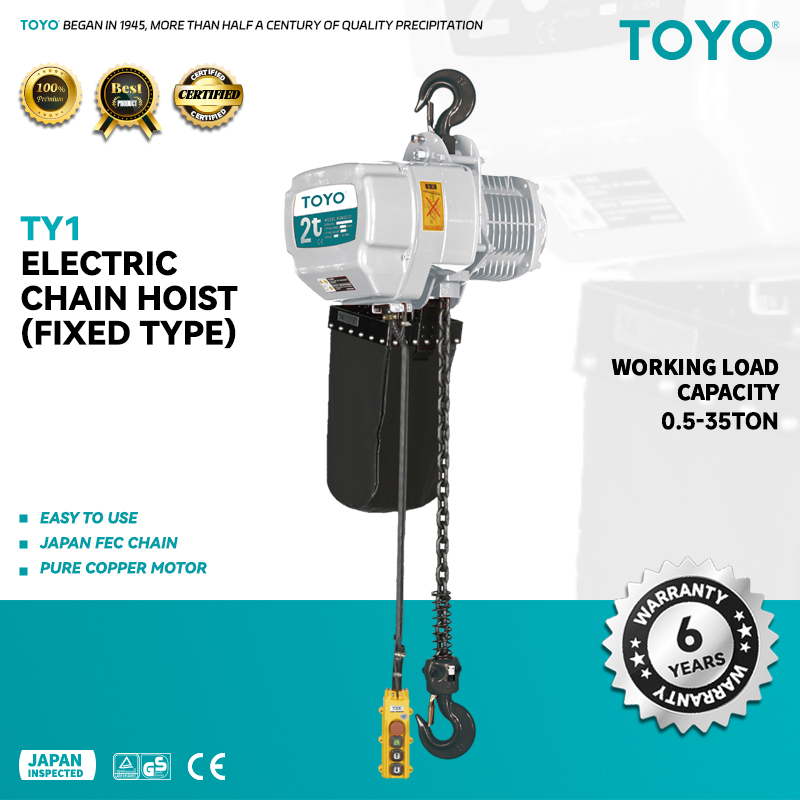
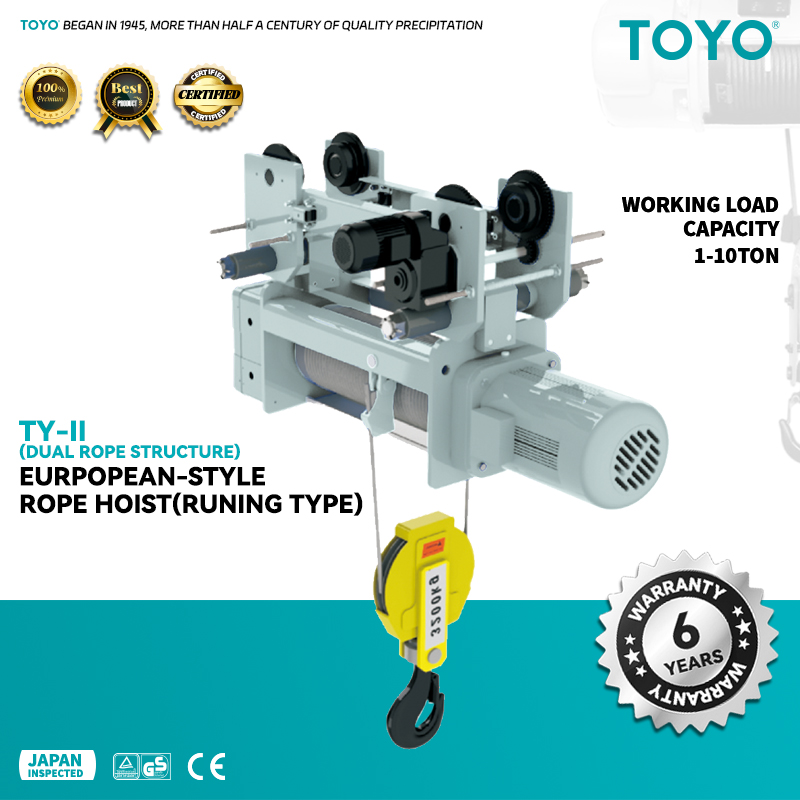
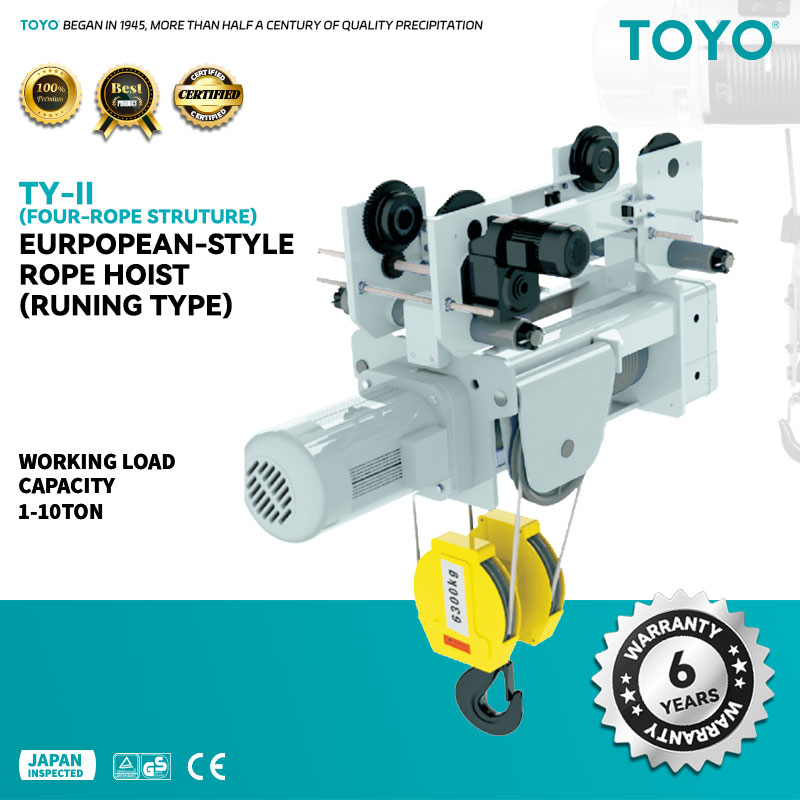
An electric hoist with trolley is a lifting device that combines vertical lifting and horizontal movement in a single system. The hoist raises or lowers the load, while the trolley allows the load to travel along a beam or track. This integrated design makes it especially useful in workshops, warehouses, production lines, and maintenance areas where materials need to be positioned precisely and efficiently.
Compared with stationary hoists, this configuration reduces manual handling, shortens handling time, and improves overall workflow safety.
How an Electric Hoist With Trolley Works
The system consists of two coordinated mechanisms. The hoisting unit uses an electric motor, gearbox, and load chain or wire rope to lift the load vertically. The trolley unit, driven either manually or electrically, moves the hoist along an I-beam or H-beam.
When the operator activates the controls, the hoist and trolley can work independently or together. This allows loads to be lifted, transported, and positioned without additional lifting equipment. In electrically driven trolleys, smooth acceleration and braking help reduce load swing and improve control during operation.
This combination is particularly valuable in environments where repetitive lifting and positioning are part of daily operations.
Key Components and Structural Advantages
An electric hoist with trolley is designed as a compact yet robust assembly. Its main components typically include:
| Component | Function |
|---|---|
| Hoist motor | Provides lifting power and controls speed |
| Load chain or wire rope | Bears the load during lifting |
| Trolley frame | Supports movement along the beam |
| Trolley motor or drive | Enables horizontal travel |
| Braking system | Ensures safe stopping and load holding |
| Control pendant | Allows precise operator control |
This integrated structure minimizes installation space and simplifies alignment. Because the hoist travels with the trolley, loads can be positioned accurately without repositioning the lifting point.
Typical Applications Across Industries
Electric hoists with trolleys are widely used wherever materials must be lifted and moved along a fixed path. Common applications include:
-
Assembly lines where components need to be positioned at multiple workstations
-
Warehouses for loading, unloading, and internal material transfer
-
Maintenance areas for equipment servicing and part replacement
-
Light manufacturing plants handling molds, tools, or fabricated parts
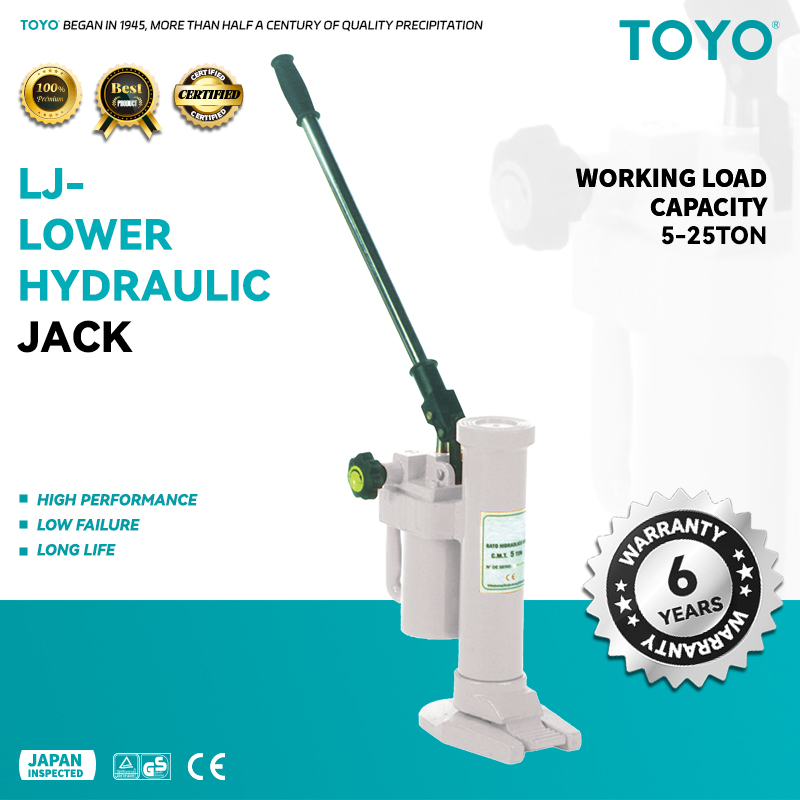
In many of these environments, operators may also rely on manual lifting solutions. Working with a reliable chain hoist supplier ensures that facilities can choose between electric and manual options depending on task frequency and load requirements.
Electric Hoist With Trolley vs. Manual Chain Hoist
While electric hoists with trolleys offer efficiency and precision, manual hoists still have their place. Understanding the differences helps in selecting the right equipment.
| Feature | Electric Hoist With Trolley | Manual Chain Hoist |
|---|---|---|
| Power source | Electric | Manual |
| Lifting speed | Consistent and adjustable | Operator-dependent |
| Horizontal movement | Integrated trolley | Usually fixed |
| Operator effort | Minimal | Higher |
| Suitable for | Frequent, repetitive tasks | Occasional or light-duty tasks |
For facilities that already use a chain hoist, upgrading to an electric hoist with trolley can significantly improve productivity where lifting frequency increases.
Selection Factors to Consider Before Installation
Choosing the right electric hoist with trolley requires careful evaluation of operating conditions. Key factors include:
-
Load capacity: Always select a hoist rated above the maximum working load.
-
Beam type and size: Ensure compatibility with existing runway beams.
-
Travel length: Determine how far the load needs to move horizontally.
-
Duty cycle: Consider how often the hoist will be used during a shift.
-
Environment: Dust, humidity, or temperature extremes may require special protection.
Proper selection not only improves safety but also extends equipment service life.
Safety and Maintenance Considerations
Safety is a critical aspect of hoisting operations. Electric hoists with trolleys are typically equipped with overload protection, limit switches, and reliable braking systems. Regular inspection of chains or wire ropes, brakes, and electrical components helps prevent unexpected failures.
Routine maintenance includes lubrication, checking fasteners, and verifying control responsiveness. A structured maintenance schedule reduces downtime and ensures consistent performance.
Frequently Asked Questions (FAQ)
1. What is an electric hoist with trolley used for?
It is used for lifting and transporting loads along a fixed beam, combining vertical and horizontal movement.
2. Can an electric hoist with trolley be installed on existing beams?
Yes, as long as the beam size and load capacity meet the hoist and trolley requirements.
3. Is an electric trolley better than a manual trolley?
Electric trolleys offer smoother movement and less operator effort, especially for frequent use.
4. What maintenance does an electric hoist with trolley require?
Regular inspection, lubrication, and electrical checks are essential for safe operation.
5. Can electric hoists replace manual chain hoists completely?
Not always. Manual hoists remain practical for low-frequency or emergency lifting tasks.
About TOYO
TOYO provides reliable lifting solutions designed for safety, durability, and practical operation. From manual hoists to electric lifting systems with integrated trolleys, TOYO supports customers with equipment that adapts to real-world working conditions and evolving material handling needs.