Abstract
This document presents a comprehensive examination of the operational principles behind the hydraulic car jack, a ubiquitous tool in automotive maintenance and industrial lifting. The central mechanism is rooted in Pascal's principle, which dictates how force is multiplied within an enclosed, incompressible fluid system. An analysis of the device's core components—including the pump piston, main ram, check valves, and hydraulic fluid—elucidates the mechanical process of converting small, manual inputs into substantial lifting power. The discourse systematically breaks down the cycle of operation, from the initial pump stroke that draws fluid to the final, controlled release that lowers the load. Distinctions between common types, such as the bottle jack and the floor jack, are explored in terms of their design, application, and operational characteristics. Furthermore, the text investigates common failure modes, preventative maintenance routines, and critical safety protocols. The objective is to provide operators, from enthusiasts to professionals, with a deep, functional understanding of how a hydraulic car jack works, fostering not only proficient use but also a profound respect for the physics and safety considerations inherent in its operation.
Key Takeaways
- Always operate a hydraulic jack on a solid, level surface to prevent tipping.
- Use jack stands to support the load; never work under a vehicle held only by a jack.
- Regularly inspect the jack for oil leaks, damage, and proper function before each use.
- Understanding how does a hydraulic car jack work helps in diagnosing issues like a spongy feel.
- Never exceed the jack's stated weight capacity to avoid catastrophic failure.
- Periodically check and maintain the hydraulic fluid level for optimal performance.
- Store the jack properly to protect it from corrosion and environmental damage.
Table of Contents
- The Foundational Physics: Deconstructing Pascal's Principle
- Anatomy of a Hydraulic Car Jack: A Tour of the Core Components
- The Mechanical Ballet: A Step-by-Step Guide to the Lifting Process
- A Tale of Two Jacks: A Comparative Analysis of Bottle and Floor Jacks
- When Good Jacks Go Bad: Identifying Common Failure Modes
- 7 Critical Safety Fails and How to Prevent Them
- The Art of Longevity: A Comprehensive Guide to Hydraulic Jack Maintenance
- Beyond the Garage: Advanced Concepts and Related Lifting Technologies
- Frequently Asked Questions (FAQ)
- A Final Reflection on Force and Responsibility
- References
The Foundational Physics: Deconstructing Pascal's Principle
To truly grasp the genius behind a hydraulic car jack, we must first travel back in time to 17th-century France and meet the brilliant mathematician and physicist, Blaise Pascal. It is his fundamental observation about fluid pressure that serves as the cornerstone for all hydraulic machinery, from the humble car jack to the colossal excavators that shape our landscapes. Without an appreciation for this principle, observing a hydraulic jack in action feels like witnessing a magic trick. With it, the magic dissolves into elegant, understandable science.
What is Pascal's Principle?
At its heart, Pascal's principle is deceptively simple. It states that a pressure change at any point in a confined, incompressible fluid is transmitted equally and undiminished to all points throughout the fluid (Serway & Jewett, 2018).
Let’s break that down. Imagine you have a sealed container completely filled with water—no air bubbles. If you push on one part of the container's surface, creating pressure, that exact same amount of pressure will be felt everywhere else inside that container. The fluid acts as a perfect messenger, carrying the news of that pressure change instantly and equally to every nook and cranny.
The key term here is "incompressible." While no fluid is perfectly incompressible, liquids like oil or water come remarkably close. When you apply force to them, their volume barely changes. They don't squash down like a sponge; instead, they transmit that force. This property is what makes them ideal for a hydraulic system. Gases, on the other hand, are highly compressible. If you tried to make a jack with air, pumping the handle would mostly just squeeze the air into a smaller space rather than lifting anything heavy.
Think of it like a crowded room where everyone is standing shoulder to shoulder. If someone pushes on a person at one end of the room, the person at the far end feels the push almost instantly because the "pressure" has been transmitted through the tightly packed crowd. That is the essence of what happens inside a hydraulic jack.
A Thought Experiment: Visualizing Force Multiplication
To see how this principle creates a mechanical advantage, let's conduct a thought experiment. Picture a U-shaped tube filled with oil. Both ends of the U are open at the top, but they are sealed with movable pistons that fit snugly, preventing any oil from leaking out.
Now, let's make one side of the U-tube very narrow and the other side very wide. The piston on the narrow side has a surface area of, say, 1 square centimeter. This is our "input" piston—the one we will push on. The piston on the wide side has a surface area of 20 square centimeters. This is our "output" piston, where the lifting happens.
According to Pascal's principle, if we apply a force to the small piston that creates 10 pounds per square centimeter (psi) of pressure, that same 10 psi of pressure is instantly transmitted throughout the oil. This means the large piston on the other side also experiences an upward pressure of 10 psi.
Here is where the magic happens. Since the large piston has an area of 20 square centimeters, the total upward force it experiences is the pressure multiplied by its area: 10 psi × 20 square centimeters. This results in a total lifting force of 200 pounds! We applied a small force on the small piston and generated a much larger force on the big piston. We have multiplied our force by a factor of 20. This is the fundamental concept that explains how does a hydraulic car jack work. We trade a small force applied over a long distance (many pumps of the handle) for a massive force exerted over a short distance (the slow, powerful rise of the jack).
The Mathematics Behind the Magic
The relationship can be expressed with a simple formula that elegantly captures the core of hydraulic power. If F₁ is the force applied to the small piston (area A₁) and F₂ is the resulting force on the large piston (area A₂), the pressure (P) in the system is the same everywhere:
P = F₁ / A₁ = F₂ / A₂
From this, we can rearrange the formula to find the output force:
F₂ = F₁ × (A₂ / A₁)
This equation is the mathematical heart of the hydraulic jack. It tells us that the output force (F₂) is equal to our input force (F₁) multiplied by the ratio of the areas of the two pistons. If the output piston is 50 times larger than the input piston, our force will be multiplied by 50. This force multiplication is what allows a person to generate the thousands of pounds of force necessary to lift a corner of a multi-ton vehicle using only the power of their arm. The trade-off, governed by the conservation of energy, is that the distance the small piston must travel is proportionally greater than the distance the large piston moves.
From Theory to Reality: The Role of Incompressible Fluids
The choice of fluid in a hydraulic system is not arbitrary. The "lifeblood" of a jack is a specially formulated hydraulic oil. This oil is chosen for several critical properties that make Pascal's vision a practical reality.
First, as mentioned, is its low compressibility. Under the immense pressures generated inside a jack (which can exceed several thousand psi), the oil's volume remains nearly constant, ensuring that the energy from the pump handle is efficiently transferred to lifting the load, not to compressing the fluid.
Second is its thermal stability. As the fluid is pressurized, its temperature can rise. A good hydraulic fluid maintains its viscosity (its thickness or resistance to flow) across a wide range of temperatures, ensuring consistent performance whether you're working in a chilly garage in Moscow or a hot workshop in Dubai.
Third, it contains anti-corrosion and anti-wear additives. The internal components of a jack are made of precisely machined metal. The hydraulic fluid forms a protective film over these parts, preventing rust and reducing friction and wear between moving components like the pistons and cylinder walls (Majumdar, 2011). Without these additives, the jack's internal parts would quickly degrade, leading to leaks and failure. This is why using the wrong fluid, like motor oil or brake fluid, can be detrimental to the health of your jack.
Anatomy of a Hydraulic Car Jack: A Tour of the Core Components
Understanding the principle is the first step. Now, let's open the black box and examine the physical parts that work together to make lifting possible. While designs vary between a compact bottle jack and a rolling floor jack, they all share a common set of core components. Think of it as an orchestra; each instrument has a distinct role, but they must all play in harmony to produce the beautiful music of mechanical advantage.
| Feature | Bottle Jack | Floor Jack |
|---|---|---|
| Primary Use | Lifting high-clearance vehicles (trucks, SUVs), industrial applications. | General automotive work, low-profile vehicles, workshop use. |
| Footprint | Small, vertical, and compact. | Long, low, and wide with wheels for mobility. |
| Lifting Mechanism | Vertical ram pushes directly upward from the base. | A pivot arm with a saddle lifts the load in an arc. |
| Stability | Less stable due to a small base; requires a perfectly flat surface. | More stable due to a wider stance and longer frame. |
| Portability | Highly portable and easy to store. | Heavier and bulkier, but mobile on smooth surfaces. |
| Cost | Generally less expensive for a given tonnage rating. | Generally more expensive due to complex frame and mobility features. |
The Heart of the System: The Pump Assembly
The pump assembly is where your effort is converted into hydraulic pressure. It consists of two main parts: the handle (or lever) and the pump piston (often called the plunger).
-
The Handle: This is the most visible part of the jack, the long metal bar you physically pump up and down. It functions as a simple lever, providing an initial stage of mechanical advantage. By applying force at the end of the long handle, you multiply the force exerted on the pump piston, making the pumping action easier. It's a classic example of a Class 1 lever, much like a seesaw.
-
The Pump Piston: This is a small-diameter cylinder that moves within a chamber. When you push the handle down, the handle pushes this small piston into the hydraulic fluid. Because of its small surface area, it can generate very high pressure with a relatively small amount of force, as we learned from Pascal's principle. When you lift the handle up, the piston retracts, ready for the next pressure stroke.
The Powerhouse: The Main Cylinder and Ram Piston
This is where the real work of lifting happens. The main cylinder is a much larger chamber that houses the main ram piston.
-
Main Cylinder: This is a robust, thick-walled cylinder designed to withstand the immense internal pressures of the hydraulic system. It is connected via a channel to the pump assembly.
-
Ram Piston (or Main Ram): This is the large-diameter piston that rises out of the jack's body to lift the load. Its large surface area is the key to force multiplication. The high pressure generated by the small pump piston acts on this large surface area, creating the powerful upward force needed to lift a vehicle. The top of the ram is fitted with a saddle, a grooved or textured plate designed to securely contact the vehicle's frame at a designated lift point.
The Gatekeepers: Check Valves and the Release Valve
Valves are the unsung heroes of the hydraulic jack. They are the traffic cops of the system, directing the flow of hydraulic fluid to ensure the jack lifts when you pump and stays up when you stop. Without them, the system would be useless.
-
Check Valves: A hydraulic jack typically has two check valves. These are one-way gates. The most common design is a simple ball-and-spring mechanism. A small steel ball sits over an opening, held in place by a light spring. Fluid can push the ball off its seat and flow past it in one direction, but if the fluid tries to flow backward, it pushes the ball firmly into the seat, creating a perfect seal.
- The suction check valve is located between the fluid reservoir and the pump cylinder. On the upstroke of the handle, it opens to allow fluid to be drawn from the reservoir into the pump.
- The pressure check valve is located between the pump cylinder and the main lifting cylinder. On the downstroke of the handle, pressure forces this valve open, allowing fluid to be pushed into the main cylinder to lift the ram. When you stop pumping, the pressure from the load trying to push back down on the ram holds this valve tightly shut, preventing the jack from lowering.
-
The Release Valve: This is the valve you manually operate to lower the jack. It is usually a screw-type valve that you turn with the end of the jack handle. When closed, it seals a channel connecting the high-pressure main cylinder back to the low-pressure fluid reservoir. When you slowly turn it counter-clockwise, you open this channel. The weight of the vehicle on the main ram pushes the fluid from the main cylinder, through the now-open release valve, and back into the reservoir, allowing the load to descend in a controlled manner.
The Lifeblood: Understanding Hydraulic Fluid
As discussed earlier, the hydraulic fluid is the medium that transmits the force. It is stored in a chamber within the jack's body called the reservoir. The reservoir holds the extra fluid needed to fill the main cylinder as the ram extends. It also serves as a place for the fluid to return to when the jack is lowered. Maintaining the correct fluid level in the reservoir is critical for the jack to reach its full lifting height.
The Supporting Structure: Reservoir, Saddle, and Casing
These components provide the physical integrity and user interface for the jack.
- Reservoir: This is the tank that holds the supply of hydraulic oil. In a bottle jack, it's typically the main outer body. In a floor jack, it's a dedicated chamber within the main assembly.
- Saddle: The point of contact with the vehicle. It's a small, often grooved or textured platform at the top of the main ram. Its purpose is to provide a secure, non-slip interface with the vehicle's designated lifting point.
- Casing/Frame: The entire outer body of the jack. It houses all the internal components, provides structural support, and in the case of a floor jack, includes the wheels and long frame that give it stability and mobility.
By understanding how these individual parts function and interact, the process of how a hydraulic car jack works ceases to be a mystery. It becomes a clear and logical sequence of mechanical and fluidic events.
The Mechanical Ballet: A Step-by-Step Guide to the Lifting Process
Now that we are familiar with the cast of characters—the pistons, valves, and fluid—let's watch the performance. The operation of a hydraulic jack is a beautiful, cyclical process, a mechanical ballet where each movement perfectly sets up the next. Let's break down a single pump cycle, slowing it down to see exactly what is happening inside.
Step 1: The Upstroke – Drawing Fluid into the Pump
The process begins when you pull the jack handle upwards. This is the "suction" or "intake" stroke.
- Handle Lifts: You lift the end of the handle. Through a simple pivot, this pulls the small pump piston (plunger) outwards from its cylinder.
- Creating a Vacuum: As the pump piston moves out, it increases the volume inside its cylinder. This creates a low-pressure area, a partial vacuum.
- Suction Valve Opens: The higher atmospheric pressure in the fluid reservoir now pushes fluid towards this low-pressure area. This pressure is enough to push the small ball in the suction check valve off its seat, opening the pathway.
- Pump Cylinder Fills: Hydraulic fluid flows from the reservoir, past the open suction check valve, and into the now-empty space in the pump cylinder.
At the end of the upstroke, the pump cylinder is fully charged with a small amount of hydraulic fluid, ready for the power stroke. During this entire phase, the pressure check valve remains firmly closed, held shut by the high pressure in the main cylinder from the weight of the load (or its own weight if unloaded).
Step 2: The Downstroke – Pressurizing the System
This is the power stroke, where your physical effort is converted into high pressure.
- Handle Pushes Down: You push the jack handle downwards. The lever action multiplies your force, driving the small pump piston inwards into its fluid-filled cylinder.
- Pressure Builds Rapidly: As the piston moves in, it attempts to compress the fluid. Because the fluid is incompressible, its pressure rises dramatically.
- Suction Valve Slams Shut: This rising pressure immediately acts in all directions. It forces the ball of the suction check valve firmly back onto its seat, sealing the path back to the reservoir. The fluid now has nowhere to go in that direction.
- Pressure Valve Opens: The only escape route for the highly pressurized fluid is towards the main lifting cylinder. The pressure becomes high enough to overcome the spring in the pressure check valve (and the pressure exerted by the load), pushing its ball off its seat.
- Fluid Enters Main Cylinder: The small volume of high-pressure fluid is forced out of the pump cylinder, flows past the now-open pressure check valve, and enters the bottom of the large main cylinder.
Step 3: Force Amplification in Action – Lifting the Load
This is the moment of truth, where Pascal's principle does its work.
- Pressure Acts on the Ram: The high-pressure fluid entering the main cylinder exerts its force over the entire bottom surface of the large main ram piston.
- Force is Multiplied: Because the surface area of the main ram is many times larger than the surface area of the pump piston, the initial force is multiplied proportionally. For example, if the area ratio is 40:1, a 50-pound force on the pump piston (after the handle's leverage) generates a 2,000-pound lifting force.
- The Ram Rises: This immense upward force pushes the main ram piston, and the saddle on top of it, upwards by a very small amount, lifting the load.
The amount the ram rises with each stroke is small, but the force is immense. You are trading distance for power. You pump the handle through a large arc to lift the vehicle just a few millimeters.
Step 4: Holding Steady – The Role of the Check Valve
What happens when you finish the downstroke and start to lift the handle for the next pump?
- Pressure Drops in Pump: As you lift the handle, the pressure in the pump cylinder drops.
- Pressure Valve Slams Shut: The moment the pressure in the pump cylinder falls below the pressure in the main cylinder, the huge pressure from the load pushes back down on the fluid. This pressure instantly slams the pressure check valve shut.
- Load is Trapped: The hydraulic fluid that was just forced into the main cylinder is now trapped. It cannot escape back into the pump cylinder because the pressure check valve is sealed shut. It cannot escape back to the reservoir because the release valve is also closed.
- The Jack Holds: With the fluid trapped, the main ram is hydraulically locked in its new, slightly higher position. The jack is now securely holding the load, waiting for your next pump stroke to repeat the cycle and lift it further.
This cycle—upstroke to draw fluid, downstroke to pressurize and lift, and the check valves automatically trapping the fluid—is repeated over and over, with each pump raising the load another small increment until the desired height is reached.
Step 5: The Controlled Descent – Opening the Release Valve
Lifting is only half the job. Lowering the vehicle safely is just as important.
- Engage the Release Valve: Using the slotted end of the jack handle, you engage the release valve screw.
- Slowly Turn to Open: You turn the valve slowly, usually counter-clockwise. This is not an on/off switch; it is a needle valve that allows for fine control.
- A Pathway Opens: As you turn the screw, it unseats a needle from an orifice, opening a small channel that connects the high-pressure main cylinder directly back to the low-pressure fluid reservoir.
- Fluid Returns to Reservoir: The immense weight of the vehicle on the main ram now provides the force. It pushes the fluid out of the main cylinder, through the open release valve, and back into the reservoir.
- Controlled Lowering: As the fluid leaves the main cylinder, the ram piston slowly and smoothly retracts into the jack body, lowering the vehicle. The speed of the descent is directly controlled by how much you open the release valve. Opening it just a crack allows for a very slow, safe descent. Opening it too quickly can cause the vehicle to drop suddenly, which is extremely dangerous.
This entire ballet is a testament to ingenious engineering, turning a simple scientific principle into a powerful, reliable, and controllable tool that is fundamental to modern mechanics.
A Tale of Two Jacks: A Comparative Analysis of Bottle and Floor Jacks
While all hydraulic jacks operate on the same core principle, their physical form dictates their function and suitability for different tasks. The two most common types found in workshops and home garages are the bottle jack and the floor jack. Understanding their distinct designs, advantages, and limitations is key to selecting the right tool and using it safely and effectively. Let's place them side-by-side to appreciate their differences.
| Feature | Bottle Jack | Floor Jack |
|---|---|---|
| Design & Footprint | Vertical, cylindrical ("bottle") shape with a small base. | Horizontal, low-profile frame with wheels and a long handle. |
| Lifting Action | A vertical ram extends directly upward. | A lifting arm pivots in an arc, moving the saddle up and slightly forward. |
| Stability | Lower stability due to a narrow base. Highly dependent on a perfectly flat surface. | Higher stability due to a wide, long wheelbase. More forgiving on slightly uneven surfaces. |
| Clearance Required | Requires higher initial clearance; not suitable for low-profile sports cars. | Low-profile models are available, making them ideal for vehicles with low ground clearance. |
| Portability & Storage | Very compact and lightweight for its capacity. Easy to store in a vehicle or on a shelf. | Bulky and heavy. Mobile within a workshop but not easily transported in a car. |
| Ease of Use | Pumping can be awkward due to a short, often multi-piece handle. Positioning can be difficult. | The long handle provides excellent leverage and allows operation from a standing position. Easy to roll and position under the vehicle. |
| Common Applications | Trucks, SUVs, commercial vehicles, industrial pressing, lifting structures. | General automotive repair, tire changes, professional garages, and home workshops. |
| Cost | Generally more affordable for a given lifting capacity. | More expensive due to the complex frame, wheels, and pivot mechanism. |
The Bottle Jack: Compact Power and Its Applications
The bottle jack earns its name from its appearance, which resembles a stout, metal bottle. Its design is a model of efficiency and vertical integration. The pump, reservoir, and main cylinder are all stacked vertically in a single, compact unit. This design makes them incredibly powerful for their size. It’s not uncommon to find a bottle jack that fits in a small box but can lift 20 tons or more.
Their strength lies in lifting heavy loads with high ground clearance. They are the standard-issue jack for most commercial trucks, buses, and heavy-duty pickups. Their small footprint allows them to be placed in tight spaces where a floor jack wouldn't fit, such as between frame members or for industrial applications like pushing, pressing, or separating heavy components. However, this small footprint is also their primary weakness. The narrow base makes them inherently less stable than a floor jack. They demand a perfectly solid and level surface to operate safely. Any slight angle or soft ground can cause the jack, and the load it's supporting, to tip over with disastrous consequences.
The Floor Jack: Mobility, Stability, and Professional Use
The floor jack, sometimes called a trolley jack, is the workhorse of the professional auto shop and the serious home garage. Its design prioritizes stability and ease of use over compact size. It features a long, low frame mounted on wheels (casters), a long, removable handle for pumping and maneuvering, and a lifting arm that pivots to raise the saddle.
The key advantage is stability. The wide stance and long frame distribute the load over a much larger area, making it far more stable than a bottle jack. The wheels make it incredibly easy to roll across a garage floor and precisely position the saddle under the vehicle's lift point. The long handle provides excellent leverage, making pumping less strenuous, and allows the operator to stand a safe distance away from the vehicle during the lift.
The lifting action is slightly different. Instead of a direct vertical lift, the saddle on a floor jack moves in an arc. As it goes up, it also moves slightly forward toward the jack's body. This is a crucial design feature. As a vehicle is lifted, its suspension geometry changes, and it may need to roll slightly. The wheels on the floor jack allow the entire jack to move with the vehicle, preventing dangerous side-loading forces on the jack's ram and the vehicle's frame. For anyone performing regular maintenance on passenger cars, especially those with lower ground clearance, a high-quality floor jack is an indispensable investment. Many manufacturers now offer specialized lifting equipment that includes advanced versions of these jacks.
Design Differences: Footprint, Lifting Arm, and Portability
The most apparent difference is the physical layout. A bottle jack is a tower of power; a floor jack is a low-slung chariot of lift. This fundamental difference in geometry dictates everything else.
-
Footprint and Stability: The bottle jack's small square or circular base concentrates all the force in a small area. The floor jack's long frame and wheels spread that force out, creating a much more stable triangle of support between the front wheels and the rear casters.
-
Lifting Mechanism: The bottle jack's direct vertical push is simple and efficient. The floor jack's pivot arm is a more complex mechanism but allows for a much lower starting height and a long reach under the vehicle. This is why low-profile floor jacks can slide under sports cars that a bottle jack could never approach.
-
Portability: There is no contest here. A bottle jack can be tucked into a trunk, a toolbox, or a small cubby. A floor jack is a permanent resident of the garage. While it is mobile on its own wheels, lifting a 40-kilogram (or heavier) floor jack into the back of a truck is a significant effort.
Choosing the Right Tool for the Job: A Practical Guide
The choice between a bottle jack and a floor jack is not about which is "better" but which is "right" for your specific needs.
-
For the Roadside Emergency Kit: A compact bottle jack is the clear winner. Its power-to-size ratio is unmatched, making it perfect for stowing in a car or truck for emergency tire changes.
-
For the Home Mechanic with a Truck or SUV: A heavy-duty bottle jack can be a cost-effective and perfectly adequate solution, provided you are always working on a hard, level surface like a concrete garage floor.
-
For the Enthusiast or Professional Mechanic: A floor jack is a non-negotiable tool. Its stability, ease of positioning, and safety benefits for regular, repeated use far outweigh its higher cost and larger size.
-
For Industrial or Construction Use: Bottle jacks are often preferred for their immense lifting capacity (up to 50 tons or more) and their ability to be used for pushing, spreading, or as components in hydraulic presses.
Ultimately, many well-equipped workshops will have both. They will use the floor jack for 95% of vehicle lifting tasks and keep a powerful bottle jack on the shelf for those specific situations where its unique combination of compact size and raw power is required.
When Good Jacks Go Bad: Identifying Common Failure Modes
A hydraulic car jack is a robust tool, but it is not invincible. It is a high-pressure system that relies on perfect seals and clean fluid to function correctly. Over time, with use and exposure to the elements, various issues can arise. Understanding these common failure modes is crucial for both safety and maintenance. Recognizing the early warning signs can help you prevent a catastrophic failure and know when a jack needs to be repaired or retired.
Hydraulic Fluid Leaks: The Slow Bleed of Power
This is the most common ailment to afflict a hydraulic jack. Leaks can be internal or external, but external leaks are the ones you will notice.
- Symptoms: You might see visible puddles or drips of oily fluid around the jack's base, near the pump handle pivot, or at the base of the main ram. A more subtle sign is when the jack slowly "drifts" or sinks under load. You lift the vehicle, and a few minutes later, it has noticeably lowered on its own.
- Causes: The primary cause of leaks is the degradation of seals. These are typically O-rings or U-cup seals made of a specialized rubber or polyurethane. Over time, they can become hard, brittle, and cracked due to age, exposure to dirt, or using the wrong type of hydraulic fluid. A scratch or nick on the main ram's polished surface can also tear a seal as it moves past, creating a leak path.
- Consequences: A minor leak is an inconvenience. A major leak, especially a sudden one under load, is a catastrophic failure. It results in a complete and immediate loss of lifting power, causing the vehicle to drop. This is precisely why you must never work under a vehicle supported only by a jack.
Seal Degradation: When the Barriers Break Down
This is the root cause of most leaks and many other internal problems. Seals are the soft, flexible parts in a world of hard steel. They are designed to be wear items, but their life can be shortened by several factors.
- Internal Leaks: Sometimes, a seal fails internally. For example, the seal on the pump piston might wear out. When this happens, during the downstroke, some of the high-pressure fluid leaks back past the piston instead of being forced into the main cylinder. The jack will feel "weak"—you pump the handle, but the ram barely rises or doesn't rise at all under load. You are putting in the effort, but the pressure is bleeding away internally before it can do its job.
- Causes of Degradation:
- Age: The materials simply break down over many years.
- Contamination: Dirt, grit, and moisture in the hydraulic fluid act like sandpaper, abrading the seals with every pump.
- Incorrect Fluid: Using fluids like motor oil, brake fluid, or transmission fluid can cause the seals to swell, soften, or dissolve, leading to premature failure.
- Overloading: Consistently using the jack beyond its rated capacity puts extreme stress on the seals, causing them to fail.
Air in the System: The Spongy Pedal and Its Dangers
Hydraulic systems work because the fluid is incompressible. If air gets into the system, that fundamental principle is compromised.
- Symptoms: The primary symptom is a "spongy" or "springy" feel when you pump the handle. The handle might move part of its travel with little resistance before it feels like it "engages." The jack may also fail to lift a load to its full height or may lift erratically.
- Causes: Air can be introduced in several ways. If the jack is stored or transported on its side, air from the reservoir can migrate into the cylinder system. It can also be drawn in past a worn seal if the fluid level is too low.
- Consequences: Air is compressible. When you pump the handle, your initial effort goes into squeezing the air bubbles into a smaller volume instead of moving the fluid. This makes the jack inefficient and unpredictable. In a worst-case scenario, the compressed air can cause jerky, uncontrolled movements of the ram, which is dangerous when positioning or lowering a heavy load. The solution to this problem is a procedure called "bleeding" or "purging" the jack, which is a key maintenance task.
Internal and External Corrosion: The Silent Destroyer
Rust is the enemy of any precision steel tool, and a hydraulic jack is no exception.
- External Corrosion: Rust on the outside of the jack, especially on the pump handle, frame, or wheels, is usually cosmetic. However, if it gets severe, it can weaken the structure. The most critical area for external corrosion is the main ram piston. If the polished chrome surface of the ram becomes pitted with rust, it will act like a file, chewing up the main seal every time the ram moves up or down, leading to inevitable leaks.
- Internal Corrosion: This is more insidious. It occurs when moisture gets into the hydraulic fluid. Water is heavier than oil and will settle at the lowest points in the system, causing rust on the finely machined surfaces of the cylinder walls, pistons, and valve seats. This corrosion can cause valves to stick or fail to seal properly, and the rust particles can circulate with the fluid, causing abrasive wear on all components.
- Causes: Storing the jack outdoors, in a damp basement, or allowing rain to enter the filler plug are common causes of moisture contamination.
Mechanical Wear and Tear: Stress on Pins, Wheels, and Arms
A hydraulic jack is not just a hydraulic system; it's also a mechanical one. The frame, wheels, pivots, and pins are all subject to immense physical stress.
- Symptoms: On a floor jack, you might notice wobbly wheels, a sloppy or loose-feeling handle, or groaning and creaking sounds from the pivot points of the lifting arm under load. The saddle might become worn or deformed.
- Causes: This is simply the result of repeated use, especially if the jack is rolled over rough surfaces or subjected to side-loading (pushing a vehicle sideways with the jack). Overloading the jack puts incredible stress on all these mechanical parts.
- Consequences: A worn pivot pin could shear, or a cracked frame could fail, leading to a sudden and complete collapse of the jack. Regular inspection of these mechanical components is just as important as monitoring the hydraulic system.
By being vigilant for these signs—leaks, sponginess, weakness, corrosion, and mechanical sloppiness—you can address problems early and ensure your jack remains a safe and reliable tool for years to come.
7 Critical Safety Fails and How to Prevent Them
Knowing how does a hydraulic car jack work is only half the battle. A jack is a tool that puts thousands of pounds of force under your control, and with that power comes a profound responsibility. The gap between a successful lift and a life-altering accident is often a single, preventable mistake. As of 2026, safety standards and equipment have improved, but the laws of physics remain unchanged. Let's examine the seven most critical safety failures and the simple, non-negotiable practices to prevent them.
Fail #1: Neglecting a Stable, Level Foundation
This is perhaps the most fundamental and most frequently ignored rule. A hydraulic jack, especially a bottle jack with its small base, is designed to push straight up.
- The Fail: Placing the jack on soft ground like asphalt on a hot day, dirt, gravel, or on a sloped driveway.
- The Physics: On soft ground, the small base of the jack concentrates the vehicle's weight into a tiny area and will sink, causing the jack to tilt. On a slope, the force of gravity is not acting straight down through the jack. There is a horizontal component of force that will try to push the jack over.
- The Consequence: The jack tilts and kicks out from under the vehicle, causing the car to fall instantly.
- The Prevention: Always work on a hard, level surface, preferably a concrete garage floor. If you absolutely must work on a less-than-ideal surface (like for a roadside emergency), use a load-spreader under the jack. A thick, solid piece of wood (like a 12×12 inch square of 3/4-inch plywood) can distribute the weight and provide a stable base.
Fail #2: Misusing the Jack as a Support Stand
This is the single most deadly mistake a person can make when working on a vehicle.
- The Fail: Getting any part of your body—a hand, an arm, your head, or your entire torso—under a vehicle that is supported only by a hydraulic jack.
- The Physics: A hydraulic jack is a lifting device, not a holding device. It relies on hydraulic pressure and small, delicate seals and valves to maintain that pressure. As we've discussed, these can and do fail. A seal can blow, a valve can get a piece of debris in it, or a leak can develop.
- The Consequence: The hydraulic system fails, and the jack collapses. The vehicle drops with crushing force in a fraction of a second. There is no time to react. This is a universally fatal mistake.
- The Prevention: This is absolute and non-negotiable. Once the vehicle is lifted to the desired height, immediately place appropriately rated jack stands under a solid part of the vehicle's frame or designated support points. Slowly lower the jack until the vehicle's weight is resting securely on the jack stands. Give the vehicle a firm shove to ensure it is stable before you even think about getting underneath it. The jack can then be left loosely in place as a backup, but the jack stands are what is keeping you safe.
Fail #3: Ignoring the Manufacturer's Lift Points
Every vehicle has specific points on its chassis or frame that are reinforced to handle the concentrated force of a jack.
- The Fail: Placing the jack saddle under the floor pan, a suspension component, the engine's oil pan, or any random part of the underbody.
- The Physics: The sheet metal of a car's floor pan is not designed to support thousands of pounds of force in one spot. It will buckle, bend, and potentially be punctured. Lifting on a suspension arm can damage the component and cause the vehicle to shift or slip off the jack.
- The Consequence: You can cause hundreds or thousands of dollars in damage to the vehicle. Worse, a slipping or buckling lift point can cause the vehicle to become unstable and fall off the jack.
- The Prevention: Consult your vehicle's owner's manual. It will have a diagram showing the exact, safe locations for placing a jack and jack stands. These are often on the pinch welds on the side of the car (look for notches) or on the main frame rails on a body-on-frame vehicle like a truck.
Fail #4: Exceeding the Rated Load Capacity
Every jack has a Working Load Limit (WLL) or rated capacity clearly marked on it (e.g., 2 Ton, 3 Ton, 20 Ton). This is the maximum weight the jack is certified to lift safely.
- The Fail: Using a 2-ton jack to try and lift one corner of a 5-ton commercial truck.
- The Physics: Overloading a jack places extreme stress on every single component: the hydraulic seals, the cylinder walls, the pivot pins, and the frame. The pressure inside the system can exceed what the components are designed to withstand.
- The Consequence: A seal can blow out, the frame can bend or crack, or a safety overload valve (if equipped) will activate, preventing the jack from lifting further. In a catastrophic failure, the jack can physically break apart under the strain.
- The Prevention: Know the approximate weight of your vehicle (check the sticker on the driver's door jamb). Remember, you are usually only lifting one corner, which is roughly 25-30% of the total vehicle weight. However, it is always best to have a jack rated for at least 50-75% of the vehicle's total weight to provide a generous safety margin. Never guess.
Fail #5: Performing "Shock Loading" or Sudden Movements
A hydraulic jack is designed for slow, smooth, and controlled lifting and lowering.
- The Fail: Dropping the vehicle by opening the release valve too quickly. Pumping the handle frantically and erratically.
- The Physics: Shock loading is the application of a sudden force or a rapid change in force. When you drop a vehicle, the dynamic forces generated can be many times greater than the static weight of the vehicle, placing an immense shock on the jack, the jack stands, and the vehicle itself.
- The Consequence: Dropping a car can damage suspension components. It can cause jack stands to shift or fail. Rapid, jerky pumping can introduce instability.
- The Prevention: Always be deliberate and smooth. Pump the handle with a steady, even rhythm. When lowering, turn the release valve very slowly, just until the vehicle begins to descend. Maintain a slow, controlled rate of descent all the way down.
Fail #6: Working Under a Load Supported Only by the Jack
This point is so important it bears repeating in a different context. It is the cardinal sin of automotive work.
- The Fail: Reaching under the car to retrieve a dropped tool, adjust something, or perform a "quick" task while the car is on the jack alone.
- The Physics: It only takes a fraction of a second for a hydraulic failure to occur. There is no "quick" task that is faster than the speed of gravity.
- The Consequence: Severe injury or death.
- The Prevention: The rule is simple: If the wheels are off the ground, the jack stands are in place. No exceptions. No excuses.
Fail #7: Skipping Pre-Use Inspections
Complacency is a killer. Using a tool without confirming it is in safe working order is a gamble.
- The Fail: Grabbing the jack and immediately starting to lift without giving it a once-over.
- The Physics: A small crack in the frame, a weeping leak you didn't notice, or a wobbly wheel can all be precursors to failure under load.
- The Consequence: The jack fails mid-lift, potentially damaging the vehicle or causing injury.
- The Prevention: Before every single use, perform a quick 30-second inspection. Look for any signs of hydraulic fluid leaks. Check for cracks, bends, or damage to the frame, handle, and saddle. On a floor jack, check that the wheels and casters pivot and roll freely. Give the jack a few test pumps without a load to ensure it rises and lowers smoothly. This simple ritual can save you from a world of trouble.
The Art of Longevity: A Comprehensive Guide to Hydraulic Jack Maintenance
A high-quality hydraulic jack is a significant investment, and like any good tool, it will serve you faithfully for decades if you give it the proper care. Maintenance is not just about ensuring reliability; it is a fundamental aspect of safe operation. A well-maintained jack is a predictable and safe jack. The following procedures are the key rituals that will protect your investment and your personal safety.
The Ritual of Inspection: What to Check Before Every Use
We touched on this in the safety section, but it deserves a deeper look. This shouldn't be a chore but a habit, like a pilot's pre-flight checklist. It takes less than a minute.
- Visual Scan for Leaks: Look carefully around the entire jack. Pay close attention to the base, the area around the pump piston, and the seal at the bottom of the main ram. Any sign of fresh, oily residue is a red flag that a seal may be failing.
- Structural Integrity Check: Examine all welded joints for any signs of cracking. Look at the frame, lifting arm (on a floor jack), and saddle for any bending or deformation. A bent component is a weakened component.
- Mechanical Function Check: For a floor jack, check the wheels. Do they roll freely? Do the rear casters swivel as they should? A stuck wheel can introduce dangerous side-loading forces during a lift. Wiggle the handle in its socket—a little play is normal, but excessive sloppiness could indicate wear.
- Test Cycle: Before placing it under a load, give the handle a few pumps. Does the ram rise smoothly and without hesitation? Check the release valve. Does it open and close properly, allowing the ram to lower in a controlled manner? If the action feels spongy or jerky, the jack may have air in its system.
Bleeding the System: Purging Trapped Air for Optimal Performance
Air is the enemy of any hydraulic system. If your jack feels spongy, won't lift a load properly, or fails to reach its full height, it almost certainly needs to be bled. This process purges the trapped air and restores the system's solid, incompressible state. The exact procedure can vary slightly between models, so consulting the manufacturer's manual is always the best first step. However, the general process is quite similar for most jacks.
- Preparation: Place the jack on a level surface. Ensure the ram is fully lowered. Locate the release valve and the oil filler plug. The filler plug is usually a rubber or plastic bung on the side of the reservoir housing.
- Open the Valves: Open the release valve by turning it counter-clockwise one or two full turns. This ensures an open path from the main cylinder back to the reservoir.
- Remove the Filler Plug: Carefully pry open or unscrew the oil filler plug. This allows air to escape the system freely. You may hear a slight hiss as pressure equalizes.
- Pump the Handle: With both the release valve and filler plug open, vigorously pump the jack handle through its full range of motion for 10-15 strokes. This action circulates the fluid through the entire system, pushing any trapped air bubbles towards the reservoir, where they can escape out of the filler plug opening.
- Seal the System: While continuing to hold the handle down on its last stroke, close the release valve by turning it clockwise until it is snug. Then, reinstall the oil filler plug, ensuring it is seated correctly to prevent contamination.
- Test: The jack should now feel firm and responsive. Pump it up to its full height to confirm it is operating correctly. If it still feels spongy, you may need to repeat the bleeding process.
Topping Off and Changing Hydraulic Fluid: A Guide
The hydraulic fluid is the lifeblood of the jack. It can become contaminated with moisture and dirt over time, and the level can drop due to minor seepage.
- Checking the Fluid Level: With the jack on a level surface and the ram fully retracted, remove the oil filler plug. The fluid level should typically be right at the bottom of the filler plug hole. If you need to tilt the jack to see the fluid, it's too low.
- Topping Off: If the level is low, you must add the correct type of fluid. Use only high-quality hydraulic jack oil. Do not use motor oil, brake fluid, transmission fluid, or any other substitute. These fluids lack the specific properties of hydraulic oil and can damage the seals (National Fluid Power Association, 2017). Using a small funnel or oil can, slowly add fluid until it reaches the correct level. Be careful not to overfill, as this can prevent the ram from fully retracting.
- Changing the Fluid: For a jack that sees regular use, it's good practice to change the fluid every one to two years. To do this, open the release valve, remove the filler plug, and turn the jack on its side to drain all the old, contaminated oil into a suitable container. Pump the handle a few times to force out any residual fluid. Dispose of the old oil responsibly. Then, with the jack upright, slowly refill the reservoir with fresh hydraulic jack oil to the proper level. After refilling, it is essential to bleed the system to remove any air introduced during the process.
Lubrication Points: Keeping Moving Parts Healthy
A hydraulic jack also has several mechanical pivot and contact points that require lubrication to prevent wear and corrosion.
- Floor Jacks: Pay special attention to the pivot points for the lifting arm, the connection point for the handle, and the axles for all the wheels and casters. A light application of general-purpose grease or a heavy-duty spray lubricant every few months will keep everything moving smoothly.
- Bottle Jacks: The main point of mechanical lubrication is the screw extension at the top of the ram (if equipped). A small amount of grease on these threads will prevent them from binding.
Proper Storage: Protecting Your Investment from the Elements
How you store your jack when it's not in use has a significant impact on its lifespan.
- Store with the Ram Retracted: Always store the jack with the main ram and pump piston fully retracted (lowered). This protects the polished chrome surfaces of the pistons from exposure to moisture and physical damage, which could lead to rust and seal damage.
- Clean and Dry Environment: Store the jack in a clean, dry place. Avoid leaving it outside or in a perpetually damp corner of the garage. This is the single best way to prevent corrosion.
- Correct Orientation: Store the jack in its proper upright position. Storing a jack on its side can allow air to migrate from the reservoir into the hydraulic cylinders, requiring you to bleed it before its next use.
By integrating these simple maintenance routines into your workflow, you transform your relationship with the tool. It is no longer a disposable item but a piece of precision equipment that you are preserving through careful stewardship. A well-maintained jack is a testament to a professional and safety-conscious mindset.
Beyond the Garage: Advanced Concepts and Related Lifting Technologies
Our exploration of how does a hydraulic car jack work has given us a solid foundation in the core principles of fluid power. But this is just the tip of the iceberg. The world of hydraulics is vast, and understanding some advanced concepts and related technologies can provide a richer context for the simple jack and showcase the scalability of its underlying physics. It also connects us to a broader family of powerful lifting equipment.
Hydraulic vs. Mechanical vs. Pneumatic Jacks: A Comparative Analysis
The hydraulic jack is not the only tool for lifting. Its main competitors are mechanical and pneumatic jacks, each with distinct advantages and disadvantages.
-
Mechanical Jacks: The most common example is the scissor jack that often comes with a passenger car for emergency tire changes. It operates using a simple threaded screw. As you turn the handle, the screw draws the arms of the scissor mechanism together, converting rotational motion into vertical lift.
- Pros: Very simple, lightweight, inexpensive, and generally reliable. They cannot leak or fail hydraulically.
- Cons: They require significantly more physical effort to operate, are much slower, and have a lower lifting capacity. The screw threads can wear out or become damaged. They are not suitable for heavy-duty or frequent use.
-
Pneumatic Jacks: These jacks use compressed air instead of an incompressible fluid. A common type is the airbag jack, which is essentially a heavy-duty inflatable bag. You connect it to an air compressor, and as the bag inflates, it lifts the vehicle.
- Pros: Extremely fast lifting, very easy to operate (just the flip of a valve), and can have a very low profile.
- Cons: They require a large air compressor, which is not portable. The lifting action can be less precise and harder to control than a hydraulic jack. They are also susceptible to punctures, though they are built from very tough materials. They are popular in high-volume tire shops where speed is paramount.
The hydraulic jack represents a perfect balance: far more powerful and easier to use than a mechanical jack, and more portable and controllable than a pneumatic jack, making it the most versatile of the three for general-purpose lifting.
The Role of Overload Protection Valves in Modern Jacks
A critical safety feature found in most quality hydraulic jacks manufactured in 2026 is an overload protection valve. This is a type of pressure relief valve built into the hydraulic circuit.
- How It Works: The valve is calibrated to a specific pressure that corresponds to the jack's maximum rated lifting capacity. If you attempt to lift a load that is too heavy, the hydraulic pressure will rise until it reaches this preset limit. At that point, the overload valve will automatically open, diverting excess fluid back to the reservoir.
- The Effect: The jack will simply stop lifting. You can continue to pump the handle, but the ram will not rise any further. It physically prevents the operator from exceeding the safe structural and hydraulic limits of the tool.
- Why It's Important: This feature acts as a crucial failsafe against operator error. It prevents the catastrophic failures—like a bent frame or a blown cylinder—that can result from attempting to lift a load that is dangerously overweight for the jack. It's an invisible guardian angel inside your tool.
Innovations in Jack Technology
While the basic principle remains the same, manufacturers are constantly innovating to make jacks safer, faster, and easier to use.
- Rapid Pump / Dual Piston Systems: Many modern floor jacks feature a dual-piston pump system. One larger piston is used to quickly raise the saddle to the vehicle's chassis with just a few pumps. Once the saddle makes contact with the load and resistance is felt, the system automatically switches to the smaller, high-pressure piston to do the heavy lifting. This "rapid pump" feature significantly reduces the time and effort required for each lift.
- Low-Profile and Ultra-Low-Profile Designs: As sports cars and modified vehicles have become lower to the ground, a market has emerged for floor jacks with extremely low starting heights. These designs require sophisticated engineering of the lifting arm and frame to fit into clearances of just a couple of inches, something a standard bottle jack or scissor jack could never do.
- Integrated Jack/Stand Systems: Some innovative designs combine the hydraulic jack and the jack stand into a single unit. You lift the vehicle with the hydraulic portion, then engage a mechanical locking mechanism to turn the tool into a solid support stand, eliminating the need for a separate set of stands.
The Broader World of Lifting: From Jacks to Hoists
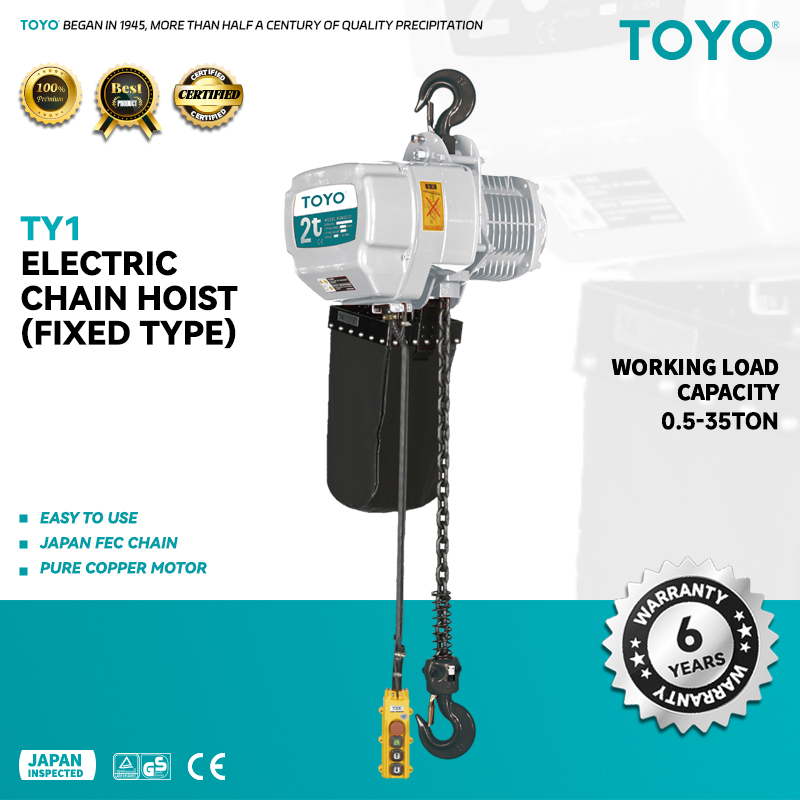
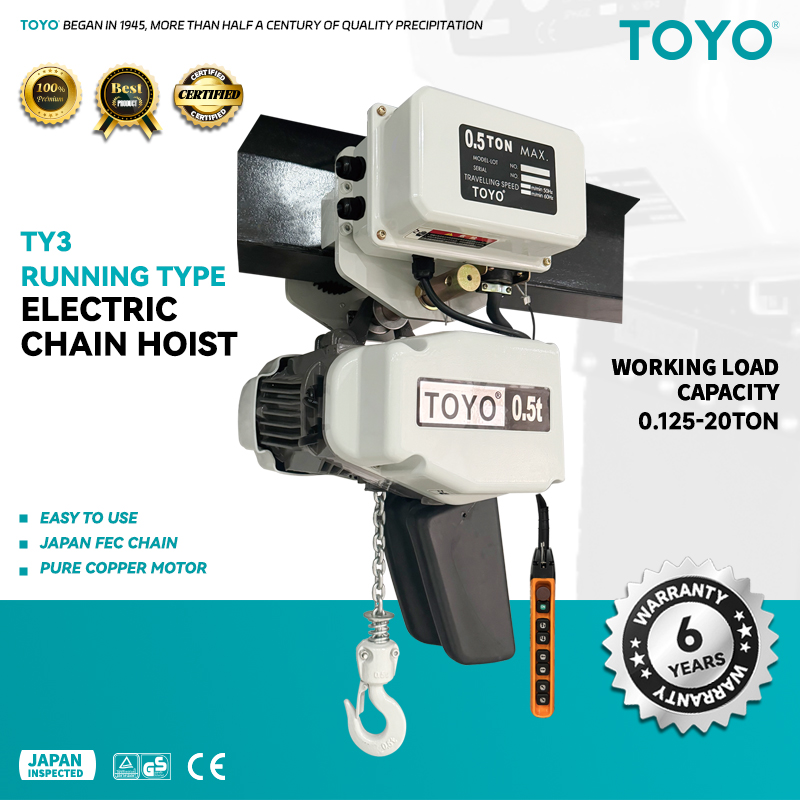
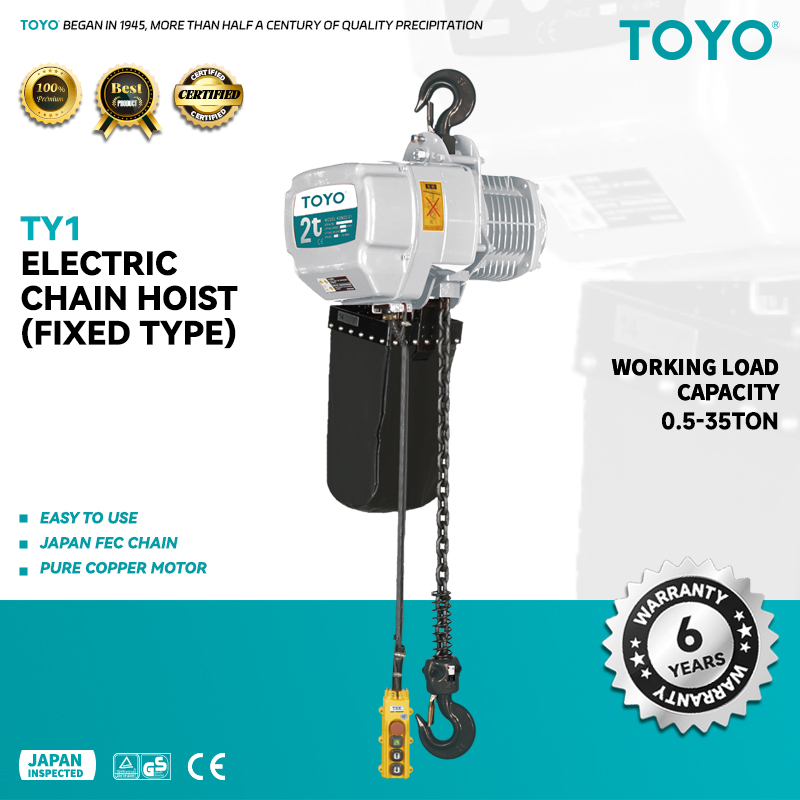
The principles of mechanical and force advantage are not limited to jacks. They are the foundation of a whole family of industrial lifting equipment. For instance, tools like manual chain hoists operate on a similar idea but use gears and chains instead of hydraulics (Weihua Crane, 2025). By pulling on a light hand chain, you rotate a system of reduction gears. These gears turn a load sprocket that pulls up a heavy-duty load chain, multiplying your force to lift loads weighing many tons. Just as a hydraulic jack trades pumping distance for lifting force, a chain hoist trades the length of chain you pull for lifting force. Understanding one helps you appreciate the other; they are different dialects of the same language of mechanical advantage, essential for industries from manufacturing to construction .
This perspective shows that the humble hydraulic car jack is not an isolated piece of technology. It is a gateway to understanding a fundamental principle of engineering that powers our world, lifting everything from a hatchback car to the massive components of a skyscraper.
Frequently Asked Questions (FAQ)
1. Why does my hydraulic jack feel "spongy" and not lift properly?
A spongy or springy feeling when pumping the handle is the classic symptom of air being trapped in the hydraulic system. Because air is compressible and hydraulic fluid is not, your effort goes into squeezing the air bubbles instead of lifting the load. The solution is to "bleed" or "purge" the jack by following the manufacturer's procedure to circulate the fluid and expel the trapped air.
2. Can I use motor oil or brake fluid in my hydraulic jack?
No, you should never use any fluid other than a high-quality hydraulic jack oil. Motor oil, brake fluid, and transmission fluid have different viscosities, additives, and properties. Using the wrong fluid can cause the delicate rubber seals inside the jack to swell, degrade, or dissolve, leading to leaks and eventual failure of the jack.
3. How do I know what weight capacity jack I need for my vehicle?
First, find your vehicle's gross vehicle weight (GVW) on the sticker inside the driver's door jamb. A good rule of thumb is to choose a jack with a rated capacity of at least 75% of your vehicle's total weight. For example, for a 4,000 lb (2-ton) car, a 1.5-ton jack might work, but a 2-ton or 3-ton jack provides a much safer margin. Remember, you are only lifting a portion of the vehicle, but a higher capacity jack is built more robustly and operates under less stress.
4. What is the difference between a bottle jack and a floor jack?
A bottle jack is vertical, compact, and great for lifting high-clearance vehicles like trucks, but it has a small, less stable base. A floor jack is long, low, and has wheels, making it more stable and easier to position under a car. Floor jacks are preferred for general automotive work in a garage, while bottle jacks are valued for their portability and power in a small package.
5. Why won't my jack lift all the way up?
If your jack won't extend to its full height, the most common cause is a low hydraulic fluid level. When the ram extends, fluid from the reservoir fills the main cylinder. If there isn't enough fluid in the reservoir, the ram will stop rising once the fluid runs out. Check the fluid level with the ram fully retracted and top it off as needed with the correct hydraulic jack oil.
6. Is it safe to leave a car on a hydraulic jack overnight?
Absolutely not. A hydraulic jack is a lifting device, not a support device. The hydraulic seals can leak or fail over time, causing the jack to slowly (or quickly) lower. Any time you are leaving a vehicle raised for an extended period, or any time you are working under it, you must support it with appropriately rated mechanical jack stands.
7. How often should I change the hydraulic fluid in my jack?
For a jack that sees regular, professional use, it's a good practice to change the fluid annually. For a home-use jack that is used less frequently, changing the fluid every 2-3 years is sufficient. This removes moisture and contaminants that can cause internal corrosion and wear.
8. My jack is leaking oil. Can I still use it?
A leaking jack is an unsafe jack. A small weep might seem minor, but it is an indication of a failing seal. Under the immense pressure of a load, that small weep can turn into a major blowout, causing the jack to fail suddenly. A leaking jack should be taken out of service immediately and either repaired with a new seal kit or replaced.
A Final Reflection on Force and Responsibility
Our journey through the inner workings of the hydraulic car jack has taken us from the elegant physics of Pascal's principle to the practical realities of maintenance and safety. We have seen how a simple lever and the properties of an incompressible fluid can be orchestrated to multiply human effort into a force capable of lifting tons. The device is a testament to human ingenuity—a tool that empowers us to perform tasks that would otherwise be impossible.
Yet, this empowerment comes with a weighty responsibility. The same forces that allow us to lift a vehicle also have the potential to cause immense harm if not respected and controlled. Understanding how the jack works is not merely an academic exercise; it is the foundation of safe operation. Knowing that the entire system relies on a few small seals and one-way valves instills a healthy respect for its limitations and reinforces the non-negotiable rule of never trusting it as the sole means of support.
A well-maintained jack, used with knowledge and caution, is a reliable partner in the workshop. It is a bridge between human-scale effort and machine-scale weight. By mastering its principles, practicing diligent maintenance, and adhering to unwavering safety protocols, we honor the ingenuity of its design and, most importantly, ensure our own well-being while we work. The hydraulic jack is more than just a tool; it is a physical lesson in force, pressure, and the profound responsibility that comes with wielding them.
References
Jindiao Lifting. (2025, December 3). A step-by-step guide: How to use a chain hoist with 7 expert safety checks. https://www.jindiaolifting.com/ru/a-step-by-step-guide-how-to-use-a-chain-hoist-with-7-expert-safety-checks/
Majumdar, S. R. (2011). Oil hydraulic systems: Principles and maintenance. Tata McGraw-Hill Education.
National Fluid Power Association. (2017). Fluid power industry growth trend, 2017-2021.
Serway, R. A., & Jewett, J. W. (2018). Physics for scientists and engineers (10th ed.). Cengage Learning.
Swllift Equipment Co., Ltd. (2026). About SWLLIFT intelligent equipment co., ltd. https://swlllift.com/
TOYO Industry. (2026a). About TOYO Industry.
TOYO Industry. (2026b, March 26). Top industrial applications of electric chain hoists. https://www.toyo-industry.com/ru/top-industrial-applications-of-electric-chain-hoists/
Weihua Crane. (2025, November 25). What do all chain hoists use to lift heavy loads?https://www.weihualargecrane.com/blog/what-do-all-chain-hoists-use-to-lift-heavy-loads/