Abstract
The procedure for lowering a hydraulic jack, a task often perceived as the simple conclusion to a lifting operation, is a critical moment governed by principles of fluid dynamics and mechanical precision. A failure in this final stage can precipitate catastrophic outcomes, jeopardizing both the object being supported and the operator's safety. This document provides a thorough examination of the controlled release of hydraulic pressure, a process fundamental to the safe operation of both bottle and floor jacks. It deconstructs the mechanics of the release valve, analyzing the physical forces at play and the operator's role in modulating them. The discussion extends beyond mere procedural steps to encompass the preparatory safety protocols, the cognitive discipline required for a slow and steady descent, and the identification of common but dangerous errors. By situating the practical steps of how to lower a hydraulic jack within a broader framework of mechanical understanding and ethical responsibility, this guide aims to cultivate a deep, functional literacy for professionals and enthusiasts, transforming a routine task into a deliberate act of engineering safety.
Key Takeaways
- Always confirm the load is secured on appropriately rated jack stands before starting the descent.
- Locate the jack's release valve and turn it counter-clockwise extremely slowly to initiate a controlled drop.
- A mastery of how to lower a hydraulic jack is defined by smooth, gradual, and predictable movement.
- Never position any part of your body under the load during the lowering process.
- Clear the area around the load of all tools, equipment, and personnel before release.
- Regularly inspect your jack's hydraulic system for leaks or damage that could compromise safety.
- After use, store the jack with the ram fully retracted to protect it from corrosion and damage.
Table of Contents
- The Unseen Science: Understanding the Hydraulic Jack's Descent
- A Preparatory Ritual: Pre-Lowering Safety Protocols
- Comparing Hydraulic Jack Lowering Mechanisms
- The Controlled Descent: A Step-by-Step Guide to Lowering a Hydraulic Jack
- Avoiding Disaster: 5 Critical Safety Fails When Lowering a Jack
- Lifting Equipment Ecosystem: A Comparative Analysis
- Beyond the Basics: Advanced Considerations and Troubleshooting
- The Ethical Operator: Cultivating a Culture of Workshop Safety
- Frequently Asked Questions (FAQ)
- Conclusion
- References
The Unseen Science: Understanding the Hydraulic Jack's Descent
Before we can confidently command a hydraulic jack to lower a multi-ton load, we must first appreciate the elegant physics that allows it to function. The act of lowering is not simply a release; it is the controlled reversal of a powerful principle. To understand how to lower a hydraulic jack safely is to understand the dialogue between pressure, fluid, and mechanics. It's a conversation that, when rushed, can have devastating consequences. Let's think of it not as an afterthought but as a deliberate and skillful maneuver, as important as the lift itself.
Pascal's Principle in Reverse: The Physics of Releasing Pressure
At the heart of every hydraulic jack lies a principle articulated by the French physicist Blaise Pascal in the 17th century. Pascal's principle states that a pressure change at any point in a confined, incompressible fluid is transmitted equally to all points throughout the fluid (Cutnell & Johnson, 2018). When you pump the jack's handle, you are using a small piston to apply force to the hydraulic fluid. This force creates pressure, which is transmitted through the fluid to a much larger piston (the ram), multiplying the force and enabling you to lift an immense weight with relatively little effort. A check valve system ensures the fluid can only travel in one direction, holding the pressure and keeping the load elevated.
The process of lowering the jack is essentially the controlled deconstruction of this system. It involves opening a release valve. This valve is a small, precisely engineered channel that, when opened, creates a bypass circuit. It allows the high-pressure fluid under the main ram to flow back into the jack's reservoir. The weight of the load you lifted is now the force pushing down on the ram, squeezing the fluid out through this newly opened channel. The speed of the descent is therefore directly proportional to how much you open this valve. Think of it like a dam's spillway. A tiny crack in the gate allows a gentle, controllable stream to pass through. Throwing the gate wide open unleashes a destructive flood. Your hand on the release valve is the gatekeeper, and your task is to allow for a gentle, manageable stream of hydraulic fluid.
Anatomy of the Release Mechanism: Bottle Jacks vs. Floor Jacks
While the underlying principle is the same, the physical interface for initiating the descent differs between the two most common types of hydraulic jacks: the bottle jack and the floor jack. Recognizing these differences is fundamental to the practical application of knowing how to lower a hydraulic jack.
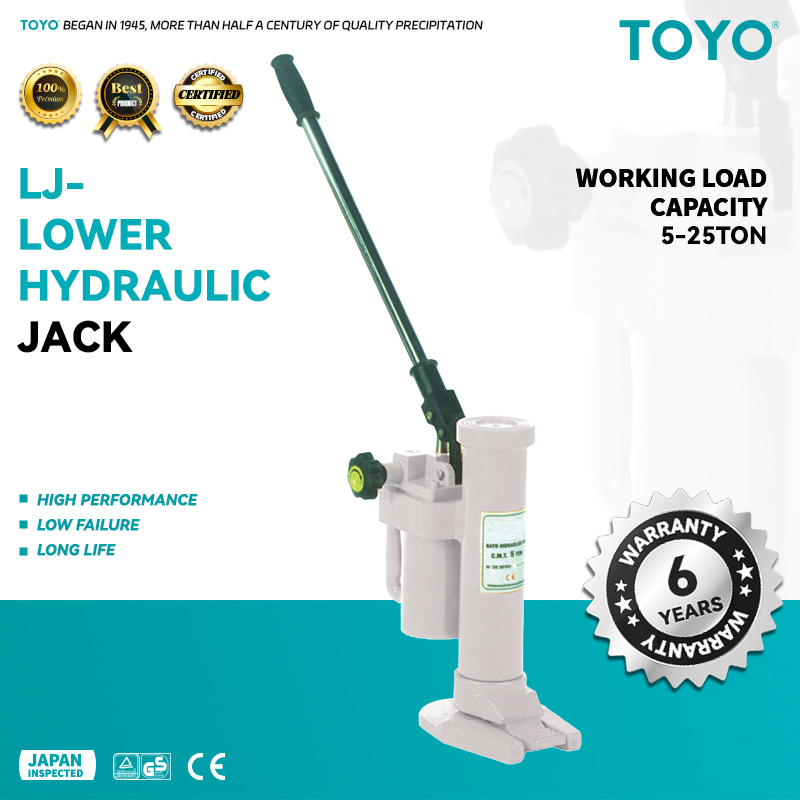
A bottle jack, with its characteristic vertical, bottle-like shape, is prized for its compact power. Its release mechanism is typically a small, slotted screw valve located at the base of the jack. To operate it, you often use the notched end of the two-piece handle that came with the jack. Inserting the notch into the screw and turning it counter-clockwise opens the valve. The degree of turn is exceptionally sensitive; often, a mere one-eighth or one-quarter of a turn is enough to begin a slow, controlled descent. Turning it too far or too quickly will cause the load to drop abruptly.
A floor jack, the wheeled workhorse of most automotive shops, offers greater stability and ease of positioning thanks to its long frame and casters. Its release mechanism is ingeniously integrated into the long handle (the pump lever). To lower a floor jack, you simply twist the handle, usually counter-clockwise. The internal mechanism connects this twisting motion to the release valve. This design allows the operator to stand further away from the load during the lowering process, which is a significant safety advantage. The control is still just as sensitive as on a bottle jack. A slow, deliberate twist is required to bleed the pressure off gradually. Some higher-end floor jacks feature special "slow-release" mechanisms that provide a more forgiving and linear response, but one should never rely on this and must always practice a slow, methodical technique.
The Role of Hydraulic Fluid Viscosity and Temperature
The hydraulic fluid itself is the lifeblood of the jack, and its properties can significantly influence the lowering process. Viscosity, a measure of a fluid's resistance to flow, is a key factor. A fluid with higher viscosity will flow more slowly through the release valve's orifice than a fluid with lower viscosity, all other things being equal.
Temperature plays a crucial role because it directly affects viscosity. In very cold environments, such as a workshop in Russia during winter or high-altitude regions, hydraulic fluid becomes thicker and more viscous. This can make the jack feel sluggish. When you open the release valve, the descent might be much slower than usual, or it might even be hesitant to start. Conversely, in the extreme heat of a Middle Eastern summer or a busy workshop in Southeast Asia, the fluid becomes thinner (less viscous). This means that the same amount of valve opening will result in a much faster descent. Operators in hot climates must be exceptionally careful, as the jack will be far less forgiving of a quick turn of the release valve. Understanding this relationship between temperature and viscosity is part of the deep, situational knowledge required to master how to lower a hydraulic jack in any environment. It requires you to adapt your technique to the conditions of the day.
A Preparatory Ritual: Pre-Lowering Safety Protocols
The moments just before you begin to lower a load are as critical as the lowering process itself. This is the time for a deliberate, methodical check of your surroundings and your equipment. It is a ritual that separates the professional from the amateur, the safe operator from the reckless one. Rushing this stage is inviting disaster.
Assessing the Load and Stability
First, pause and observe. Look at the object you have lifted. Is it still centered and stable on the jack's saddle? Has it shifted at all during the work you were performing? A load that has become off-balance can tilt or slide unpredictably as it is being lowered. More importantly, you must confirm that the full weight of the load is securely supported by jack stands. A hydraulic jack is a lifting device, not a support device (OSHA, 2017). The internal hydraulic seals can fail without warning. Before any work is done, and before the lowering process begins, the load must be transferred to fixed mechanical supports—the jack stands. Before lowering the vehicle off the stands, ensure the stands are not canted or leaning. The vehicle should appear level and secure.
Clearing the Zone: The Human Element of Safety
The next step is to create a "clear zone" around the load. This is non-negotiable. No person should ever have any part of their body under the load while it is being lifted or lowered. This is a cardinal rule of workshop safety. Before you even touch the release valve, do a full visual sweep of the area. Remove all tools, parts, and equipment from underneath and around the vehicle or object. A dropped wrench or a forgotten part can become a dangerous projectile or cause the load to settle unevenly. Ensure that pets and other people, especially children, are far away from the work area. You must be able to focus completely on the task of lowering the jack without any distractions. Your full attention is required.
The Critical Role of Jack Stands
It bears repeating because it is the single most important safety rule in this entire process: hydraulic jacks lift, jack stands support. Before you begin the procedure of how to lower a hydraulic jack, you must first raise the jack slightly to take the weight off the jack stands. This allows you to then safely remove the jack stands from under the vehicle. Double-check that the jack is properly positioned under a manufacturer-recommended lift point and that it is taking the load squarely. Once the jack stands are removed and moved well out of the way, you can then commence the lowering procedure. Skipping this sequence—either by working under a jack-supported load or by attempting to lower the vehicle while it's still partially on the stands—is a direct path to catastrophic failure.
Comparing Hydraulic Jack Lowering Mechanisms
To make an informed decision and operate equipment with confidence, it helps to visualize the differences. The way an operator interacts with a bottle jack versus a floor jack during the critical lowering phase is distinct. The following table breaks down these differences in terms of mechanism, operator posture, and control sensitivity.
| Feature | Bottle Jack | Floor Jack |
|---|---|---|
| Release Mechanism | Small, slotted screw valve at the base. | Integrated into the main handle; requires a twisting motion. |
| Tool Required | Typically the notched end of the jack's handle. | No separate tool needed; the handle itself is used. |
| Operator Position | Crouched or bent over, close to the jack and load. | Standing or kneeling, further away from the load. |
| Control Action | A very slight counter-clockwise turn of the screw. | A slow, deliberate counter-clockwise twist of the handle. |
| Sensitivity | Extremely high. A 1/8 to 1/4 turn is often sufficient. | High, but the long handle can offer slightly better modulation. |
| Primary Advantage | Compact size and high lifting capacity for its footprint. | Stability, ease of positioning, and safer operator distance. |
Understanding these distinctions is not merely academic. It informs your muscle memory and your mental preparation. When you approach a bottle jack, you mentally prepare for a sensitive, close-quarters adjustment. With a floor jack, you prepare for a standing operation where the feel of the handle's twist is everything.
The Controlled Descent: A Step-by-Step Guide to Lowering a Hydraulic Jack
Having explored the science and the safety prerequisites, we now arrive at the practical, hands-on process. This is the core skill. The following steps provide a universal methodology that, when practiced, will ensure a safe and controlled descent every time. We will proceed as if we are lowering a vehicle from jack stands, which is the most common application.
Step 1: Prepare for the Transfer of Weight
Your vehicle is resting securely on jack stands. Before you can remove them, you must transfer the vehicle's weight back onto the hydraulic jack.
- Position your floor jack or bottle jack directly under the designated lift point.
- Slowly pump the jack handle to raise the jack's saddle until it makes firm contact with the lift point.
- Continue pumping slowly and carefully. Watch the vehicle rise just slightly—only a millimeter or two is needed. You will see a small gap appear between the vehicle's frame and the top of the jack stands. This indicates that the jack is now bearing the full weight of that part of the vehicle. Do not lift it any higher than necessary.
Step 2: Remove the Jack Stands
With the weight now fully supported by the hydraulic jack, the jack stands can be safely removed.
- Carefully slide each jack stand out from under the vehicle.
- Place the jack stands well away from the work area to ensure they do not become an obstruction during the lowering process.
- Perform one last visual check. Look under the vehicle to ensure nothing and no one is in the path of descent. Confirm your own hands, feet, and body are clear.
Step 3: Locate and Engage the Release Valve
Now, you will engage the mechanism that controls the descent. Your movements from this point forward must be slow, deliberate, and precise.
- For a Floor Jack: Firmly grasp the long handle. Your mind should be focused on the twisting motion you are about to perform.
- For a Bottle Jack: Take the handle rod and locate the notched end. Insert this notch securely into the slot of the release valve screw at the jack's base. Ensure it is seated properly so it doesn't slip.
Step 4: The Art of the Slow Turn: Modulating the Descent
This is the most critical moment in the process of how to lower a hydraulic jack. The goal is control, not speed.
- Apply very gentle pressure in the counter-clockwise direction. For a floor jack, this means slowly twisting the handle. For a bottle jack, it means slowly turning the valve screw.
- Think in terms of millimeters of movement. Turn the valve the smallest amount you possibly can. You may not even see the vehicle move at first.
- Listen. You will likely hear a faint hissing or gurgling sound as the hydraulic fluid begins to bypass the valve. This is the sound of a controlled release.
- Watch. The vehicle should begin to descend with an almost imperceptible slowness. This is what you want. A descent speed of a few centimeters per second is ideal.
- If the vehicle drops suddenly, immediately turn the valve clockwise just enough to stop the descent. Take a breath, and then try again, using an even smaller initial turn.
Step 5: Monitoring the Descent and Full Release
Do not simply open the valve and walk away. Stay engaged with the process until the vehicle's tires are firmly on the ground.
- Maintain your hand on the control (the jack handle or the valve). Be ready to stop or slow the descent at any moment by turning the valve clockwise.
- Watch the load as it comes down. Ensure it is descending evenly and not shifting or tilting.
- Once the tires touch the ground, the jack is no longer under load. You can now open the release valve a bit more to allow the jack's ram to retract fully. You will feel the resistance on the valve disappear.
- Once the ram is fully lowered, turn the release valve clockwise to close it. This prepares the jack for its next use.
- Slide the jack out from under the vehicle.
By following these steps with patience and focus, you transform a potentially hazardous action into a safe, professional, and repeatable procedure.
Avoiding Disaster: 5 Critical Safety Fails When Lowering a Jack
Experience often comes from learning from mistakes. In the world of heavy lifting, however, some mistakes have no second chances. Understanding these common but critical failures is paramount. It is not enough to know the right way; you must also be acutely aware of the wrong ways and the physics behind why they are so dangerous.
Fail #1: The Sudden Drop – Opening the Valve Too Quickly
This is the most common and terrifying failure. An operator, perhaps in a hurry or simply inexperienced, turns the release valve too far, too fast. The bypass channel in the valve is suddenly wide open. The high-pressure fluid, squeezed by the immense weight of the load, rushes back into the reservoir in an instant. The ram, with nothing to support it, retracts almost instantaneously. The load free-falls the remaining distance to the ground.
The consequences are severe. A vehicle dropping even a few inches can suffer massive damage to its suspension components, frame, or oil pan. If the drop is uneven, the vehicle can lurch sideways, falling off the jack entirely. The sound is a sickening crash that echoes in a workshop. It is a moment of pure, uncontrolled energy release. The mental exercise is simple: always imagine the release valve is a million times more sensitive than you think it is. Your goal is to "crack" it open, not "turn" it open. This mindset is the best defense against the sudden drop.
Fail #2: Forgetting Jack Stands – Trusting the Jack as a Support
This is a failure of procedure and a gamble against physics. A hydraulic jack is a complex device with multiple potential points of failure. The seals that hold the pressure are typically made of rubber or polyurethane. They can degrade over time due to age, wear, or contamination of the hydraulic fluid. They can fail suddenly and without any warning (HSE, n.d.). When a seal fails, the effect is the same as opening the release valve: the fluid pressure is lost, and the load drops.
Working under a load supported only by a jack is betting your life that these small, flexible seals will not choose that exact moment to fail. Jack stands, by contrast, are simple, solid columns of steel. They operate on the principle of pure compression. They have no seals to burst or valves to leak. They are a static, reliable support. The rule is absolute: if any part of your body needs to go under the vehicle, it must be supported by correctly placed, properly rated jack stands. There are no exceptions to this rule.
Fail #3: Lowering onto an Unstable or Uneven Surface
The lifting process concludes when the load is stable on the ground. But what if the ground itself is not stable? Attempting to lower a vehicle onto a soft surface like gravel, dirt, or asphalt softened by the sun in South Africa can be treacherous. As the tires make contact, one may sink more than the others, causing the vehicle to tilt. Similarly, lowering onto a surface that is not level or is cluttered with objects (like a stray bolt or a small block of wood) can create a dangerous pivot point. As the weight settles, the vehicle can shift or roll unexpectedly. Always ensure the final resting place for the load is as solid, level, and clear as the surface you jacked it from.
Fail #4: Side-Loading the Jack During Descent
A hydraulic jack is designed to push force directly along the axis of its piston. When a load is not centered, or if it shifts during the lowering process, it can apply a lateral (sideways) force to the jack's ram. This is known as side-loading. The ram and the cylinder it slides in are machined to very tight tolerances. Side-loading forces the piston against the cylinder wall, which can score the polished surfaces, damage the seals, and in extreme cases, even bend the ram. A damaged jack may fail to lift properly in the future, or worse, it could jam or fail during a lift or descent. Always ensure the load is centered on the jack's saddle before lifting and check for any shifting before lowering. If the load has shifted, it is often safer to lift it slightly, reposition the jack, and then proceed with the lowering.
Fail #5: Neglecting Jack Maintenance – A Worn Seal's Betrayal
A hydraulic jack is not a tool you can buy and forget. It is a piece of precision machinery that requires periodic maintenance. Over time, the hydraulic fluid can become contaminated with microscopic particles of metal and dirt, which act like an abrasive on the internal seals. The seals themselves can become brittle with age. This wear and tear can lead to a jack that slowly "drifts" down under load or, in the worst-case scenario, to a sudden seal blowout.
Regular maintenance involves checking the fluid level, replacing the fluid according to the manufacturer's recommendations, and bleeding any air from the system. It also involves visually inspecting the jack for any signs of leaking fluid around the ram or the base. A small leak is a clear warning sign that the seals are compromised. Ignoring this warning is like ignoring a crack in a dam. The task of learning how to lower a hydraulic jack is intrinsically linked to the responsibility of maintaining it. A well-maintained jack is a reliable and safe tool; a neglected one is a liability waiting to happen.
Lifting Equipment Ecosystem: A Comparative Analysis
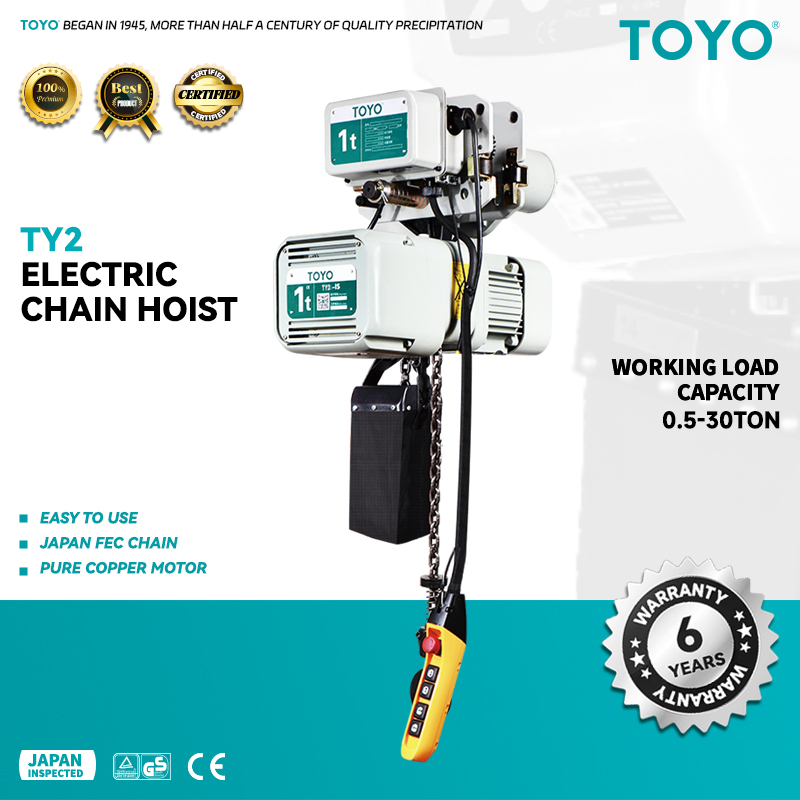
While the hydraulic jack is a cornerstone of many workshops, it is part of a much larger ecosystem of lifting technologies. Understanding where it fits in comparison to other tools, such as the manual and electric chain hoists that are staples in industrial settings, provides a richer context for its proper use. Each device has a realm where it excels, governed by its design, power source, and control mechanism.
| Feature | Hydraulic Jack | Manual Chain Hoist | Electric Chain Hoist |
|---|---|---|---|
| Lifting Principle | Fluid Pressure (Hydraulic) | Mechanical Advantage (Gears) | Electric Motor & Gearing |
| Primary Use | Vertical lifting from below (e.g., vehicles) | Vertical lifting from above (e.g., engines) | High-frequency vertical lifting from above |
| Portability | High (especially bottle jacks) | Moderate (requires anchor point) | Low (typically fixed installation) |
| Speed | Fast lifting action | Slow, deliberate lifting | Fast, consistent lifting |
| Control Precision | Good for lifting, requires skill for lowering | Excellent, highly precise control for lifting/lowering | Good, often with variable speed control |
| Power Source | Manual (human effort) | Manual (human effort) | Electricity |
| Common Application | Tire changes, brake jobs, workshop lifting | Engine removal, industrial assembly, rigging | Production lines, warehouses, heavy maintenance |
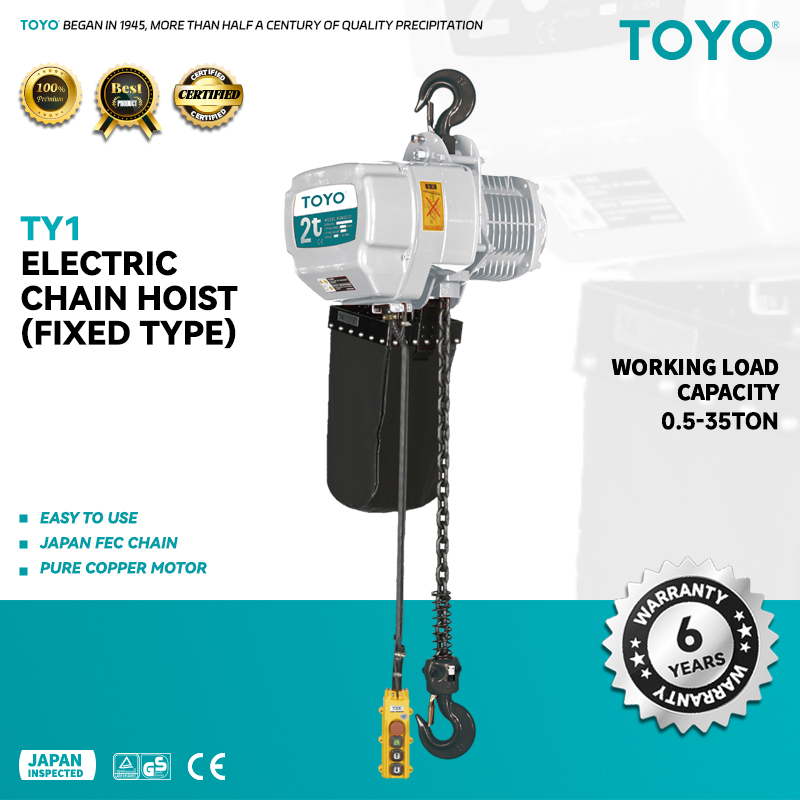
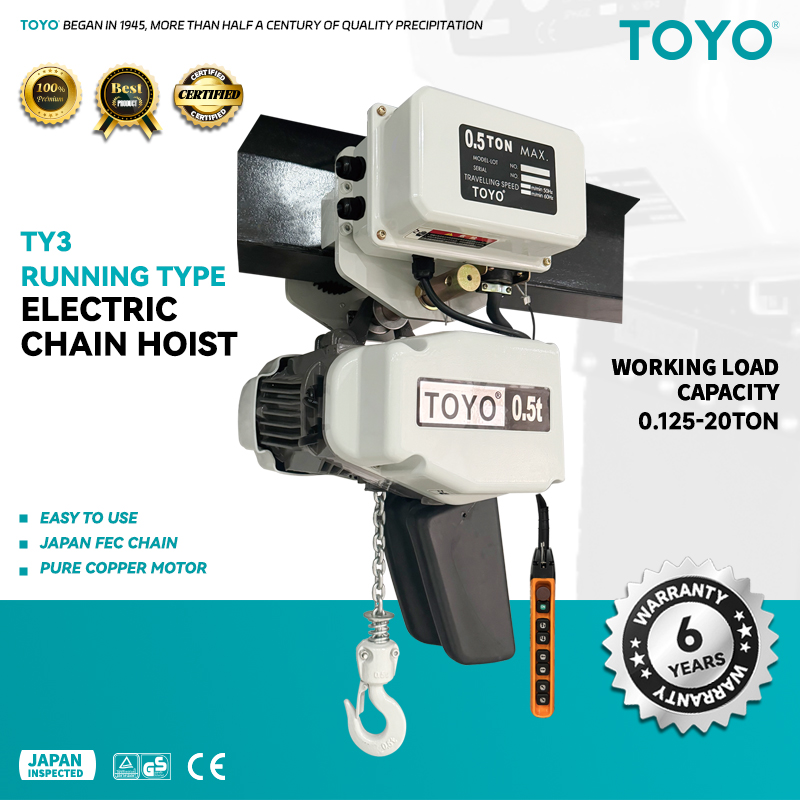
This comparison reveals that a hydraulic jack's strength is its portable, fast-acting power for lifting from the ground up. However, for tasks requiring suspension from above, like pulling an engine or precisely positioning a component for assembly, a device like a is superior. The hoist's gear system allows for incredibly fine adjustments, both up and down, and its brake system holds the load securely without any possibility of "drifting down" like a failing hydraulic jack. When speed and repetitive use are paramount, an electric chain hoist becomes the tool of choice. A complete and safe workshop understands these differences, employing not just jacks, but also a range of hoists, lifting clamps, and high-tensile slings to use the right tool for every unique lifting challenge.
Beyond the Basics: Advanced Considerations and Troubleshooting
Once you have mastered the fundamental procedure of how to lower a hydraulic jack safely, you may encounter less common situations that require a deeper level of understanding. A professional operator is prepared not just for the routine but also for the exceptions.
What If the Jack Won't Lower?
It's a frustrating scenario: you've finished your work, you turn the release valve, and… nothing happens. The jack remains stubbornly extended, holding the load. There are a few common culprits.
- No Load on the Jack: A hydraulic jack requires weight on the ram to force the fluid back into the reservoir. If you have already transferred the weight to another support and are just trying to retract the empty jack, it may not go down on its own. In this case, you can simply push down on the saddle with your hand or foot (after opening the release valve) to retract it.
- Over-tightening: It is possible, especially with older jacks, to tighten the release valve so much that the metal components bind. You may need to apply significant but careful force in the counter-clockwise direction to break it free.
- Internal Binding or Air Lock: Sometimes, the internal mechanics can bind, or an air lock in the system can prevent the fluid from circulating correctly. The solution is often to close the release valve, pump the handle a few times to build a little pressure, and then try opening the release valve again. This can sometimes clear the blockage. If the problem persists, the jack likely needs to be serviced, which may involve bleeding the air from the system or a more thorough inspection (EricTheCarGuy, 2012).
Lowering in Extreme Temperatures
As discussed earlier, temperature has a profound effect on hydraulic fluid. Let's consider the practical implications. In a cold climate, before lifting a heavy load, it's good practice to "warm up" the jack by pumping it up and lowering it a few times without a load. This circulates the thick fluid and makes its response more predictable. When lowering in the cold, you must be patient. The descent will be slow, and you may need to open the valve slightly more than you would in a temperate climate.
In extreme heat, the opposite is true. The thin, low-viscosity fluid will be hyper-responsive. Your movements on the release valve must be exceptionally small and precise. The slightest over-turn will result in a rapid descent. Operators in hot regions must cultivate an especially delicate touch.
The Importance of High-Quality Equipment
In lifting, the quality of your tools is a direct investment in your safety. A cheap, poorly manufactured hydraulic jack may use lower-grade steel, inferior seals, and less precise machining on its valves. It may work adequately when new, but it is more likely to fail prematurely, leak, or offer poor, jerky control during lowering. Investing in a reputable brand with a proven track record is not a luxury; it is a fundamental aspect of risk management. This philosophy extends to all your lifting gear. When suspending a load, the quality of your hoist, your lifting clamps, and your high-tensile slings is just as important. Every component in the lifting chain must be trusted, inspected, and rated for the job at hand.
The Ethical Operator: Cultivating a Culture of Workshop Safety
Mastering a mechanical skill like lowering a hydraulic jack transcends mere physical action. It involves a cognitive and even ethical dimension. To perform these tasks safely is to acknowledge a responsibility—to oneself, to colleagues, and to the integrity of the equipment being worked on. This perspective, which we might call the mindset of the "ethical operator," is about cultivating habits of mind that prioritize safety and precision above all else.
The Cognitive Load of Safety: Thinking Before Acting
Every step of a lifting operation, from the initial assessment to the final lowering, requires active thought. It requires you to run a mental checklist, to ask "what if?" questions. What if this surface isn't as stable as it looks? What if the load shifts? What if this jack's seal fails right now? This constant, low-level vigilance is not paranoia; it is professionalism. It is the cognitive load required to manage immense kinetic energy safely. It means resisting the temptation to take shortcuts, especially when you are tired or behind schedule. The safe operator understands that the few minutes saved by skipping a safety check, like placing jack stands, are a trivial gain when weighed against the potential for catastrophic loss.
From Individual Practice to Shared Responsibility
In a professional workshop or even a shared home garage, safety is a collective responsibility. Your safe practices protect your colleagues, and theirs protect you. When you methodically clear your work area, you prevent a trip hazard for someone else. When you inspect a piece of communal equipment, like an electric chain hoist, and report a fault, you prevent a future accident. This creates a culture of safety where individuals look out for one another. It means having the courage to speak up if you see a colleague working under a jack-supported car, not as an act of criticism, but as an act of care. It is about establishing a shared standard where the right way is the only way, and every member of the team is a guardian of that standard. This shared ethos is the strongest safety system any workshop can possess.
Frequently Asked Questions (FAQ)
1. How slowly should I lower a hydraulic jack? The ideal speed is slow enough that you feel in complete control at all times. A good benchmark is a descent of no more than one or two inches (2-5 cm) per second. The vehicle should move down smoothly and gradually, not in jerks or drops.
2. What happens if I open the release valve too fast? Opening the valve too quickly allows the hydraulic fluid to rush out from under the main ram, causing a sudden and uncontrolled loss of pressure. The load will drop abruptly to the ground, which can cause severe damage to the object being lowered (e.g., a car's frame or suspension) and is extremely dangerous.
3. My hydraulic jack is lowering by itself very slowly. What does this mean? This is known as "drifting" or "bleeding down" and it is a clear sign that the internal seals are worn or damaged. The jack can no longer hold pressure reliably. It should be taken out of service immediately and either repaired by a professional or replaced. Never use a jack that cannot hold its load.
4. Can I lower a car with just the jack, without using jack stands first? No. You should never work on or under a vehicle supported only by a jack. The correct procedure is: lift with the jack, support with jack stands, perform your work, then use the jack to lift the vehicle slightly off the stands, remove the stands, and only then lower the vehicle to the ground with the jack.
5. What is the main difference in the technique for lowering a bottle jack versus a floor jack? The main difference is the physical interface. With a bottle jack, you are typically crouched down, using the end of the handle to turn a small screw valve at the base. With a floor jack, you are usually standing and twisting the long handle itself. The principle of turning slowly and counter-clockwise is the same for both, but the ergonomics and operator position are different.
Conclusion
The act of lowering a hydraulic jack, when approached with the respect it deserves, is a testament to an operator's skill and discipline. It is the quiet, controlled conclusion to a display of immense power. We have seen that this process is not merely mechanical, but is deeply rooted in the principles of fluid physics, demanding a nuanced understanding of pressure and flow. The difference between a safe descent and a dangerous drop lies in fractions of a turn, in moments of focused attention, and in the unwavering habit of prioritizing safety protocols.
From understanding the anatomy of release valves to appreciating the effects of temperature on hydraulic fluid, a comprehensive knowledge base transforms the operator from a mere user into a true craftsperson. The consistent use of jack stands, the creation of a clear zone, and the methodical, step-by-step modulation of the release valve are not burdensome rules, but liberating practices that eliminate risk and ensure predictable outcomes. By embracing the mindset of the ethical operator—one who thinks before acting and understands their role in a shared culture of safety—you elevate the simple task of how to lower a hydraulic jack into an expression of professionalism and care. It is a skill that, once mastered, protects your equipment, your work, and most importantly, your well-being.
References
Cutnell, J. D., & Johnson, K. W. (2018). Physics (11th ed.). Wiley.
EricTheCarGuy. (2012, April 1). How to bleed a floor jack. [Video]. YouTube. https://www.youtube.com/watch?v=rIQaW-2h3R4
Health and Safety Executive (HSE). (n.d.). Using vehicle lifts safely. INDG434.
Jindiao Lifting. (2025, December 31). Ultimate guide to how to operate a chain hoist.
JSBW Crane. (2025, February 20). Types of hoist: Manual, electric, hydraulic & more. https://jsbwcrane.com/types-of-hoist/
Occupational Safety and Health Administration (OSHA). (2017). Servicing single-piece and multi-piece rim wheels. OSHA 3936-09.
Swllift Equipment Co., Ltd. (2026, March 1). About. https://swlllift.com/
XRLifting. (2025, November 3). The ultimate guide to manual hoist chains: Safety, applications, and selection. https://www.xrlifting.com/blog-lifting-tools-13320/The-Ultimate-Guide-to-Manual-Hoist-Chains-Safety-Applications-and-Selection-11955247.html