Understanding Rated Load in Industrial Hoisting Systems
When selecting an industrial lifting system, one of the most important technical parameters is electric hoist lifting capacity.
However, lifting capacity does not simply mean the maximum weight a hoist can lift once. It refers to the Maximum Safe Working Load (SWL) under standardized operating conditions, designed for repeated and controlled industrial use.
👉 Learn More About Product System
Electric Wire Rope Hoist Series
Rated Capacity vs Actual Working Load
The rated lifting capacity is defined under FEM and ISO working class standards, which evaluate long-term fatigue performance rather than single lifting ability.
It includes:
- Structural load-bearing strength
- Motor torque and duty cycle
- Brake system safety design
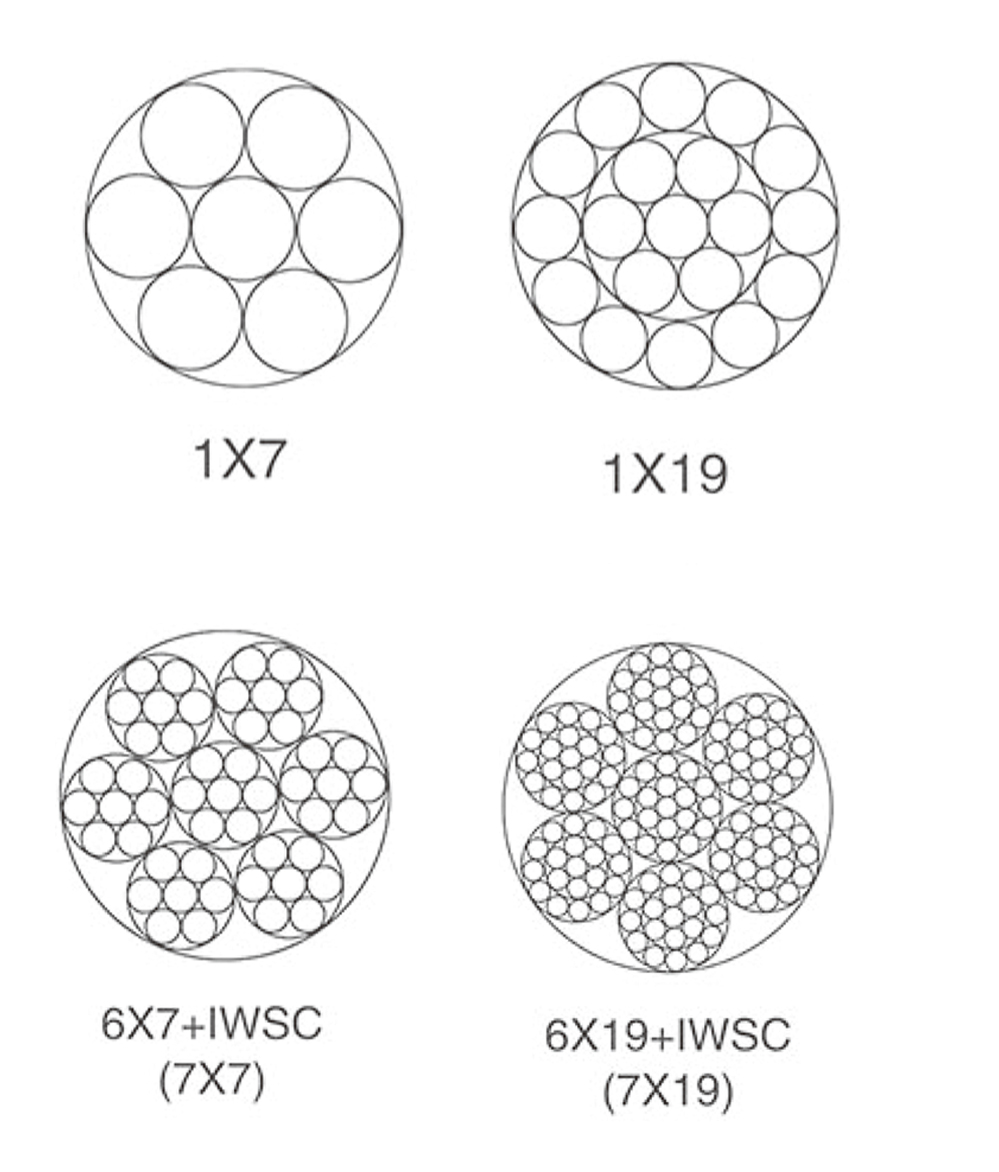
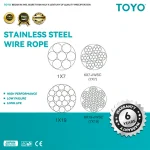
- Wire rope tensile strength
- Gearbox durability
These factors ensure safe operation under real industrial working conditions.
Why Lifting Capacity Is Not Just a Number
Many users misunderstand lifting capacity as a simple maximum load value. In real engineering applications, multiple dynamic factors must be considered:
1. Duty Cycle (FEM/ISO Class)
Higher FEM classes such as M5–M6 indicate heavy-duty continuous operation.
2. Dynamic Load Effects
Acceleration, braking, and load swinging increase actual stress beyond static weight.
3. Safety Factor Design
Industrial hoists are designed with built-in safety margins to prevent overload failure.
4. Installation Conditions
Beam width, lifting height, and working environment directly affect real performance.
👉 Learn How to Select Correctly
How to Choose Electric Chain Hoist
Engineering Structure Behind Safe Capacity
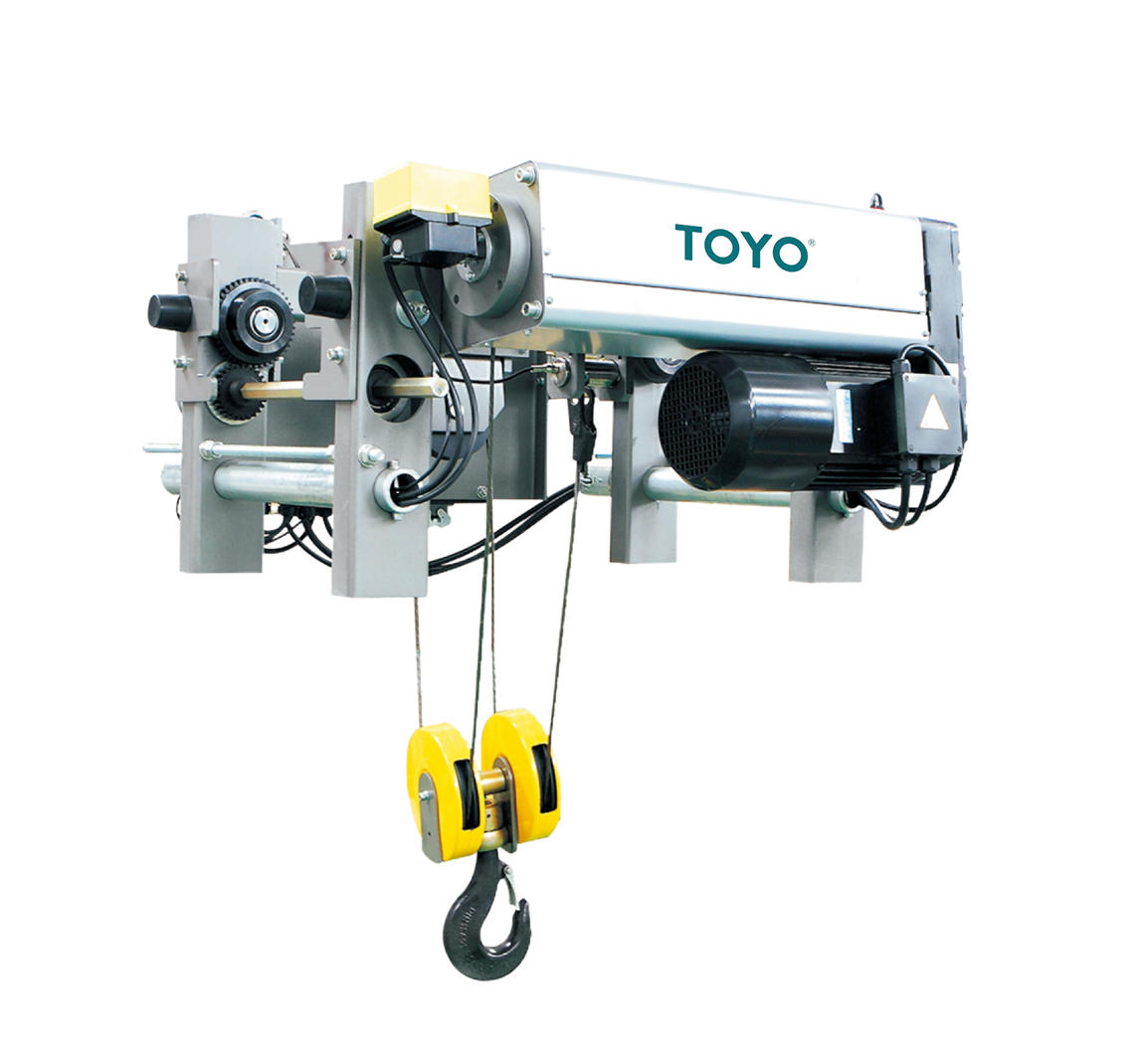
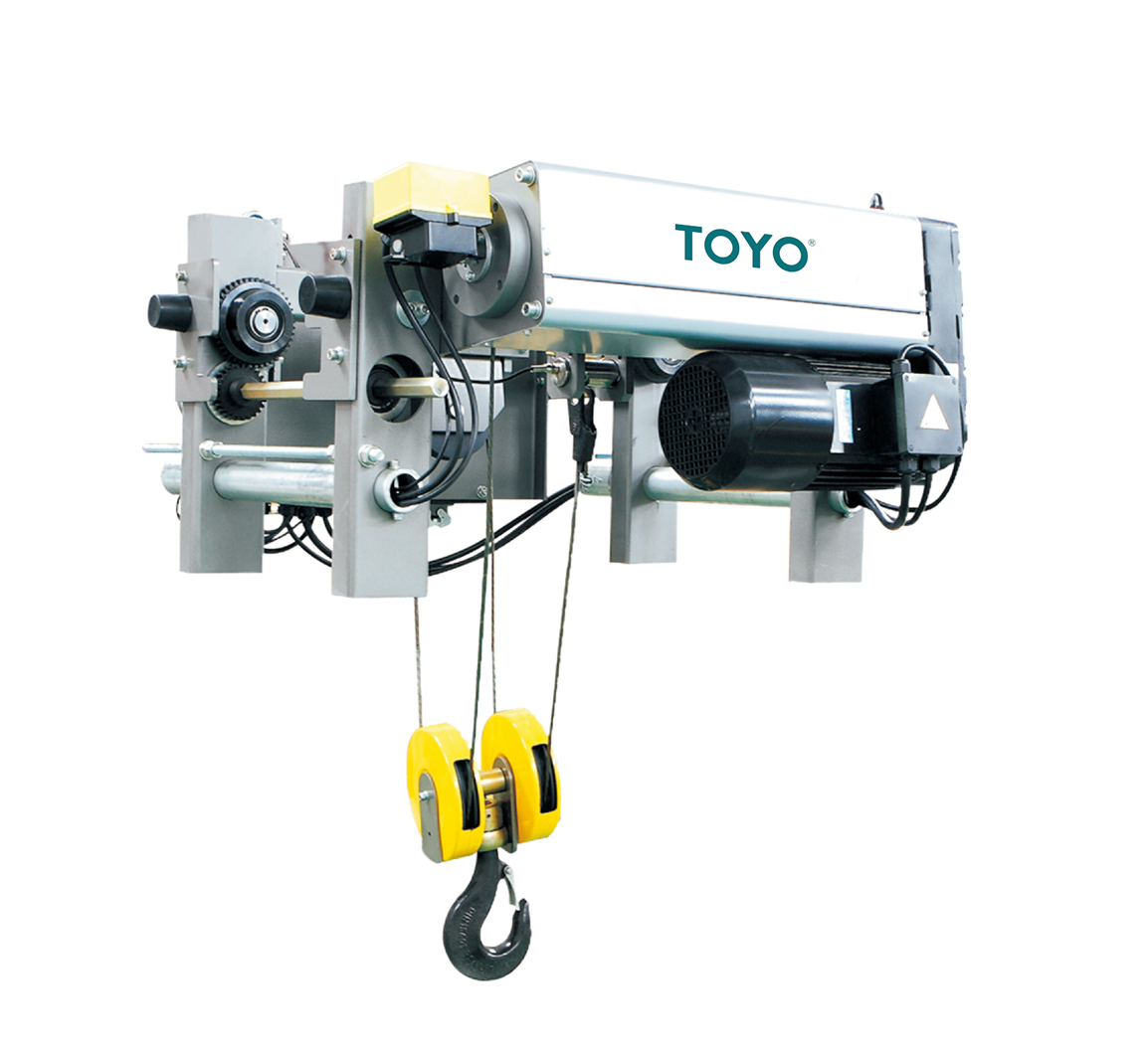
The TWH European Electric Wire Rope Hoist is designed for stable industrial performance in demanding environments.
Mechanical System
- High-strength nylon guide rollers
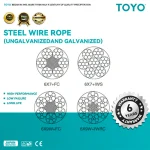
- Galvanized wire rope with tensile strength of 2160 N/mm²
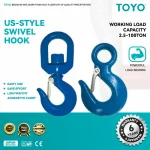
- Forged alloy steel hook with safety latch
- Precision steel drum structure
Power System
- German imported lifting motor
- Variable-frequency traveling motor
- Hardened gearbox for long service life
Safety System
- Adjustable load limiter
- 4-direction limit switch system
- Schneider & Phoenix electrical components
- Anti-interference remote control system
👉 View Product Details
TWH Electric Hoist Capacity Range
- 2T (2000 kg)
- 3.2T
- 5T
- 6.3T
Working class: FEM M5–M6
Lifting height: 6–18m
👉 Browse Full Catalog
Applications of Electric Hoist Lifting Capacity
Electric hoist lifting capacity is widely used across multiple industrial sectors where safe, stable, and controlled lifting operations are required.
Manufacturing Industry
Used for lifting machine components, molds, steel structures, and assembly parts in production lines with continuous operation requirements.
Construction Industry
Used for lifting steel beams, prefabricated structures, and building materials in construction projects where controlled vertical lifting is essential.
Warehousing & Logistics
Used for loading, unloading, stacking, and internal material handling in warehouses and distribution centers to improve efficiency and safety.
Power & Energy Industry
Used for installation and maintenance of transformers, switchgear, generators, and heavy electrical equipment requiring precise lifting control.
Heavy Equipment Maintenance
Used in workshops and industrial facilities for disassembly and installation of large machinery where stable lifting is critical for operational safety.
👉 Get Engineering Support
Conclusion
Lifting capacity is not a simple specification—it is a complete engineering safety system combining structural strength, motor performance, braking system, and international standards.
The TWH European Electric Wire Rope Hoist is designed to maintain stable rated load performance under continuous industrial working conditions, ensuring safety, durability, and efficiency.