What Types of Chain Hoists Are Available in the UAE Market?
The UAE lifting equipment market has matured significantly by 2026, with chain hoists forming the backbone of material handling across construction, oil and gas, and logistics sectors. Buyers from South America, Russia, Southeast Asia, and Africa often source from UAE suppliers due to the region's strategic location and robust re-export infrastructure. I've seen many procurement teams struggle to navigate the variety of hoist types, so let's break down the core options available.
When you start evaluating chain hoists, you'll encounter three primary categories: manual chain hoists, electric chain hoists, and lever hoists. Each serves distinct operational needs, and selecting the wrong type can lead to inefficiencies or safety risks. In my experience working with a chain block manufacturer in the region, I've learned that understanding duty cycles and load patterns is just as critical as the hoist's rated capacity.
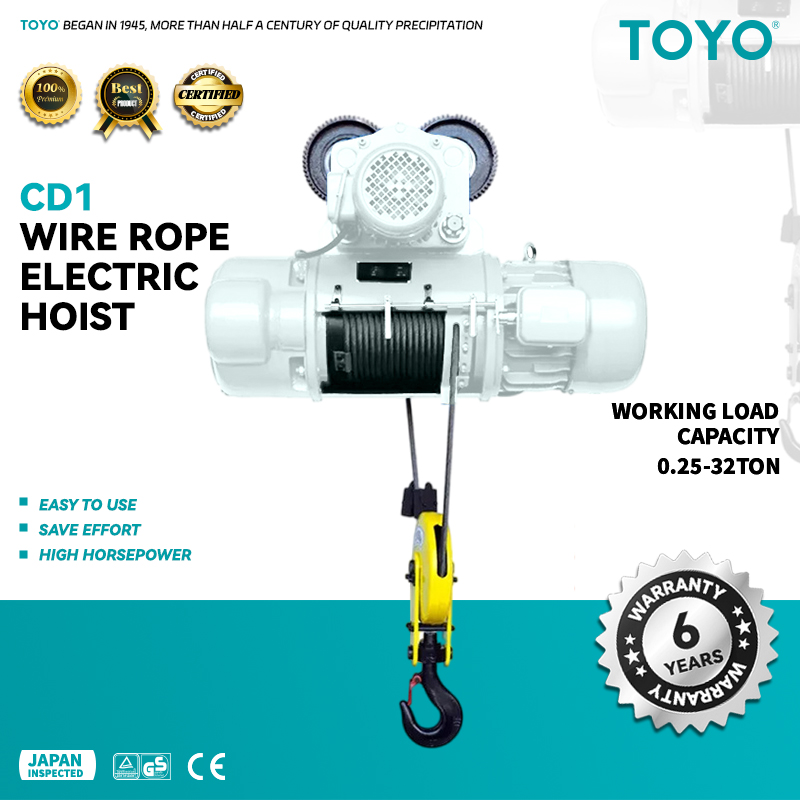
The UAE market also offers specialized hoists for harsh environments, such as stainless steel models for marine applications or explosion-proof units for petrochemical plants. Mini hoists have gained traction for light-duty tasks in workshops and small factories. Let's examine each type in detail, focusing on their mechanical differences and real-world use cases.
Manual Chain Hoists vs Electric Chain Hoists: Key Differences
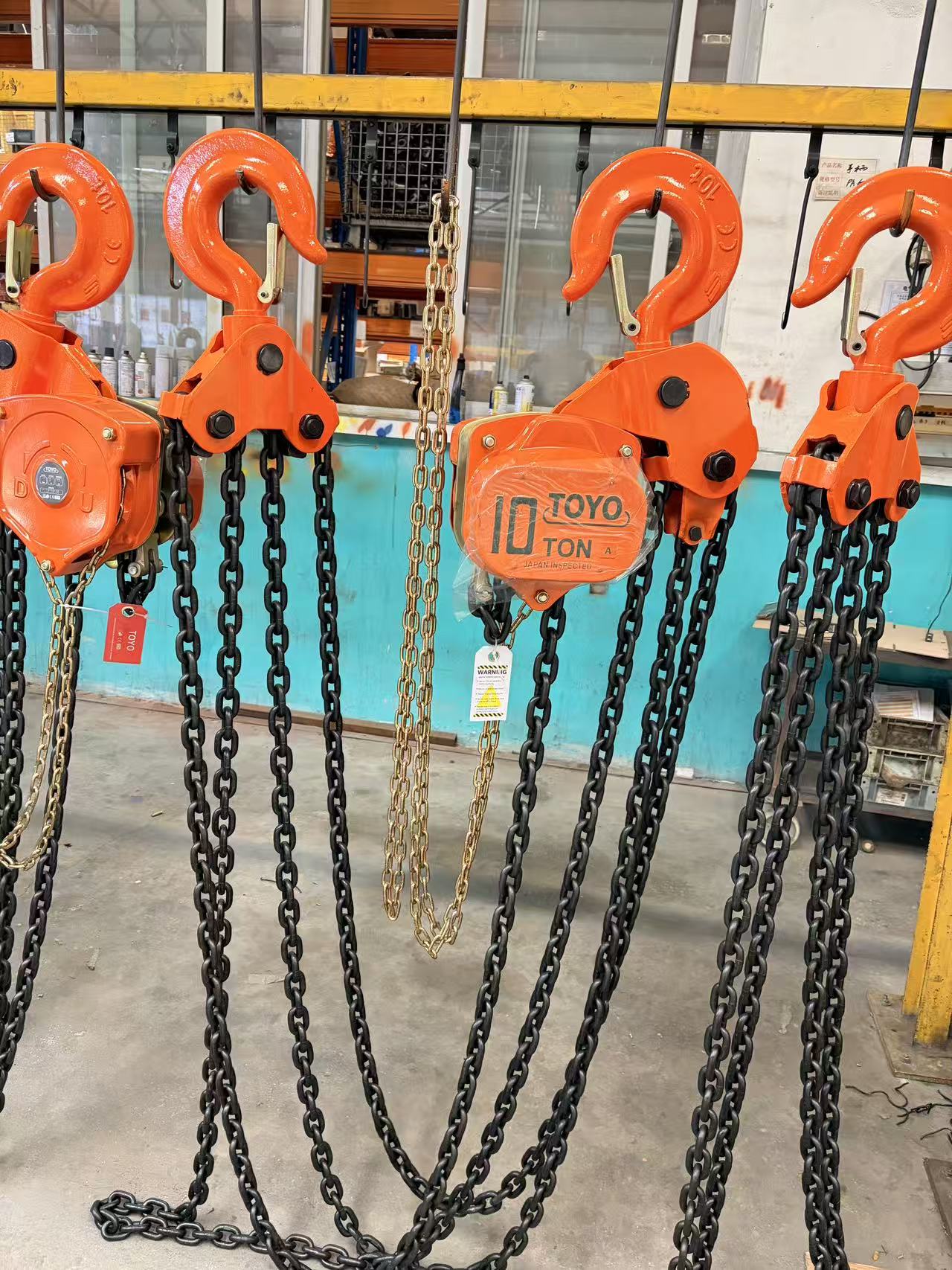
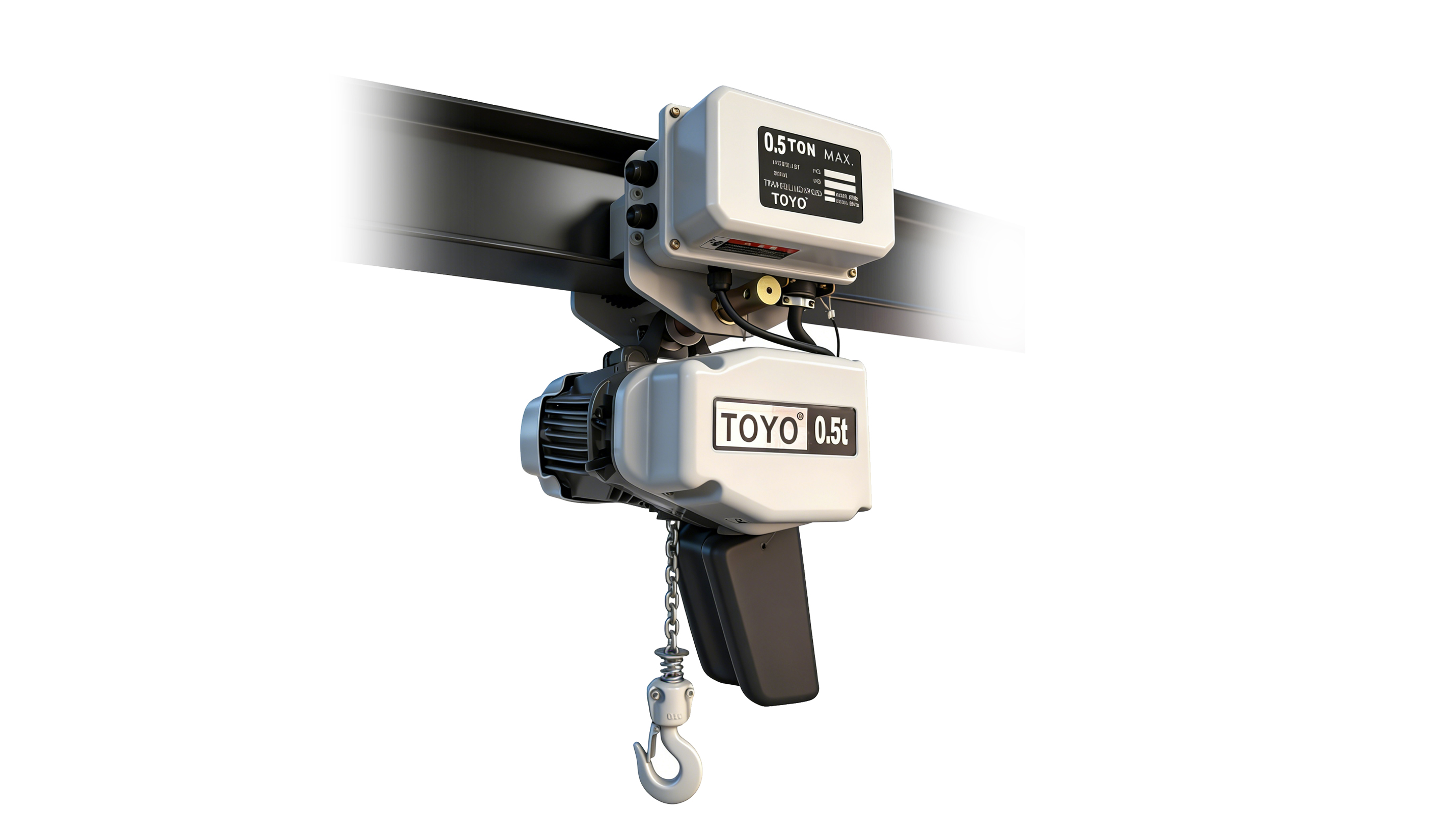
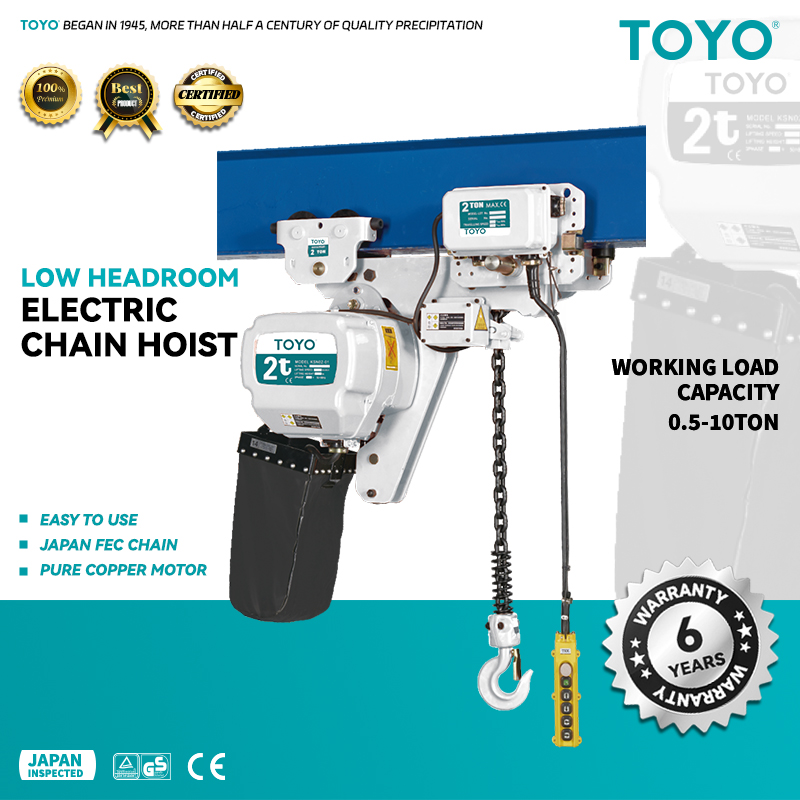
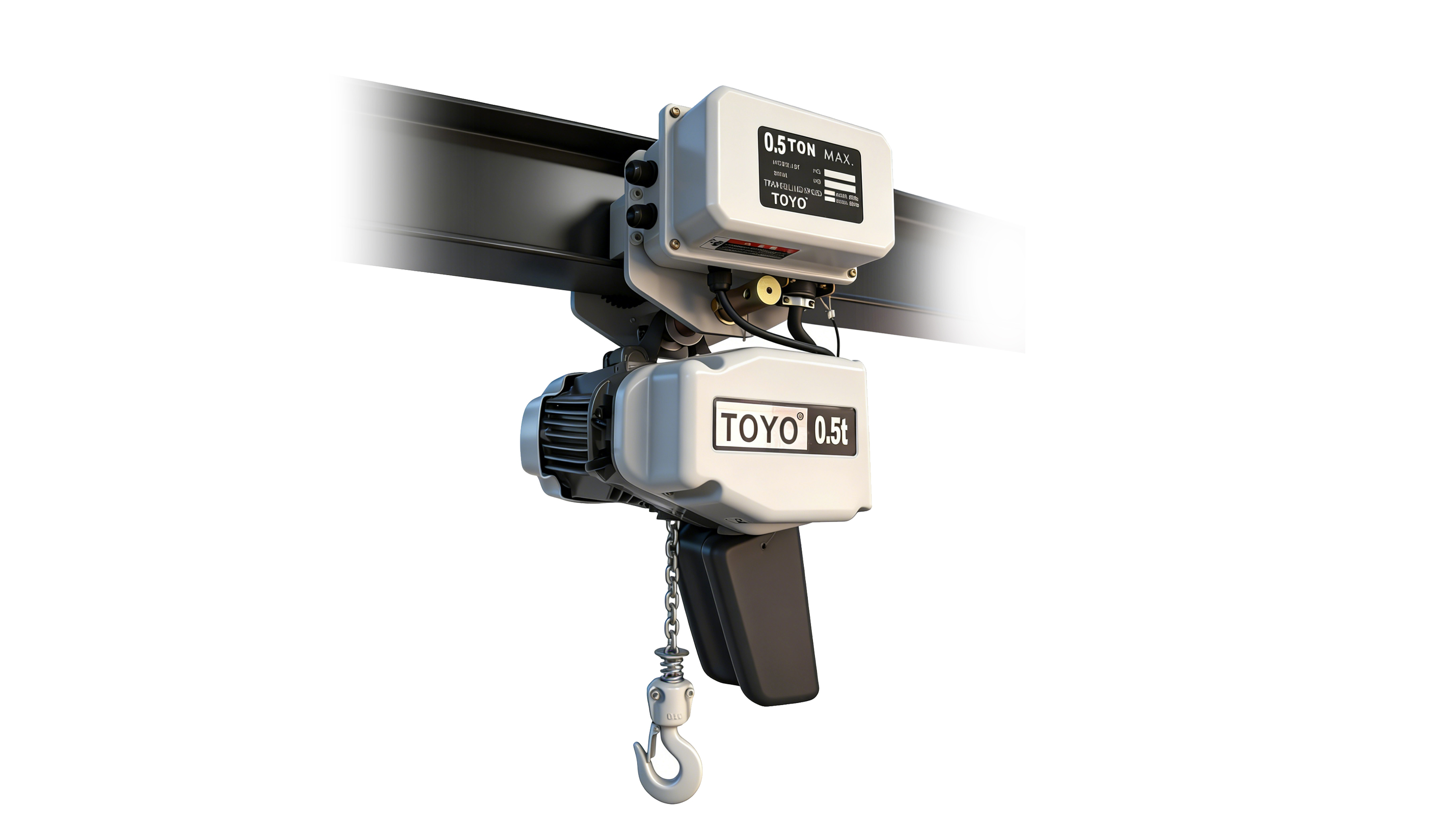
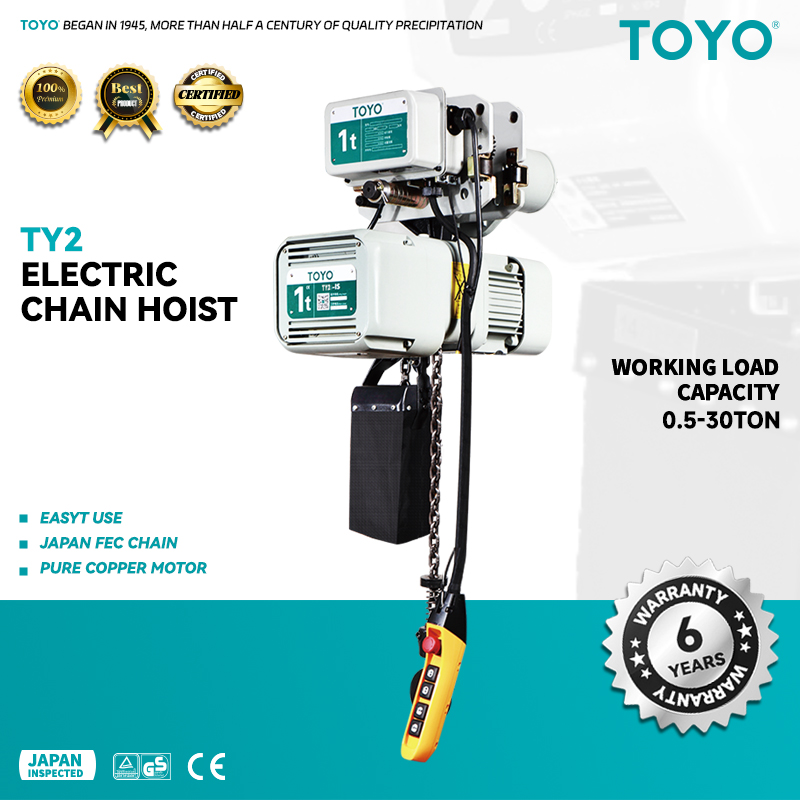
Manual chain hoists, often called chain blocks, rely on a hand-operated chain to lift loads through a gear system. They are simple, durable, and require no power source, making them ideal for remote sites or infrequent lifting. Electric chain hoists use a motor to drive the lifting mechanism, offering faster speeds and higher duty cycles. The choice between them hinges on your operational tempo and budget.
In 2026, manual hoists remain popular in emerging markets due to their lower upfront cost and minimal maintenance. For example, a standard 5-ton manual chain block from a UAE supplier might cost 30-50% less than its electric counterpart. However, if you're running a production line with repetitive lifts, the labor savings from an electric hoist often justify the investment within months.
I once consulted for a warehouse in Southeast Asia that switched from manual to electric hoists after calculating that operators spent 40% of their shift pulling chains. The productivity boost was immediate. Below is a comparison table to help you assess the differences at a glance.
| Criteria | Manual Chain Hoist | Electric Chain Hoist |
|---|---|---|
| Power Source | Hand chain, no electricity | Electric motor, 3-phase or single-phase |
| Lifting Speed | 0.5–2 meters per minute | 2–8 meters per minute |
| Load Capacity | Up to 20 tons | Up to 50 tons or more |
| Duty Cycle | Light, intermittent use | Medium to heavy, continuous use |
| Initial Cost | Lower | Higher |
| Maintenance | Annual lubrication, chain inspection | Motor checks, brake adjustments, more frequent servicing |
| Best Applications | Temporary lifts, maintenance, construction sites without power | Assembly lines, warehouses, frequent heavy lifting |
From a procurement standpoint, verify that the electric hoist's motor insulation class matches your environment. UAE suppliers often stock hoists with IP55-rated motors for dusty or humid conditions, which is relevant for buyers in tropical regions of South America or Africa.
Lever Hoists vs Chain Hoists: Which One Suits Your Needs?
Lever hoists, or come-alongs, use a ratchet lever instead of a hand chain. This design allows for pulling, tensioning, and positioning loads horizontally, not just vertical lifting. Standard chain hoists excel at vertical lifts but struggle with angled pulls. I've seen lever hoists misapplied in construction projects, leading to chain jamming and safety incidents.
In the UAE, lever hoists are widely used in pipeline installation and steel erection, where precise load positioning is critical. They typically handle capacities from 0.5 to 10 tons, with compact bodies that fit into tight spaces. When sourcing from a chain block manufacturer, clarify whether you need a lever hoist for pulling applications or a chain hoist for straightforward lifting.
A common mistake is assuming a chain hoist can handle side pulls. The load chain is designed for vertical stress; lateral forces can damage the gears or cause the load to slip. If your operation involves tensioning cables or aligning machinery, invest in a lever hoist with an overload protection system.
Specialized Hoists: Stainless Steel, Explosion-Proof, and Mini Hoists
Beyond standard models, the UAE market offers hoists tailored for extreme environments. Stainless steel chain hoists are essential for food processing, pharmaceutical plants, or offshore platforms where corrosion resistance is non-negotiable. These units often feature sealed bearings and marine-grade chains, but they come at a premium—expect to pay 40-60% more than a comparable carbon steel hoist.
Explosion-proof hoists are mandatory in the Middle East's oil and gas sector. They incorporate spark-resistant materials, bronze hooks, and special motor enclosures to prevent ignition in hazardous atmospheres. In 2026, UAE suppliers are increasingly offering ATEX-certified hoists that meet both European and Gulf standards. When I sourced explosion-proof units for a refinery project in Russia, I found that UAE distributors had faster lead times than European manufacturers.
Mini electric hoists, with capacities under 1 ton, have carved a niche in small workshops and home garages. They are lightweight, plug into standard outlets, and cost under $200 in many cases. However, their duty cycles are limited, and they lack the safety features of industrial hoists. Use them only for occasional light lifting, not for production environments.
How to Choose the Right Chain Hoist Supplier in UAE?
Selecting a supplier in the UAE requires more than comparing prices. The market is crowded with traders and manufacturers, and not all adhere to international quality benchmarks. From my years of dealing with lifting equipment procurement, I've developed a systematic approach to vetting suppliers that saves time and prevents costly errors.
Start by mapping your requirements: load capacity, lifting height, speed, and environmental conditions. Then look for suppliers who specialize in those exact specifications. A general trading company might offer lower prices, but a dedicated chain block manufacturer will provide better technical support and warranty terms.
Also consider the supplier's export experience. If you're importing to South Africa or Brazil, you need a partner who understands the documentation and logistics for those routes. The UAE's re-export hubs, like Jebel Ali Port, have streamlined processes, but inexperienced suppliers can cause delays.
Evaluating Supplier Credentials: Certifications and Industry Experience
Legitimate UAE lifting equipment suppliers will hold certifications such as ISO 9001 for quality management and CE or UKCA marking for product compliance. For chain hoists, check if the manufacturer has type-test certificates from notified bodies like TÜV or SGS. In 2026, many buyers also look for ISO 45001 (occupational health and safety) as an indicator of responsible manufacturing.
Don't rely solely on website claims. Ask for scanned copies of certificates and verify them with the issuing body. I once encountered a supplier who displayed a fake CE mark on their hoists; a quick check with the notified body's database revealed the fraud. This saved my client from importing non-compliant equipment.
Industry experience matters. A supplier with 15+ years in the UAE market will have established relationships with freight forwarders and customs brokers, smoothing your import process. They'll also have a track record you can verify through client references or online reviews on platforms like Alibaba or Made-in-China.
Questions to Ask Before Placing an Order with a UAE Supplier
Before signing a proforma invoice, I always recommend a structured Q&A with the supplier. Here are the essential questions. First, "Can you provide a factory audit report or video tour of your production line?" This weeds out traders who merely relabel products. Second, "What is your standard warranty period, and how do you handle claims from overseas buyers?"
Third, ask about spare parts availability. Chain hoists have wear components like brake discs and gears. If the supplier can't ship spares within 48 hours, your downtime costs will escalate. Fourth, inquire about testing protocols: "Do you test every hoist at 125% overload before shipment, and can you include the test certificate in the shipment?"
Finally, discuss payment terms. UAE suppliers often request 30-50% advance payment with the balance against shipping documents. For first-time buyers, consider using a letter of credit to mitigate risk. I've seen cases where buyers wired full payment upfront and waited months for delivery because the supplier had cash flow issues.
How to Verify Product Quality and Compliance with International Standards
Physical inspection is the gold standard, but if you can't visit the UAE, hire a third-party inspection agency like Bureau Veritas or Intertek. They will check the hoists against your specifications, verify material grades, and witness load tests. The cost—typically $500-$1,000—is minor compared to the risk of receiving substandard equipment.
Review the technical datasheet for compliance with standards like ASME B30.16 for overhead hoists or EN 13157 for manual chain blocks. In 2026, the UAE's ESMA (Emirates Authority for Standardization and Metrology) has tightened regulations on lifting equipment, so local suppliers must meet Gulf Conformity Mark requirements. Ask for the certificate of conformity for your specific model.
Also check the chain grade. Load chains should be grade 80 or higher, with heat treatment and proof-test documentation. A reliable chain block manufacturer will laser-etch the chain grade and capacity on every link. If the chain looks poorly finished or lacks markings, walk away.
How to Import Chain Hoists from UAE?
Importing chain hoists from the UAE offers advantages like zero export duties and efficient logistics, but the process demands attention to paperwork and local regulations in your country. I've guided buyers through this for markets like Russia and South Africa, and the key is to start the documentation early.
The UAE's free zones, such as JAFZA, simplify re-exports. Goods can be consolidated, repackaged, and shipped without entering the local market, reducing transit time. However, you must ensure the supplier provides a complete export file, or your goods may get stuck at customs in your destination country.
In 2026, digital documentation is becoming standard. Many UAE suppliers use blockchain-based platforms for certificates of origin, but paper backups are still required for some countries. Always confirm the exact requirements with your local customs authority before the shipment leaves Dubai.
Understanding UAE Export Documentation for Lifting Equipment
The core documents include a commercial invoice, packing list, certificate of origin (issued by the UAE Chamber of Commerce), and a bill of lading or airway bill. For chain hoists, you'll also need the manufacturer's test certificate and, if applicable, an ATEX or CE declaration. The certificate of origin is critical for claiming preferential tariff rates under free trade agreements.
In my experience, a common pitfall is discrepancies between the invoice and packing list. For example, if the invoice states "electric chain hoist 2 ton" but the packing list says "hoist 2T," customs may flag it for inspection. Ensure the supplier uses consistent descriptions across all documents.
Some countries, like Brazil, require a RADAR registration for importers, and the supplier must be listed in the invoice exactly as registered. Check these details before the UAE supplier finalizes the paperwork. I once had a shipment to South America delayed by three weeks because the supplier's name on the invoice didn't match the importer's registration.
Navigating Customs and Duties in Your Country
Customs duties on chain hoists vary widely. In Russia, the tariff code for lifting equipment (8425.11) may attract 5-10% duty, while some African nations have higher rates to protect local industries. Check your country's harmonized system (HS) code and confirm the rate with a customs broker. The UAE supplier should provide the correct HS code on the invoice.
You may also face additional taxes like VAT or GST. In South Africa, for instance, VAT is 15% on the CIF value plus duty. Factor these into your total landed cost calculation. Some countries offer duty exemptions for machinery used in manufacturing; if you qualify, prepare the necessary certificates in advance.
Customs valuation can be another hurdle. If the declared value seems too low, authorities may apply reference pricing, increasing your duty bill. Work with the supplier to declare a realistic transaction value and have supporting documents like bank transfer records ready.
Shipping Options: Air, Sea, or Courier – Which Is Best?
Sea freight is the most economical for heavy chain hoists. A 20-foot container from Jebel Ali to Mombasa or Santos might cost $1,500-$3,000 in 2026, with transit times of 15-30 days. For urgent needs, air freight is faster but expensive—a 500 kg hoist could cost $2,000-$4,000 by air. Courier services like DHL or FedEx work for small spare parts or mini hoists.
Consider consolidation services if you're ordering multiple units. UAE freight forwarders can combine shipments from different suppliers into one container, reducing your per-unit cost. I've used this for buyers in Southeast Asia who needed both manual chain blocks and electric hoists from separate manufacturers.
Always insure your shipment. Marine insurance costs about 0.3-0.5% of the cargo value and covers loss or damage. Verify the Incoterms with the supplier—CIF (Cost, Insurance, Freight) puts the shipping responsibility on the seller, while FOB (Free on Board) shifts it to you at the port of loading.
Working with Freight Forwarders and Logistics Partners in UAE
A competent freight forwarder in Dubai can handle everything from export declaration to destination delivery. Look for forwarders with experience in lifting equipment, as they'll know how to secure heavy hoists for transport and avoid damage. Ask for references and check their network in your destination country.
In 2026, many UAE forwarders offer online tracking and digital document management. This transparency helps you monitor the shipment and prepare for customs clearance. When I imported hoists for a project in Russia, the forwarder provided real-time updates via WhatsApp, which was invaluable for coordinating with the site team.
Discuss the delivery terms clearly. Some forwarders quote door-to-door rates, while others only cover port-to-port. Hidden charges like terminal handling fees or customs examination fees can surprise you if not clarified upfront. Request a detailed quotation before booking.
What Are the Common Mistakes When Buying Chain Hoists in UAE?
Over the years, I've observed recurring errors that cost buyers time, money, and sometimes safety. The UAE market's diversity is a strength, but it also means you must be vigilant to avoid pitfalls. Here are the most frequent mistakes and how to sidestep them.
Many buyers focus solely on price, ignoring technical specifications and after-sales support. Others underestimate the complexity of importing, leading to regulatory fines or equipment seizures. In one case, a buyer in South Africa ordered electric hoists without checking the voltage compatibility—the motors were 380V 50Hz, but their facility used 525V, requiring costly transformer installations.
Learning from these experiences can save you from similar headaches. Let's examine three critical areas where mistakes happen.
Ignoring Load Capacity and Duty Cycle Requirements
Every chain hoist has a rated capacity and a duty cycle classification, such as FEM 1Bm (light) or FEM 2m (medium). Using a hoist beyond its capacity is an obvious danger, but under-specifying the duty cycle is equally risky. A hoist designed for occasional use will fail quickly if run continuously.
在我实际操作中发现,a client in Southeast Asia bought a cheap manual chain block rated for 3 tons to lift engine blocks that actually weighed 2.8 tons. The hoist worked initially, but after a few weeks, the brake slipped, and a load dropped. The root cause was not just the capacity but the duty cycle—the hoist was used 50 times a day, far exceeding its design limits.
Always calculate your maximum load and the number of lifts per hour. For production environments, electric hoists with H4 or H5 duty ratings are necessary. Consult the manufacturer's datasheet and, if in doubt, choose a higher-capacity model. A 5-ton hoist lifting 3 tons will last longer than a 3-ton hoist at its limit.
Overlooking After-Sales Service and Warranty Terms
Warranty promises mean little if the supplier has no local service network. When buying from the UAE for use in Russia or Africa, clarify how warranty claims will be handled. Will the supplier ship replacement parts free of charge? Do they have authorized service centers in your region? In 2026, some UAE manufacturers offer extended warranties of up to 3 years, but only if you follow their maintenance schedule.
I've seen buyers accept a 1-year warranty without reading the fine print. The warranty often excludes wear parts like chains and brakes, which are exactly what fails first. Negotiate for a comprehensive warranty that covers all components, or at least get a clear list of exclusions before ordering.
Also, ask for the supplier's average response time for technical queries. A reliable chain block manufacturer will have an engineering team that can troubleshoot via video call. In one instance, a buyer in South America resolved a hoist issue within hours because the supplier's technician guided their on-site mechanic through WhatsApp.
Choosing the Cheapest Option Without Considering Total Cost of Ownership
The lowest upfront price often leads to higher long-term costs. Cheap chain hoists may use inferior materials, leading to frequent breakdowns and replacement needs. Downtime in a factory can cost thousands of dollars per hour, far outweighing the initial savings.
Calculate the total cost of ownership (TCO) over 5 years, including purchase price, shipping, installation, energy consumption, maintenance, and expected lifespan. An electric hoist with an energy-efficient motor might cost 20% more initially but save 30% on electricity bills annually. Similarly, a stainless steel hoist costs more but lasts twice as long in corrosive environments.
在我实际操作中发现,a buyer in the Middle East opted for the cheapest electric hoist on a tender. Within six months, the motor burned out, and replacement parts were unavailable. They ended up buying a new hoist from a reputable brand, spending double overall. Investing in quality from the start would have prevented this.
How Much Do Chain Hoists Cost in UAE in 2026?
Pricing for chain hoists in the UAE varies based on type, capacity, brand, and features. In 2026, global supply chains have stabilized, but material costs for steel and copper still influence prices. Here's a breakdown of typical price ranges you'll encounter when sourcing from UAE suppliers.
These are FOB Dubai prices, so you'll need to add shipping, insurance, and import duties to get the landed cost. Always request quotations from multiple suppliers and compare not just the unit price but the included accessories, such as trolleys or pendant controls.
Price Ranges for Different Chain Hoist Types (Manual, Electric, Lever)
Manual chain hoists (chain blocks) are the most affordable. A 1-ton model might cost $50-$100, while a 10-ton unit ranges from $300-$600. Lever hoists are slightly more expensive due to the ratchet mechanism; a 3-ton lever hoist typically costs $150-$300. Electric chain hoists start around $500 for a 1-ton single-phase unit and can exceed $5,000 for a 20-ton three-phase hoist with dual speeds.
Specialized hoists command higher prices. An explosion-proof electric hoist for Zone 1 hazardous areas might cost $3,000-$8,000 depending on capacity. Stainless steel manual hoists for marine use range from $500 to $2,000. Mini electric hoists are the cheapest, often under $150, but remember their limitations.
Brand reputation also affects pricing. Established European brands sold through UAE distributors are pricier than Asian brands, but they often come with better warranties and parts availability. A mid-range Asian brand from a certified chain block manufacturer can offer a good balance of cost and quality.
Hidden Costs: Shipping, Customs, and Installation
Shipping costs can add 10-30% to the FOB price. Sea freight for a pallet of hoists might cost $200-$500, while air freight for a single unit could be $500-$1,500. Customs duties in your country range from 0% to 20%, and you may pay brokerage fees of $100-$300 per shipment. Don't forget insurance, which is typically 0.5% of the cargo value.
Installation costs are often overlooked. Electric hoists require proper mounting on a beam or gantry, and you may need a certified electrician to connect the power supply. In some countries, local regulations mandate load testing and certification before use, which can cost $200-$500 per hoist.
If you're buying multiple units, factor in storage costs if the hoists arrive before your project is ready. I've seen buyers pay demurrage charges at the port because they didn't arrange timely pickup. Plan your logistics to align the delivery with your installation schedule.
Calculating ROI: When to Upgrade from Manual to Electric Hoists
The return on investment for switching to electric hoists depends on labor savings and productivity gains. Suppose a manual hoist requires two operators 10 minutes per lift, while an electric hoist does the same in 2 minutes with one operator. Over a year, the labor cost reduction alone can pay for the electric hoist.
In a typical warehouse scenario, upgrading from a 5-ton manual chain block to an electric hoist might cost $2,000 extra. If the electric hoist saves 20 labor hours per month at $10/hour, the payback period is just 10 months. After that, you're saving money every month.
Also consider safety and accuracy. Electric hoists with variable speed controls allow precise load placement, reducing product damage. For high-value goods, this can be a significant hidden saving. I've advised many buyers to run a simple ROI calculation before deciding—it often reveals that the "cheaper" manual option is actually more expensive over time.
What Are the Key Trends Shaping the UAE Chain Hoist Market in 2026?
The UAE lifting equipment market is evolving rapidly, driven by technology, sustainability goals, and sector-specific demand. Buyers who understand these trends can make forward-looking purchasing decisions that future-proof their operations. Here are the three most impactful trends in 2026.
Smart manufacturing and green initiatives are no longer optional; they're becoming compliance requirements in many regions. The UAE's own industrial strategy, Operation 300bn, emphasizes advanced manufacturing, which trickles down to lifting equipment standards.
The Rise of Smart and IoT-Enabled Hoists in the UAE
Smart chain hoists with IoT sensors are gaining traction in the UAE's logistics and construction sectors. These hoists monitor load weight, operating cycles, and brake wear in real time, transmitting data to a central dashboard. In 2026, several UAE suppliers offer hoists with built-in Wi-Fi or 4G connectivity, enabling predictive maintenance alerts.
For buyers in remote locations, this technology is a game-changer. A smart hoist can send an alert when the chain needs lubrication or the motor temperature rises abnormally, preventing failures before they occur. I recently saw a demo where a UAE-based chain block manufacturer integrated their hoists with a cloud platform, allowing the user in South Africa to monitor usage from a smartphone.
The initial cost is higher—about 15-25% more than standard hoists—but the reduction in unplanned downtime often justifies it. As 5G networks expand, expect more hoists to come with connectivity features as standard.
Sustainability and Energy-Efficient Lifting Solutions
Energy efficiency is a priority as electricity costs rise and carbon regulations tighten. Electric hoists with IE3 or IE4 premium efficiency motors consume less power and generate less heat. Some UAE suppliers now offer regenerative drives that feed energy back into the grid during lowering, cutting consumption by up to 30%.
Sustainability also extends to materials. Manufacturers are using recycled steel for hoist bodies and biodegradable lubricants for chains. In 2026, buyers in Europe-influenced markets may need to meet carbon footprint reporting requirements, and sourcing energy-efficient hoists from the UAE can support those goals.
I've noticed that tenders in the Middle East's oil and gas sector increasingly include sustainability scoring. Proposing energy-efficient lifting solutions can improve your bid's competitiveness. Even if you're not in a regulated market, the operational cost savings make green hoists an attractive option.
Impact of UAE’s Construction and Oil & Gas Sectors on Hoist Demand
The UAE's construction sector is booming with mega-projects like the Dubai Urban Master Plan 2040 and expansions in Abu Dhabi. This drives demand for high-capacity electric hoists for steel erection and precast concrete handling. In parallel, the oil and gas industry requires explosion-proof and corrosion-resistant hoists for onshore and offshore facilities.
For international buyers, this means the UAE market has a deep inventory of specialized hoists. You can source equipment that might be hard to find locally. Moreover, the competitive environment keeps prices reasonable, as suppliers vie for both domestic and re-export business.
However, high demand can lead to lead time extensions. In 2026, some specialized hoists have 8-12 week delivery times. Plan your purchases accordingly and maintain buffer stock if your operations are critical. I've helped clients secure priority production slots by building long-term relationships with suppliers.
What Tools and Resources Can Help You Source Chain Hoists in UAE?
Sourcing the right chain hoist doesn't have to be a guessing game. Several tools and resources can streamline your supplier search, verify credentials, and ensure you get competitive quotes. From online platforms to in-person events, here's what I recommend based on years of procurement experience.
Combining digital tools with traditional networking gives you the best results. The UAE's business culture values personal relationships, so even if you start online, try to connect via video calls or trade shows to build trust.
Online B2B Platforms for Finding UAE Lifting Equipment Suppliers
Platforms like Alibaba.com, Made-in-China.com, and Tradekey.com list hundreds of UAE-based lifting equipment suppliers. Filter by "Verified Supplier" or "Gold Supplier" badges, but remember these are paid memberships, not quality guarantees. Read buyer reviews carefully and look for suppliers with transaction histories in your region.
In 2026, niche B2B platforms like IndustryStock and DirectIndustry are also useful for finding specialized hoist manufacturers. These sites often provide detailed product catalogs and the ability to request quotes directly. I've found that suppliers on these platforms tend to be more technically oriented.
When using any platform, never share sensitive payment information until you've verified the company. Use the platform's messaging system for initial contact, then move to official email. Check the supplier's website and LinkedIn presence to confirm their legitimacy.
Industry Trade Shows and Exhibitions in the UAE
Attending trade shows gives you hands-on experience with hoists and face-to-face meetings with suppliers. Key events in the UAE include the Middle East Manufacturing & Technology Expo (MEMTE) and the Abu Dhabi International Petroleum Exhibition & Conference (ADIPEC). In 2026, these shows are back to full scale, attracting global exhibitors.
At a trade show, you can inspect hoist build quality, witness live load tests, and negotiate deals on the spot. I've seen buyers secure 10-15% discounts by placing orders during exhibitions. Even if you can't attend, many shows offer virtual tours and online matchmaking sessions.
Plan your visit by pre-registering and scheduling meetings with target suppliers. Bring your technical specifications and a list of questions. The connections you make at these events can lead to long-term partnerships and priority service.
Free Downloadable Checklist for Evaluating Chain Hoist Suppliers
To help you systematize your supplier evaluation, I've created a checklist that covers all critical points. It includes sections for company background, certifications, product specs, pricing, and after-sales support. You can use it to score suppliers objectively and compare multiple options.
The checklist prompts you to verify load test certificates, check chain grade markings, and confirm warranty terms. It also reminds you to ask about lead times and spare parts availability. By following a structured process, you reduce the risk of overlooking important details.
While I can't embed a downloadable file here, you can easily create one based on the questions and criteria discussed in this article. Alternatively, reach out to a trusted chain block manufacturer for their own evaluation template—many offer these as part of their customer support.
Now is the time to take action. Whether you're upgrading your workshop in Brazil, equipping a new plant in Russia, or expanding operations in Southeast Asia, the UAE market has the chain hoist solutions you need. Start by defining your requirements clearly, then use the tools and insights from this guide to connect with reliable suppliers. Don't wait for equipment failure to force your hand—proactive sourcing saves money and keeps your projects on schedule. Reach out to a qualified UAE supplier today and request a tailored quotation.
References
- ISO 9001:2015 Quality Management Systems – Requirements
- ASME B30.16 Overhead Hoists (Underhung) Standard
- TÜV SÜD Product Testing and Certification for Lifting Equipment
- Dubai World Trade Centre – Industry Events Calendar
- Jebel Ali Free Zone (JAFZA) Trade and Logistics Guide
- Emirates Authority for Standardization and Metrology (ESMA) Regulations