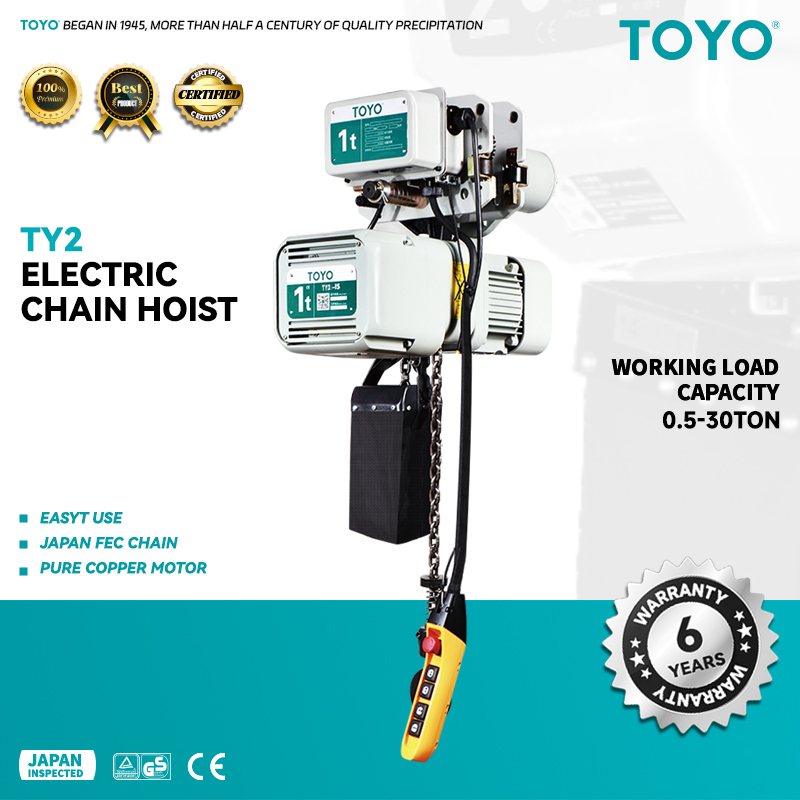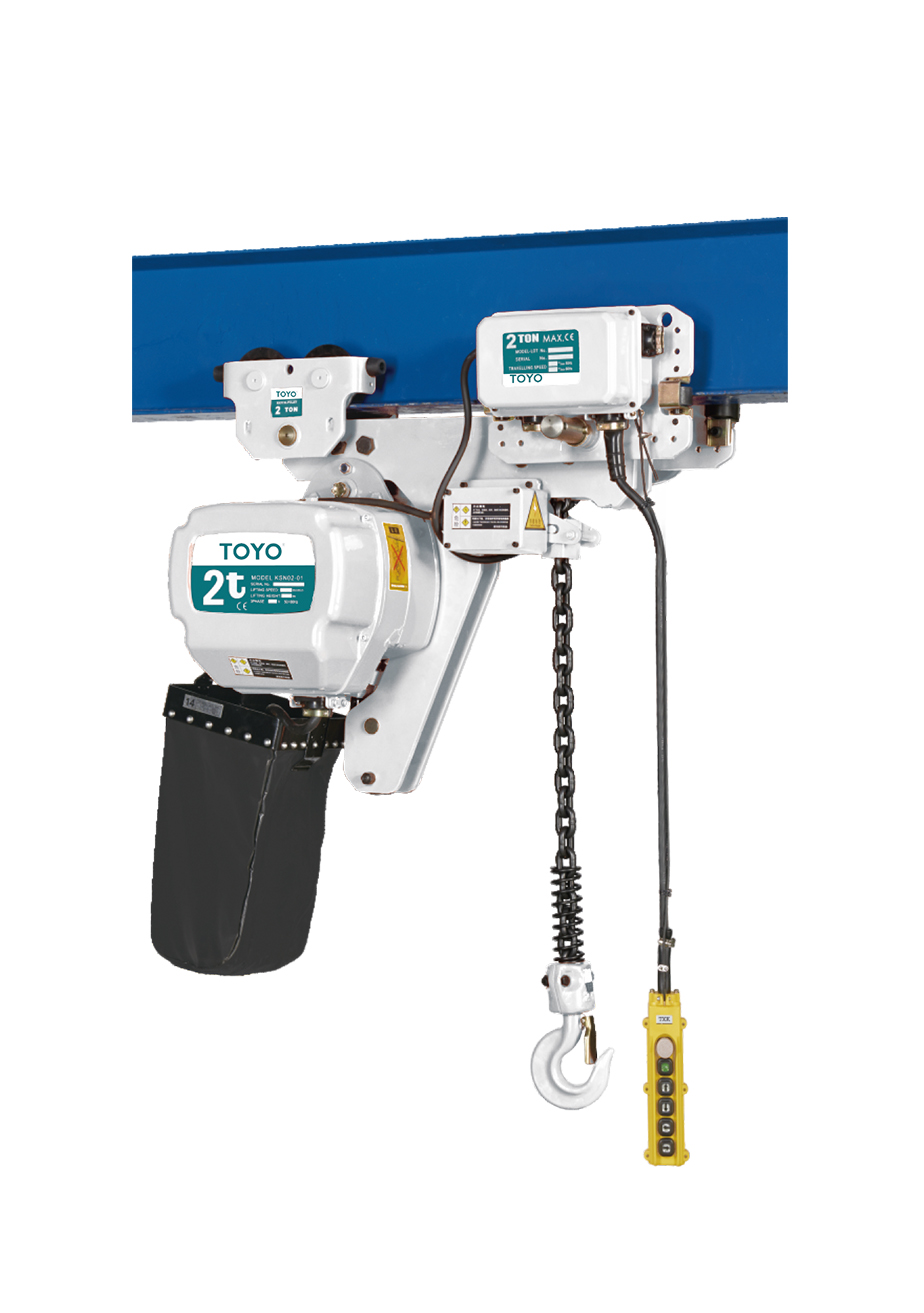
When selecting an electric chain hoist for a factory, warehouse, workshop, or industrial lifting system, buyers often focus on rated capacity, lifting height, and lifting speed. However, two additional dimensions are equally important during installation planning: hoist headroom and hook approach.
Incorrect measurements can reduce the usable lifting height, create installation difficulties, or prevent the hoist from reaching the required working position.
For distributors, engineering contractors, and industrial equipment buyers, understanding these dimensions before purchasing helps ensure that the selected lifting equipment matches the actual installation environment.
This guide explains what hoist headroom and hook approach mean, how to measure them, and what to check before ordering an electric chain hoist.
1. What Is Hoist Headroom?
Hoist headroom is the vertical distance between the hoist’s supporting or mounting reference point and the saddle of the load hook when the hook is raised to its highest position.
It represents the vertical space occupied by the hoist assembly above the load hook.
In facilities with limited ceiling height, headroom becomes particularly important. A conventional hoist may occupy a considerable amount of vertical space, reducing the maximum usable lifting height.
For example, a workshop may have sufficient ceiling height for a lifting operation, but the hoist body and trolley assembly can reduce the available hook travel.
When evaluating headroom, buyers should check:
-
Distance from the supporting beam or suspension point to the hook saddle
-
Overall hoist dimensions
-
Trolley dimensions, if applicable
-
Chain container position
-
Clearance from ceilings, beams, and surrounding structures
Always refer to the manufacturer’s dimensional drawing because measurement reference points may differ between hoist configurations.
2. What Is Hook Approach?
Hook approach generally refers to the horizontal distance between the load hook’s closest operating position and a defined reference point, such as a wall, column, or runway end.
It is particularly important when loads need to be lifted or positioned close to fixed structures.
For example, in a factory where machinery is installed near a wall, an unsuitable hook approach may prevent the operator from positioning a suspended load directly above the required working area.
The actual hook approach depends on several factors:
-
Hoist body dimensions
-
Trolley design and wheel arrangement
-
Beam configuration
-
Position of the hook relative to the trolley
-
Distance to nearby walls or structural obstructions
Because manufacturers may use different reference points, buyers should confirm the measurement method on the equipment’s general arrangement drawing.
3. How to Measure Hoist Headroom Before Purchasing
Accurate measurements are essential when selecting a hoist for an existing building or a new lifting installation.
Follow these steps before requesting a quotation.
Step 1: Measure the Available Installation Space
Measure the vertical distance between the supporting structure and the floor or the highest point that the load must reach.
Identify possible obstructions, including:
-
Ceiling beams
-
Roof structures
-
Lighting systems
-
Ventilation equipment
-
Overhead pipes and cable trays
Check the entire intended lifting area rather than measuring only one point.
Step 2: Determine the Required Lifting Height
Calculate the vertical distance the hook needs to travel between the lowest and highest operating positions.
Consider the dimensions of the load and the lifting attachments, such as slings and shackles.
Remember that lifting height and headroom are different specifications. Lifting height describes the hook’s vertical travel, while headroom describes the vertical space occupied by the hoist above the hook at its highest position.
Step 3: Confirm the Hoist Configuration
A fixed-type electric chain hoist and a running-type electric chain hoist have different installation arrangements.
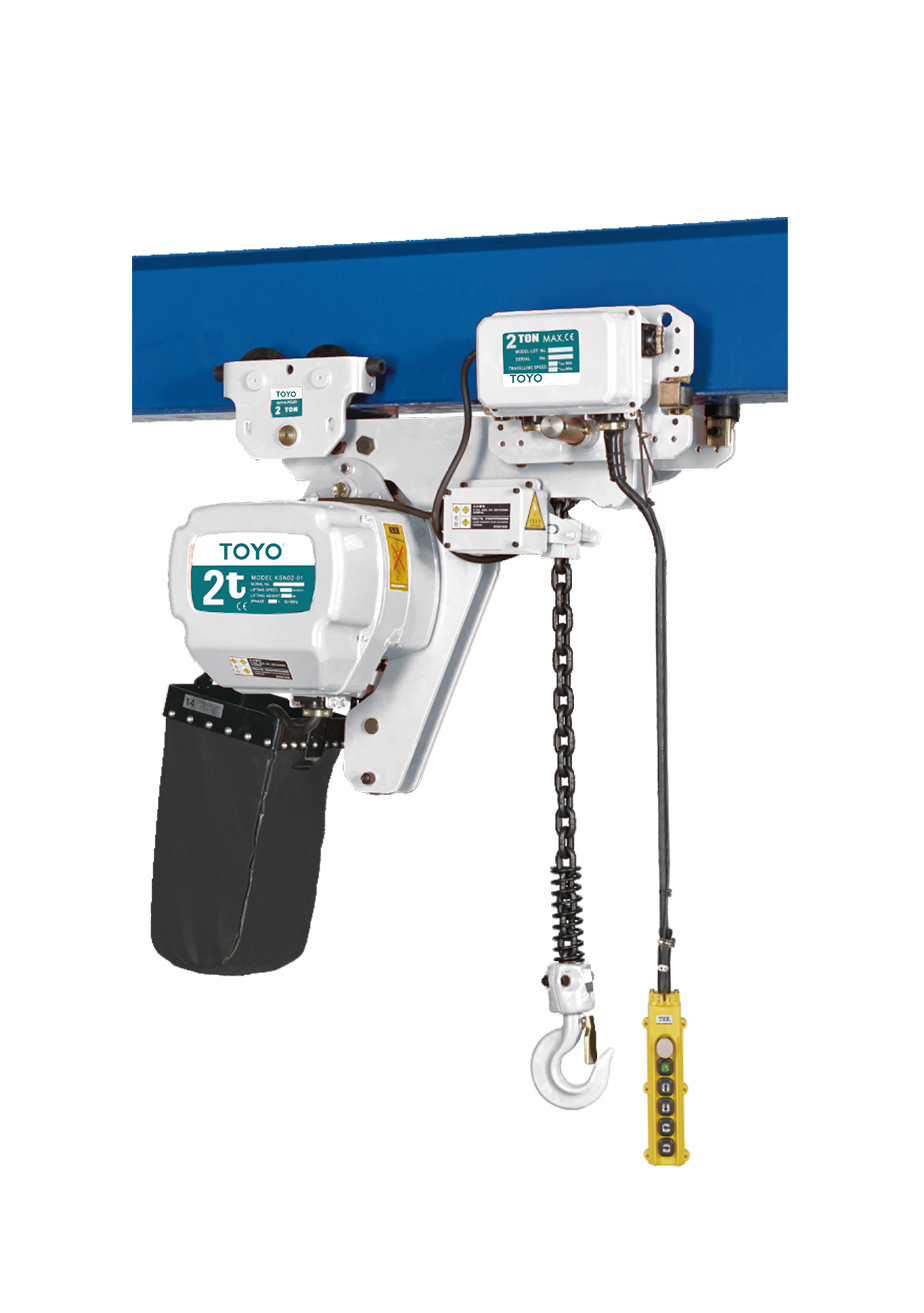
A running-type model includes a trolley assembly that travels along a supporting beam. Therefore, the overall dimensions and clearance requirements must be considered together.
For more information about different lifting configurations, explore our Electric Chain Hoist Solutions.
Step 4: Check the Manufacturer’s Dimensional Drawing
Request a general arrangement drawing before placing an order.
Check the following dimensions:
-
Overall hoist height
-
Headroom dimension
-
Hook position
-
Trolley width and height
-
Beam compatibility
-
Chain container clearance
This step helps identify potential installation conflicts before equipment delivery.
4. What Should Buyers Check When Measuring Hook Approach?
Hook approach is especially important in workshops and production facilities where loads must be positioned close to walls, columns, or machinery.
Before purchasing, consider the following factors.
1. Supporting Beam Position
Confirm the location and dimensions of the supporting beam or runway. The beam arrangement directly affects the trolley’s travel path and the hook’s operating position.
2. Trolley Dimensions
Check the trolley width, wheel arrangement, and compatibility with the beam flange.
3. Nearby Obstacles
Identify walls, columns, machinery, and other obstructions near the intended lifting area.
4. Required Load Position
Determine how close the load needs to be positioned to the wall, machine, or working station.
5. Manufacturer’s Dimensional Drawing
Request a drawing showing the hoist, trolley, hook position, and relevant clearance dimensions.
These checks help ensure that the selected equipment fits the actual installation environment.
5. Standard Electric Chain Hoist vs. Low Headroom Electric Chain Hoist
When installation space is limited, the hoist configuration becomes an important purchasing consideration.
A standard electric chain hoist is suitable for many general industrial lifting applications where sufficient overhead clearance is available.
A low-headroom electric chain hoist is designed to reduce the vertical space occupied by the lifting assembly. Its configuration can help maximize usable hook travel in facilities with restricted headroom.
Before selecting either option, compare:
| Selection Factor | Standard Hoist | Low-Headroom Hoist |
|---|---|---|
| Installation space | Requires standard clearance | Designed for restricted clearance |
| Hoist configuration | Conventional arrangement | Compact or offset arrangement |
| Available lifting height | Depends on headroom | Can maximize usable lifting height |
| Application | General industrial lifting | Workshops with limited overhead space |
The most suitable choice depends on the actual installation dimensions, required lifting height, and supporting structure.
If your application requires a different lifting configuration, you can also explore our Electric Wire Rope Hoist solutions.
6. Pre-Purchase Measurement Checklist
Before placing an order, buyers and project engineers should prepare the following information.
| Measurement or Specification | Information Required |
|---|---|
| Rated Capacity | Required load in tons |
| Lifting Height | Required vertical hook travel |
| Available Headroom | Available vertical installation space |
| Hook Approach | Required horizontal clearance |
| Beam Type | Supporting beam or runway configuration |
| Beam Dimensions | Width, depth, and flange dimensions |
| Hoist Type | Fixed or running type |
| Power Supply | Voltage, frequency, and phase |
| Operating Environment | Indoor, outdoor, or special conditions |
Providing these details to the manufacturer helps reduce specification errors and makes equipment selection more efficient.
For customized lifting requirements, you can also learn more about TOYO OEM & Customization Services.
7. Why Dimensional Confirmation Matters Before Installation
Choosing a hoist based only on lifting capacity can lead to problems during installation.
Insufficient headroom may reduce usable lifting height. An unsuitable trolley configuration may prevent the hook from reaching the required working position. Inadequate clearance may also create interference with surrounding structures.
For distributors, engineering contractors, and industrial buyers, confirming installation dimensions before ordering can help reduce modification costs, installation delays, and operational limitations.
In addition to dimensional compatibility, buyers should evaluate equipment quality, testing procedures, and safety requirements.
Learn more about TOYO’s Quality Assurance and Product Testing processes.
Frequently Asked Questions (FAQ)
1. What is the difference between hoist headroom and lifting height?
Headroom is the vertical distance between the hoist’s supporting reference point and the load hook saddle at its highest position. Lifting height is the total vertical distance the hook can travel during operation.
2. Why is headroom important when selecting an electric chain hoist?
Headroom determines how much overhead space is required for hoist installation. Choosing the correct configuration helps maximize usable lifting height and avoid interference with surrounding structures.
3. What is a low-headroom electric chain hoist?
A low-headroom electric chain hoist is designed to reduce the vertical space required for installation. It is suitable for facilities where overhead clearance is limited.
4. Does a running-type electric chain hoist require additional clearance?
Yes. A running-type electric chain hoist includes a trolley assembly, so buyers need to consider its overall dimensions, beam compatibility, and hook position when planning installation.
5. How can I measure the required hook approach?
Measure the horizontal distance between the hook’s closest operating position and the relevant reference point, such as a wall or runway end. Refer to the manufacturer’s dimensional drawing to confirm the exact measurement reference.
6. What information should I provide when requesting an electric chain hoist quotation?
Provide the rated lifting capacity, lifting height, power supply, hoist type, beam dimensions, available headroom, and required hook approach. Installation drawings or site photographs can also help.
7. Can TOYO provide electric chain hoists for limited headroom applications?
TOYO offers different electric chain hoist configurations for industrial lifting applications. Contact our team with your installation dimensions and lifting requirements to discuss a suitable solution.
Conclusion
Headroom and hook approach are important considerations when selecting an electric chain hoist, especially for facilities with limited installation space or specific load-positioning requirements.
By checking available clearance, required lifting height, beam dimensions, trolley configuration, and manufacturer’s drawings before purchasing, buyers can select equipment that better matches their installation conditions.
Looking for a suitable electric chain hoist for your project?
Contact TOYO for professional lifting equipment solutions.
Website: https://www.toyo-industry.com/
Email: info@toyo-industry.com