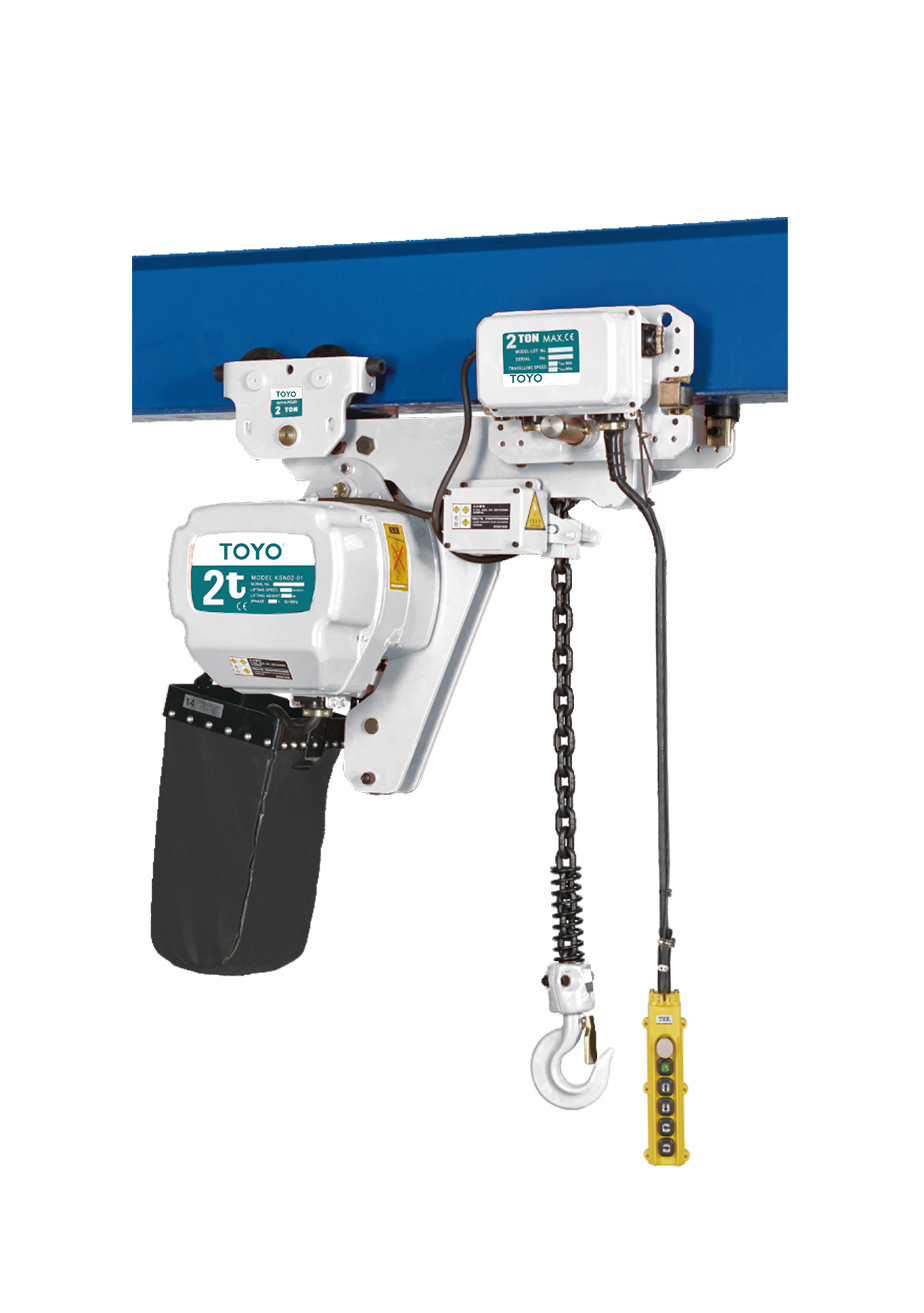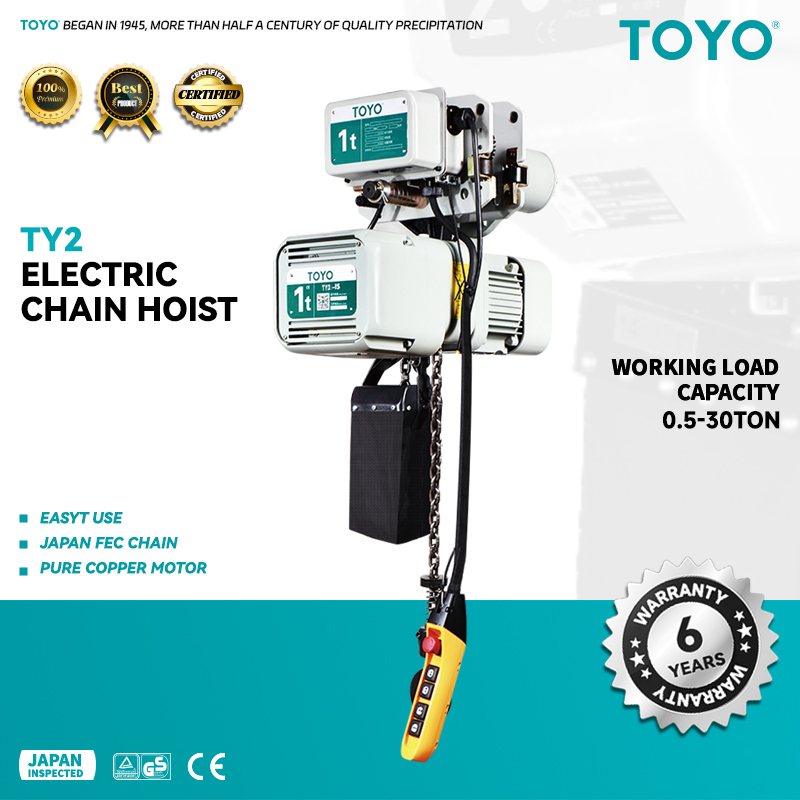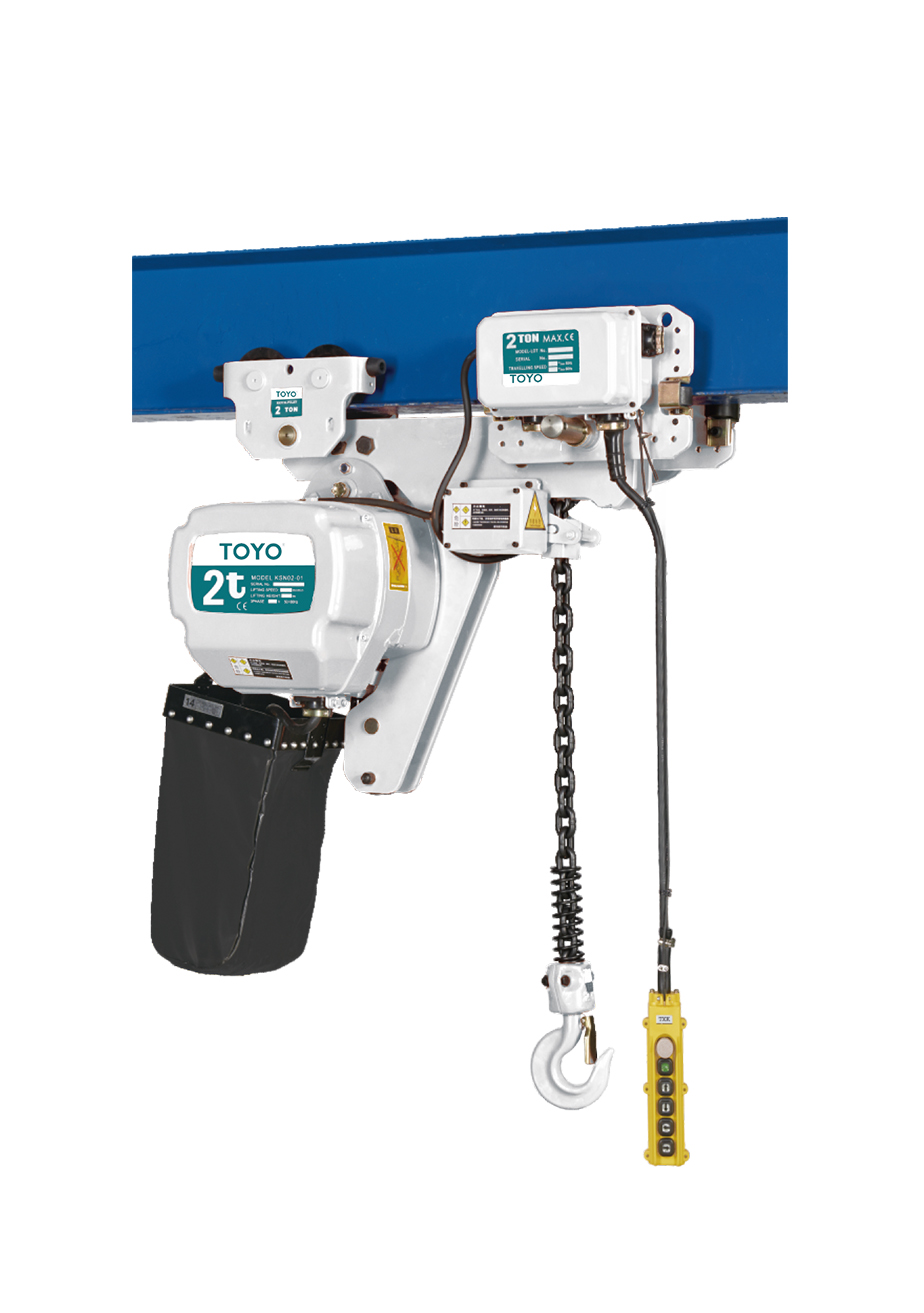
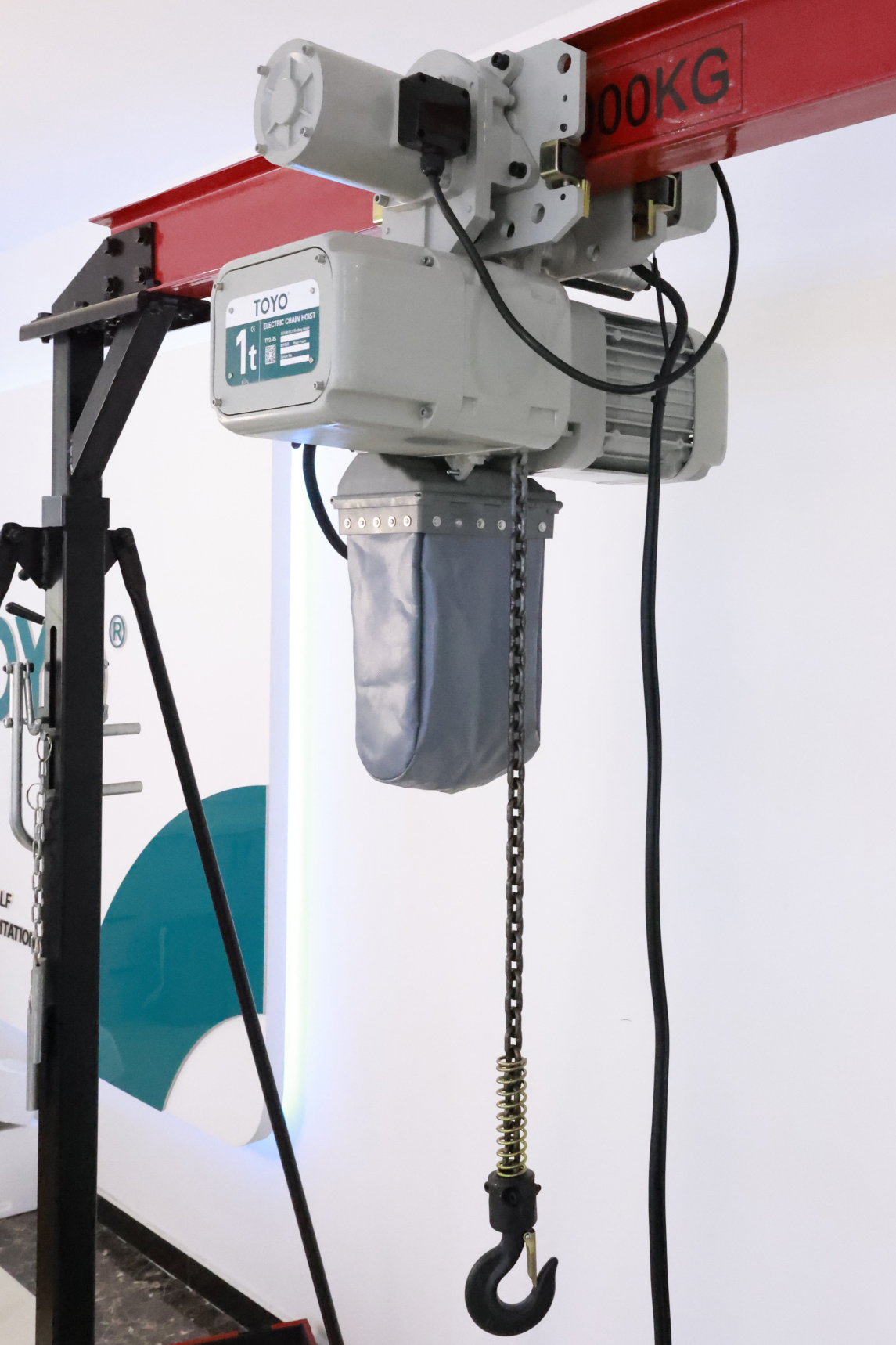
An electric chain hoist is an essential piece of lifting equipment used in factories, warehouses, workshops, construction sites, and industrial production facilities. Among its key components, the load chain plays a critical role in transferring lifting force and supporting suspended loads.
However, continuous operation, improper handling, environmental conditions, and insufficient maintenance can gradually affect the condition of the load chain. Chain elongation, surface wear, corrosion, and deformation may compromise lifting performance and operational safety.
Understanding how to inspect an electric chain hoist load chain, recognize common damage, and determine when replacement is necessary is important for equipment operators, maintenance technicians, distributors, and industrial buyers.
This guide explains the main inspection points, common chain problems, replacement considerations, and maintenance practices for electric chain hoists.
1. What Is an Electric Chain Hoist Load Chain?
An electric chain hoist load chain is a specially manufactured lifting chain designed to carry suspended loads during lifting and lowering operations.
Unlike ordinary industrial chains, hoist load chains are engineered to meet specific mechanical and dimensional requirements. They must be compatible with the hoist’s load sprocket, chain guide, and lifting mechanism.
The main functions of a load chain include:
-
Transmitting lifting force from the hoist mechanism to the load.
-
Supporting the suspended load during lifting and lowering.
-
Moving smoothly through the chain guide and load sprocket.
-
Maintaining reliable engagement with the lifting mechanism.
Depending on the hoist design, electric chain hoists may use different chain configurations, including single-fall and double-fall arrangements.
To understand the complete equipment structure and available configurations, explore TOYO’s Electric Chain Hoist product range.
2. How Does the Load Chain Work?
When an electric chain hoist operates, its motor drives the transmission mechanism, which rotates the load sprocket. The sprocket engages with the load chain and moves it through the hoist.
During lifting, the chain travels through the lifting mechanism, raising the load. During lowering, the mechanism controls the chain movement to bring the load down.
Several components work together to ensure proper chain operation:
Motor: Provides the power required for lifting and lowering.
Gearbox: Transfers and adjusts the motor’s output torque.
Load Sprocket: Engages with the chain and drives its movement.
Chain Guide: Helps guide the chain into and out of the lifting mechanism.
Braking System: Holds the suspended load when the motor stops, according to the hoist’s design.
The load chain must match the specifications of these components. Using an incompatible chain may cause poor engagement, abnormal wear, or equipment malfunction.
3. Common Types of Electric Hoist Load Chain Damage
Regular inspection helps identify potential problems before they develop into more serious equipment failures.
The following are common types of load chain damage.
3.1 Chain Elongation
Chain elongation occurs when the dimensions of chain links increase due to wear or other mechanical damage.
It may result from repeated loading, friction between contacting surfaces, inadequate lubrication, or operation under unsuitable conditions.
Excessive elongation can affect the engagement between the chain and load sprocket.
Operators should check chain dimensions using an appropriate measuring method and compare the results with the manufacturer’s specified limits.
3.2 Surface Wear
Load chains are exposed to repeated contact with the load sprocket, chain guide, and adjacent chain links.
Over time, this contact may cause material loss on the chain surfaces.
Common signs include:
-
Noticeable reduction in chain diameter.
-
Uneven wear on individual links.
-
Deep scratches or grooves.
-
Abnormal contact marks.
If wear exceeds the applicable acceptance limits, the chain should be removed from service.
3.3 Cracks and Deformation
Cracks, bent links, twisted links, and other visible deformations are serious warning signs.
These conditions may result from overload, impact, improper handling, or mechanical damage.
A damaged load chain should not continue to be used for lifting operations.
Do not attempt to repair cracked or deformed load-bearing chain links by welding, heating, or straightening.
3.4 Corrosion and Rust
Moisture, chemicals, outdoor exposure, and unsuitable storage conditions can cause corrosion.
Corrosion may damage the chain surface and reduce its effective cross-section.
For equipment operating in humid or corrosive environments, inspection and maintenance should take environmental conditions into account.
3.5 Poor Chain Movement
A load chain should move smoothly through the hoist mechanism during normal operation.
Abnormal noise, vibration, jerky movement, or chain jamming may indicate problems involving the chain, sprocket, chain guide, lubrication, or other internal components.
Stop operation and arrange a qualified inspection before returning the equipment to service.
4. How to Inspect an Electric Hoist Load Chain
A systematic inspection helps maintenance personnel identify wear and damage more consistently.
Before inspection, follow the equipment manufacturer’s safety procedures. Isolate the power supply, prevent accidental operation, and ensure the suspended load has been safely removed.
The following inspection points are important.
Step 1: Check the Overall Appearance
Examine the accessible sections of the load chain.
Look for:
-
Cracks and visible deformation.
-
Rust and corrosion.
-
Deep scratches and surface damage.
-
Abnormal wear on chain links.
-
Evidence of overheating or other unusual damage.
Step 2: Measure Chain Wear
Use an appropriate measuring instrument to check the relevant chain dimensions.
Depending on the manufacturer’s inspection procedure, measurements may include chain link diameter, internal dimensions, or multiple consecutive link dimensions.
Compare the measurements with the original specifications and applicable rejection criteria.
Do not rely only on visual appearance to determine whether a chain is suitable for continued operation.
Step 3: Check Chain Movement
Where permitted by the manufacturer’s inspection procedure, check whether the chain moves smoothly through the lifting mechanism.
Pay attention to unusual friction, jamming, abnormal noise, or irregular movement.
Step 4: Inspect the Load Sprocket and Chain Guide
The chain and its supporting components work together.
Inspect the load sprocket and chain guide for visible wear, damage, or abnormal engagement.
A damaged sprocket may accelerate chain wear, while an incorrectly installed chain may cause operational problems.
Step 5: Record Inspection Results
Maintain inspection records that include:
-
Inspection date.
-
Equipment model and identification.
-
Chain condition.
-
Measurement results.
-
Identified defects.
-
Corrective actions.
Documented inspection results make it easier to track equipment condition over time.
5. When Should an Electric Hoist Load Chain Be Replaced?
A load chain should be replaced when its condition no longer meets the manufacturer’s acceptance criteria or applicable safety requirements.
Common replacement indicators include:
Excessive Wear: Measured chain dimensions exceed the specified wear limits.
Cracks: Any confirmed crack in a load-bearing chain link requires the chain to be removed from service.
Deformation: Bent, twisted, or otherwise permanently deformed links indicate potential structural damage.
Severe Corrosion: Corrosion that compromises the chain’s dimensions or structural integrity requires professional assessment and may necessitate replacement.
Abnormal Engagement: Chain and sprocket engagement problems may indicate damage or incompatibility.
When replacement is necessary, always select a chain specifically approved for the hoist model.
A replacement chain must match the manufacturer’s requirements for chain diameter, pitch, material, grade, heat treatment, and other relevant specifications.
Never assume that two chains with similar dimensions are interchangeable.
6. Common Mistakes in Load Chain Maintenance
Even high-quality lifting equipment can experience premature wear when maintenance procedures are not followed correctly.
Avoid these common mistakes:
Using Incompatible Replacement Chains
A chain that does not match the hoist’s load sprocket may cause abnormal engagement and accelerated wear.
Ignoring Early Signs of Damage
Small cracks, unusual wear, or abnormal chain movement should never be ignored.
Using Improper Lubricants
Always use lubricants recommended by the equipment manufacturer. Unsuitable lubricants may affect chain performance or attract excessive dirt and debris.
Attempting Unauthorized Repairs
Welding, heating, grinding, or straightening damaged load-bearing chain links can compromise their mechanical properties.
Overlooking the Chain Guide and Sprocket
Replacing the chain without checking related components may leave the original problem unresolved.
Following the manufacturer’s maintenance instructions helps maintain equipment reliability and extend service life.
7. How to Choose a Reliable Electric Hoist Load Chain
For distributors, importers, and industrial equipment buyers, selecting the correct load chain is an important part of purchasing an electric chain hoist.
Consider the following factors:
7.1 Material and Manufacturing Quality
The chain should be manufactured from suitable materials and processed according to the required mechanical specifications.
Heat treatment, dimensional accuracy, and manufacturing consistency are important quality considerations.
7.2 Compatibility with the Hoist
Confirm that the chain is designed for the specific hoist model.
Chain diameter, pitch, link geometry, and sprocket compatibility must meet the manufacturer’s requirements.
7.3 Rated Capacity and Application
The chain must be suitable for the hoist’s rated capacity and intended lifting configuration.
Buyers should also consider operating frequency, lifting height, working environment, and expected service conditions.
7.4 Quality Control and Product Testing
Reliable manufacturers should have established quality control procedures covering material selection, production, dimensional inspection, and relevant product testing.
Before purchasing, distributors and project buyers can request technical specifications and quality documentation.
Learn more about TOYO Quality Assurance and Product Testing.
7.5 OEM and Customization Requirements
For distributors and equipment manufacturers, customization may be necessary to meet different market requirements.
Depending on the product and technical feasibility, customization may involve lifting height, operating voltage, control configuration, chain container arrangements, and other equipment specifications.
Explore TOYO OEM & Customization Services for more information.
8. Frequently Asked Questions About Electric Chain Hoist Load Chains
Q1: How often should an electric hoist load chain be inspected?
Inspection frequency depends on the equipment manufacturer’s instructions, operating conditions, duty cycle, and applicable safety regulations.
Equipment used frequently or in harsh environments may require more frequent inspections. Always follow the specified inspection schedule and carry out additional inspections whenever abnormal conditions are suspected.
Q2: What causes electric hoist load chain elongation?
Chain elongation can result from wear between contacting surfaces, repeated loading, insufficient lubrication, contamination, or unsuitable operating conditions.
Regular dimensional inspections help identify excessive wear.
Q3: Can a damaged electric hoist load chain be repaired?
Cracked, permanently deformed, or excessively worn load-bearing chain links should not be repaired through welding, heating, or straightening.
Remove the affected chain from service and follow the manufacturer’s replacement requirements.
Q4: How do you measure electric hoist chain wear?
Use suitable measuring instruments and follow the manufacturer’s specified measurement procedure.
Check the relevant dimensions and compare the results with the original chain specifications and applicable rejection limits.
Q5: Can any industrial chain be used as a replacement for an electric hoist load chain?
No. Electric hoist load chains are designed for specific lifting mechanisms.
A replacement must meet the original manufacturer’s requirements for dimensions, mechanical properties, material, and compatibility with the load sprocket.
Q6: What should buyers consider when purchasing an electric chain hoist?
Buyers should evaluate rated lifting capacity, lifting height, lifting speed, power supply, operating frequency, chain specifications, safety features, product certifications, and after-sales technical support.
Working with an experienced manufacturer can help ensure that the selected equipment matches the actual application.
Conclusion
The load chain is one of the most important components of an electric chain hoist. Its condition directly affects lifting performance and operational safety.
Regular inspection, correct lubrication, proper equipment operation, and timely replacement are essential for maintaining reliable lifting operations.
For distributors, importers, and industrial buyers, choosing a reliable electric chain hoist manufacturer is equally important.
TOYO provides lifting and material handling equipment for a wide range of industrial applications. Contact our team to discuss your lifting requirements and find suitable equipment solutions.
Looking for reliable electric chain hoists for your business?
Visit TOYO Electric Chain Hoist or contact TOYO to discuss your requirements.