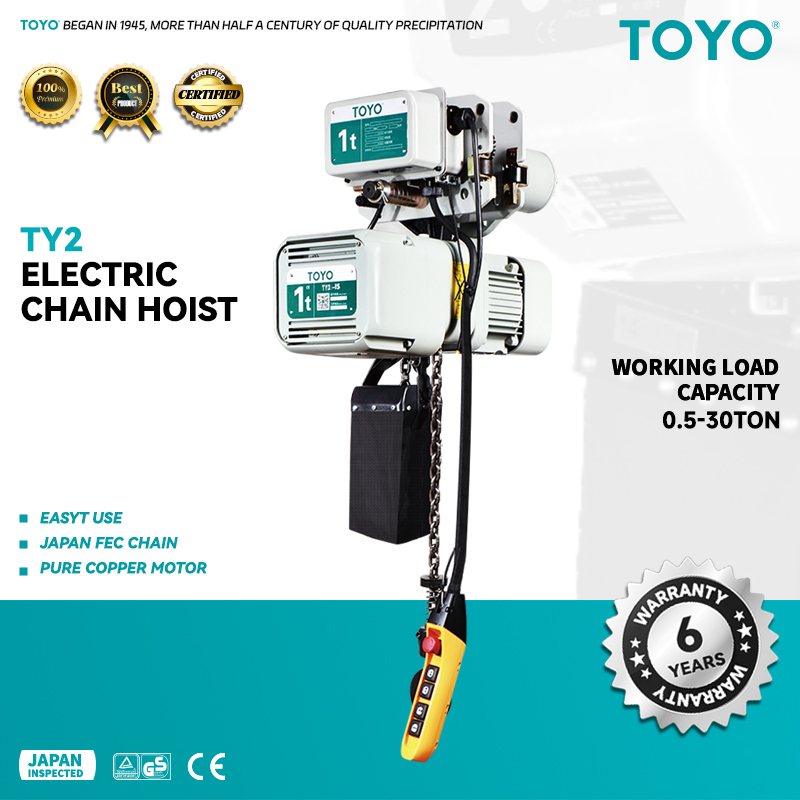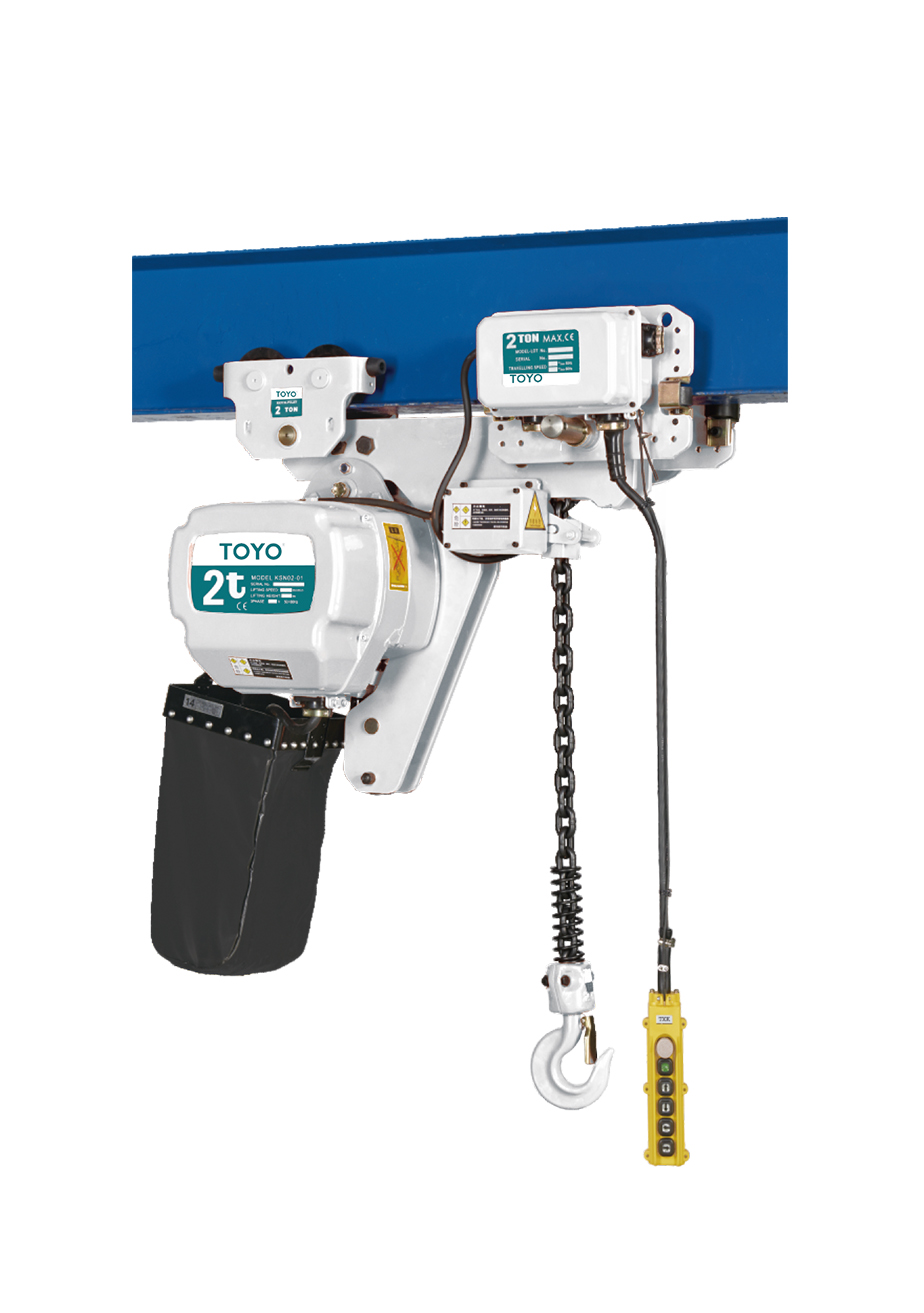
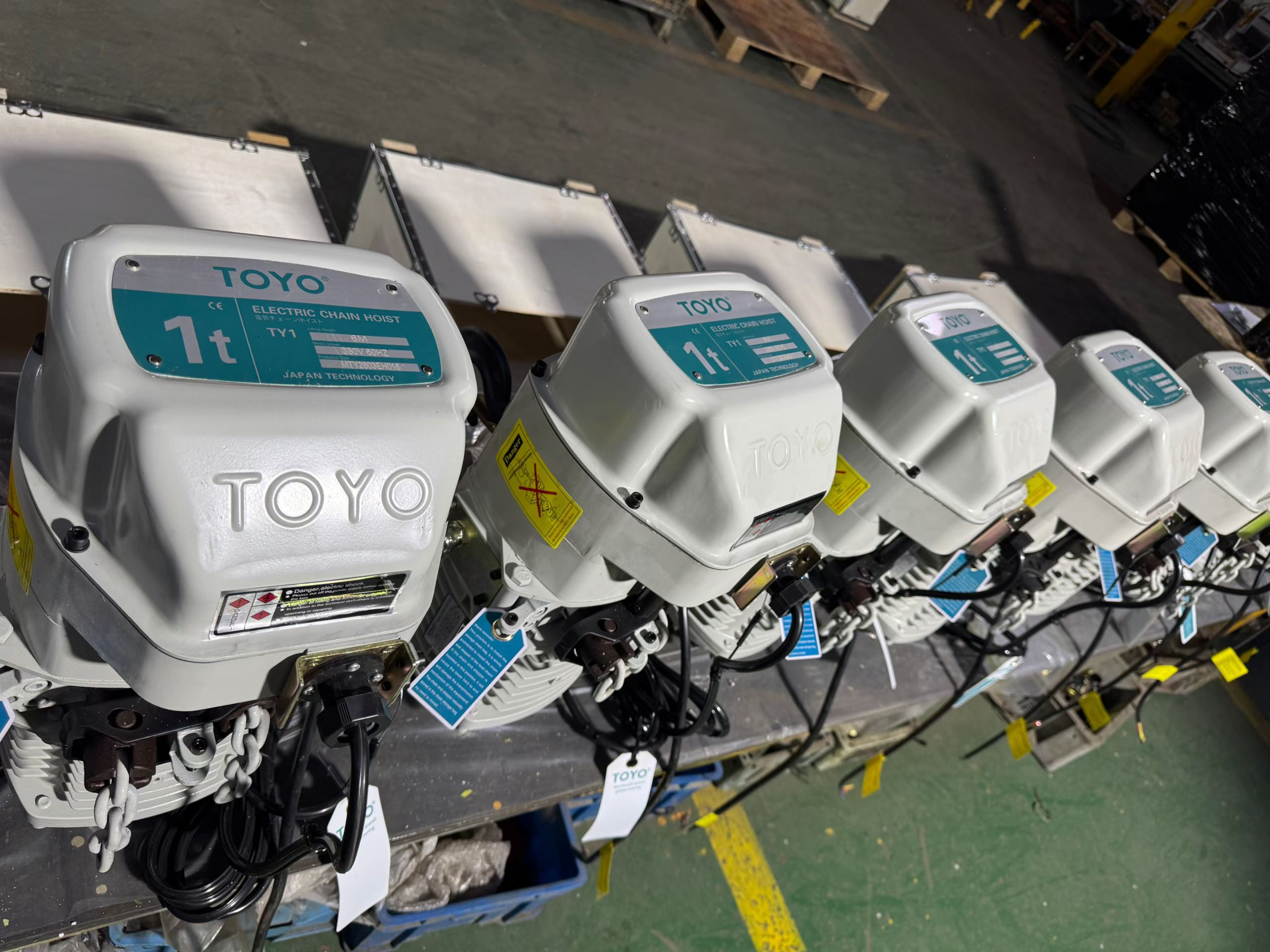
An electric chain hoist is widely used in factories, warehouses, workshops, and industrial production facilities. While the motor, gearbox, brake, and load chain receive considerable attention, the chain container is another important component that should not be overlooked.
The chain container collects and stores the unloaded portion of the load chain during lifting operations. A properly selected and installed container helps keep the chain organized, reduces workplace obstruction, and supports smooth hoist operation.
For distributors, importers, and industrial equipment buyers, understanding chain container selection and maintenance can help ensure that an electric chain hoist is suitable for its intended application.
This guide explains how an electric chain hoist chain container works, how to select the correct type, and how to maintain it properly.
1. What Is an Electric Chain Hoist Chain Container?
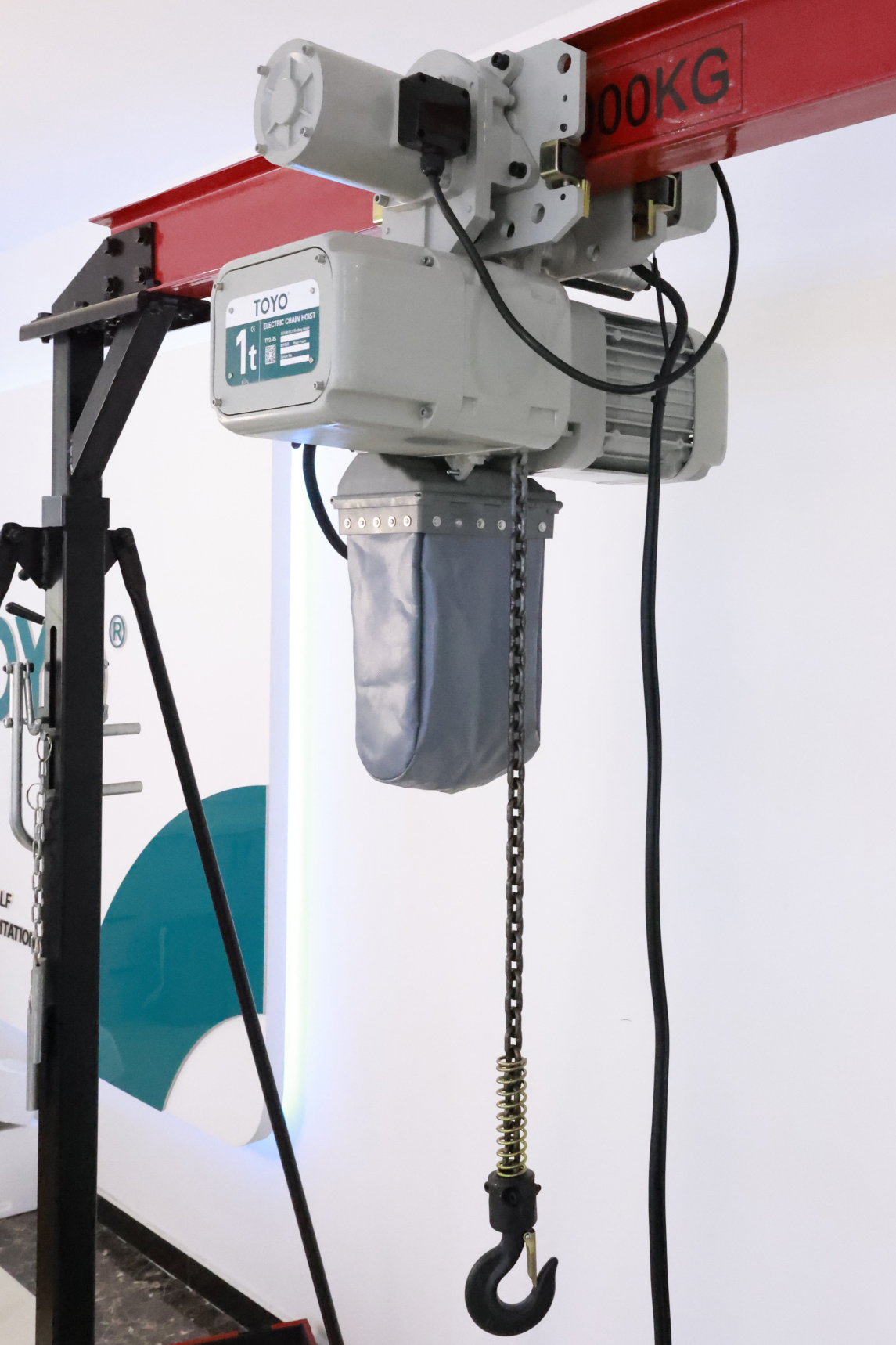
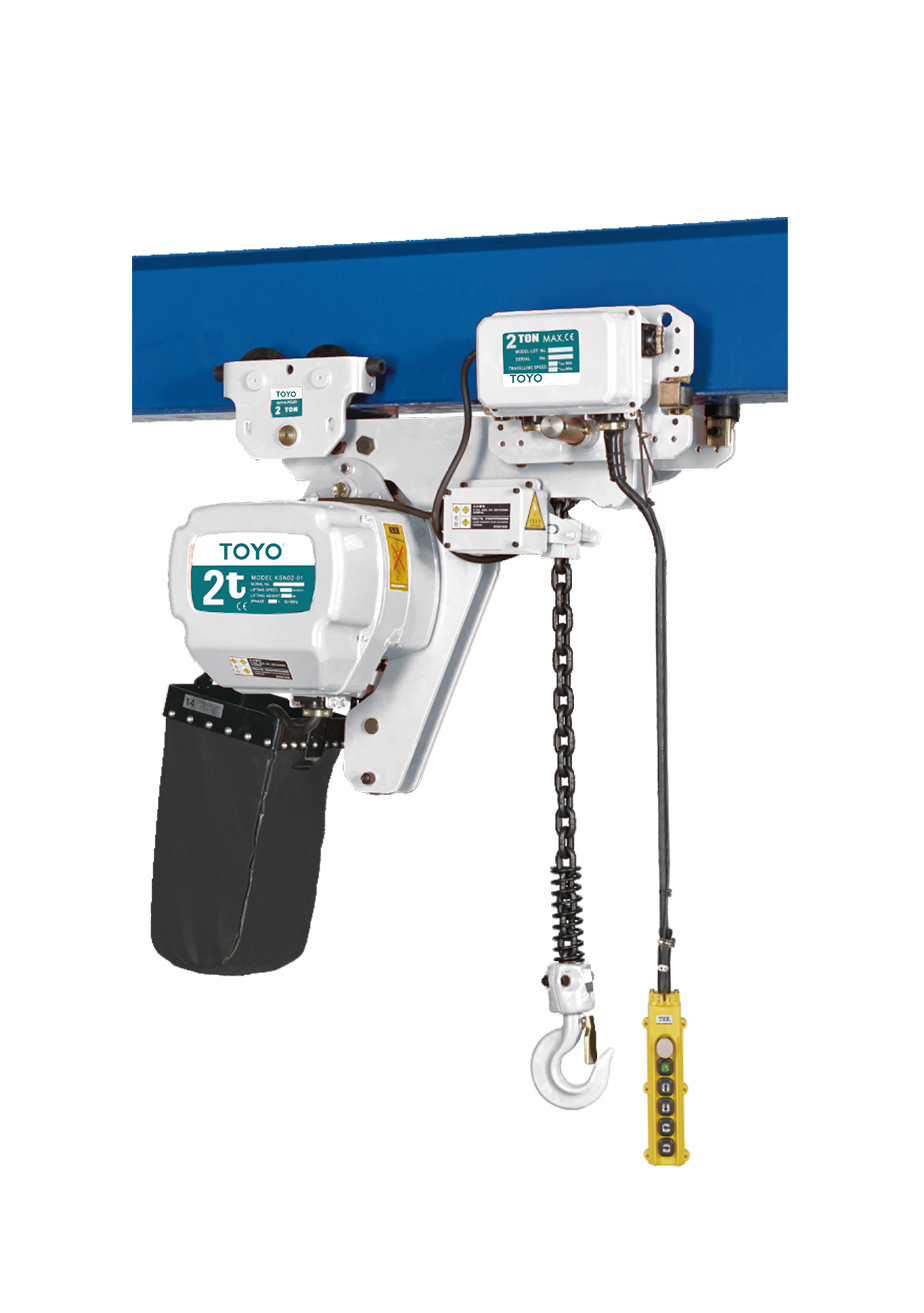
An electric chain hoist chain container is a component designed to collect and hold the excess load chain when the hoist operates.
During lifting, the chain moves through the hoisting mechanism, and the unloaded portion is collected inside the container. During lowering, the chain moves out of the container as required.
Depending on the hoist design, chain containers may be manufactured from fabric, plastic, or other suitable materials.
Their main functions include:
-
Collecting excess load chain during operation.
-
Keeping the chain organized and contained.
-
Reducing the risk of loose chain interfering with nearby equipment.
-
Supporting convenient operation in limited working spaces.
-
Helping protect the chain from unnecessary external contact.
The container must be compatible with the hoist model, chain specifications, and lifting height.
2. Why Is the Chain Container Important?
Although the chain container does not directly carry the suspended load, its condition can affect the overall operation of an electric chain hoist.
Organized Chain Storage
Without a suitable container, excess chain may accumulate around the equipment or working area.
A properly sized container keeps the unloaded chain organized and reduces unnecessary obstruction.
Smooth Chain Movement
The container must allow the chain to enter and leave freely.
An incorrectly installed or unsuitable container may restrict chain movement and contribute to chain jamming.
Improved Workplace Organization
In workshops, assembly lines, and warehouses, loose chains can interfere with nearby equipment or working areas.
A suitable chain container helps maintain a cleaner and more organized lifting environment.
Equipment Compatibility
Different hoist models and lifting heights require different chain storage capacities.
Selecting a suitable container helps ensure that the chain can be collected properly throughout the operating range.
3. How to Choose the Right Electric Hoist Chain Container
When selecting a chain container, buyers should consider several important factors.
3.1 Hoist Model Compatibility
The chain container should be designed for the specific electric chain hoist model.
Check the manufacturer’s specifications before ordering a replacement or additional container.
Do not assume that containers from different hoist models are interchangeable.
3.2 Lifting Height
Lifting height directly affects the amount of load chain that must be collected during operation.
A higher lifting height generally requires a larger chain storage capacity, depending on the hoist’s chain configuration.
Before purchasing, confirm the required lifting height and the corresponding container specification.
3.3 Load Chain Configuration
Electric chain hoists may use different chain arrangements, such as single-fall and double-fall configurations.
The chain container must be suitable for the actual chain arrangement and total chain length.
3.4 Container Material
Common chain container materials include:
Fabric Containers
Fabric containers are flexible and lightweight. They are commonly used in general industrial lifting applications.
Plastic Containers
Plastic containers provide a structured storage solution and may be suitable for certain compact hoist designs.
Other Engineered Materials
Depending on the application, manufacturers may offer other container materials to meet specific equipment and operating requirements.
The appropriate material depends on the hoist design, working environment, and manufacturer’s specifications.
3.5 Working Environment
Consider the actual operating conditions before selecting a chain container.
For example:
-
Indoor workshops may require a standard container suitable for regular industrial use.
-
Dusty environments may require more frequent inspection and cleaning.
-
Outdoor applications may require materials suitable for the expected weather conditions.
-
Limited installation spaces may require a compact container arrangement.
Always confirm environmental suitability with the equipment manufacturer.
4. Electric Chain Hoist Chain Container Installation
Correct installation is important for reliable chain collection and smooth operation.
Follow the manufacturer’s installation instructions and consider these general checks.
Step 1: Confirm Compatibility
Before installation, verify that the container matches the hoist model, chain configuration, and lifting height.
Step 2: Check the Mounting Position
Ensure that the mounting location is correct and that all required fixing components are available.
Step 3: Check the Chain Arrangement
The chain should enter the container naturally without twisting, excessive friction, or obstruction.
Step 4: Inspect the Container
Check for tears, cracks, deformation, loose connections, or other visible damage.
Step 5: Conduct an Operational Check
Following the manufacturer’s procedure, perform an appropriate no-load operational check.
Observe whether the chain enters and leaves the container smoothly throughout the permitted operating range.
If the chain becomes tangled, jams, or accumulates abnormally, stop operation and investigate the cause.
5. Common Chain Container Problems and Solutions
Even a suitable chain container may develop problems during long-term operation.
The following are common issues that maintenance personnel should recognize.
Chain Accumulation or Jamming
Possible causes:
-
Incorrect chain arrangement.
-
Unsuitable container size.
-
Damaged or deformed container.
-
Improper installation.
Recommended action:
Stop operation, isolate the equipment according to the manufacturer’s safety procedure, and check the chain arrangement and container compatibility.
Damaged Fabric Container
Possible causes:
-
Repeated friction.
-
Contact with sharp edges.
-
Excessive environmental exposure.
-
Improper handling.
Recommended action:
Inspect the container regularly and replace it when damage affects its ability to collect and hold the chain properly.
Loose Mounting Connections
Possible causes:
-
Improper installation.
-
Vibration during operation.
-
Worn or missing fixing components.
Recommended action:
Check mounting components and reinstall or replace them according to the manufacturer’s instructions.
Incorrect Container Capacity
Possible causes:
-
A replacement container selected without checking lifting height.
-
A mismatch between chain configuration and container specifications.
Recommended action:
Confirm the required storage capacity with the hoist manufacturer before replacement.
6. Electric Chain Hoist Chain Container Maintenance Checklist
Regular maintenance helps identify potential problems before they affect lifting operations.
Consider the following inspection points:
| Inspection Item | What to Check |
|---|---|
| Container Body | No cracks, tears, or serious deformation |
| Mounting Points | Secure connections and no missing components |
| Chain Arrangement | No twisting or abnormal accumulation |
| Container Capacity | Suitable for the specified lifting height |
| Chain Movement | Smooth entry and exit |
| External Condition | No harmful obstruction or contamination |
Inspection frequency should follow the equipment manufacturer’s instructions and actual operating conditions.
Never attempt to clear a jammed chain while the hoist is operating or while the equipment remains energized.
7. What Should Buyers Confirm When Ordering Replacement Chain Containers?
For international distributors and industrial equipment buyers, ordering the correct replacement component is essential.
Before placing an order, prepare the following information:
-
Electric chain hoist model.
-
Rated lifting capacity.
-
Required lifting height.
-
Load chain specifications.
-
Chain configuration.
-
Existing container type, if available.
-
Required quantity.
Providing these details helps the manufacturer identify the appropriate replacement component and avoid unnecessary ordering errors.
For bulk purchases, distributors should also confirm product compatibility, spare parts availability, and customization requirements.
8. Why Choose TOYO for Electric Chain Hoist Solutions?
TOYO focuses on lifting equipment manufacturing and material handling solutions, serving industrial customers and distributors in international markets.
Our product range includes electric chain hoists designed for different lifting requirements.
When selecting lifting equipment, customers can consider:
-
Different lifting capacities and configurations.
-
Manufacturing quality control.
-
Product inspection and testing.
-
OEM and customization support.
-
Technical assistance and spare parts support.
TOYO understands that reliable lifting equipment depends on the coordination of multiple components, not just the main lifting mechanism.
Explore our Electric Chain Hoist Product Range to learn more about available lifting solutions.
For product quality information, visit our Quality Assurance and Product Testing pages.
If you have specific requirements for lifting height, chain configuration, or equipment accessories, learn more about our OEM & Customization Services.
9. Frequently Asked Questions (FAQ)
Q1: What is the function of an electric chain hoist chain container?
A chain container collects and stores the unloaded portion of the load chain during hoist operation. It helps keep the chain organized and prevents loose chain from interfering with the working area.
Q2: Does lifting height affect chain container size?
Yes. Lifting height affects the total amount of chain that must be collected. The container must have sufficient capacity for the specified chain length and configuration.
Q3: Are all electric hoist chain containers interchangeable?
No. Different hoist models may have different chain specifications, mounting arrangements, and container requirements. Always confirm compatibility with the manufacturer.
Q4: What materials are used for electric hoist chain containers?
Common materials include fabric and plastic. The appropriate material depends on the hoist design, operating environment, and manufacturer’s specifications.
Q5: Why does an electric hoist chain become tangled inside the container?
Possible causes include incorrect chain arrangement, insufficient container capacity, improper installation, or a damaged container. Stop operation and investigate the issue before continuing to use the hoist.
Q6: Can I replace an electric hoist chain container myself?
Replacement should follow the manufacturer’s instructions and be performed by qualified personnel where required. Always isolate the equipment before maintenance and conduct the specified operational checks afterward.
Conclusion
An electric chain hoist chain container is an important accessory for organized and reliable lifting operations. Selecting the correct container, ensuring proper installation, and carrying out regular inspections help prevent chain accumulation and operational interruptions.
For distributors, importers, and industrial buyers, checking hoist model compatibility, lifting height, chain configuration, and container capacity is essential when purchasing replacement components.
Looking for electric chain hoists or compatible lifting accessories?
Contact TOYO to discuss your requirements and explore suitable industrial lifting solutions.
Email: info@toyo-industry.com
Website: https://www.toyo-industry.com/