In modern industrial, construction, and logistics environments, efficiency, safety, and reliability are critical for operations. Understanding how electric winches work is essential for engineers, procurement managers, and decision-makers who aim to optimize lifting operations while maintaining high safety standards.
An electric winch converts electrical energy into mechanical energy, enabling the lifting, pulling, or positioning of heavy loads with minimal manual effort. Unlike manual systems, electric winches allow precise control over load movement, reduce labor intensity, and improve operational efficiency. In this blog, we explore the working principles of electric winches, key components, applications, and advantages for modern industrial workflows.
How Electric Winches Operate: Core Components
Electric Motor: The Heart of the System
The electric motor drives the winch, providing mechanical force to rotate the drum and move the load. Motors can be AC or DC, and their power rating determines both lifting capacity and speed. High-quality motors are designed for continuous operation and include thermal protection to prevent overheating.
Gearbox: Optimizing Torque and Speed
The gearbox converts high-speed motor rotation into slower, high-torque drum rotation. This allows the winch to lift heavy loads efficiently while protecting the motor and maintaining precise control. Industrial-grade gearboxes are often sealed and lubricated to withstand harsh operational environments.
Drum and Cable Systems
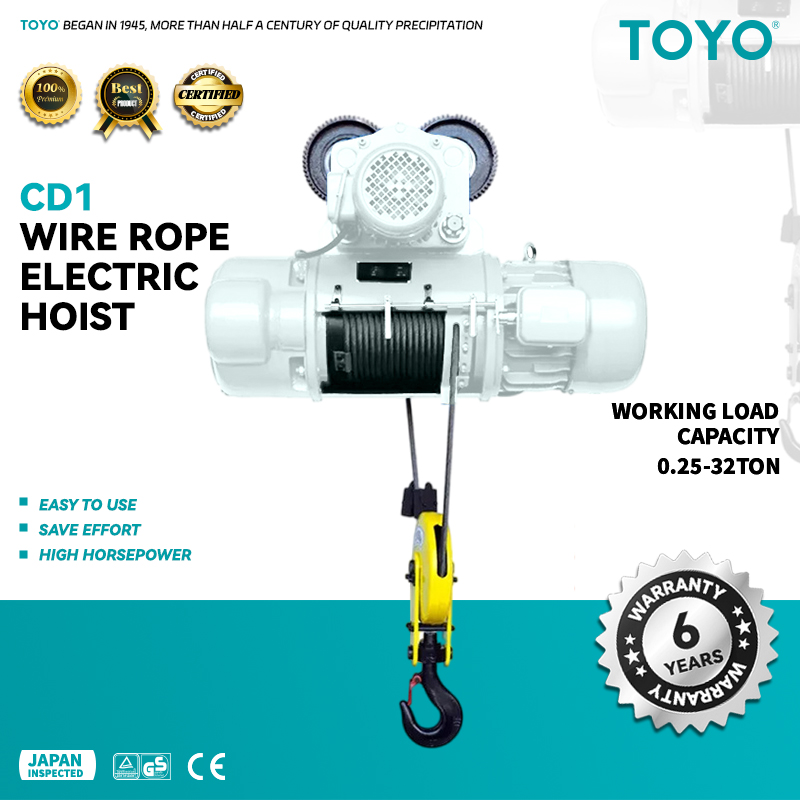
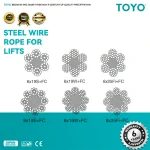
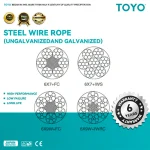
The drum stores the cable that moves the load. Electric winches commonly use electric wire rope for durability and high load capacity. As the drum rotates, the cable winds or unwinds, converting rotational motion into linear movement. Proper drum design ensures smooth operation, even cable distribution, and prevents wear or tangling.
Braking Mechanisms: Ensuring Safety
Winches are equipped with braking systems to prevent uncontrolled load descent. Automatic or manual brakes hold the load when the motor stops, ensuring operator safety. Modern systems may include mechanical, electromagnetic, or hydraulic brakes depending on load requirements.
Control Systems: Precision and Automation
Advanced control systems allow remote operation, variable speed adjustment, and programmable limit switches. This ensures precise load positioning, enhances safety, and reduces the risk of operational errors.
Applications of Electric Winches
Industrial Material Handling
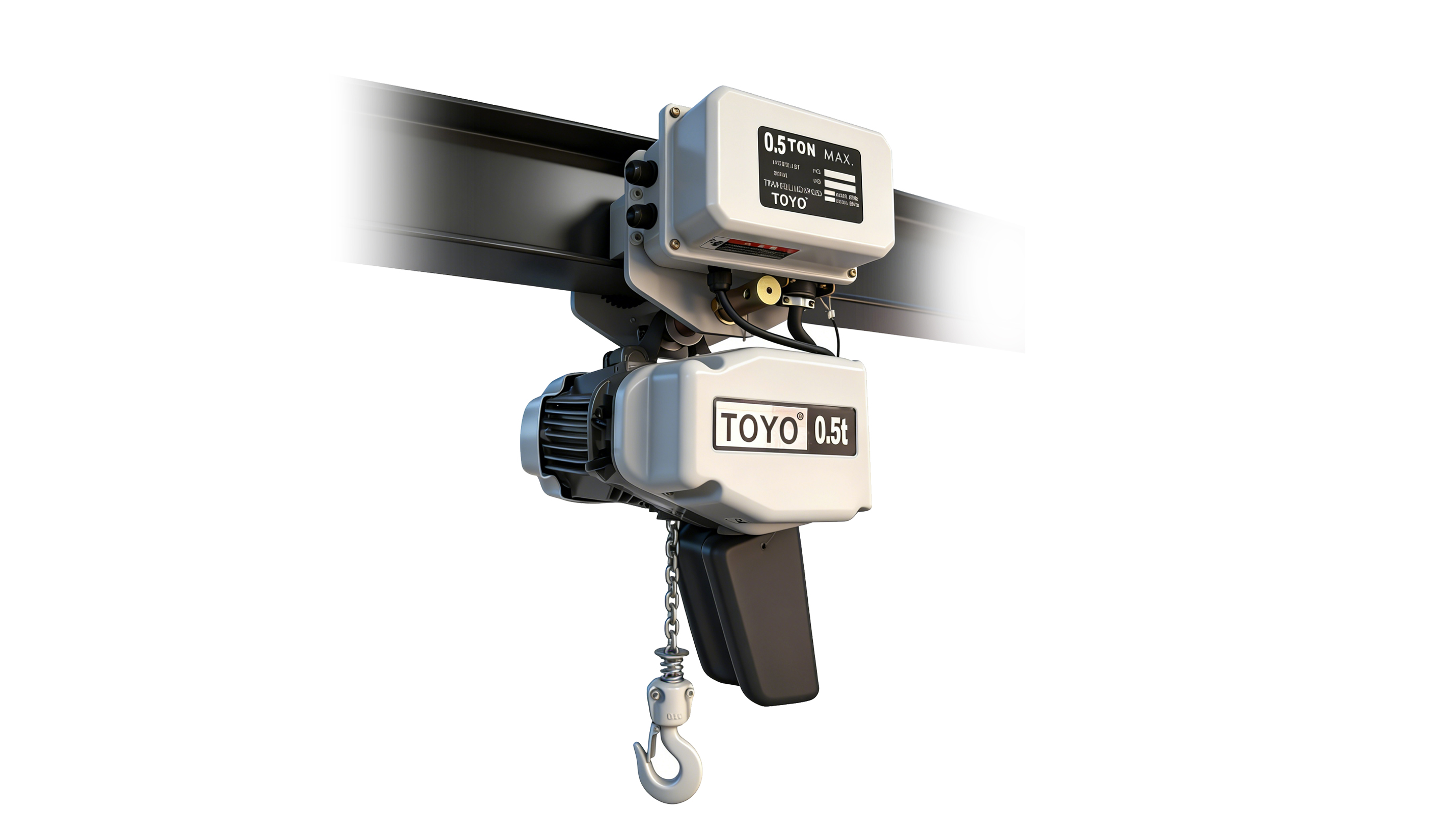
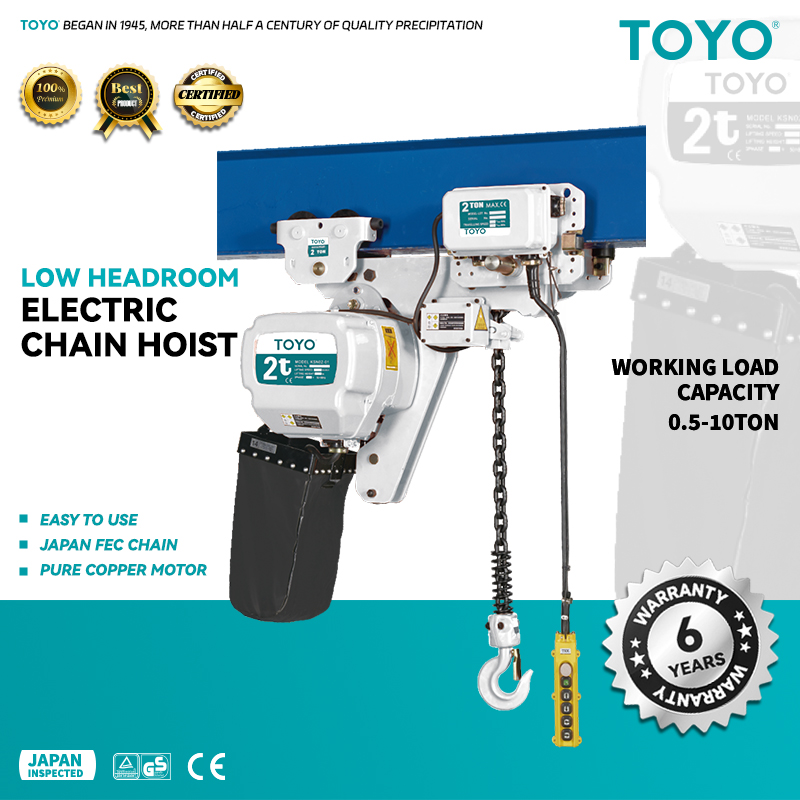
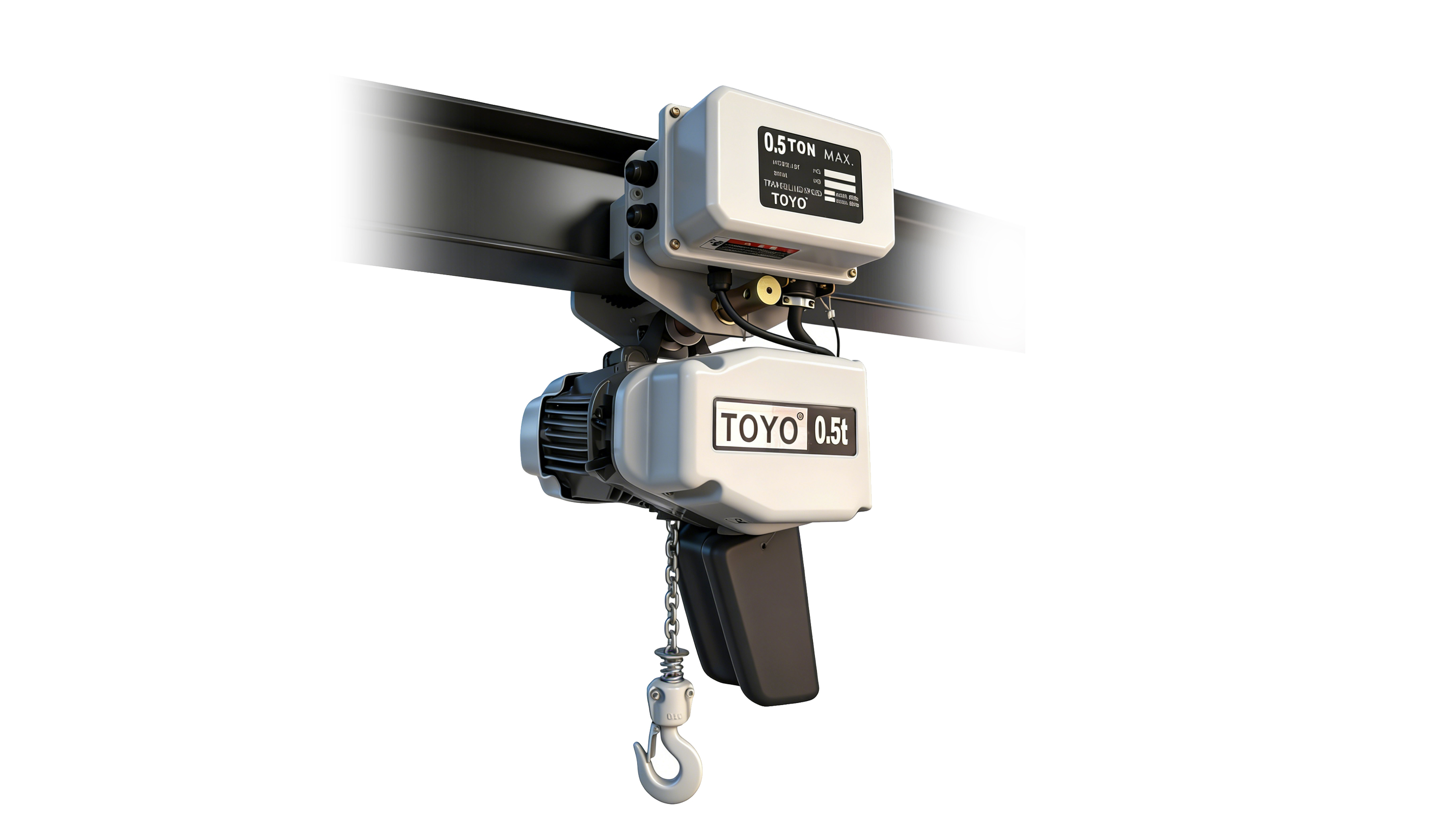
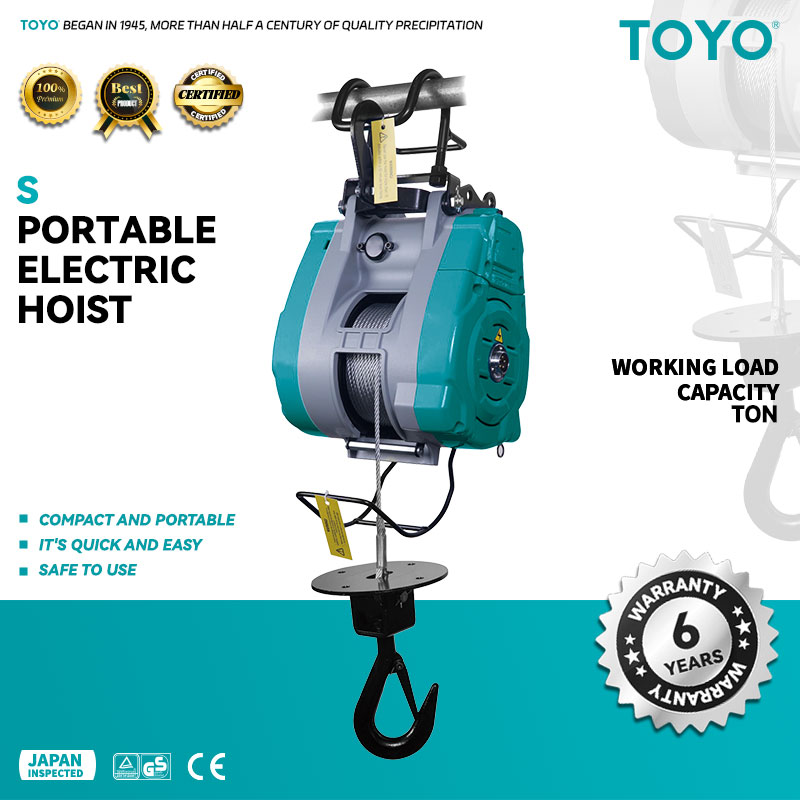
Electric winches are widely used in factories, warehouses, and production facilities to move heavy equipment, lift machinery, and assist with assembly processes. Compared to manual hoists, electric systems reduce labor fatigue and improve throughput. For small-scale applications, a small electric hoist offers a compact and portable solution for workshops and assembly lines.
Construction and Infrastructure Projects
On construction sites, electric winches facilitate lifting building materials, scaffolding, and machinery. Their ability to handle substantial loads and provide controlled motion makes them safer and more efficient than manual alternatives.
Marine and Offshore Operations
Marine applications, including anchor handling, deck lifting, and mooring, rely on electric winches for reliability in harsh environments. Corrosion-resistant materials and robust construction ensure performance under extreme conditions.
Industrial Maintenance and Equipment Installation
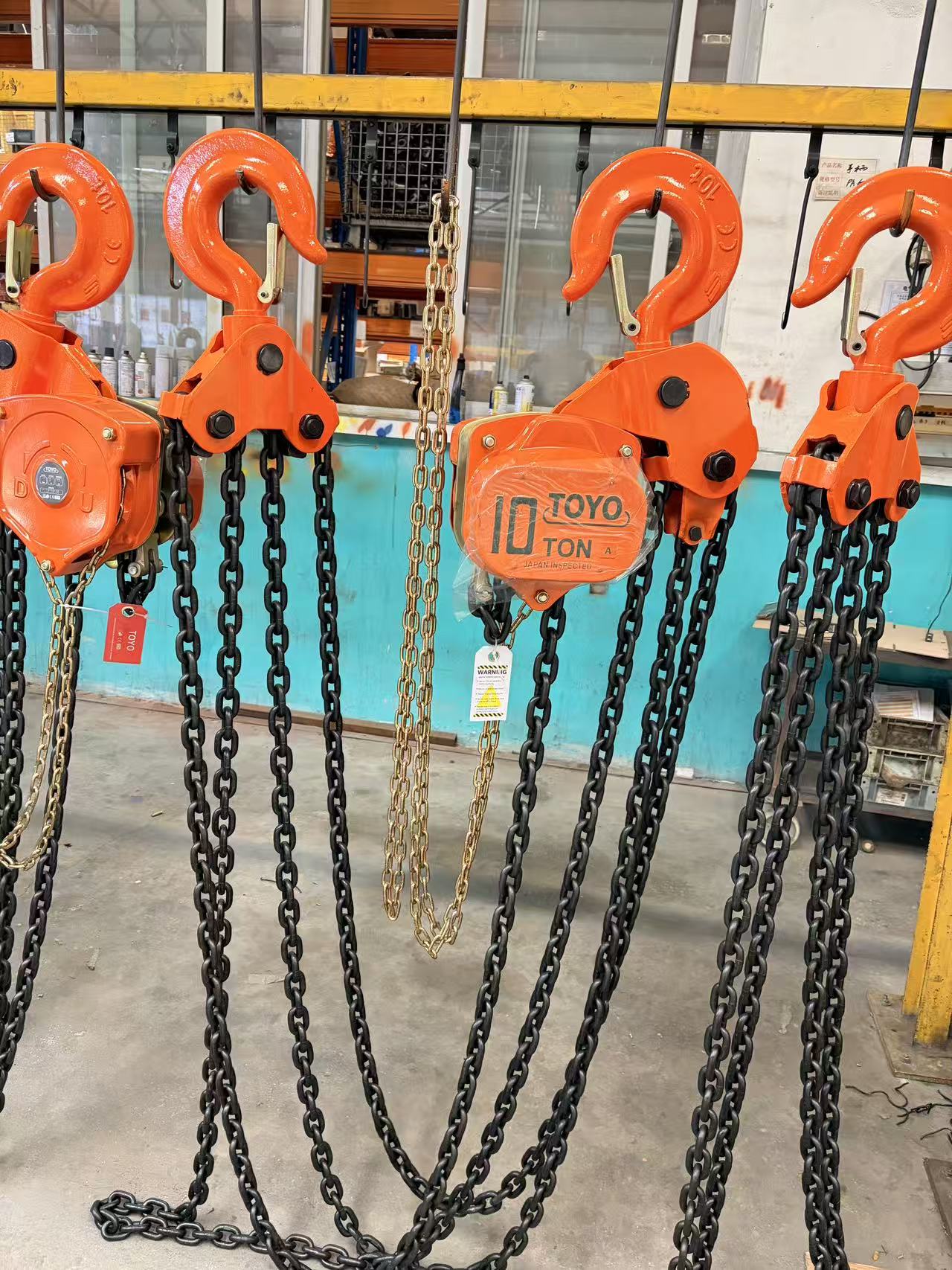
Electric winches are crucial in maintenance scenarios, enabling safe lifting of motors, compressors, and heavy machinery, minimizing workplace injuries and reducing downtime. Manual alternatives, such as miniature chain hoist, remain suitable for occasional low-capacity lifting in workshops and smaller operations.
Comparing Electric Winches with Other Lifting Equipment
Table 1: Comparison of Lifting Solutions
| Equipment | Power Source | Load Capacity | Advantages | Typical Applications |
|---|---|---|---|---|
| Electric Winch | Electric | Medium to High | Precise control, labor-saving, versatile | Construction, warehouse, marine |
| Small Electric Hoist | Electric | Low to Medium | Compact, portable, easy installation | Workshops, small assembly lines |
| Miniature Chain Hoist | Manual/Electric | Low | Cost-effective, lightweight, portable | Small workshops, retail storage |
| Wire Rope Hoist | Electric | High | High load capacity, long reach | Industrial lifting, factories |
Advantages for Industrial Decision-Makers
-
Labor Efficiency: Reduces manual effort and operator fatigue
-
Operational Precision: Accurate load positioning with advanced controls
-
Safety: Brakes and limit switches prevent accidents
-
Versatility: Suitable for multiple industries, from construction to marine
-
Scalability: Can integrate into automated workflows for high-volume operations
For guidance on selecting the right lifting system for your operations, you can contact our team for expert consultation and support.
FAQ: Electric Winches
Q1: What determines the load capacity of an electric winch?
A: Load capacity depends on motor rating, gearbox design, drum size, and cable strength. Selecting a winch with an adequate safety factor is critical.
Q2: Can electric winches operate continuously?
A: Continuous operation depends on motor type, duty cycle, and thermal protection. Industrial winches are designed for intermittent or continuous use depending on specifications.
Q3: How does an electric winch differ from a small electric hoist?
A: Electric winches typically handle higher loads over longer distances. Small electric hoists are compact, portable, and designed for lower-capacity tasks.
Q4: What maintenance is required for electric winches?
A: Regular inspection of the motor, gearbox, drum, cable, and brake system is essential. Lubrication, tension checks, and cleaning ensure long service life.
Q5: When should a wire rope hoist be chosen over a chain hoist?
A: Wire rope hoists are ideal for high-load, long-reach lifting, while chain hoists suit lower-capacity, compact installations.
About TOYO
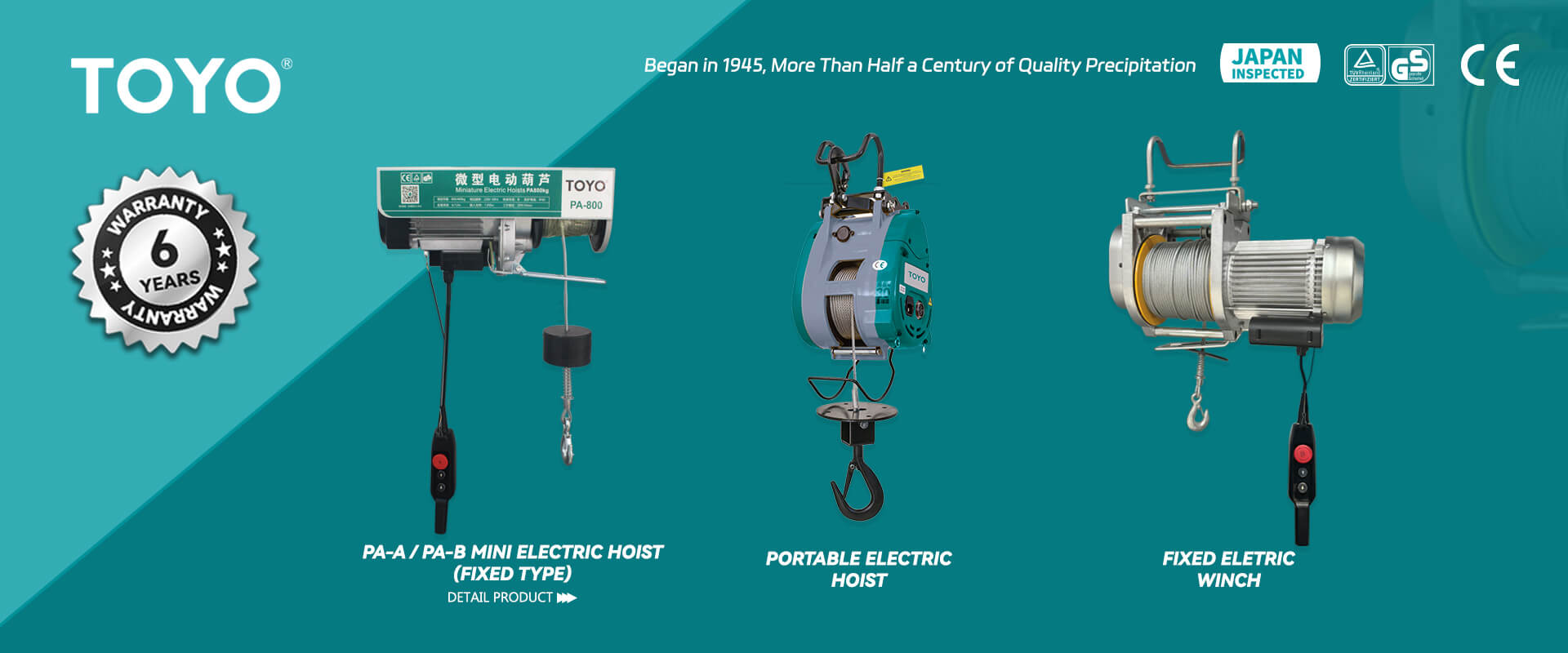
TOYO is a leading chain hoist manufacturer and supplier of industrial lifting equipment. The company provides electric winches, small electric hoists, miniature chain hoists, and wire rope hoists. Committed to quality, safety, and innovation, TOYO helps businesses worldwide optimize material handling, enhance productivity, and achieve long-term operational efficiency.
References
-
Wikipedia – Winch
https://en.wikipedia.org/wiki/Winch -
OSHA – Material Handling and Hoists Safety
-
Engineering Toolbox – Hoists and Winches